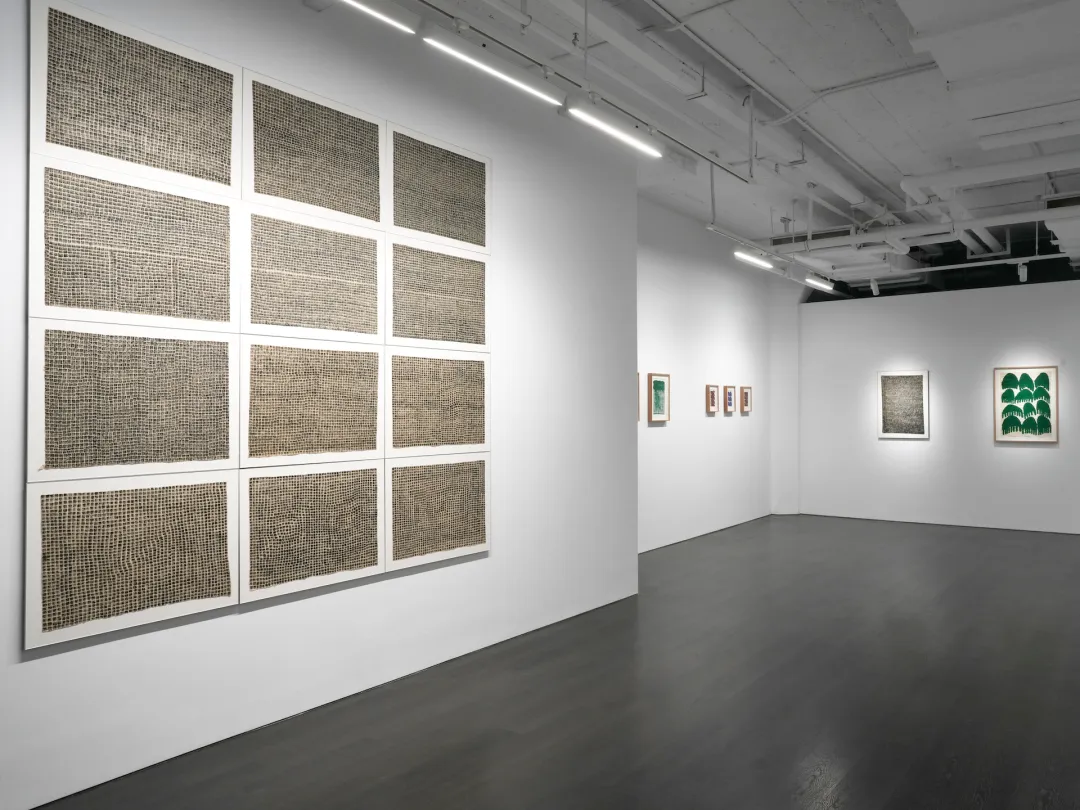
《庙宇与波》展览现场
SOOFA (上海) ,2026年
随着《庙宇与波》接近尾声,我们也试图以更多元的方式,记录并延展这场展览所开启的讨论。
展期期间,SOOFA 及 苏河皓司SUHE HAUS 围绕艺术家习关磊的创作,共发布了两支影像内容,并收集三位作者从不同角度展开观察与回应。无论是镜头中的现场记录,还是文字中的深入阅读,它们都成为理解《庙宇与波》的另一种入口。
展览终将落幕,但关于创作与感知的思考,仍在持续发生。
在此,感谢习关磊老师的信任,也感谢每一位走进展厅、阅读文字与观看影片的朋友。
SOOFA x 习关磊:庙宇与波
艺术专访|习关磊:一场关于时间与无常的水墨修行
关于习关磊的艺术
About the art of Xiguan Lei
——利奥波尔多·蒂列里亚·阿克韦克
Leopoldo Tillería Aqueveque
利奥波尔多·蒂列里亚·阿克韦克,智利大学哲学博士
现任智利贝尔纳多·奥希金斯大学(UBO)副研究员,主要研究方向涵盖艺术哲学、技术哲学以及情色哲学。
Leopoldo Tillería Aqueveque holds a PhD in Philosophy from the University of Chile. He is currently an Associate Researcher at the Bernardo O'Higgins University (UBO) in Chile. His primary research areas include the philosophy of art, the philosophy of technology, and the philosophy of eroticism.
→EN
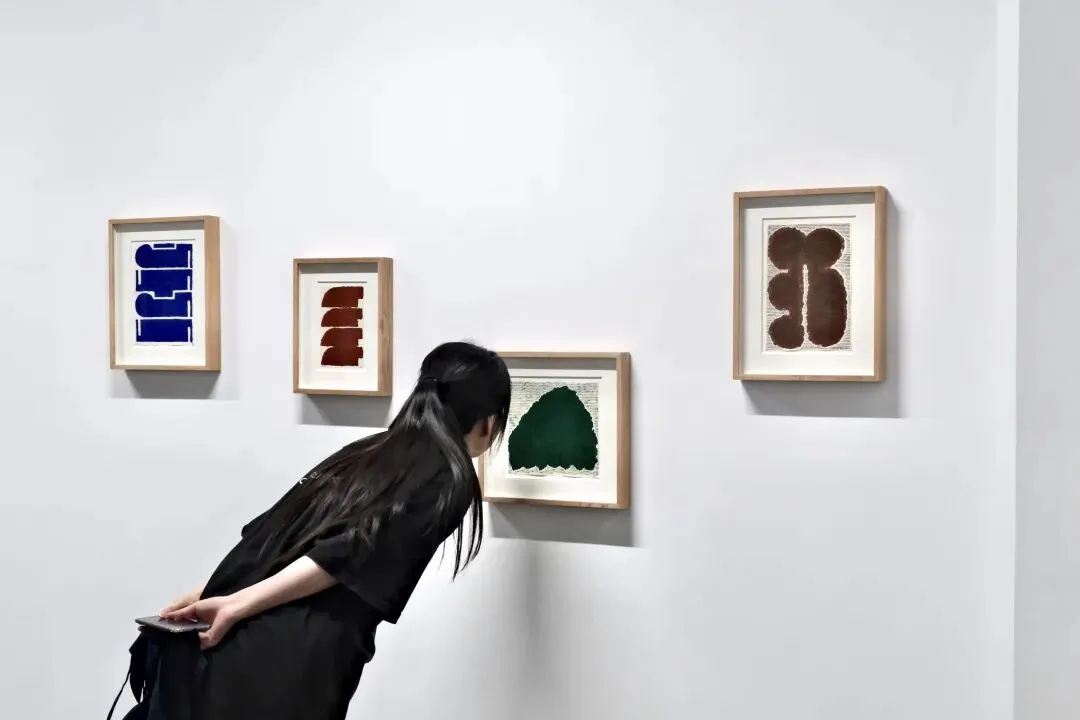
《庙宇与波》展览现场
SOOFA (上海) ,2026年
习关磊的艺术,呈现出一种超越时间性的气质。或者更准确地说,它并不属于某一个明确的时代,而更像始终存在于时间内部。
在他的作品中,无论人物、物象还是材料,都始终与自然保持着深层联系。这种联系既体现在色彩中的土地感,也体现在传统性与当代性之间微妙的并置之中。正因如此,他的作品最终形成了一个高度内在化的世界——一个既属于艺术家自身,也逐渐独立于现实之外的精神空间。
然而,如果不将其放置于“艺术哲学”与“意识哲学”的交汇之中,这一切便无法真正成立。在习关磊的创作里,诗歌、古老语言以及自然经验,并非彼此分离的元素,而是以一种近乎不可拆解的方式共同存在于绘画内部。
The art of Master Xiguan Lei impresses as an art for all time, or, to put it better, as a timeless art.
Indeed, the connection of each figure in his pieces with the elements of nature (expressed in the earthiness of the colors and in the synthesis between the ancestral and the modern in the objects or representations) reveals an inner world —that of the artist— which transforms those pieces into a universe in themselves.
However, this would not even be conceivable if one did not understand that in Xiguan Lei’s art, the philosophy of art and the philosophy of consciousness are sensibly and intelligibly fused. A fusion that combines, in the essence of his painting, poetry, ancestral languages, and nature indivisibly.
→EN
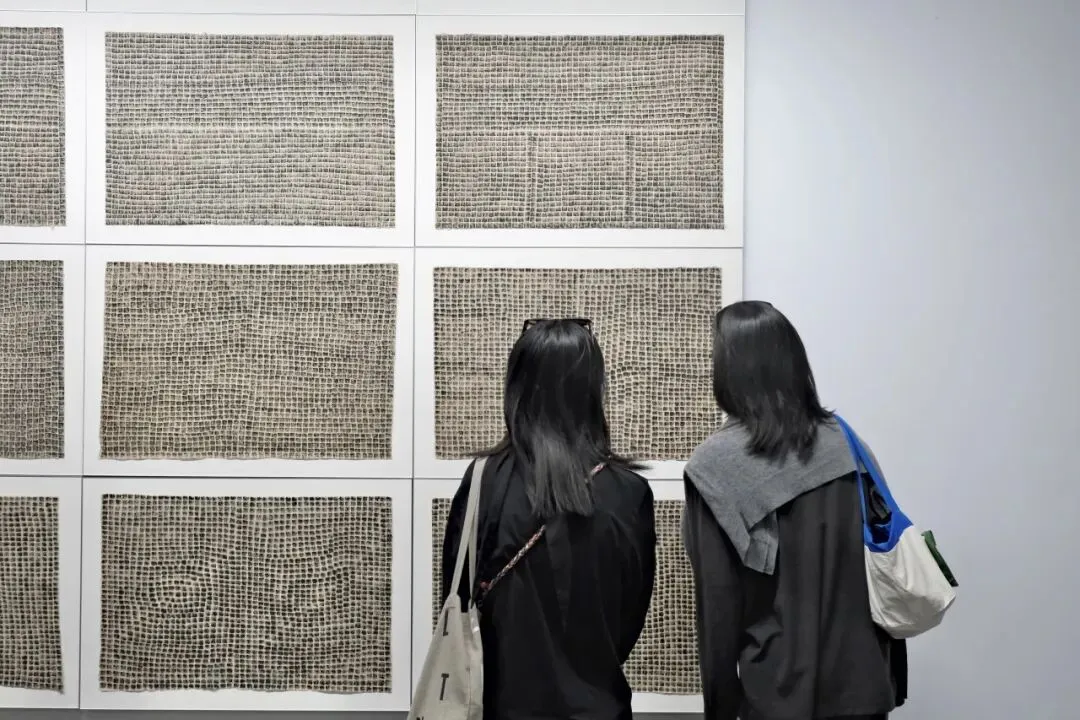
《庙宇与波》展览现场
SOOFA (上海) ,2026年
他的创作路径——那些不断生长于自然元素中的图像与材料——更像一颗在感知中缓慢发芽的种子。因此,他的艺术不仅回应了中国古代文化内部的审美传统,也在某种意外的层面上,与世界其他重要文明中的精神性表达产生关联:例如古希腊酒神颂歌中的集体感知,或南美马普切号角所唤起的原始回响。
正如哲学家彼得·斯洛特戴克所言,现代性终将让位于一种新的艺术形态——一种同时指向审美、疗愈、生态与精神性的艺术。而习关磊的创作,恰恰属于这种未来艺术的范畴。
因此,他的艺术并不仅仅关于形式,而更接近一种超验性的感知实践。
The path undertaken by Master Xiguan Lei —brimming with elements of nature— can be understood as a seed growing through sensitivity and contact with such natural forms. His art, therefore, emulates not only the aesthetic and cultural diversity of ancient China, but also unexpectedly brings it closer to other creations and aesthetic representations that the world has recognized as fundamental, such as the Greek dithyramb —in the Mediterranean— or the sound of the Mapuche horn —in the far reaches of South America.
As the contemporary philosopher Peter Sloterdijk (2020) aptly states, modernity must inevitably give way to the arts of the future, those arts heralded as the offspring of the triumph of aesthetic-therapeutic-ecological-neoreligious forces, those same arts that have created the most important set of quasi-meditative practices in the tradition.
The transcendental art of Xiguan Lei.
→EN
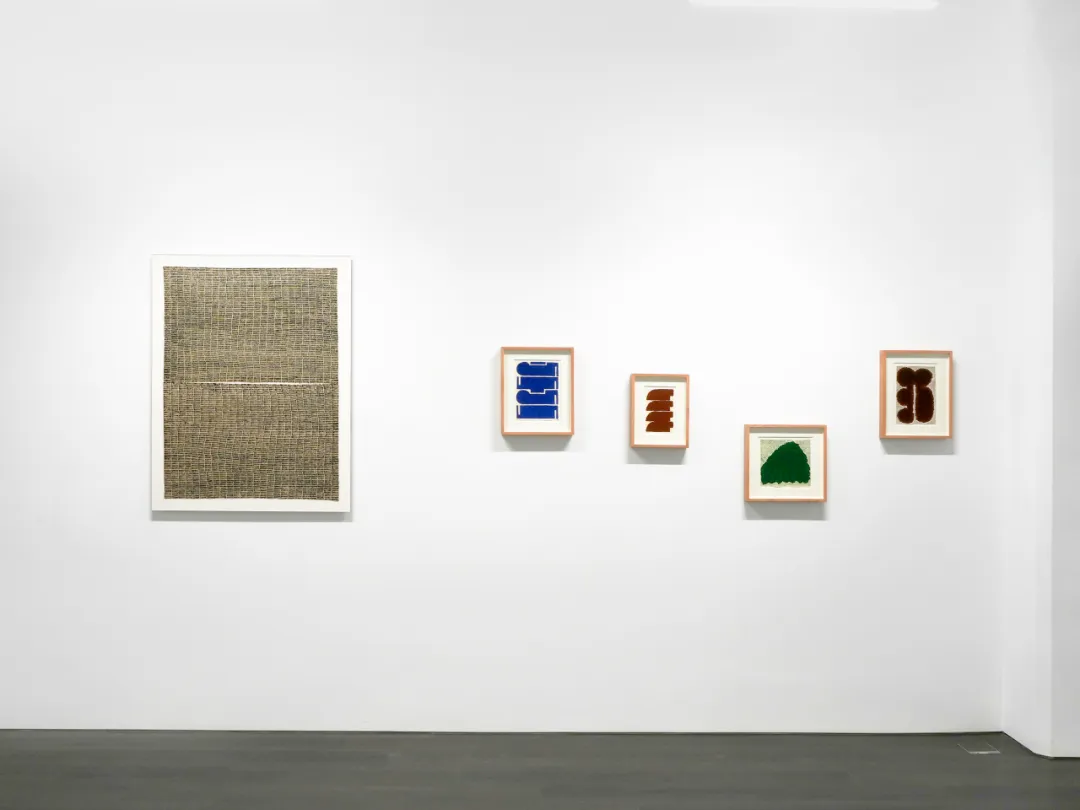
《庙宇与波》展览现场
SOOFA (上海) ,2026年
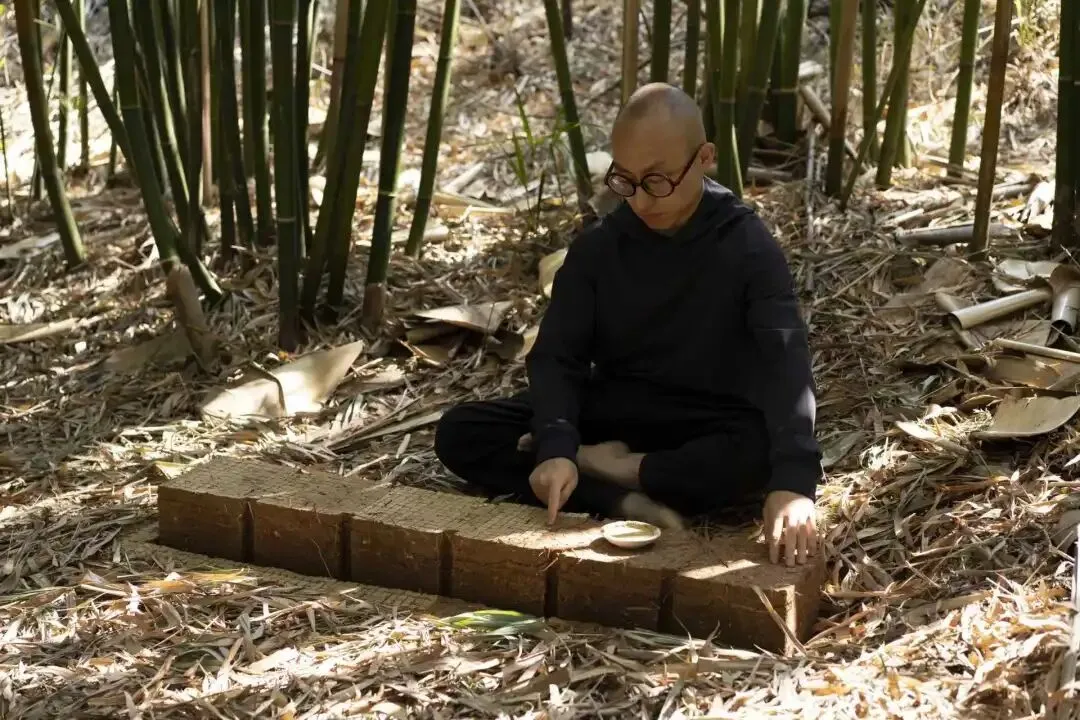
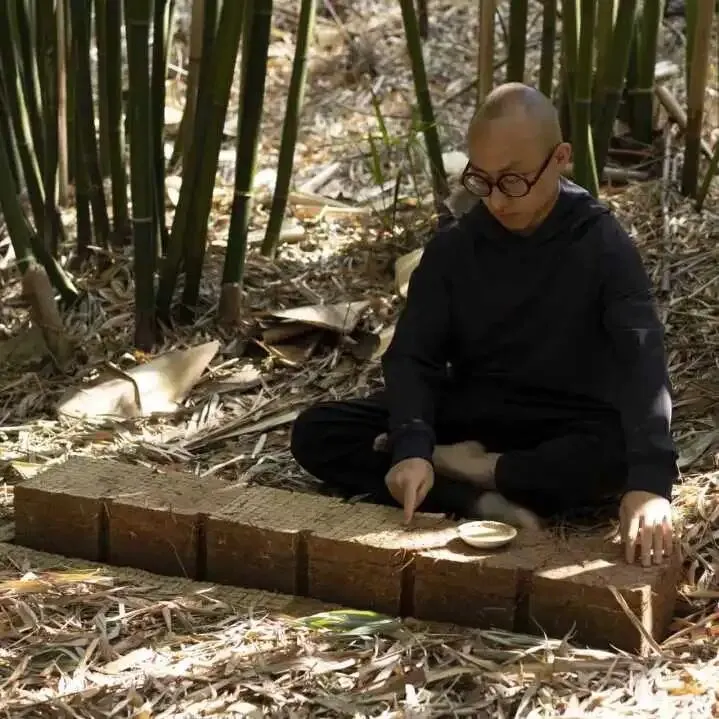
习关磊在工作,2024
习关磊的物像
——朱小禾
朱小禾(Zhu Xiaohe),1956年生于重庆,中国当代艺术家、艺术理论家、四川美术学院手工艺术学院教授。1986年毕业于四川美术学院工艺系漆器专业并获硕士学位,师从现代著名漆艺史学家、艺术家沈福文先生。
Zhu Xiaohe (b. 1956, Chongqing) is a Chinese contemporary artist, art theorist, and Professor at the School of Crafts, Sichuan Fine Arts Institute. He received his master's degree in 1986 from the Lacquer Art Program of the Department of Arts and Crafts at Sichuan Fine Arts Institute, where he studied under the renowned modern lacquer art historian and artist Shen Fuwen.
→EN
抽象书写即物像
习关磊的书写不必表现物像,但并不陷入虚无,抽象书写本身就是物像,这是一种单义物像,单义物像不能释义,没有历史意义,它离群索居,呈现独特的秘密,阻断了通向历史和意义的道路。
习关磊以抽象书写表达的物像,表现出对现实世界的极端怀疑。
抽象书写自己运作,单义的运作,历史永远不在场,抽象书写拉伸了物像世界,物像从历史主义,功利主义和感官主义转变成抽象和单义的物像,维护了物像的尊严。
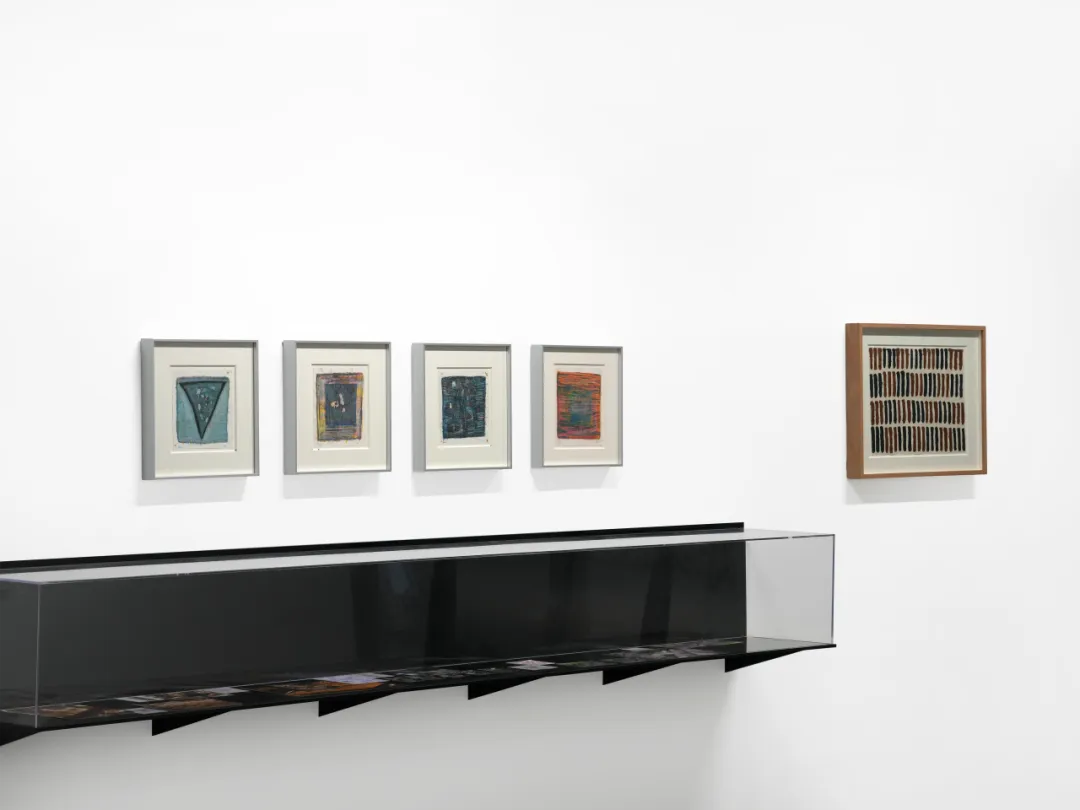
《庙宇与波》展览现场
SOOFA (上海) ,2026年
去脉络的物像
无需为习关磊的物像寻找脉络,物像是单义的物像,无依附,无主体,历史空缺,是思辨的物像,异想天开的物像,并不深挖历史和意义,相反扫除历史和意义,扫除历史因果规律。
扫除了历史和意义,单义物像是永恒物像,狂喜的物像。
隐喻式的物像
习关磊的抽象书写是显微的,在细节上驻留,显示细节的歧义和可疑点,线条自信而坚定,没有模糊性,消除了世界的经验惰性,形成新的断言,由此生成物像,物像是隐喻,无法论证,没有经验对照,一无所有,是书写自身产生的疑惑或狂喜症状。
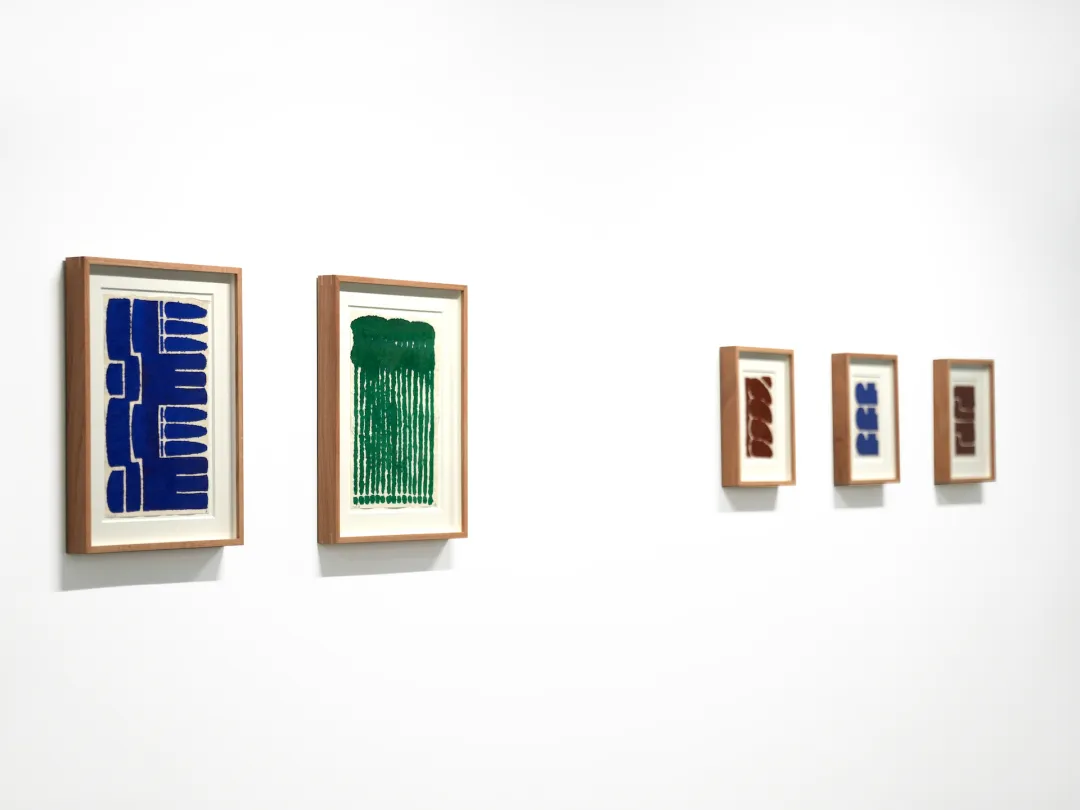
《庙宇与波》展览现场
SOOFA (上海) ,2026年
单义物像替换功利物像
习关磊用抽象书写这种单义物像来补偿历史空缺,替代内心世界和现实世界。
如同普罗米修斯偷火种送给人类,艺术偷盗单义物像送给人类,抵制历史物像,功利物像和欲望物像的霸权,用单义物像对世界重新命名和重新判决,让世界持续更新。
2026.5
论“源”:习关磊的作品
On Origin: The Work of Xiguan Lei
——埃斯佩兰萨·贝尔达 Esperanza Belda
埃斯佩兰萨·贝尔达 Esperanza Belda,“HopefullyArt”机构的创始合伙人。她不仅是资深艺术专家与私人艺术品经纪人,同时也是一位法律专家。她曾深造或任职于伦敦佳士得、苏富比艺术学院及马格特基金会等顶尖艺术机构。
她的职业成就包括:曾任马格特基金会展览与借展主管、佳士得核心艺术品收购顾问、知名企业收藏(Inelcom Corporate Collection)策展人,并曾掌舵 Alzueta 画廊充满活力的拍卖部门。她拥有当代艺术、艺术品与古董鉴定双硕士学位,并具备法律从业资格。
Esperanza Belda is the founding partner of HopefullyArt. She is an art specialist, private dealer, and legal expert with extensive experience gained from prestigious institutions such as the Sotheby’s Institute of Art, Christie’s London, and the Maeght Foundation.
Her achievements include serving as Head of Exhibitions and Loans at the Maeght Foundation, advising on the acquisition of iconic artworks at Christie’s, curating the renowned Inelcom Corporate Collection, and leading the dynamic auction department at Alzueta Gallery. She holds master’s degrees in both Contemporary Art and Arts and Antiques Authentication, complemented by her legal qualifications.
→EN
有一些艺术作品服务于视觉。还有一些作品,则以一种更安静、也更深层的方式发生作用——它们绕过视网膜与理智,抵达某种更古老的感知。习关磊的作品属于后者。
我第一次接触他的创作时,像是在自然中偶然遭遇某种事物:并未真正有所准备。那里没有宏大的姿态,没有纪念碑式的尺度,也没有任何试图令人惊叹的企图。然而,某种东西让我停下了脚步。纸张表面的质地、痕迹停留于其上的方式、材料内部所隐约携带的时间感,都使人无法轻易离开。我停留得比预想更久,也一次次重新返回。
习关磊于1994年出生于中国大理,而这一“源头”之所以重要,并不在于传记意义,而更像一种感知的形成。大理的山、水、岩石,以及长期被自然塑造的地貌经验,在语言之前,便已决定了一个人与世界发生关系的方式。这种感知始终存在于他的作品内部,并成为其创作的根基。
There are works of art that seduce the eye. And then there are works that do something quieter and more unsettling — they reach somewhere deeper, past the retina and past the intellect, into a place that feels older than both. Xiguan Lei's work belongs to the second kind.
I first encountered his practice the way you encounter certain things in nature: without quite being prepared for it. There was no grand gesture, no monumental scale, no obvious invitation to be impressed. And yet something stopped me. Something in the texture of the paper, in the way a mark sat on a surface, in the particular weight of materials that seemed to carry memory inside them. I stayed longer than I expected. I kept returning.
Xiguan Lei was born in Dali, China, in 1994, and that origin matters — not as biography, but as formation. Dali is a place defined by its landscape: mountains, water, ancient stone, the kind of natural environment that shapes a person's relationship with the world before language does. That sensibility never left his work. It is its foundation.
→EN
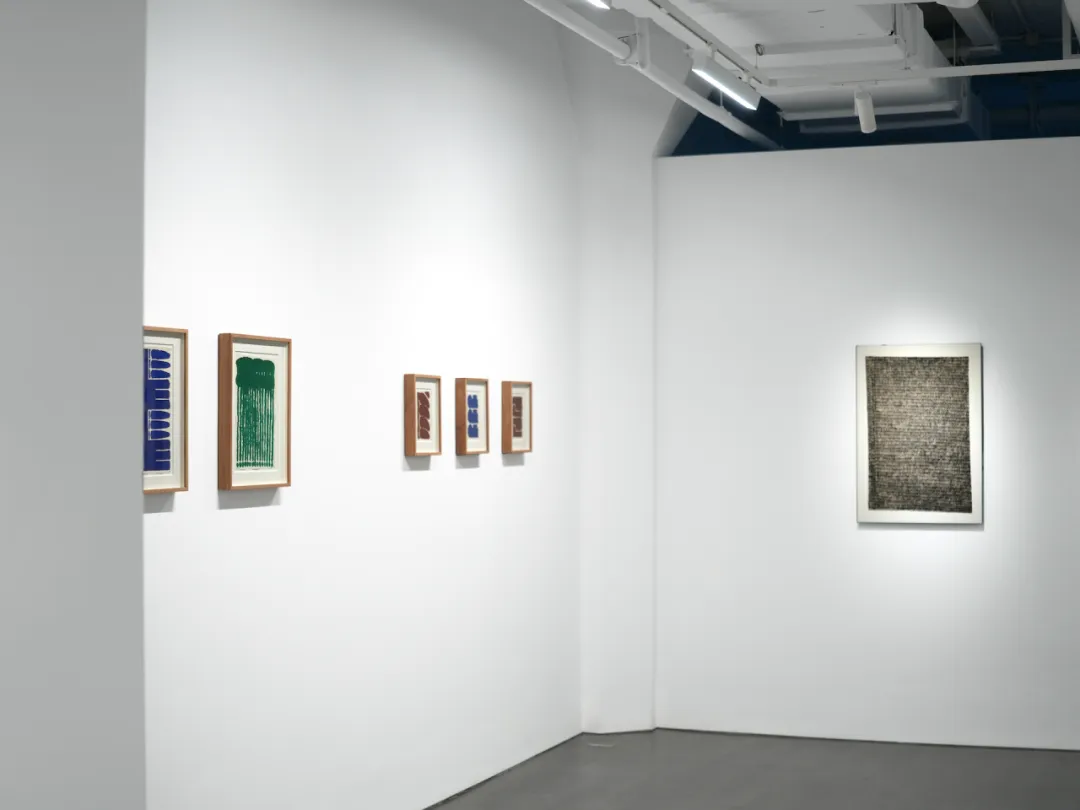
《庙宇与波》展览现场
SOOFA (上海) ,2026年
无论是雕塑、绘画,还是某种拒绝被既定媒介定义的存在,他的创作始终从有机材料中生长而出:树叶、树皮、苔藓、石头,以及那些仍然保留植物纤维痕迹的手工纸。这些材料并非因其视觉美感而被选择,而是因为它们本身便携带着时间、过程,以及自然系统自身的运行逻辑。
尤其是那些纸张,会令人产生一种近乎本能的触觉冲动。并非出于好奇,而更像一种辨认——仿佛材料自身正在诉说其来处,而身体比意识更早理解这一切。
这些年来,习关磊创作中最明显的变化,是他对于“留白”与“未完成”的信任。早期作品虽然已经极其克制,却偶尔仍会朝向某种完整性:一个趋于封闭的构图,或某种试图解释自身的痕迹。而如今,他越来越拒绝这种“完成”。作品不再导向结论,而是保持开放;它给予得更少,却要求观者付出更多——更多耐心、更多停驻,以及与那些无法立即显现之物共处的能力。
在一个不断奖励“可读性”与“奇观化”的艺术世界中,维持这种状态并不容易。而习关磊却愈发坚定地如此实践。这种成熟,与年龄无关,而更接近一种长期的自我确认。他的创作本质上始终关乎“倾听”——倾听材料、倾听土地,也倾听自然世界自身的逻辑,而非市场的逻辑。
What he makes — whether sculpture, painting, or something that refuses both categories — emerges from organic materials: leaves, bark, moss, stone, handmade paper with the memory of plant fibers still visible in its surface. These are not chosen for their visual appeal. They are chosen because they carry something. Time. Process. The logic of natural systems that operate without human instruction.
His paper, in particular, does something I find difficult to describe without resorting to the physical: you want to touch it. Not out of curiosity, but out of recognition — as though the material is communicating something about where it came from, and your hands understand before your mind does.
What has evolved most visibly in Xiguan's practice over time is his confidence in absence. Earlier works, while already deeply considered, occasionally gestured toward resolution — a composition that closed, a mark that explained itself. Increasingly, his work resists this. It opens instead of concluding. It offers less and demands more — more patience, more stillness, more willingness to sit with something that does not immediately yield.
This is a difficult thing to sustain in an art world that rewards legibility and spectacle. That he does so with increasing conviction speaks to a maturity that has nothing to do with age and everything to do with commitment to a practice that is, at its core, about listening. To materials. To place. To the logic of the natural world rather than the logic of the market.
→EN
《庙宇与波》展览现场
SOOFA (上海) ,2026年
“源”作为一种深层连接
习关磊作品中最打动人的地方,在于其中的一切都来自某种真实的经验。它并非诞生于工作室中的概念推演,而更像一种长期贴近土地的生活方式所自然生成的结果。那些根系同时具有地理性、个人性与物质性,并最终共同汇入作品内部。
有一种美,并不会主动宣告自身。它只是缓慢积累,如同某些风景,唯有当人真正走入其中之后,才逐渐显露其深度。习关磊的作品正以这样的方式存在。它值得反复观看,也会随着光线、观看状态,以及人的注意力变化而不断改变。
它所建立的连接,首先并非审美性的,而更接近某种原初经验——一种关于“来源”的身体性辨认。人、树叶、石头,以及树皮缓慢腐朽的过程,原本便来自同一个地方。而习关磊并不试图论证这一点,他只是以一种异常温和、也异常坚定的方式,让这种联系自然浮现。
或许,这正是他最重要的地方:并非某一件具体作品,而是一种持续展开的创作实践——一种关于艺术、自然与身体并非彼此分离,而始终处于同一连续运动之中的实践。如果你愿意在他的作品前停留足够久,便能够感受到这一点。
Origin as the Deepest Form of Connection
What moves me most about Xiguan's work — and I use that word deliberately, because this is not an intellectual response but a physical one — is the sense that everything in it comes from somewhere real. Not from a concept developed in a studio, but from a life lived in proximity to the land, from roots that are geographical and personal and material all at once.
There is a particular kind of beauty that does not announce itself. It accumulates instead, quietly, the way certain landscapes only reveal their depth after you have walked inside them for a while. Xiguan Lei's work operates this way. It rewards return. It changes depending on the light, on your own state of attention, on how much you are willing to slow down.
The connection it creates is not aesthetic first. It is something more primary — a recognition, almost cellular, of origin. Of the fact that we come from the same place as leaves and stones and the slow decomposition of bark. His work does not argue this. It simply demonstrates it, with extraordinary gentleness and extraordinary conviction.
That, finally, is what I would call his greatest achievement: not any single work, but the sustained proposition, enacted across an evolving practice, that art and nature and the human body are not three separate things. They are one continuous movement. And if you stand still long enough in front of his work, you can feel it.
→EN
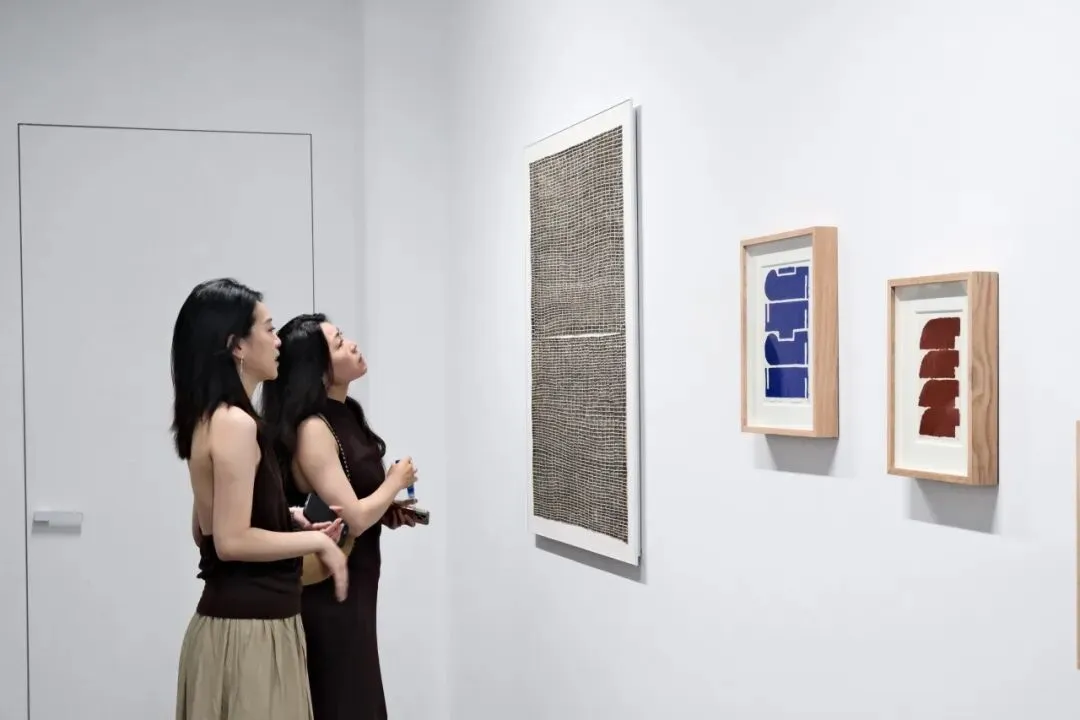
《庙宇与波》展览现场
SOOFA (上海) ,2026年
一场跨越时间的对话:习关磊与马蒂斯
在亨利·马蒂斯晚年的创作中,有一个极为重要的转折:当疾病使他无法再以传统方式绘画时,他拿起剪刀,开始剪纸。那些晚年的彩色剪纸作品,是其创作生涯中最自由、也最激进的部分之一。但真正动人的,并不仅仅是色彩与形式,而是其中残留的“触感”——手部施加于纸面的压力、瞬间完成的判断,以及犹豫与确信如何同时存在于同一道边缘之中。纸张承载了这一切。
习关磊的创作来自另一种环境:更冷静、更内向,也更深地扎根于自然,而非地中海式的光线。但两者之间依然存在某种隐秘的亲缘关系。他们都意识到,材料从来不是被动的。纸张也并非中性的媒介,而是一种拥有自身历史、阻力与记忆的“活物”。
如果说马蒂斯是在将色彩压入纸张,那么习关磊则更像是在将“时间”压入纸张之中——树木的时间、双手的时间,以及风景在漫长岁月中被缓慢吸收的时间。
因此,最终留存在表面的,便不再仅仅是一幅图像,而更像一种“存在”的痕迹:某个人曾在这里,触碰过某物,并留下的不是签名,而是一场尚未结束的对话。
A Conversation Across Time: Xiguan Lei and Matisse
There is a moment in Henri Matisse's late practice — bedridden, unable to paint in the traditional sense — where he did something that changed everything: he picked up scissors and began to cut. The gouaches découpées, those luminous paper cutouts made in the final years of his life, are among the most joyful and radical things he ever produced. But what is often overlooked is not the color or the form — it is the touch. In those cutouts, you can feel the pressure of his hand, the decision made in real time, the hesitation and the certainty living side by side in a single edge. The paper carried him.
Xiguan Lei works from a different place — colder, more interior, rooted in the natural world rather than the Mediterranean light — but there is a kinship worth noting. Both artists understood that the material is not passive. That paper is not a neutral surface but a living thing with its own history, its own resistance, its own way of holding a mark. Where Matisse pressed color into paper with the confidence of a man who had spent a lifetime learning to see, Xiguan presses time into paper — the time of the tree, the time of the hand, the time of a landscape absorbed slowly over years.
And in both cases, what remains on the surface is not simply an image. It is evidence of a presence. A trace of someone who was there, who touched something, and left behind not a signature but a conversation.
→EN
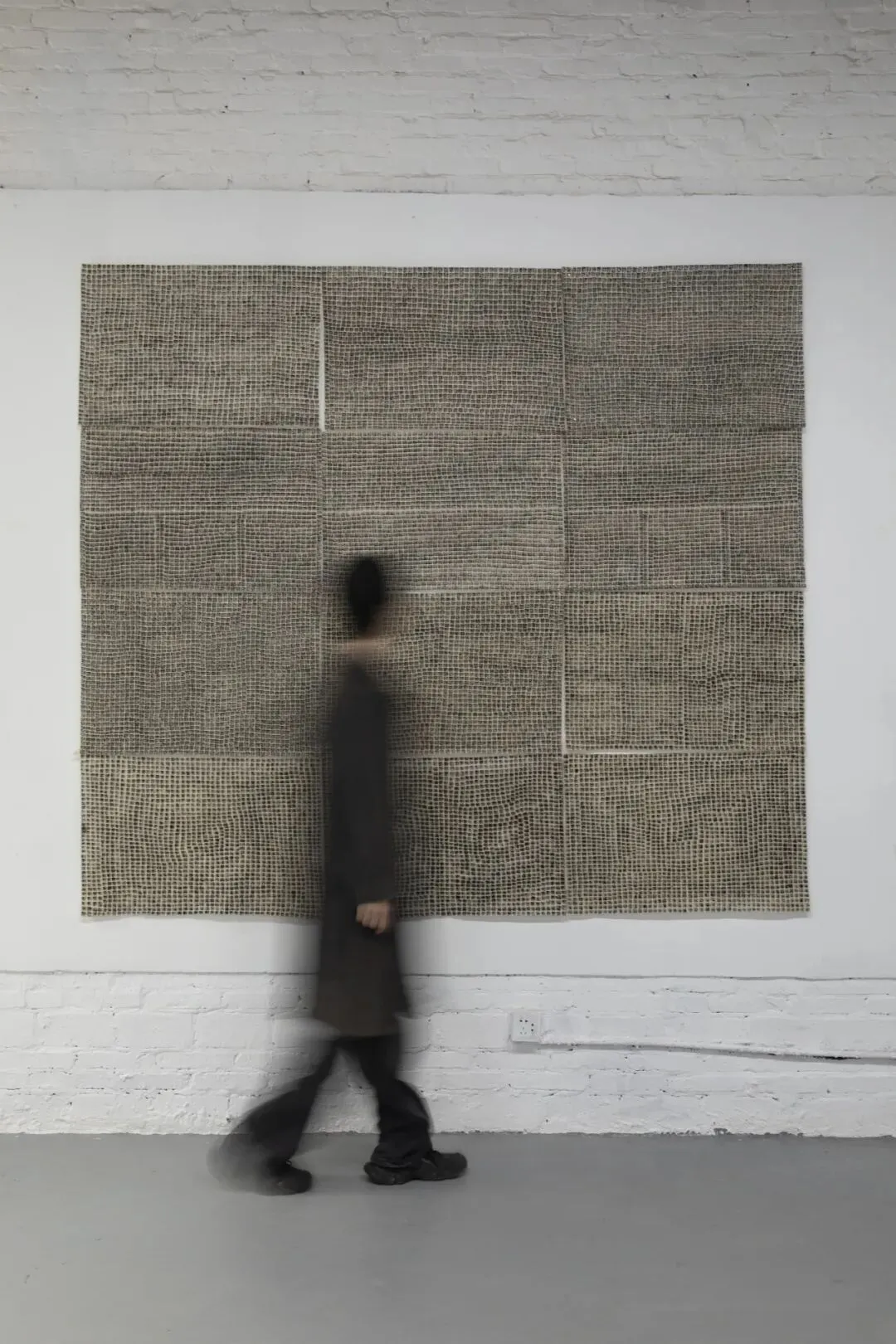
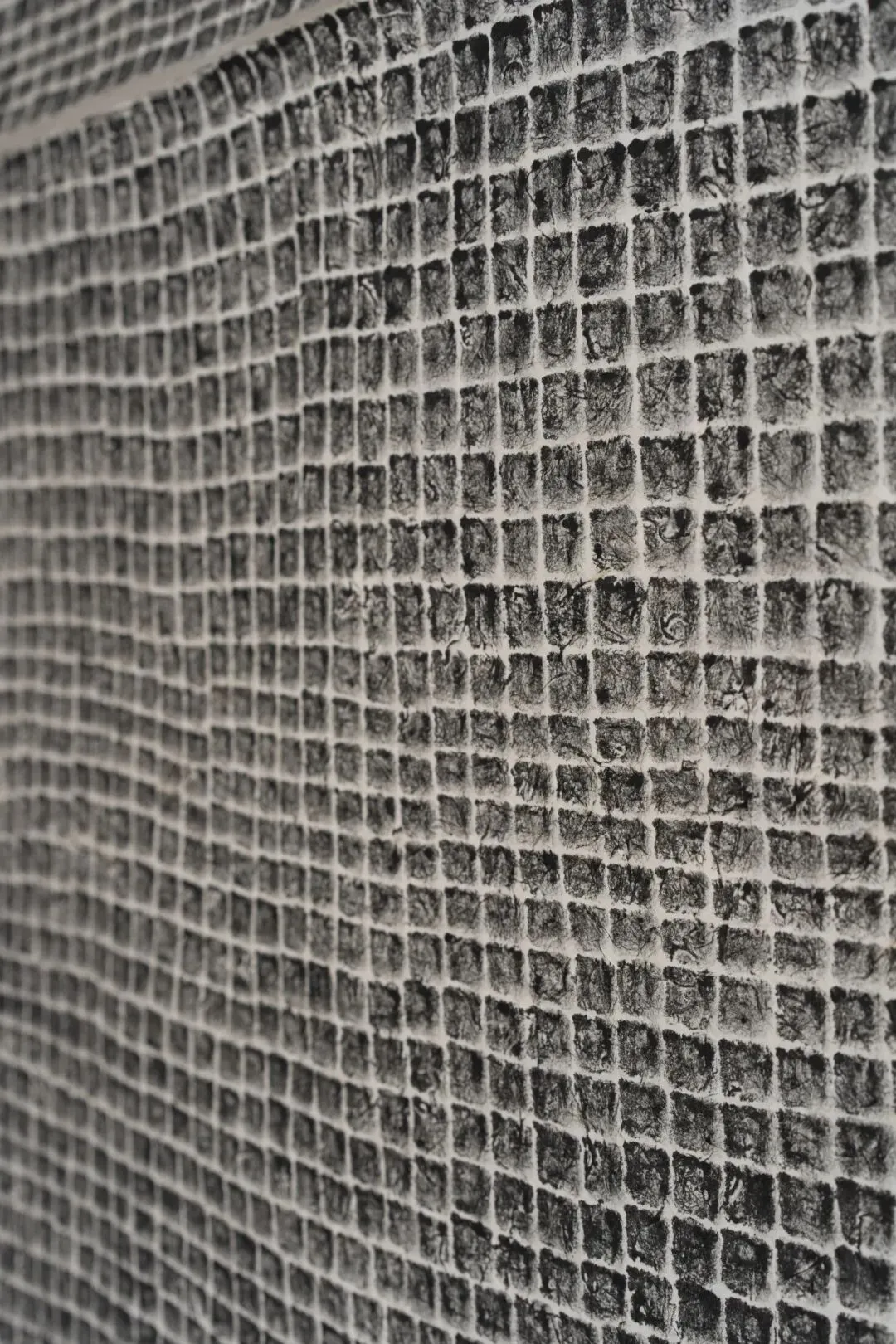
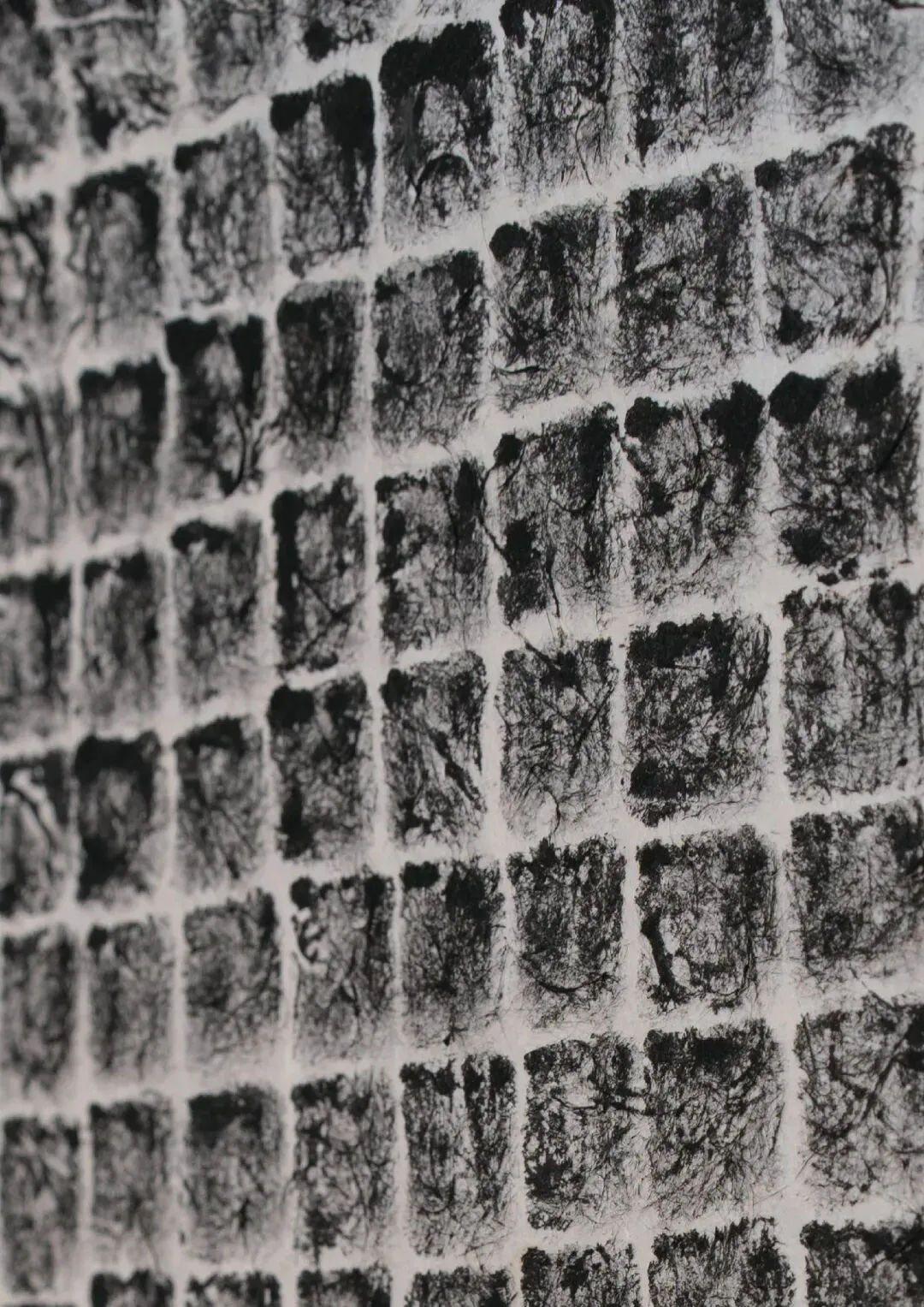
《我与夜的21888次对话》
21888 Conversations I Had With the Night
2023
228 x 204 cm
手指施墨与尼泊尔纸,总共21888次
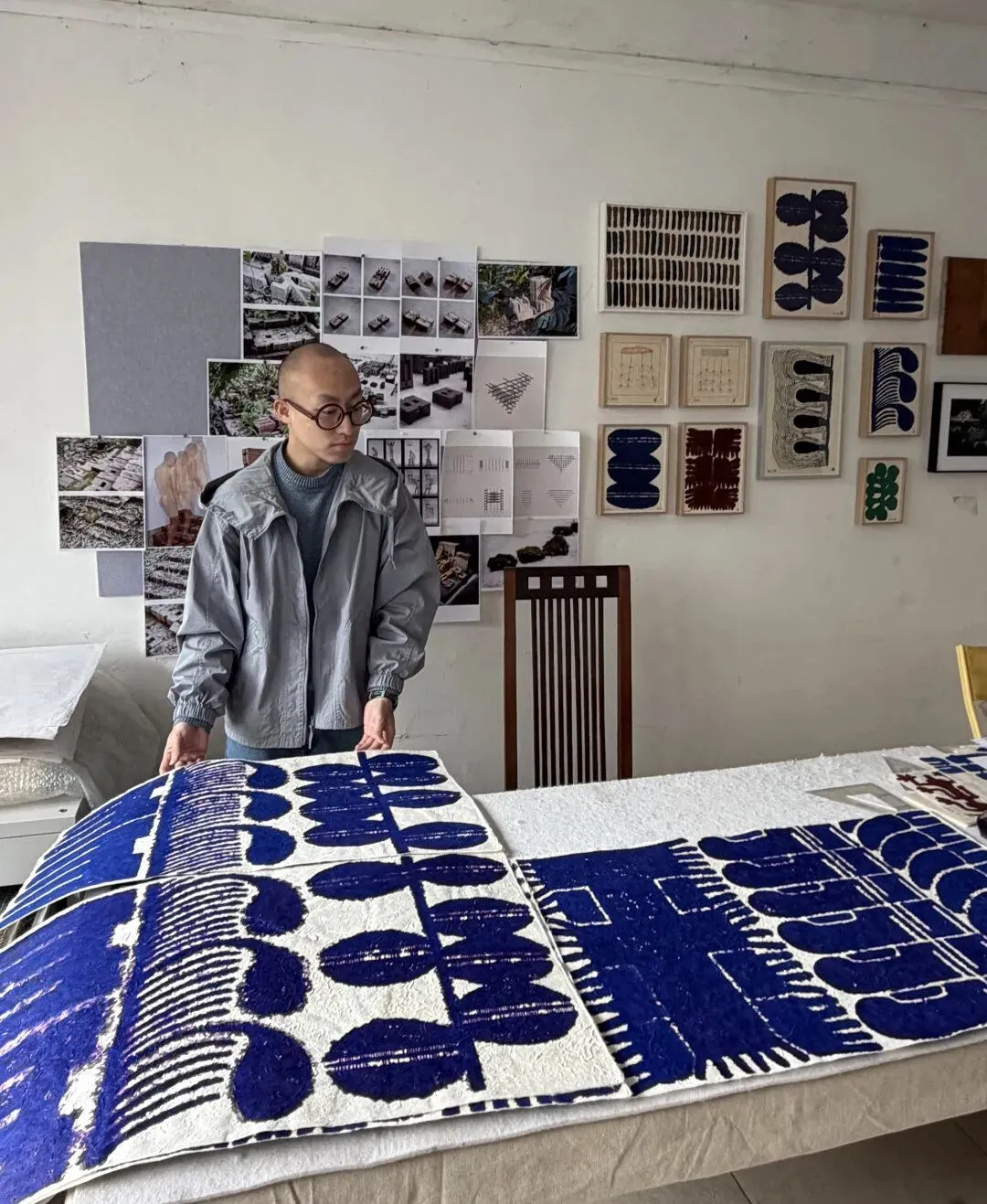
习关磊在工作室,2026
相关阅读
艺术家简介
习关磊 Xiguan Lei
b.1994
艺术学学士,四川美术学院,2018
习关磊,1994 年生于中国,是一位雕塑家、画家和诗人,现居中国重庆和大理两地。在四川美术学院学习之后,习关磊形成了自己的艺术风格,这种风格源于他对传统艺术手法的不断探索以及对自然的哲学思考。
他的艺术作品关注时间、自然、无常和转变。受道家哲学、中国古代建筑以及禅宗绘画传统的影响,他的作品反映了万物都在演变、衰败并最终循环往复的理念。他的整体创作实践探索了自我与自然之间的相互关系,表明它们并非彼此分离的实体,而是紧密相连的。
b.1994
BA Fine Art, Sichuan Fine Arts Institute, 2018
Xiguan Lei is a sculptor, painter, and poet based between Chongqing and Dali, China.After studying at Sichuan Fine Arts Institute, Lei developed an artistic approach rooted in his continued experimentation with traditional artistic processes and a philosophical inquiry into the natural world.
Lei’s art is concerned with time, nature, impermanence, and transformation. Inspired by Taoist philosophy, ancient Chinese architecture, and Zen painting traditions, his work reflects the idea that everything evolves, decays, and ultimately recycles. Lei’s practise as a whole explores the interrelationship between Self and Nature, suggesting they are not separate entities but deeply intertwined.
→EN
图文/由艺术家和SOOFA提供
©2026 SOOFA. All rights reserved