

左右滑动以切换中英文

Swipe between Chinese and English
一场发布会,五个主题展——这是由孩子们主导的“建筑博览会”。与其说是探究成果展,它更像是一次“学习如何发生”的现场直播。

No.1
我们常说,学生是学校真正的主人
这场发布会,让这句话具象化了
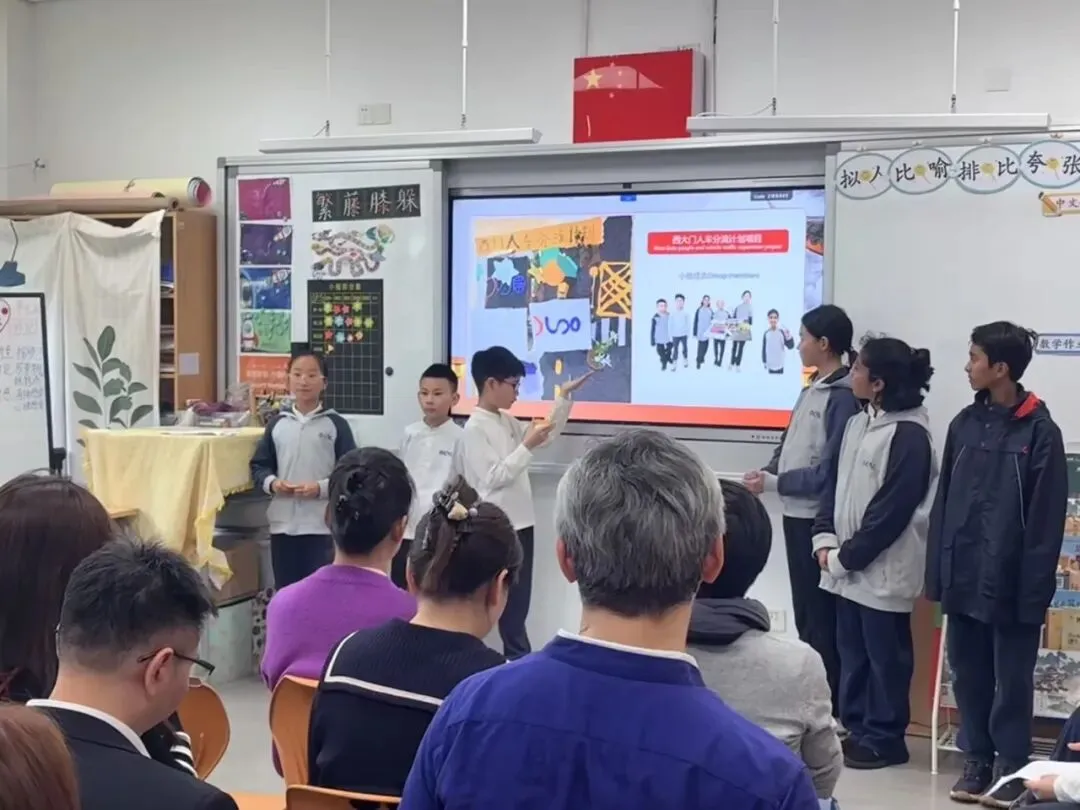
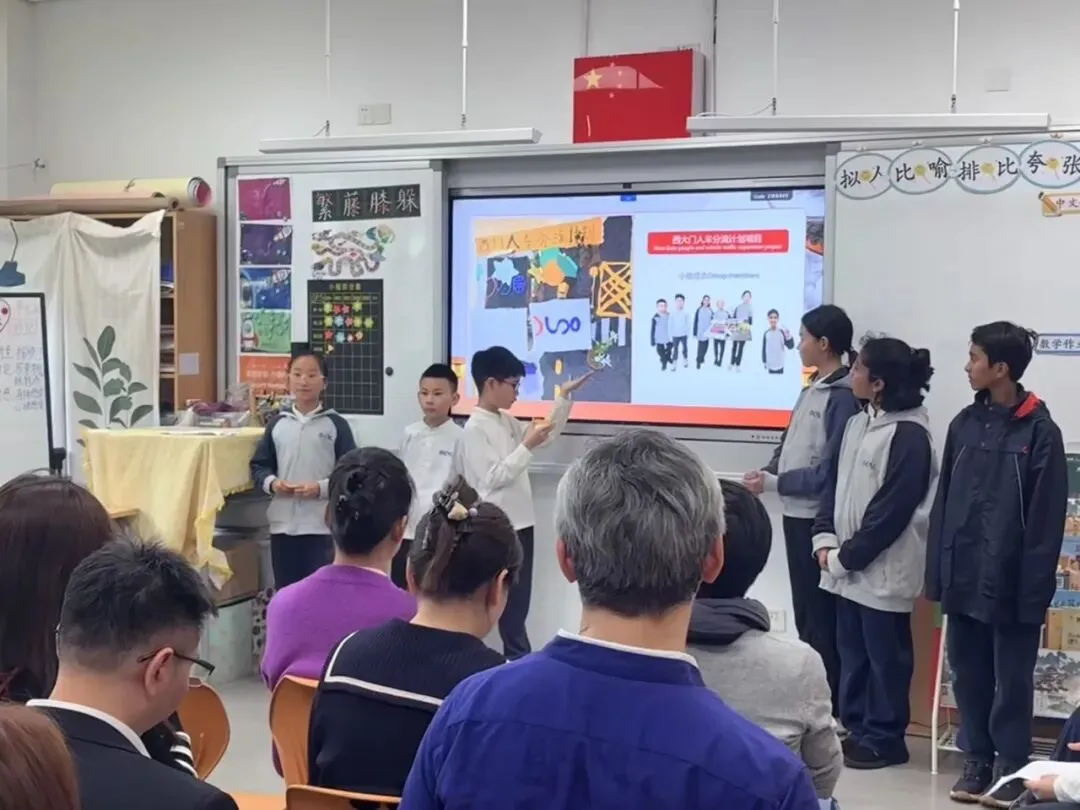
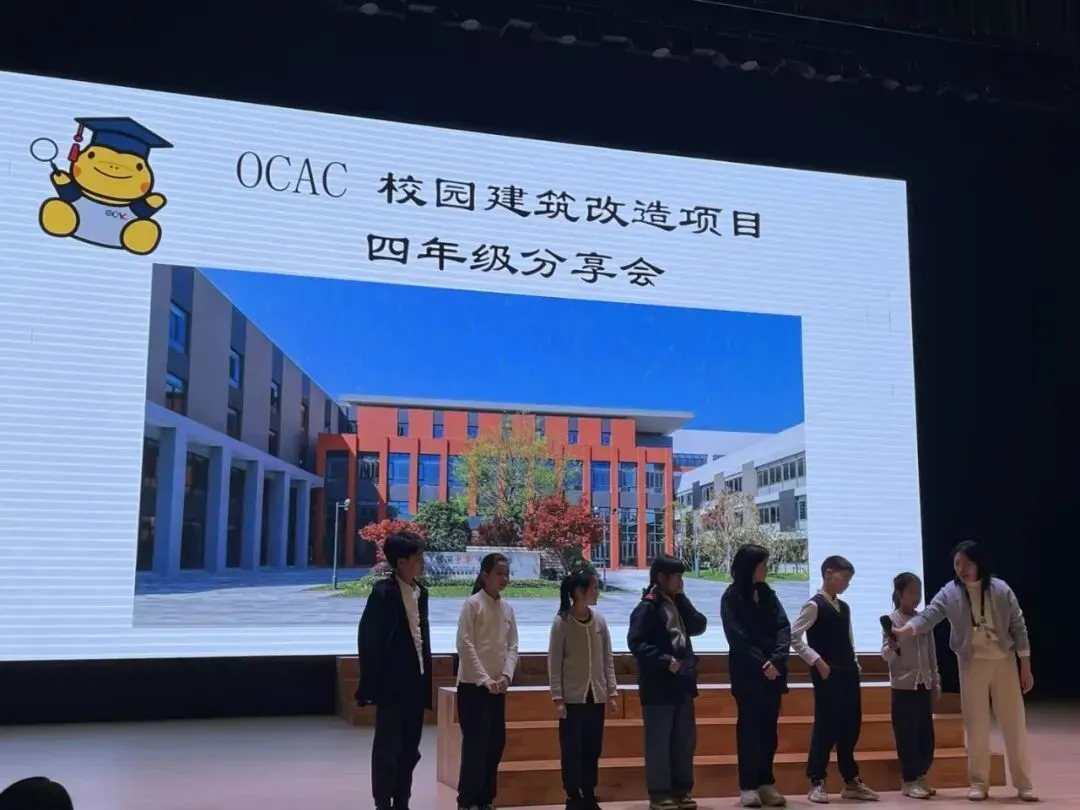
这一天,四年级的教室一改往日的布局,成为“项目发布会”现场。讲台上,一群“小建筑师”轮番登场,身后展示着他们精心制作的PPT、视频和模型。
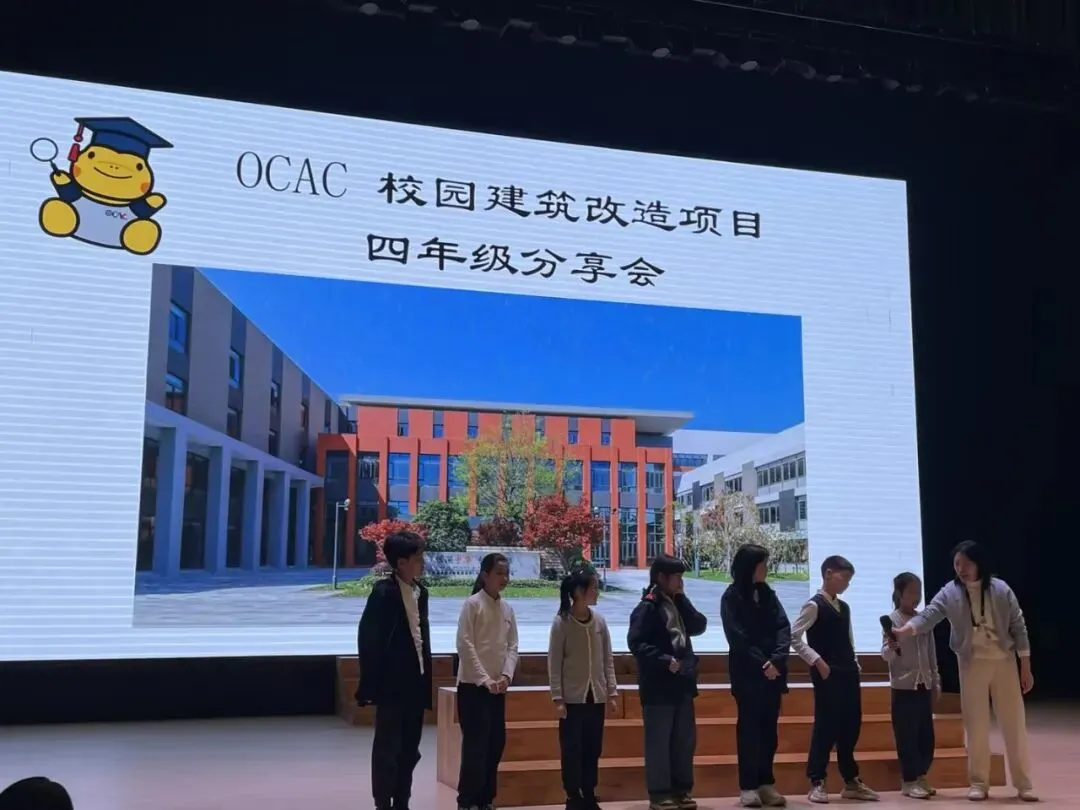
这是一个由孩子们主导的“OCAC校园建筑改造项目”。
台下的“天使投资人”(家长们)惊讶地发现,当联系到自己的校园生活,这些平均年龄10岁的“路演”选手,直击了一系列真实痛点,并提出了自己的解决方案:
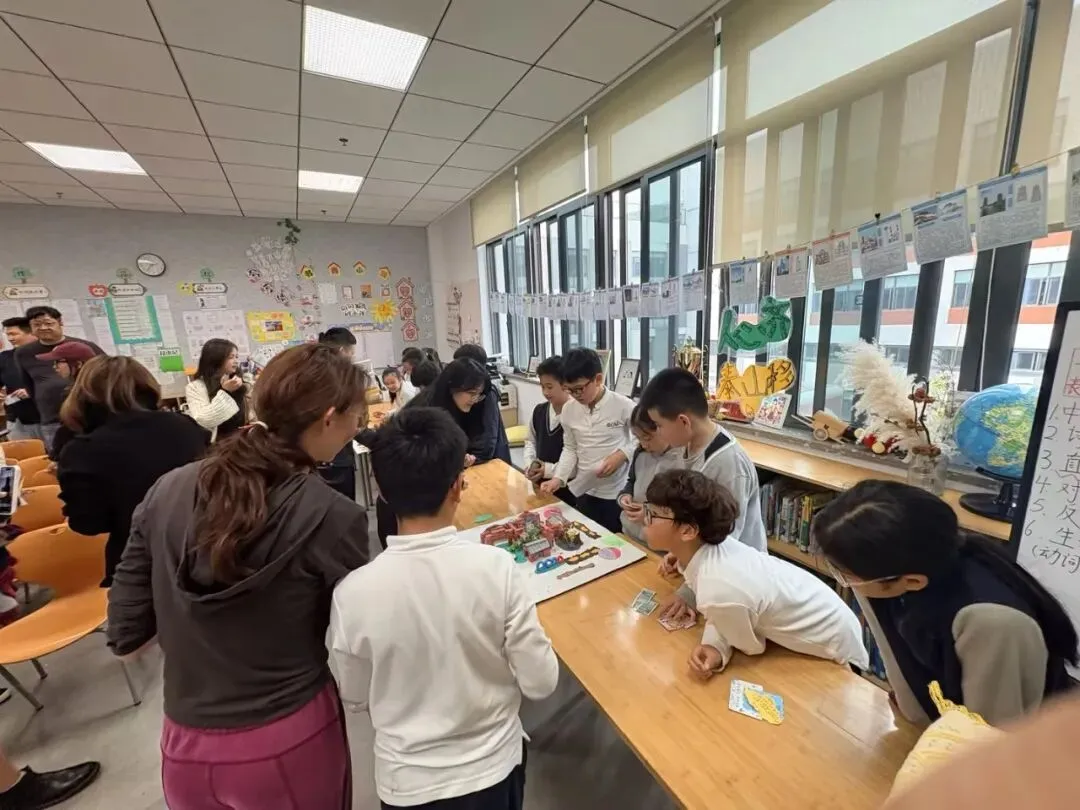
西门如何实现人车分流,让校园更安全?下雨天的动线怎么设计更合理?学校的流浪动物可以安置在哪里?……从“为什么改”到“怎么改”,从草图设计到模型搭建,在老师的指导下,孩子们一步步完成了具体的校园提案。
这些提案的内容非常精彩:有人搭建了雨棚和天桥;有人设计了上下层图书馆;有人为学校南门增设“小园林”;还有人专门为小动物规划了温馨的居住点……
No.2
老师化身“策展人”:
当孩子们像真正的建筑师一样
从多学科视角“解剖”建筑
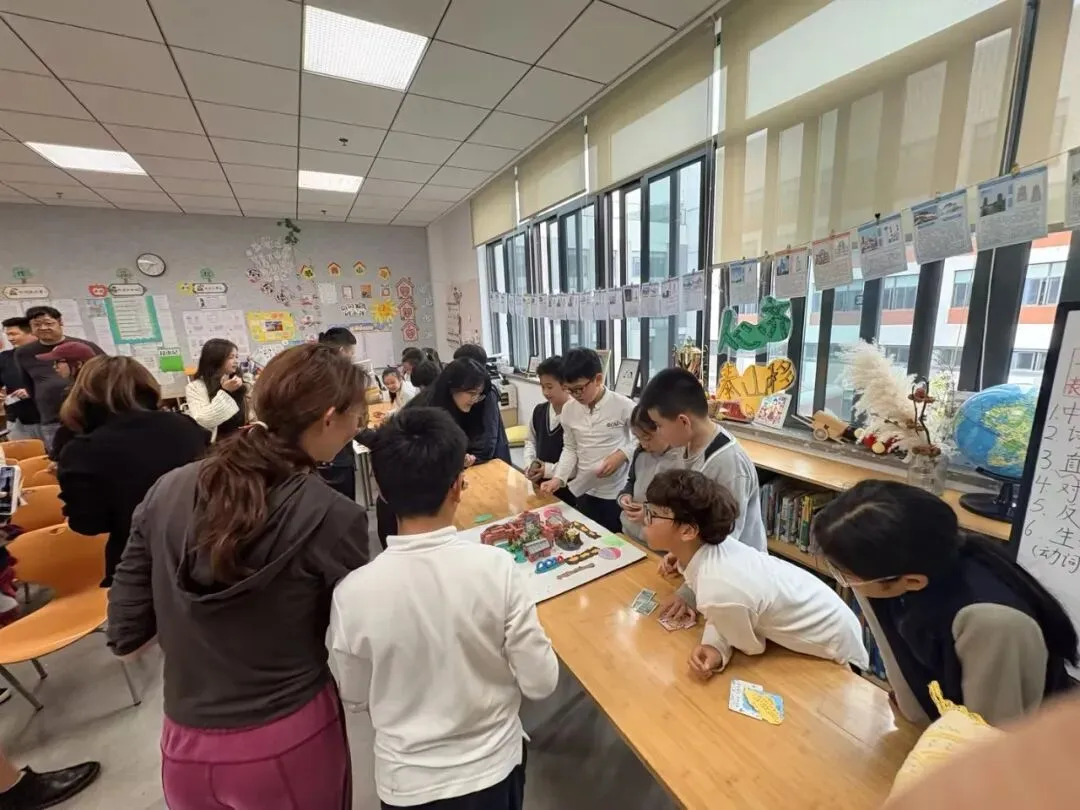
为了全面地呈现孩子们的探究之旅,各科老师们合力设计了一场沉浸式的探究成果展。
教学楼走廊、探究墙、班级展板、视觉艺术区、科学展示区——这些校园空间,被老师们精心串联成一条“建筑博览会”的观展动线。
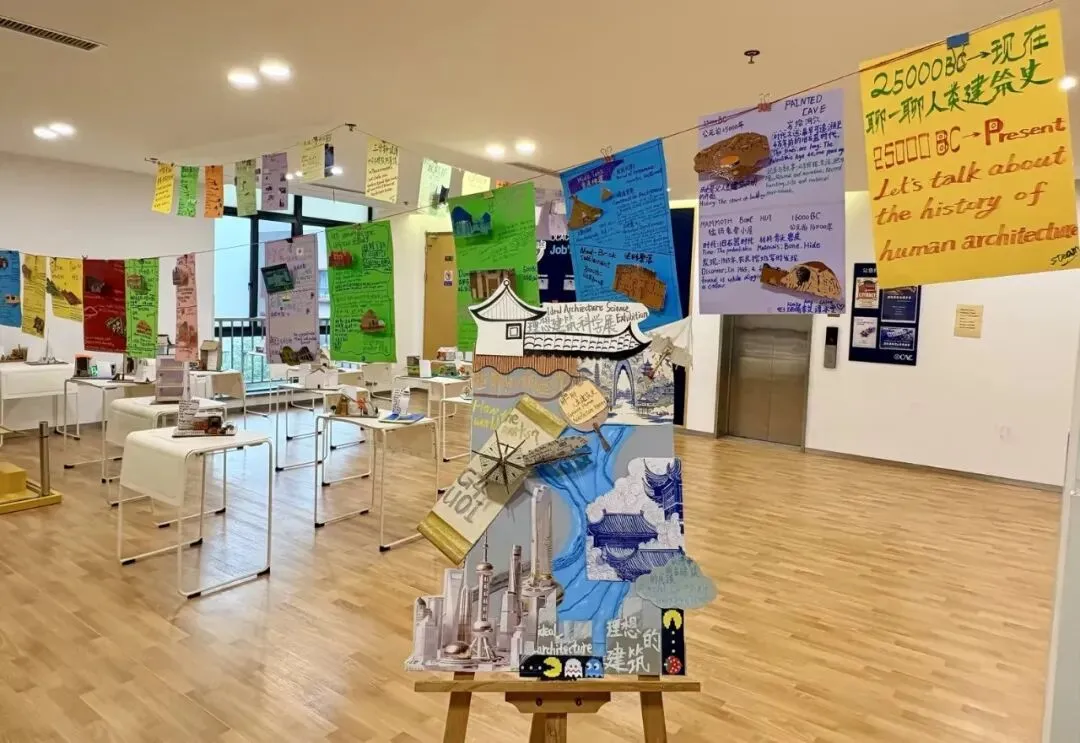
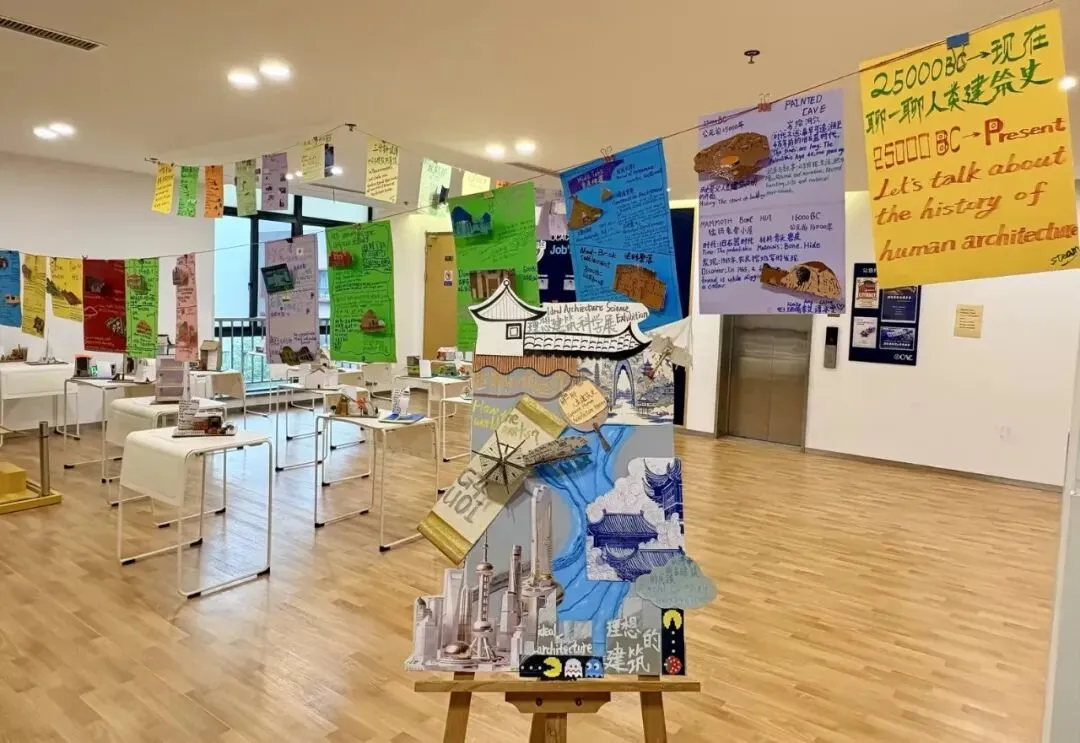
最“跃然纸上”——「著名建筑探秘展」:
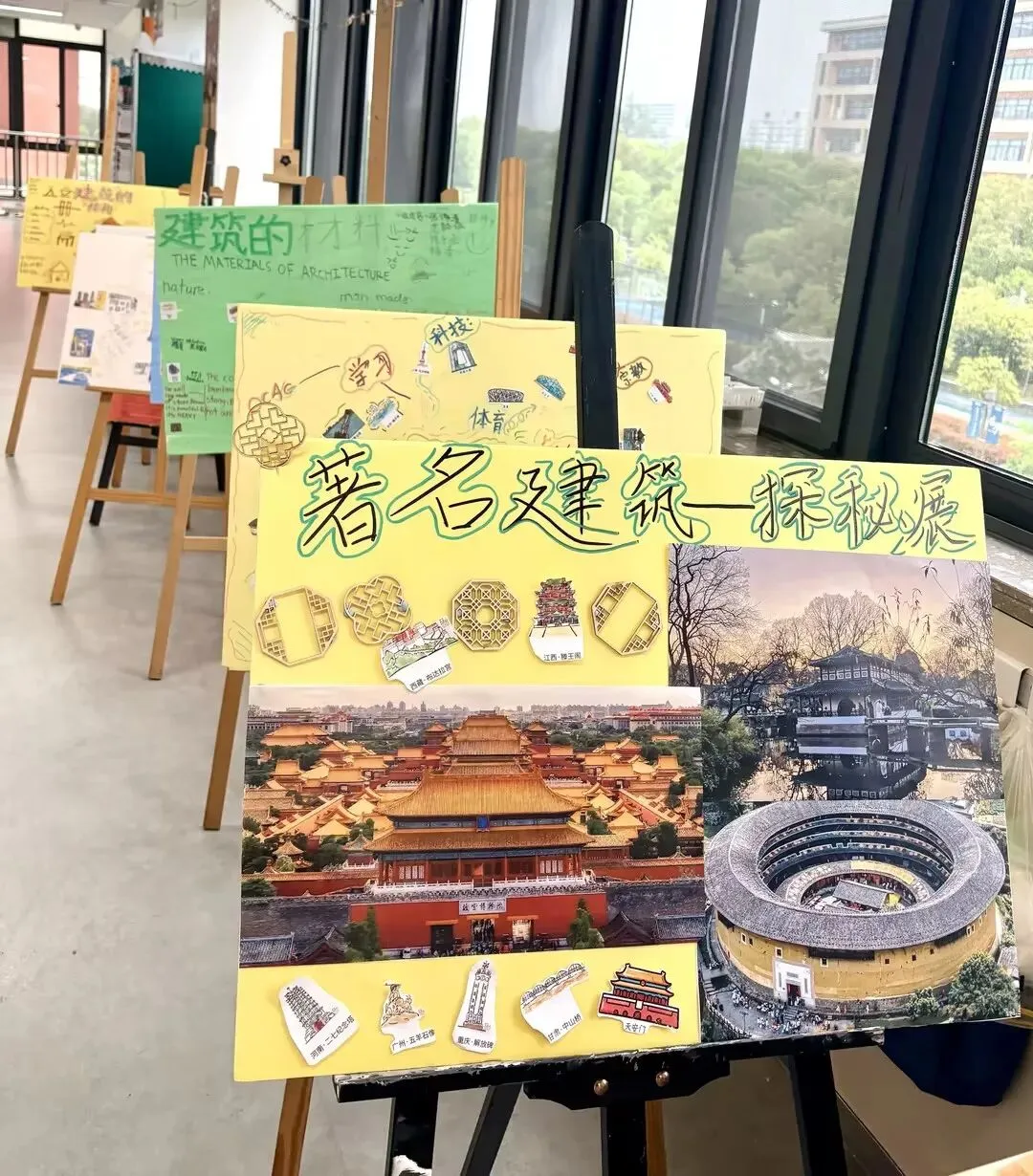
一本本立体书翻开,鸟巢的钢架、土楼的环形、故宫的金顶纷纷“跳出纸面”。孩子们的探秘笔记和手绘地图穿插其间,这可不是简单的手作,而是孩子们对“凝固的历史”最具象的理解。
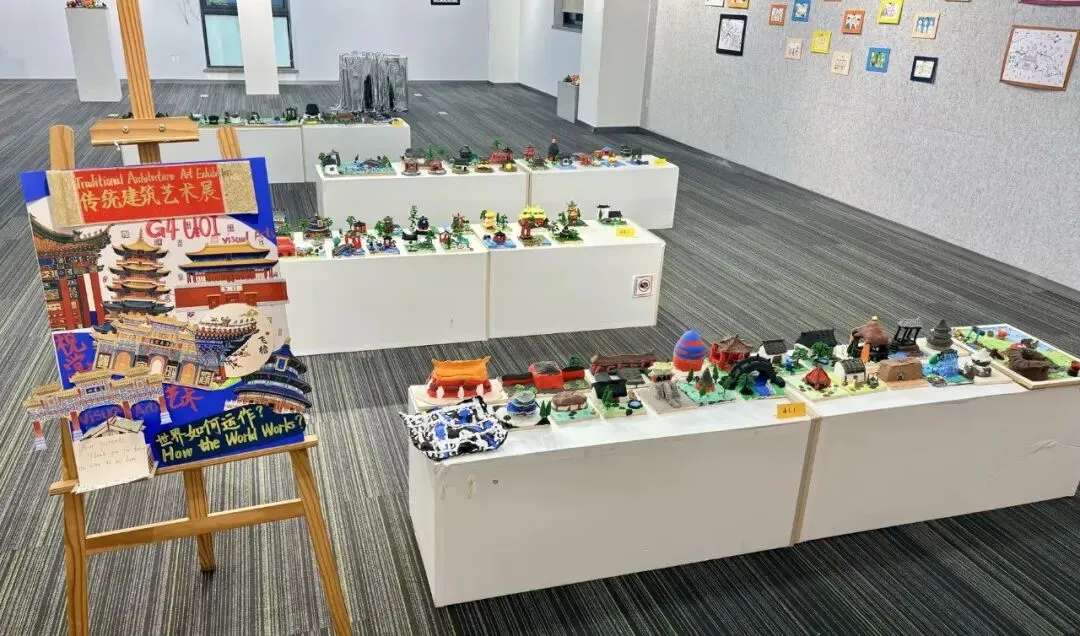
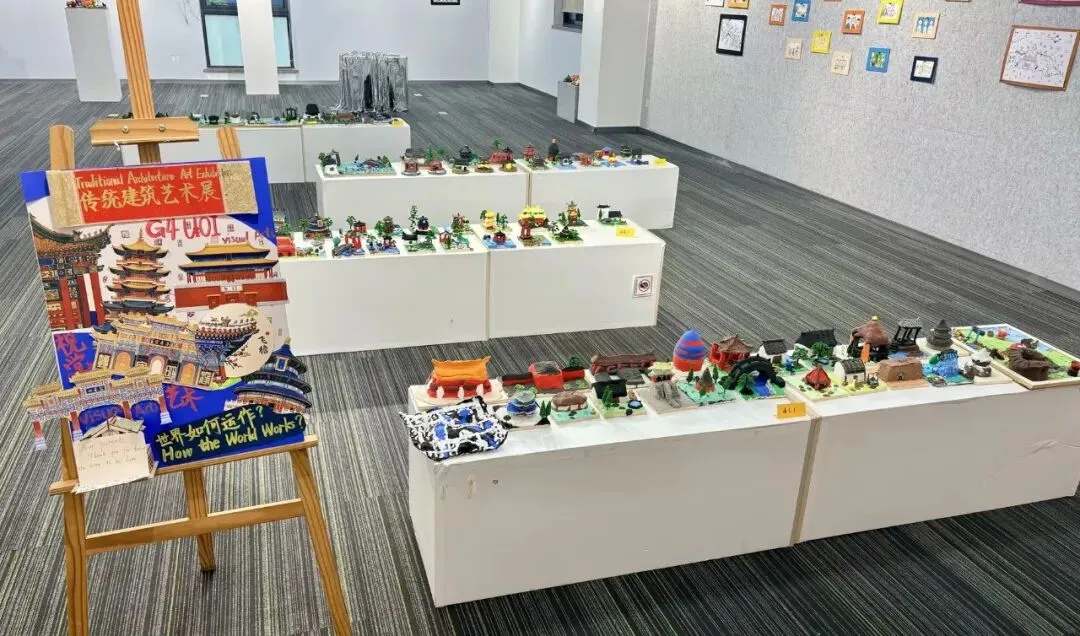
最“美轮美奂”——「传统建筑艺术展」:
陶泥在孩子们手中揉捏,亭台楼阁渐次成形。也许不是所有的细节都精致完美,但天坛、宝塔、拱桥……件件意趣盎然,流露出古典建筑的美感和韵味。
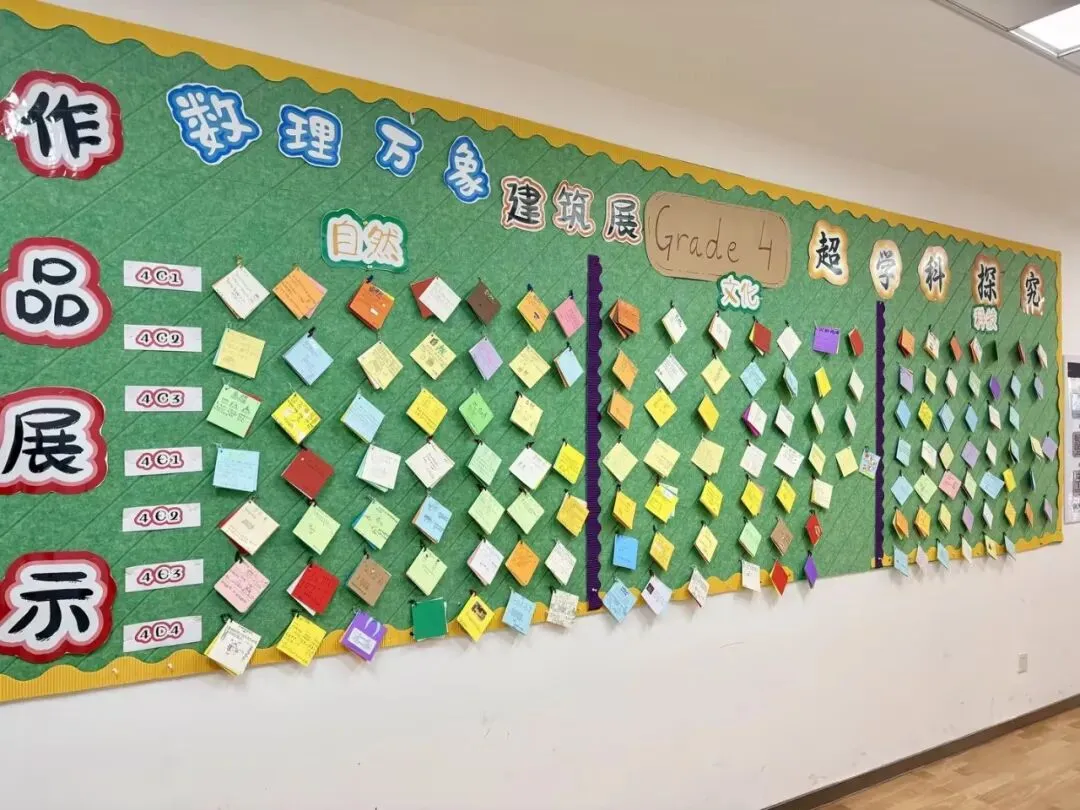
最“寻根究底”——「数理万象建筑展」:
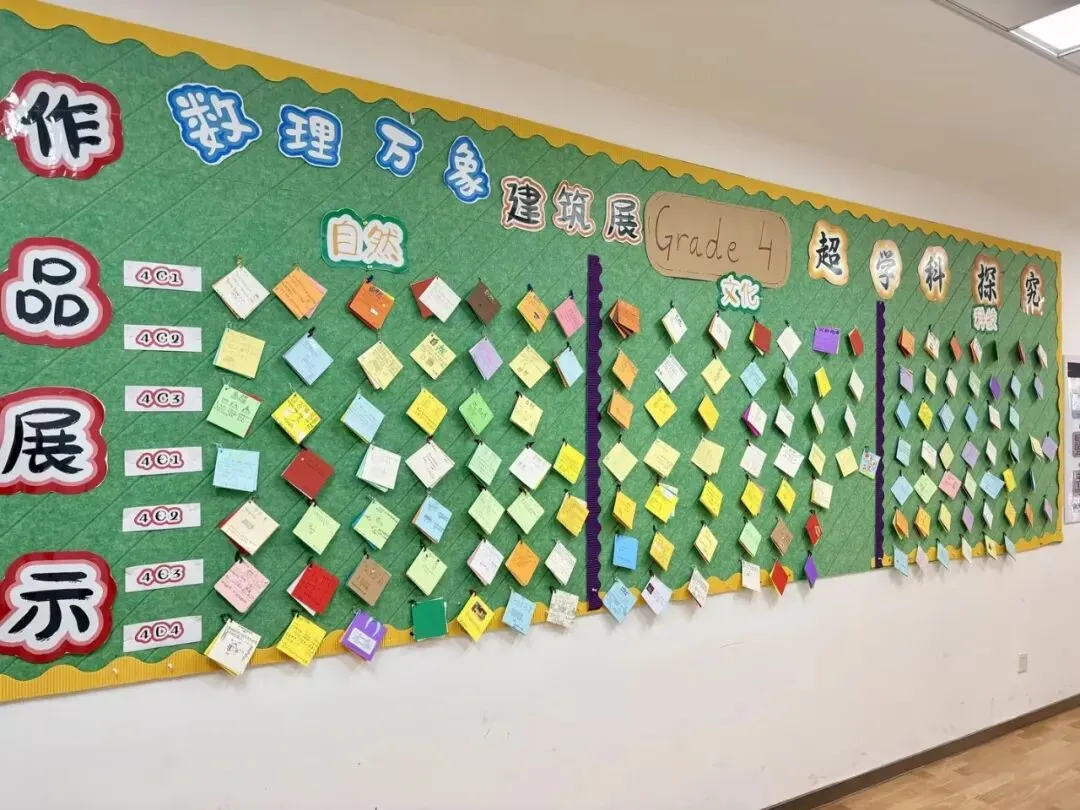
在这里,同学们呈现出自然、文化、科技等领域与建筑的跨界“反应”,以及自己的思考,比如:为什么徽派建筑的屋顶比较陡?东方明珠的结构中为什么有很多三角形?古建筑中的“数字自然谱系”有何寓意?……
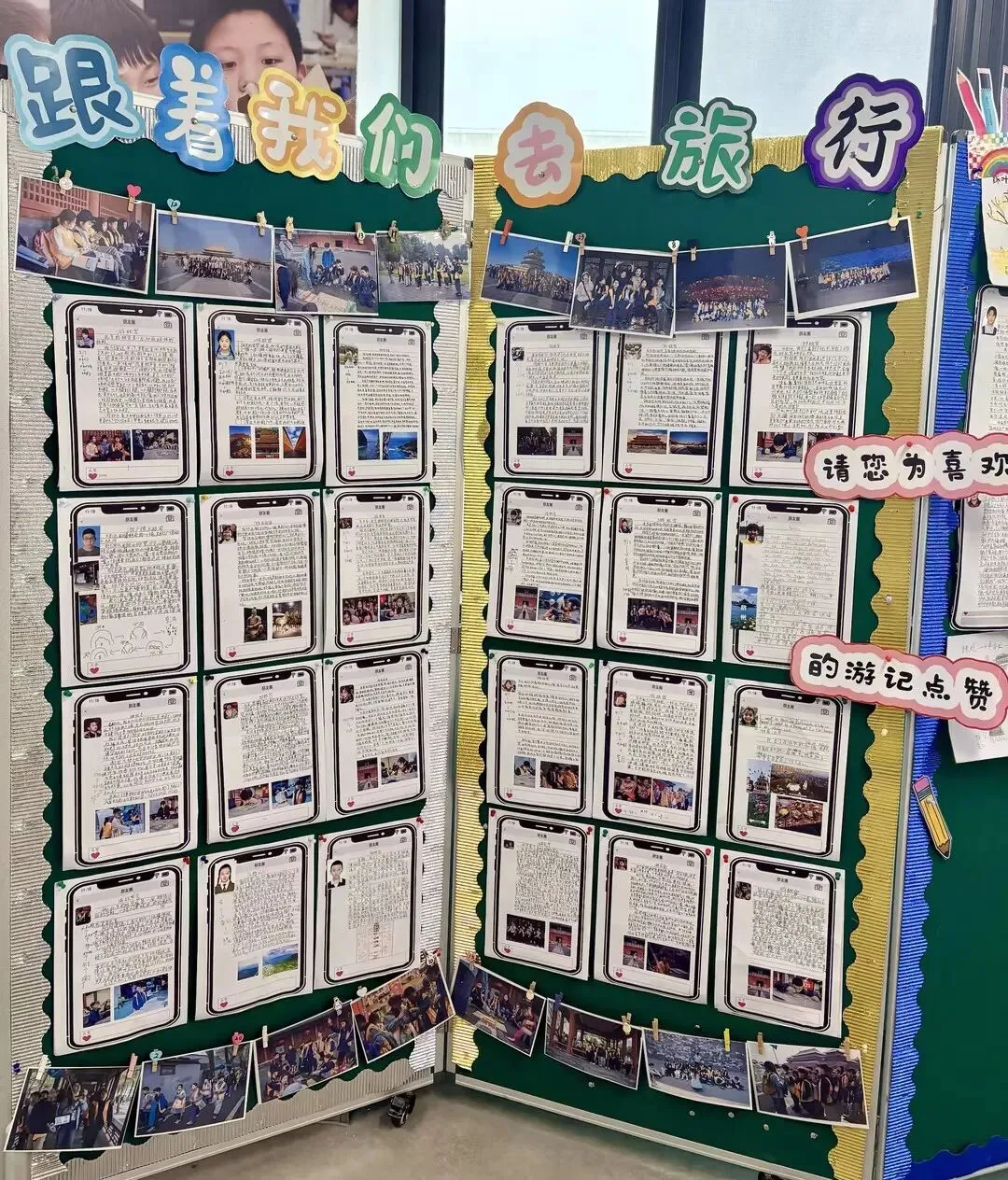
最“知行合一”——「跟着我们去旅行——游记展」:
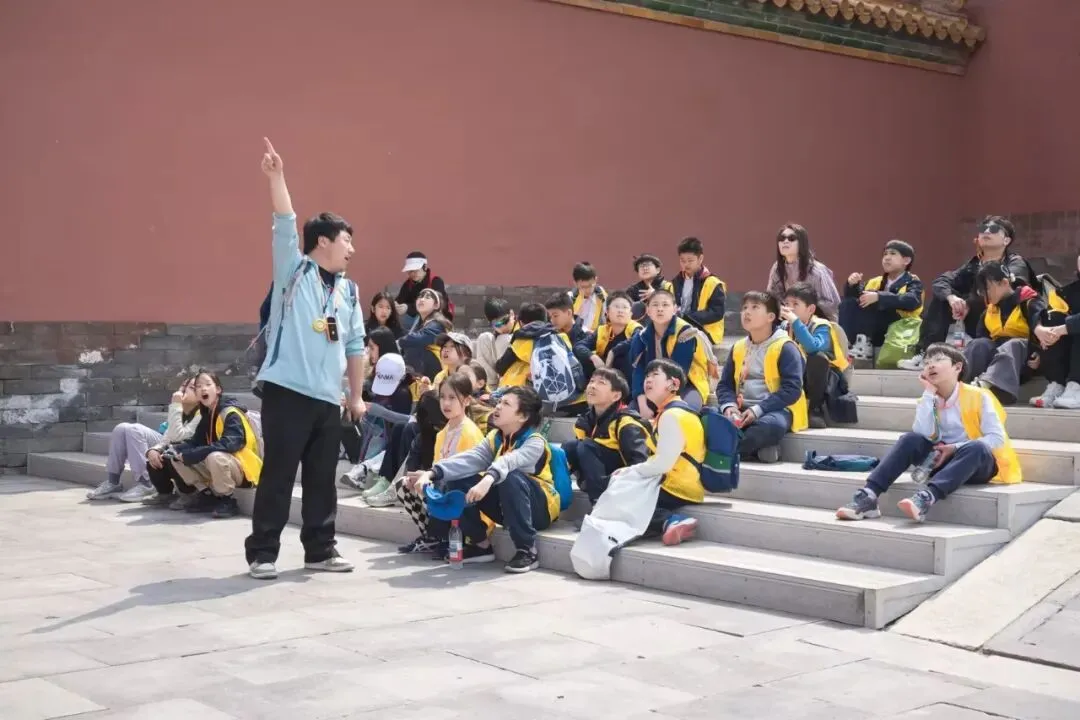
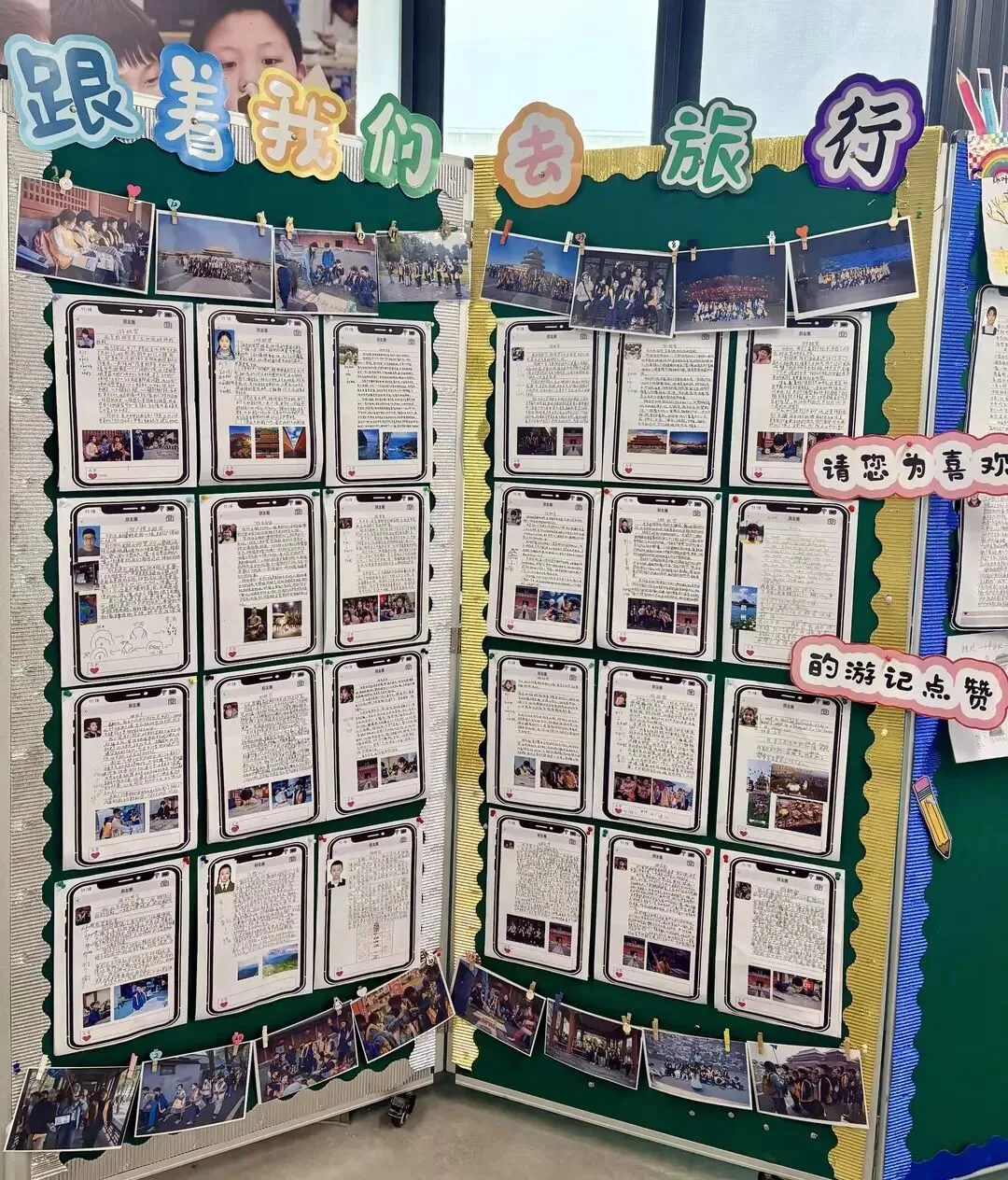
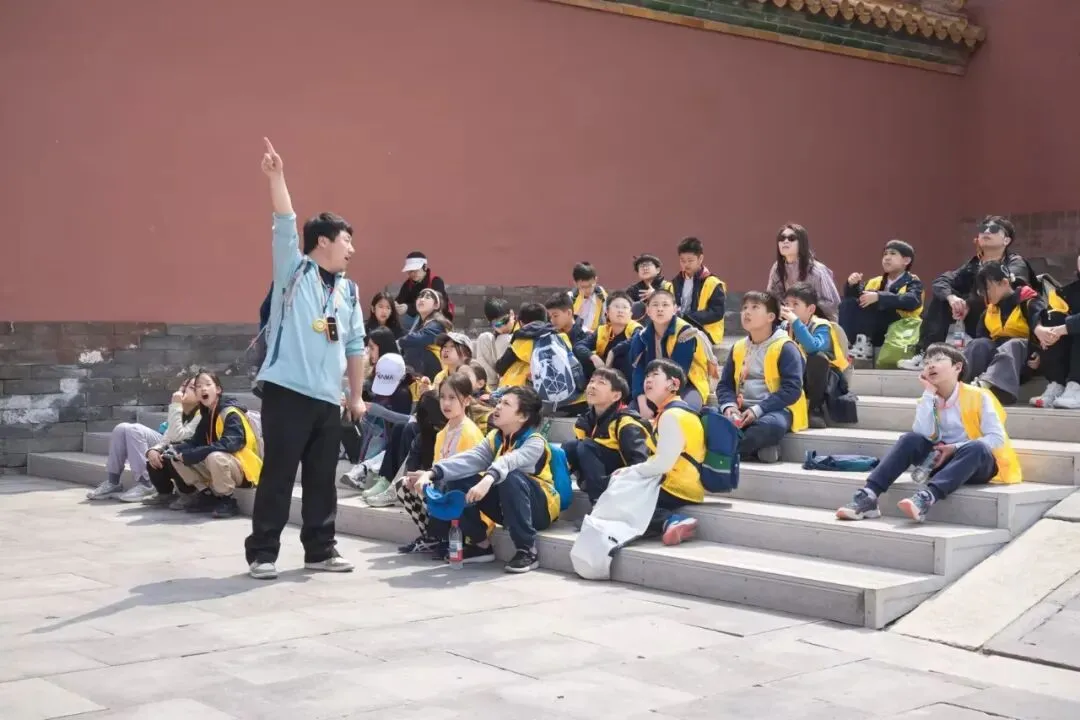
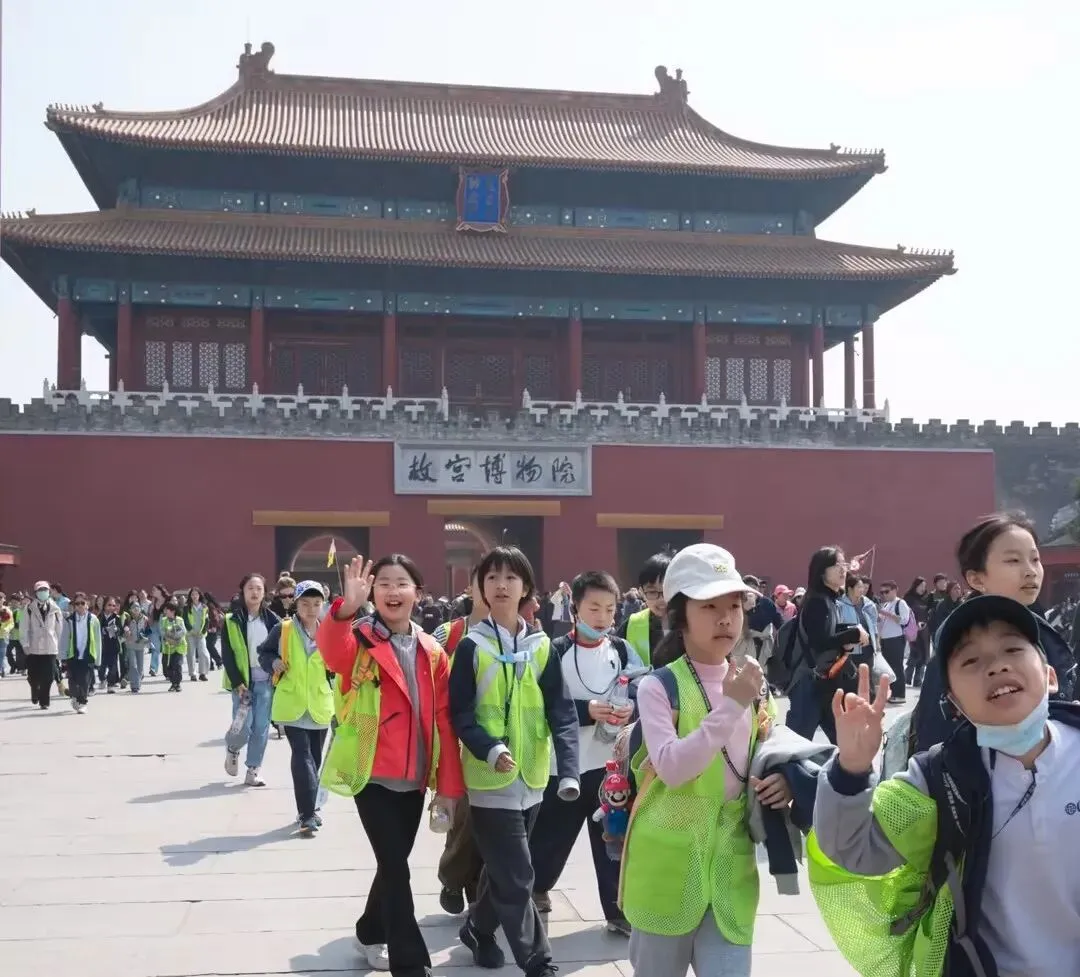
游记展中陈列着孩子们四天三晚“行走中的学习”——站在故宫、天坛下体会“对称之美”,在鸟巢的钢架间感受“结构之力”……在首都这个“沉浸式建筑课堂”,孩子们尝试读懂每一块砖、每一根梁。
最“未来可期”——「理想建筑科学展」:
在北京研学中,同学们见识了各式各样的传统屋顶。回来后,大家以手抄报搭配手工模型的形式,深入探究悬山顶、歇山顶、庑殿顶等多种传统屋顶的核心特征与用途。
更可贵的是,孩子们将古典建筑中汲取的精华,融入未来感十足的建筑模型设计之中——一座座“科幻级”的建筑构想由此落地生根。
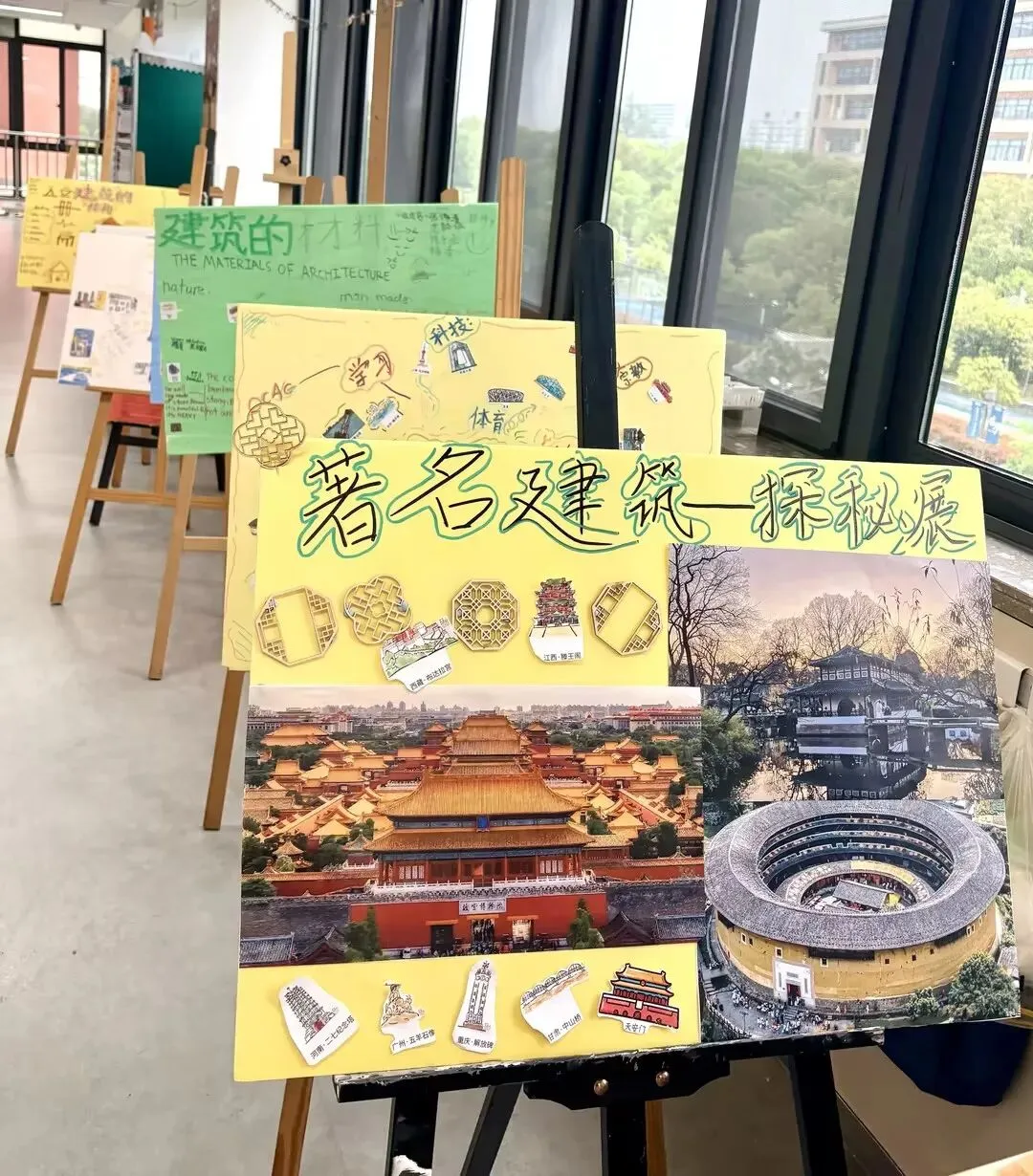
五个展览背后,是科学、艺术、数学、文化的深度融合。在老师的引导下,孩子们像真正的建筑师一样,用多学科视角“解剖”建筑:数学中的“对称与比例”,艺术中的“色彩与光影”,科学中的“环保与稳定”,文化中的“历史脉络与人文精神”……
No.3
最后,让我们“从头说起”……
“建筑博览会”结束后,有家长这样形容孩子们的状态——“眼睛放着光”。最触动他们的,不是这个展会的内容有多丰富、作品有多精致,而是孩子们身上那份由衷的兴奋与自信。
这份动人光彩的背后,是长达八周的探究历程。
一切从一张KWL(Know-Want-Learn)表格开始。孩子们写下对建筑的“已知”“好奇”与“想探索”,锚定自己的学习起点,也开启了一次完整的IB探究循环——从“提问”到“探索(仿生学、实地考察)”,从“分析(跨学科拆解建筑)”到“行动(校园改造)”,再到“反思(发布会后的投票与反馈)”——孩子们的学习,始终是主动的、沉浸式的、创造性的。
这大概,就是孩子们的“底气”所在。因为博览会上的每一件作品、每一次讲解,都是这一循环的自然结晶。在这里,学习“活”了起来,学生成为学习真正的主人。
周老师印象深刻的一个画面,是在北京研学时,孩子们面对着昆明湖,齐声背诵课文中的古诗,“竹外桃花三两枝,春江水暖鸭先知”;走在颐和园的长廊里,找寻精美彩画中的经典故事,想起“借问酒家何处有,牧童遥指杏花村”……
很多在教室里学过的内容,在古老建筑的屋檐下突然变得鲜活。
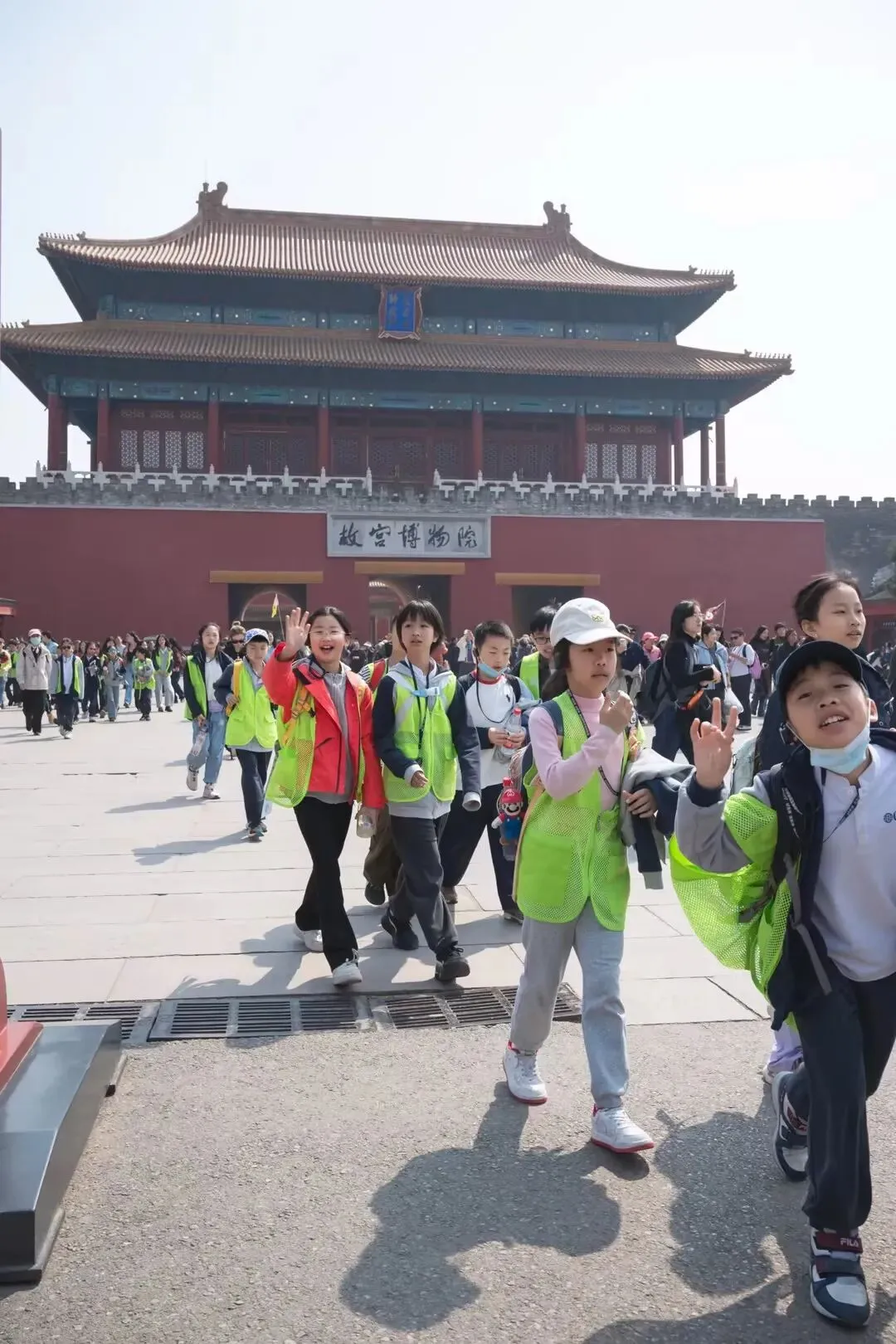
在这趟探究之旅告一段落时,老师们希望大家收获的,不仅是建筑知识,更是“用学习改变世界”的勇气与能力。
不论孩子们将来从事何种职业,此刻,在OCAC的校园里,他们已经用自己的双手和智慧,把“世界如何运作”这一宏大的命题,建造成了一座可以触摸、可以参与、可以继续生长的“建筑乐园”。
A press conference and five themed exhibitions—this is an "Architecture Expo" led entirely by students. More than just a showcase of inquiry results, it was a live broadcast of "how learning happens".

No.1
We often say students are the true masters of the school—this press conference made that vision tangible.
On this day, the Grade 4 classrooms were transformed into a "Project Press Conference" site. On stage, groups of "young architects" took turns presenting, backed by meticulously crafted slides, videos, and physical models. This was a student-led "OCAC Campus Renovation Project."
The "Angel Investors" (the parents) in the audience were surprised to find that these "roadshow" contestants—averaging just 10 years old—addressed a series of real campus "pain points" and proposed their own solutions:
· How can we separate pedestrians and vehicles at the West Gate for better safety?
· What is the most logical traffic flow design for rainy days?
· Where can we rehome the campus's stray animals?
…………
From the "Why" to the "How," and from sketches to scale models, the students completed concrete campus proposals step-by-step under the guidance of their teachers. The creativity was breathtaking: some built canopies and footbridges; some designed multi-level libraries; others added "miniature gardens" to the South Gate or planned cozy shelters for small animals……
No.2
Teachers as "Curators": When children dissect architecture like professionals through a multidisciplinary lens.
To fully present this journey of inquiry, teachers across various subjects collaborated to design an immersive exhibition. Corridors, inquiry walls, classroom boards, visual arts zones, and science display areas were carefully linked into a curated "viewing route."
The Most "Popping": Famous Architecture Pop-up Book Exhibition:
As 3D books were flipped open, the steel frame of the Bird’s Nest, the circular rhythm of Tulou dwellings, and the golden roofs of the Forbidden City literally leapt off the page. Interspersed with inquiry notes and hand-drawn maps, these were not just crafts, but the children's most vivid interpretations of "frozen history."
The Most "Exquisite": Traditional Architectural Art Exhibition:
Clay was kneaded in young hands until pavilions and terraces took shape. While not every detail was flawless, the Temple of Heaven, ancient pagodas, and arched bridges were full of character, radiating the aesthetic charm of classical architecture.
The Most "Inquisitive": Mathematical & Structural Logic Exhibition:
Here, students showcased the "cross-disciplinary reactions" between architecture and fields like nature, culture, and technology. They tackled questions like: Why are Hui-style roofs so steep? Why are there so many triangles in the Oriental Pearl Tower's structure? What is the hidden meaning of the "digital natural genealogy" in ancient buildings?
The Most "Hands-on": Travelogue Exhibition — "Follow Our Journey":
This section displayed the students’ "learning on the move" from their 4-day, 3-night trip to Beijing. They stood beneath the Temple of Heaven to feel the "beauty of symmetry" and navigated the Bird’s Nest to witness the "power of structure." In this "immersive classroom" of the capital, they tried to read the stories within every brick and beam.
The Most "Visionary": Ideal Architecture Science Exhibition:
After witnessing various traditional roofs in Beijing, students used posters and models to explore the core features and uses of styles like Xuanshanding (Hanging Gables), Xieshanding (Hip-and-Gable), and Wudianding (Hip Roofs). More importantly, they integrated the essence of classical architecture into futuristic, sci-fi-inspired designs.
Behind these five exhibitions was a deep integration of Science, Art, Mathematics, and Culture. Guided by teachers, the children dissected architecture like professionals: "Symmetry and Proportion" from Math, "Color and Light" from Art, "Sustainability and Stability" from Science, and "Historical Lineage and Humanistic Spirit" from Culture.
No.3
Finally, let’s go back to where it all began...
After the expo, one parent described the children as having "eyes shining with light." What touched them most wasn't just the richness of the exhibits, but the genuine excitement and confidence the students exuded.
This brilliance was the result of an eight-week inquiry journey. It all started with a KWL (Know-Want-Learn) chart. By anchoring their starting point with what they "curious about," they launched a complete IB Inquiry Cycle:
1. Questioning
2. Exploring (biomimicry, field research)
3. Analyzing (interdisciplinary deconstruction)
4. Acting (campus renovation proposals)
5. Reflecting (voting and feedback after the press conference)
Because every work and every explanation was a natural crystallization of this cycle, the students’ learning remained proactive, immersive, and creative. This is the source of their "inner confidence"—learning has "come alive," and the students have become the true masters of their education.
Ms. Zhou recalls a vivid moment during the Beijing trip: standing before Kunming Lake, the children recited ancient poems in unison: "Beyond the bamboo, two or three peach branches bloom; the ducks are the first to know as the spring river warms." Walking through the Long Corridor of the Summer Palace, they sought out stories in the exquisite paintings, reminded of the lines, "Where is a tavern to be found? A shepherd boy points to the apricot blossom village far away."
Much of what was learned in the classroom suddenly became vibrant under the eaves of ancient structures. As this journey concludes, the teachers hope that what remains with the students is not just architectural knowledge, but the courage and ability to change the world through learning.
Whatever career they choose in the future, right now, on the OCAC campus, they have used their hands and wisdom to turn the grand proposition of "how the world works" into a tangible, participatory, and ever-growing "Architectural Wonderland."

左右滑动以切换中英文

Swipe between Chinese and English