河豚
·
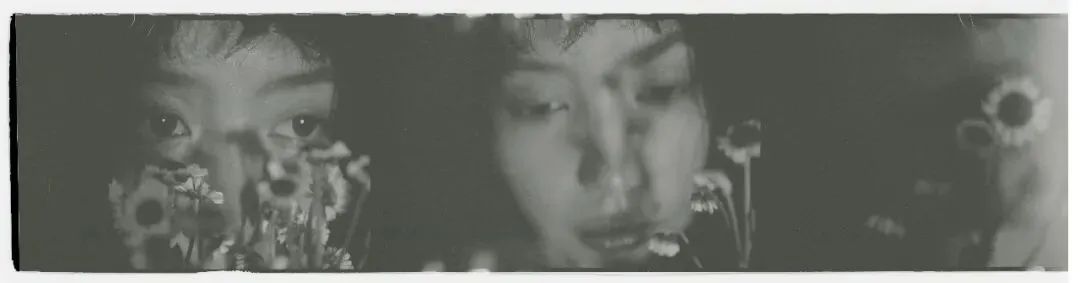
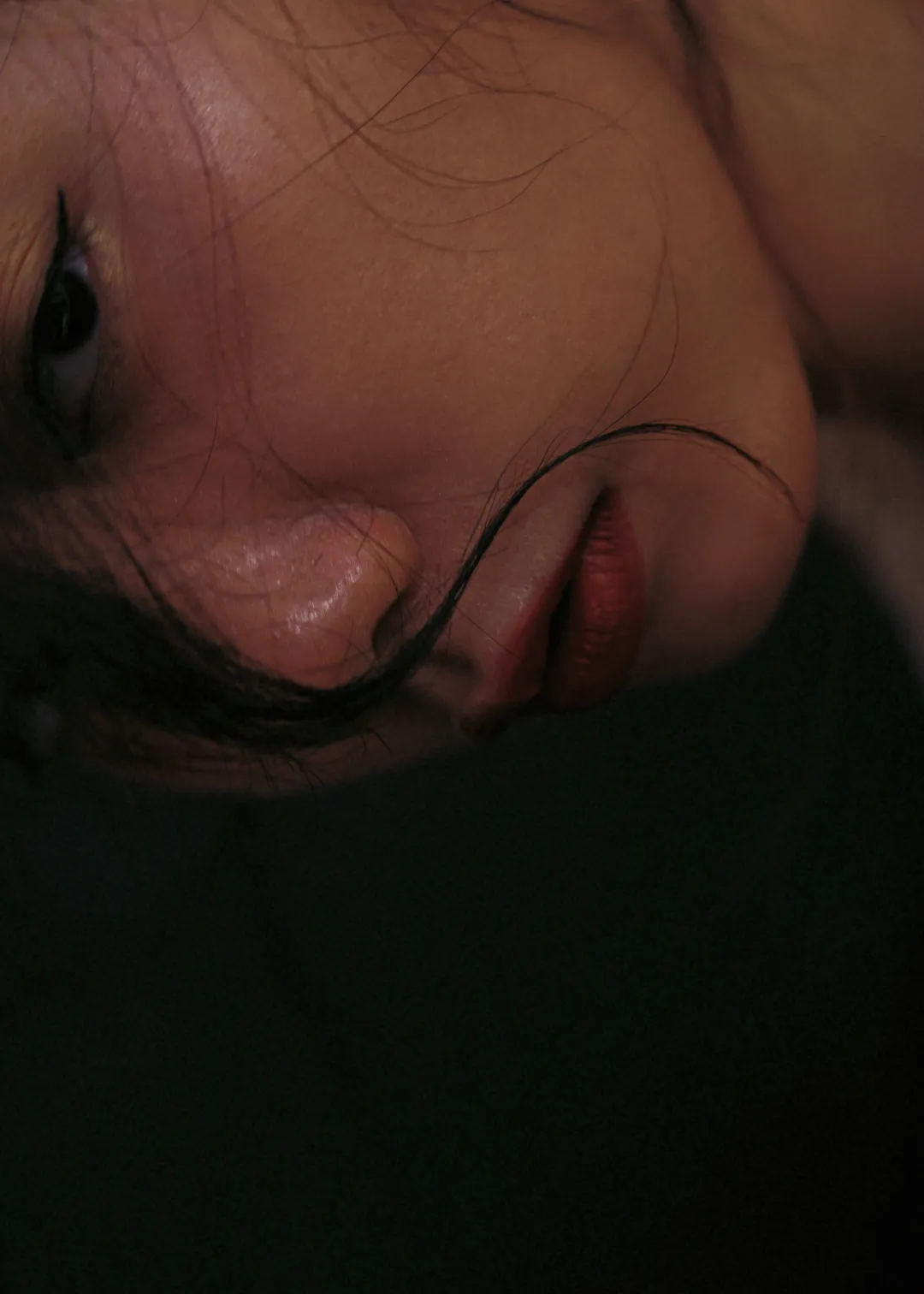
她被看见。
记得认识河豚是在厦门。
在一个乏味的书展之后,我們匆匆逃离出来,去了湖边拍照。
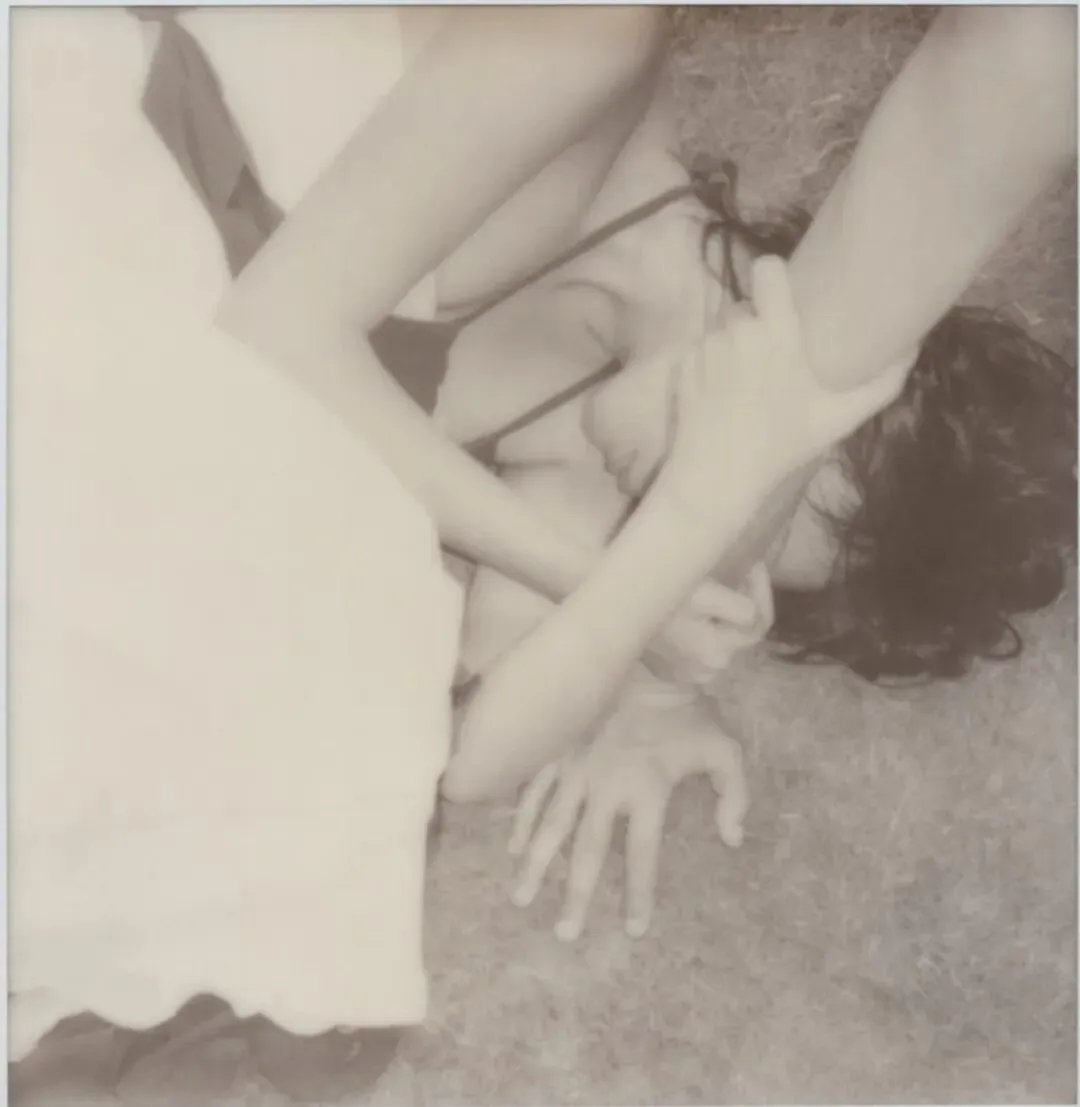
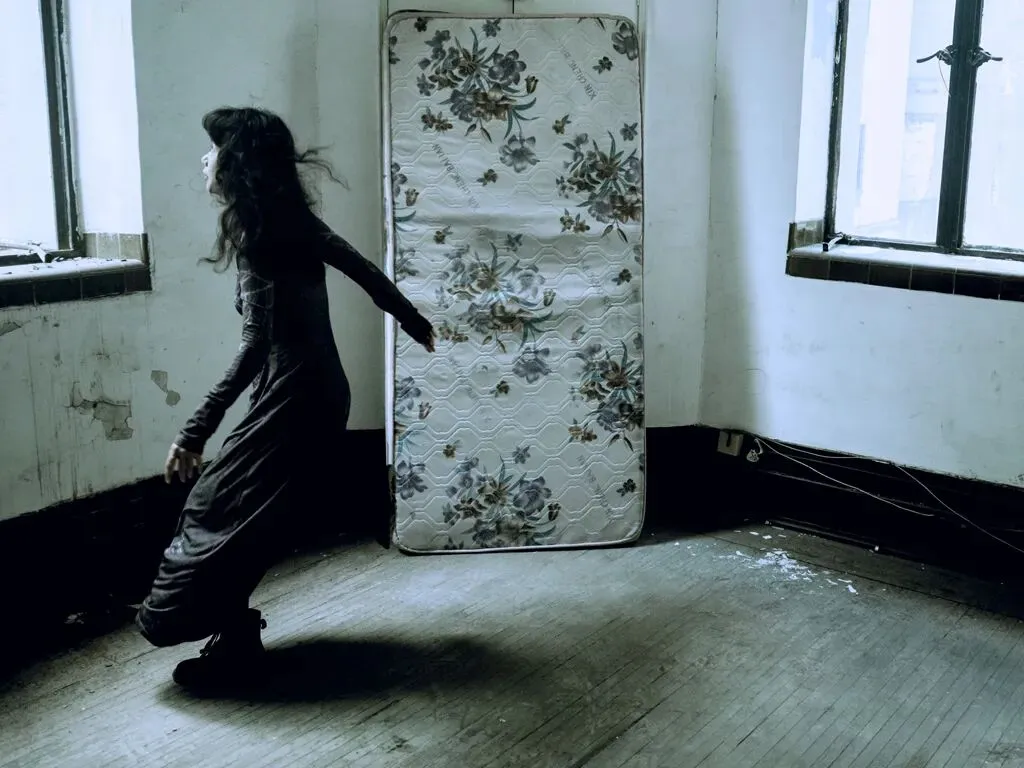
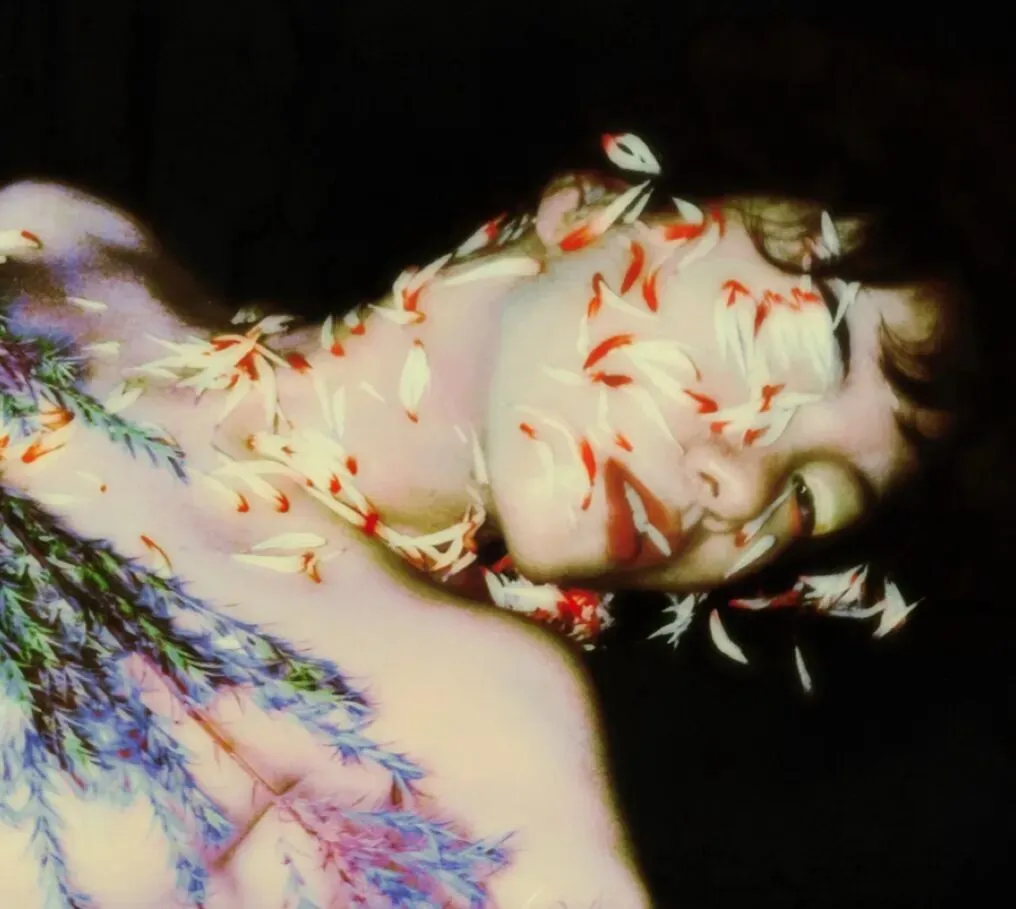
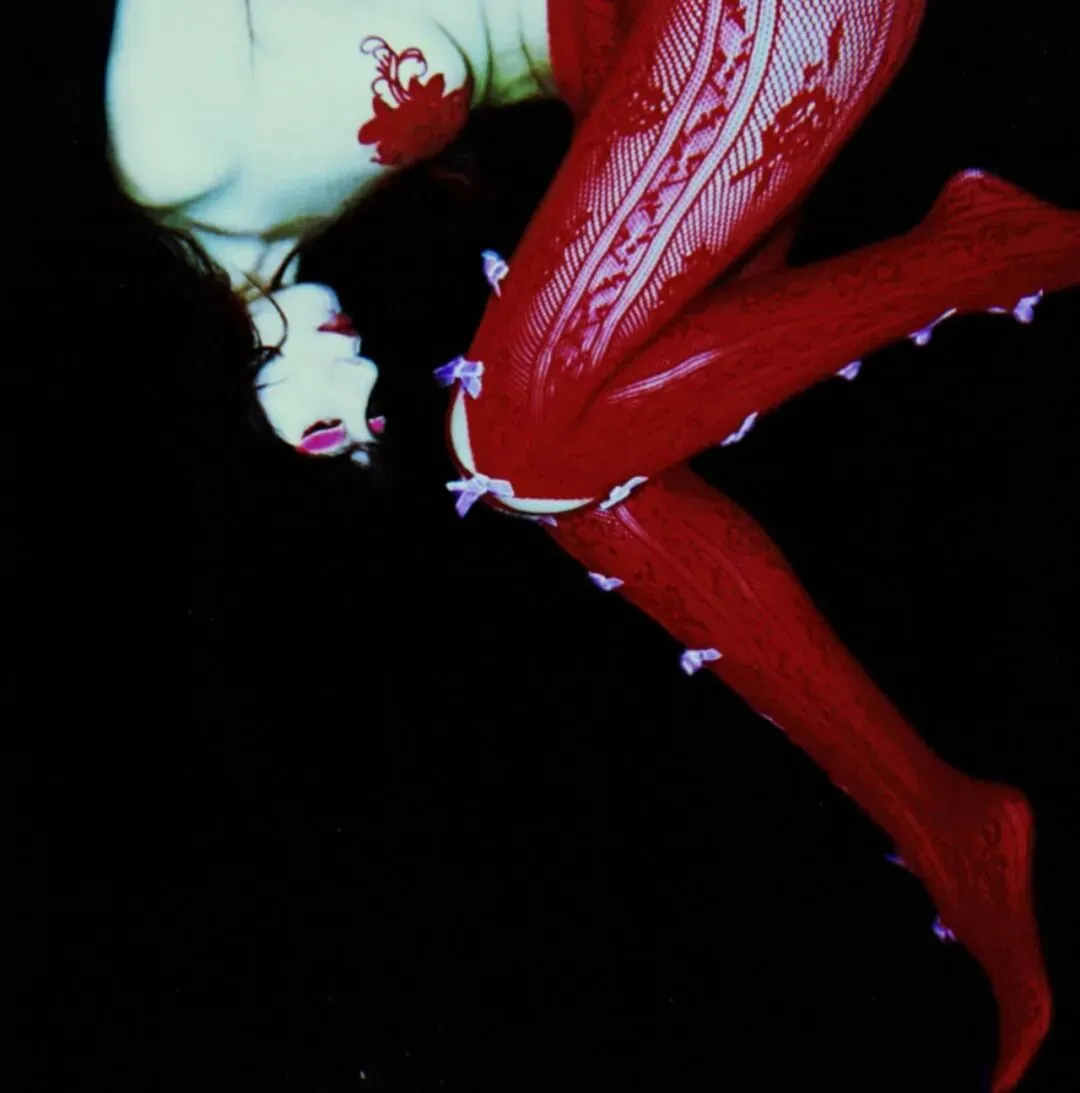
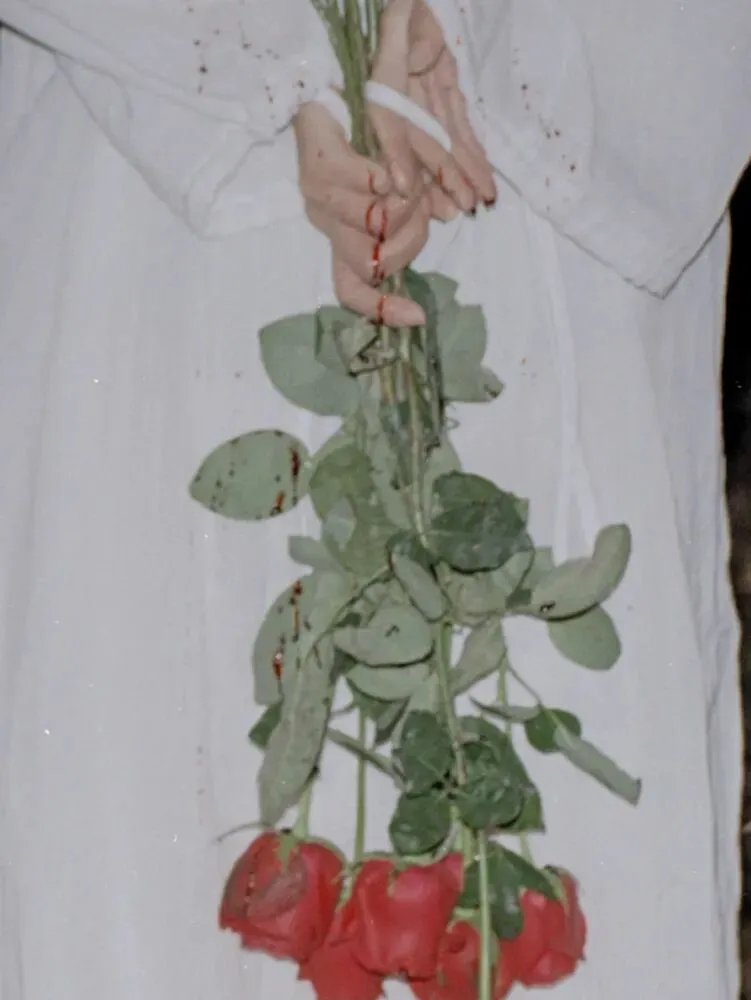
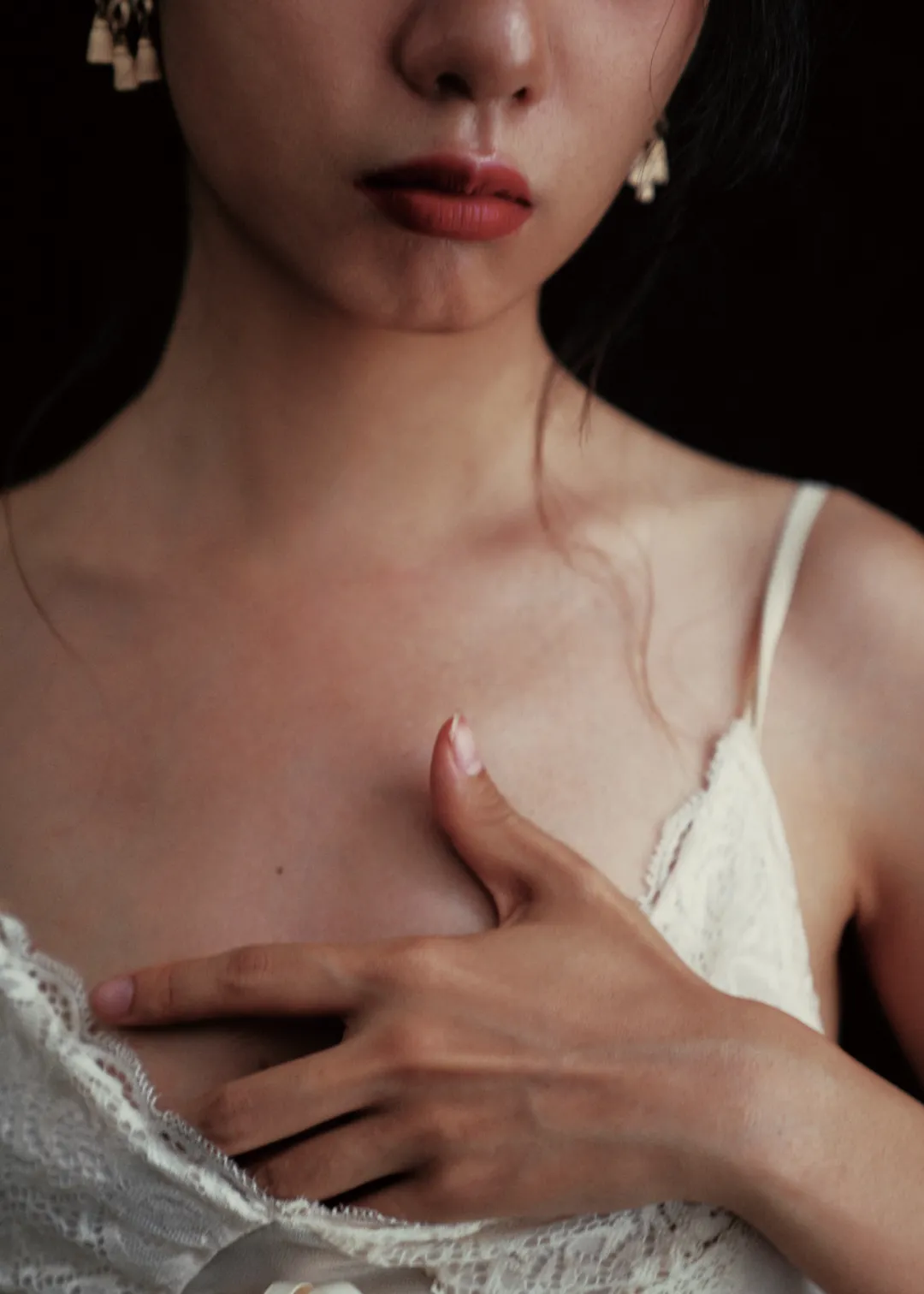
好像在不同的摄影师之间,她的身体像一块可以被反复书写的表面。
经验、欲望、判断,甚至某种已经被所谓的“正确观看方式”。
她与许多摄影师合作过,其中也包括一些已经被认可的名字。
于是,她不只是被看见。
她被理解。被解释。被归纳进某种已经存在的观看方式之中。
我们后来才慢慢意识到——
我们也是如此。
我们谈论影像,谈论生活,谈论身体与权力。我们引用他人的语言,借用他人的理论,小心地组织自己的表达。就像她曾经站在镜头前一样,我们也在某种“被观看的知识结构”之中,学习如何思考。
正如劳拉·穆尔维所指出的,在主流视觉结构中,“观看”从来不是中性的,它往往将被摄者置于“被看”的位置,使其成为意义的承载体,而非意义的生产者 。
正如关于“凝视”的讨论所揭示的:观看从来不只是看,它是一种关系,一种将人放置在位置中的方式——观看者与被观看者,在其中不断交换,却很少真正脱离这种结构
正如米歇尔·福柯曾以“全景敞视”描述一种结构:人被持续地看见,却无法回望,由此内化规训与秩序。在这样的机制中,“被观看者”往往成为被定义的对象,而非主动发声的主体 。
正如、正如、好像有太多正如......
她曾经在其中。
而我们,也在其中。
也许正因为如此,这次的转变才显得缓慢。
她没有突然成为创作者。
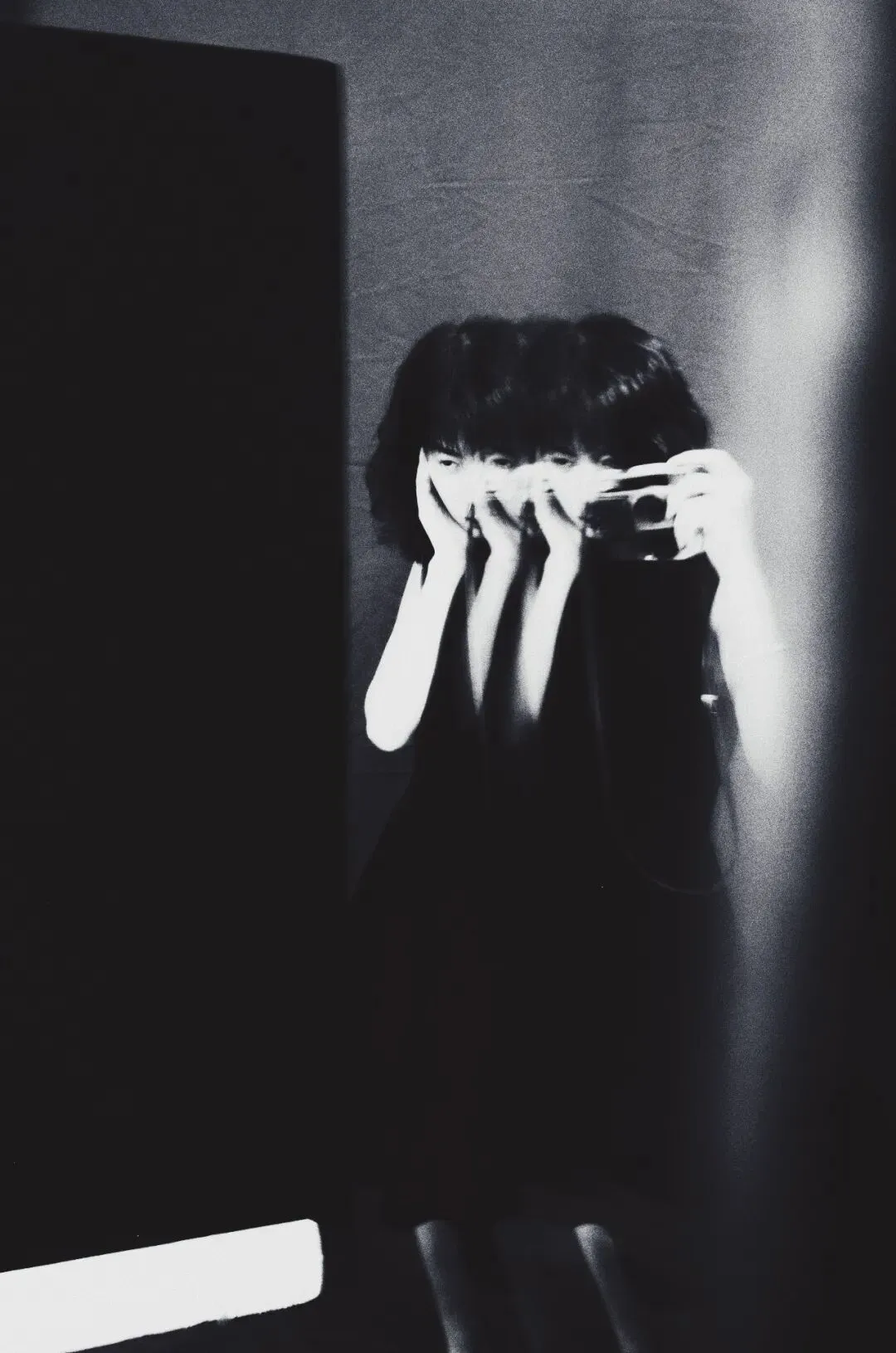
而是开始一点一点地偏离——从被观看的身体,移动到观看发生的地方。
她开始看。
看那些曾经落在她身上的目光,看那些被反复使用的方式如何塑造一个人。
而我们,也试图退后一步。
从那些熟悉的理论之中,从那些已经被说过的话之中,稍微离开一点。
不是拒绝它们,而是不再完全相信它们。
于是,这个展览变得更像一种迟疑的动作——
既关于她,也关于我们如何看她。
从厦门的那个夜晚开始,
她走出他人的光线。
而我们,尝试从他人的语言中,慢慢走出来。
——张益宁
·
關於創作者
Focus on creators
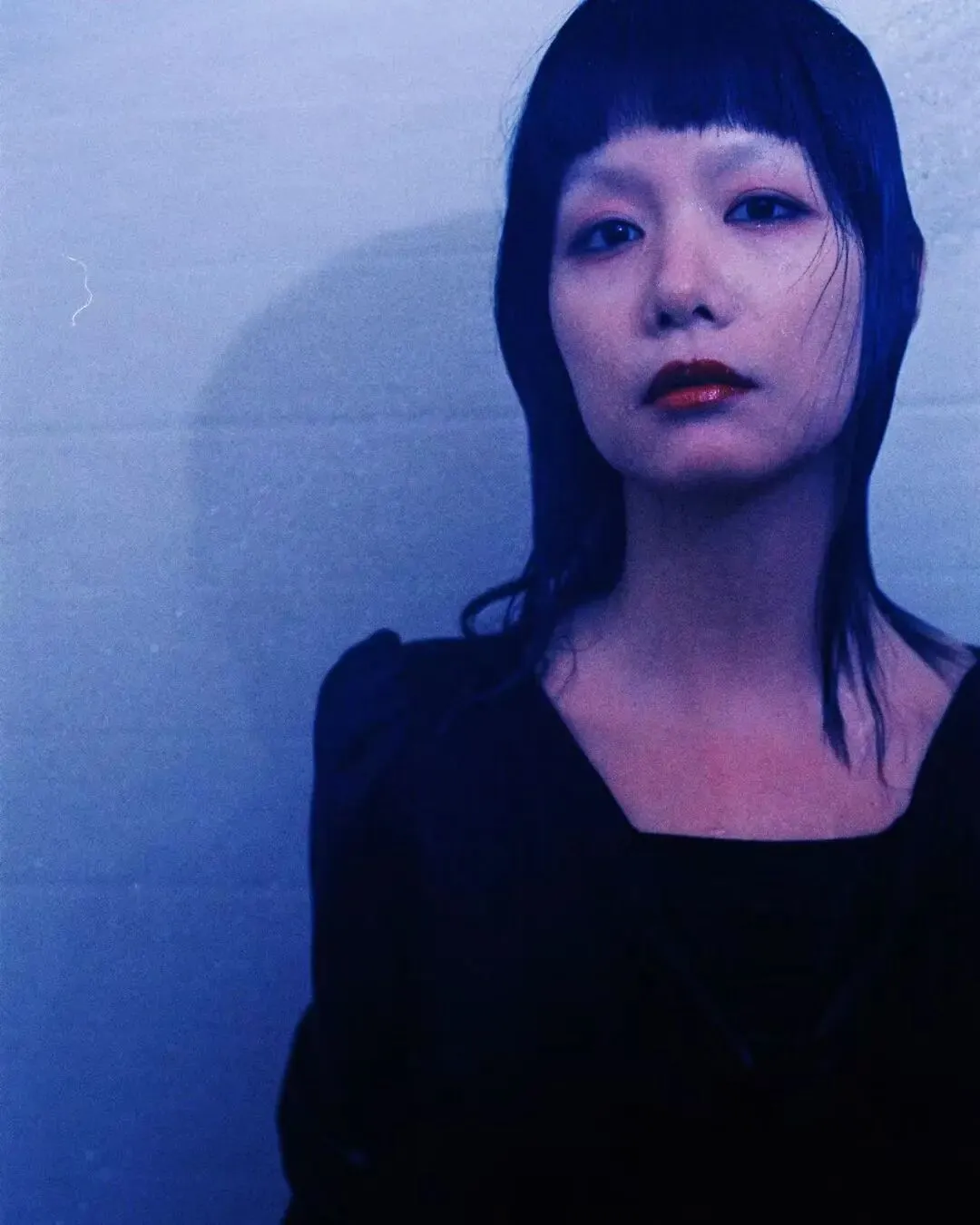
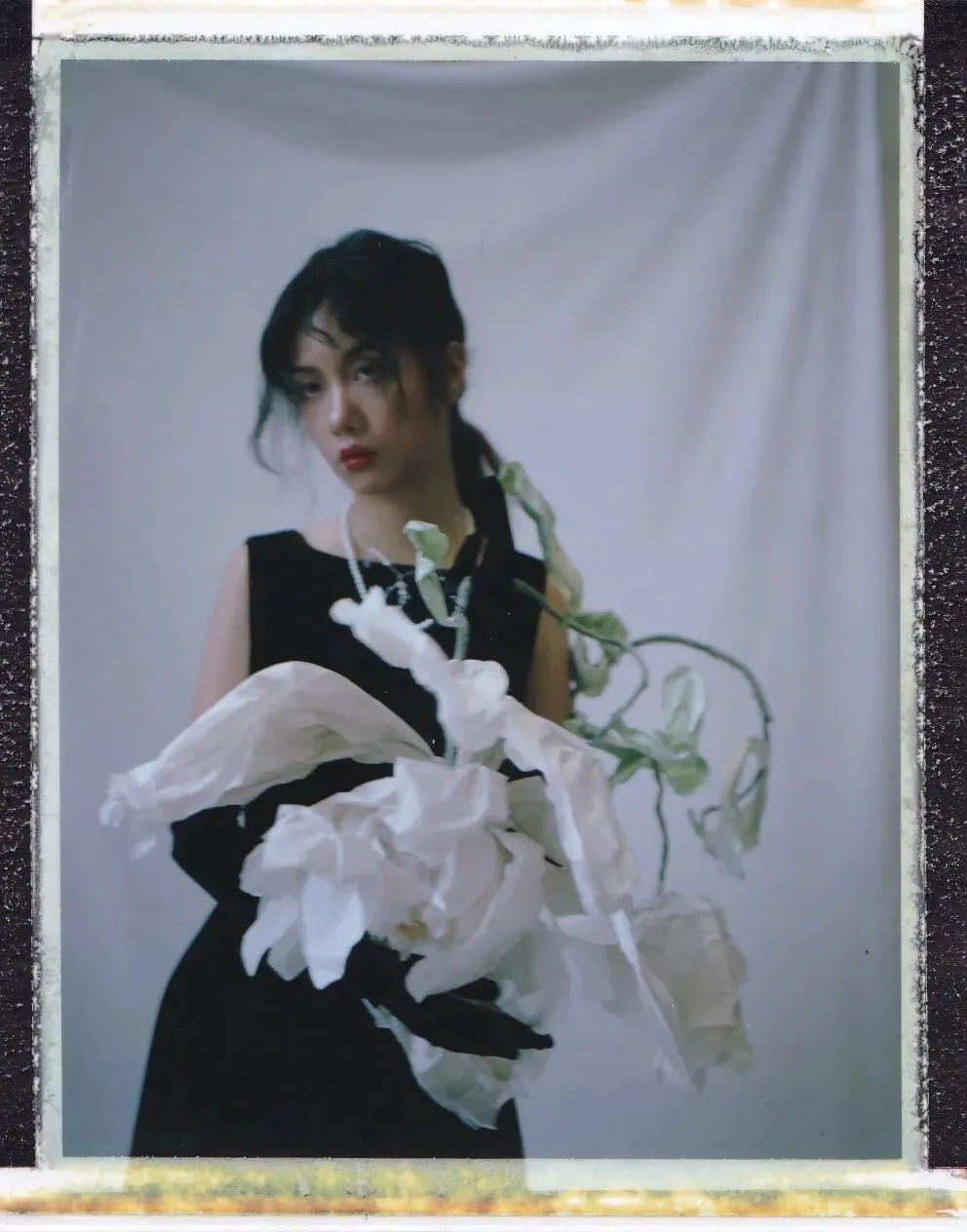
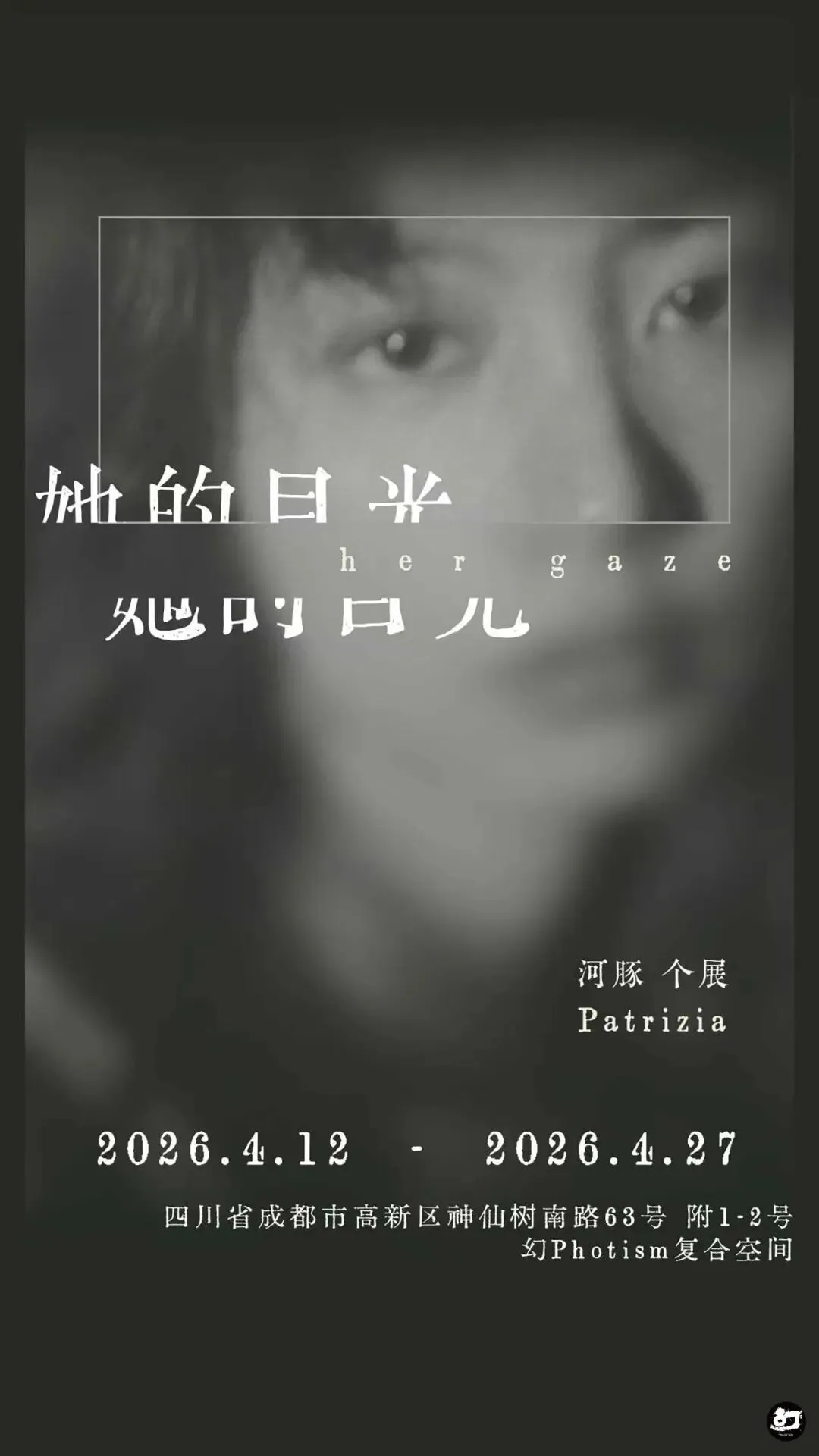
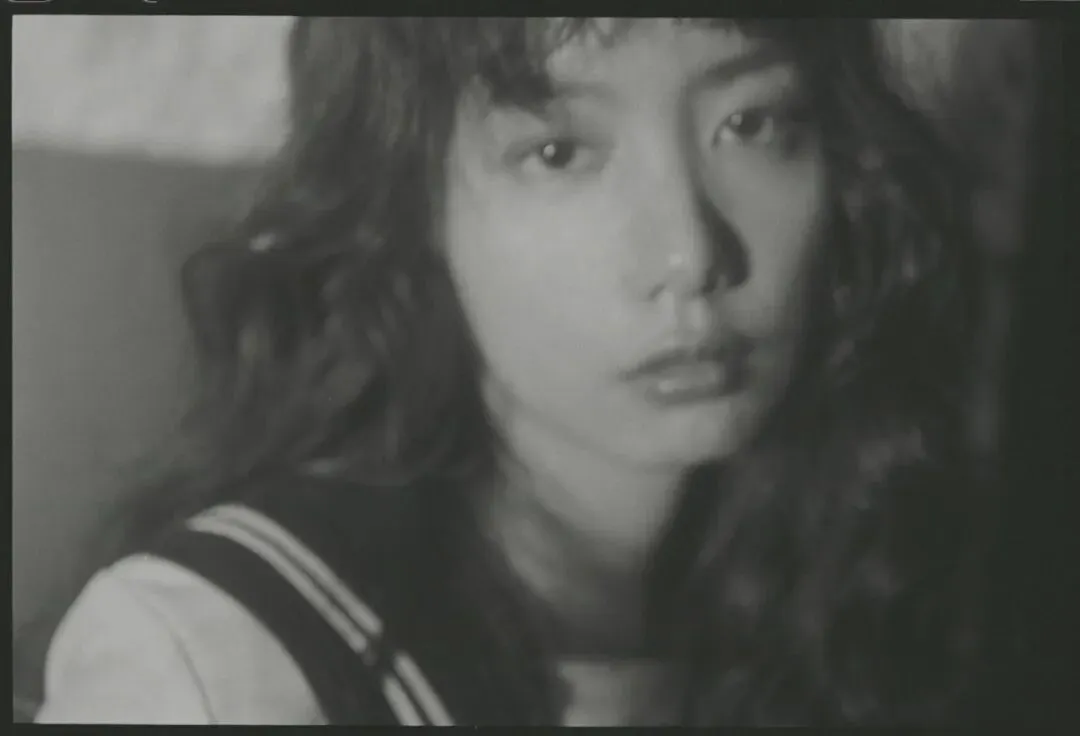
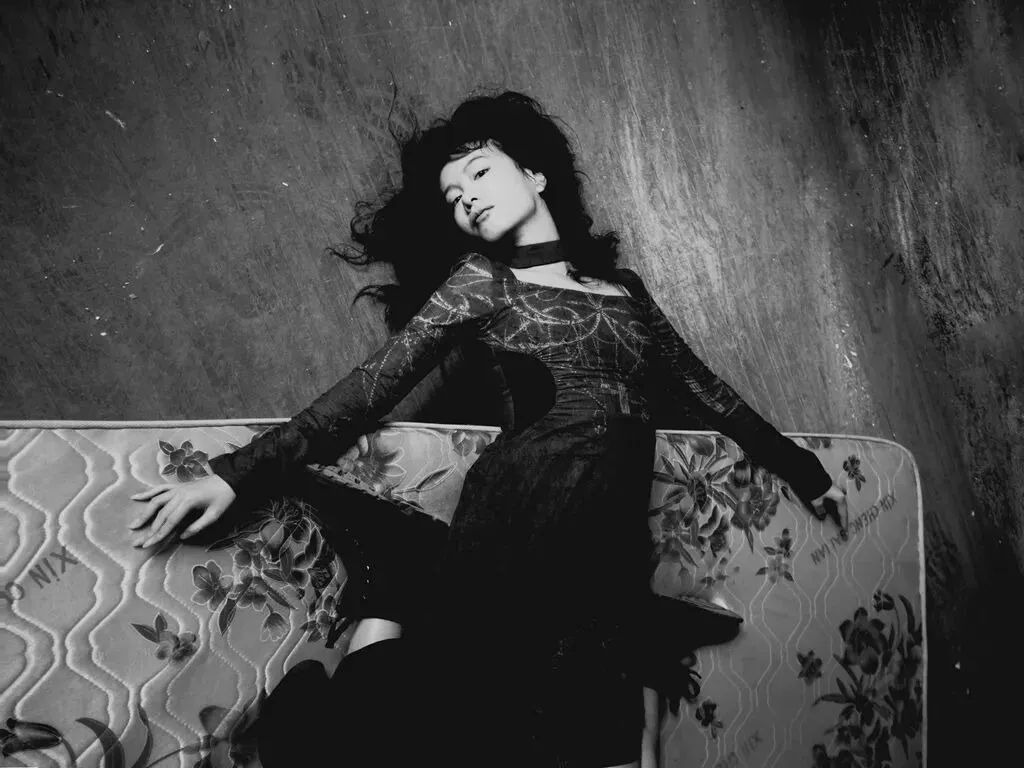
河豚,模特,被记录者
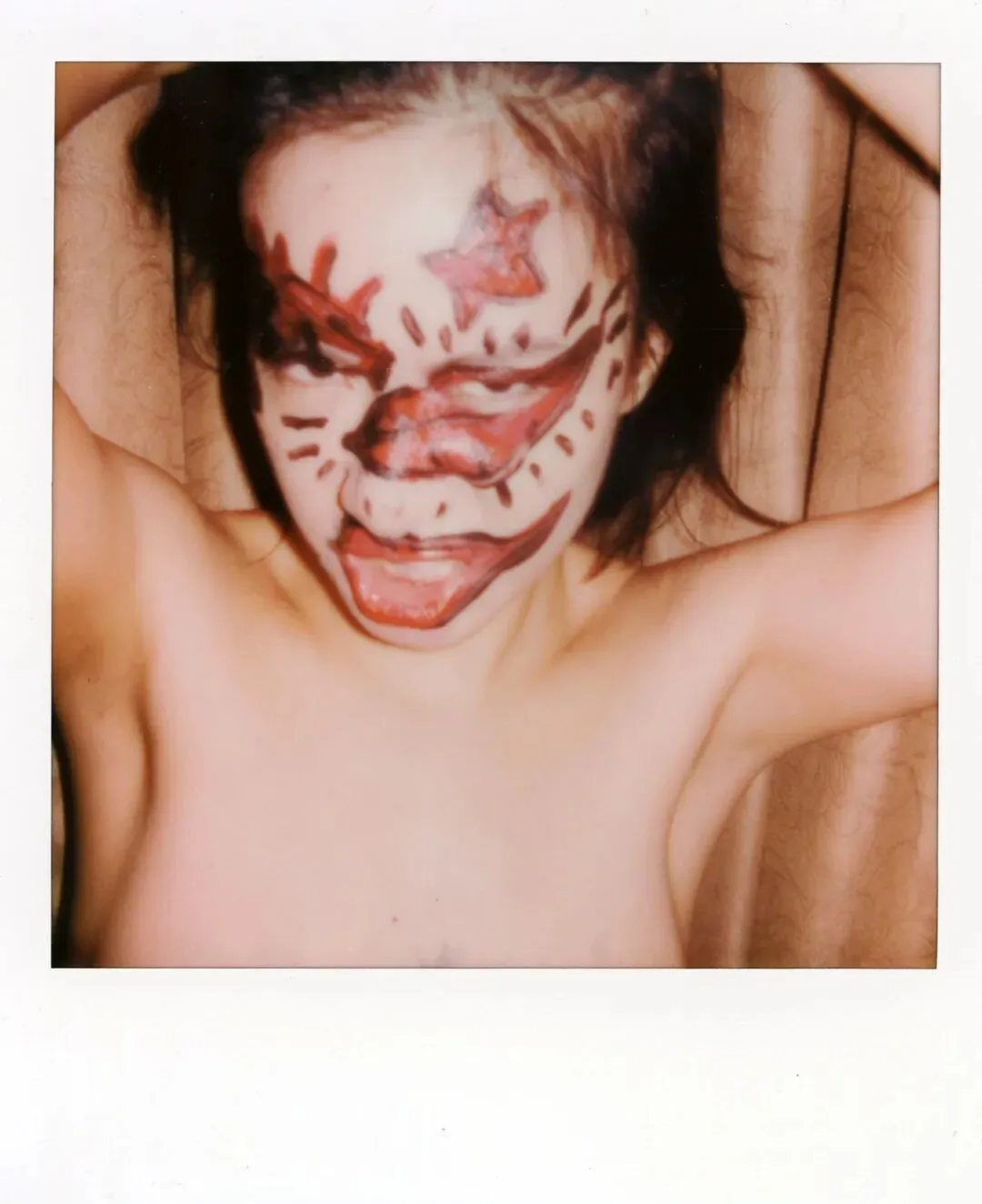
在过去的十数年时间里,坚持将出镜作为一种个人爱好,一种表达自我的方式,并认识了许多才华出色的摄影师,一起创作了数千张影像作品。他们透过镜头看到我,我也在相处过程中看到了他们。喜欢红色。
「 Her Gaze 」
Artists
·
Intro
Exhibition Introduction
I remember meeting Hetun in Xiamen.After a rather uneventful book fair, a group of us slipped away and went to the lakeside to take pictures.
The shutter flickered in the dark, like brief reflections on the water.
Back then, she was inside the frame.
She was being seen.
Between different photographers, her body became a surface—something that could be written over and over again.Experience, desire, judgment—甚至某种被默认的“正确观看方式” all inscribed themselves onto her.
She worked with many photographers, including some whose names had already been recognized and established.
So she was not only seen.
She was understood.
Interpreted.
Placed into an existing structure of seeing.
It took us some time to realize—
we were no different.
We talk about images, about life, about the body and power.We quote others, borrow theories, and carefully construct our own expressions.Just as she once stood before the camera, we too have been learning how to think within a certain “structure of knowledge shaped by being seen.”
As Laura Mulvey pointed out, visual structures are never neutral—they position the subject as something to be looked at, a carrier of meaning rather than its producer.
As discussions around the “gaze” suggest, seeing is never just seeing—it is a relation, one that places people into positions that are rarely escaped.
As Michel Foucault described through the idea of the panopticon: one is constantly visible, yet unable to return the gaze, gradually internalizing discipline and order.
And so—
she was within it.And we were within it too.
Perhaps for this reason, the shift did not happen all at once.
She did not suddenly become an artist.
Instead, she began to move—slowly—
from a body being looked at,toward the place where looking happens.
She began to see.
To see the gazes that once fell upon her,to see how images are formed,to see how repeated ways of seeing shape a person.
And we, too, try to step back.
To move slightly away from familiar theories,from what has already been said.
Not to reject them—
but to no longer fully believe in them.
This exhibition, then, feels more like a hesitant gesture—
about her,and about how we look at her.
From that night in Xiamen,
she stepped out of others’ light.
And we,try to step out of others’ language.
— Zhang Yining