
2026年4月12日,汇美艺术馆迎来摄影家李英杰个展“黄河东流”。李英杰曾长期工作生活在黄河沿岸,对社会发展过程中取得的成就、产生的问题、以及存在的矛盾有着深刻的洞察与思考,通过十六年田野调查式的摄影创作,李英杰从黄河源头一路东来,为我们呈现从农耕文明转向城市文明进程中面临的矛盾、撕裂与希望。展览由策展人李海洋担纲策划,通过信仰远去、自然博弈、生命追问和黄河草书几个章节呈现。
On April 12, 2026, Huimei Art Museum will present The Yellow River Flows East, a solo exhibition by photographer Li Yingjie. Having lived and worked along the Yellow River for an extended period, Li Yingjie possesses deep insight and reflection on the achievements, problems, and contradictions arising in the course of social development. Through sixteen years of fieldwork-based photographic practice, he has traveled from the source of the Yellow River all the way eastward, presenting to us the contradictions, ruptures, and hopes that emerge in the transition from an agrarian civilization to an urban one. Curated by Li Haiyang, the exhibition unfolds through several thematic chapters: Faith, The Human-Nature Game, Inquiries into Life, and The Yellow River in Cursive.
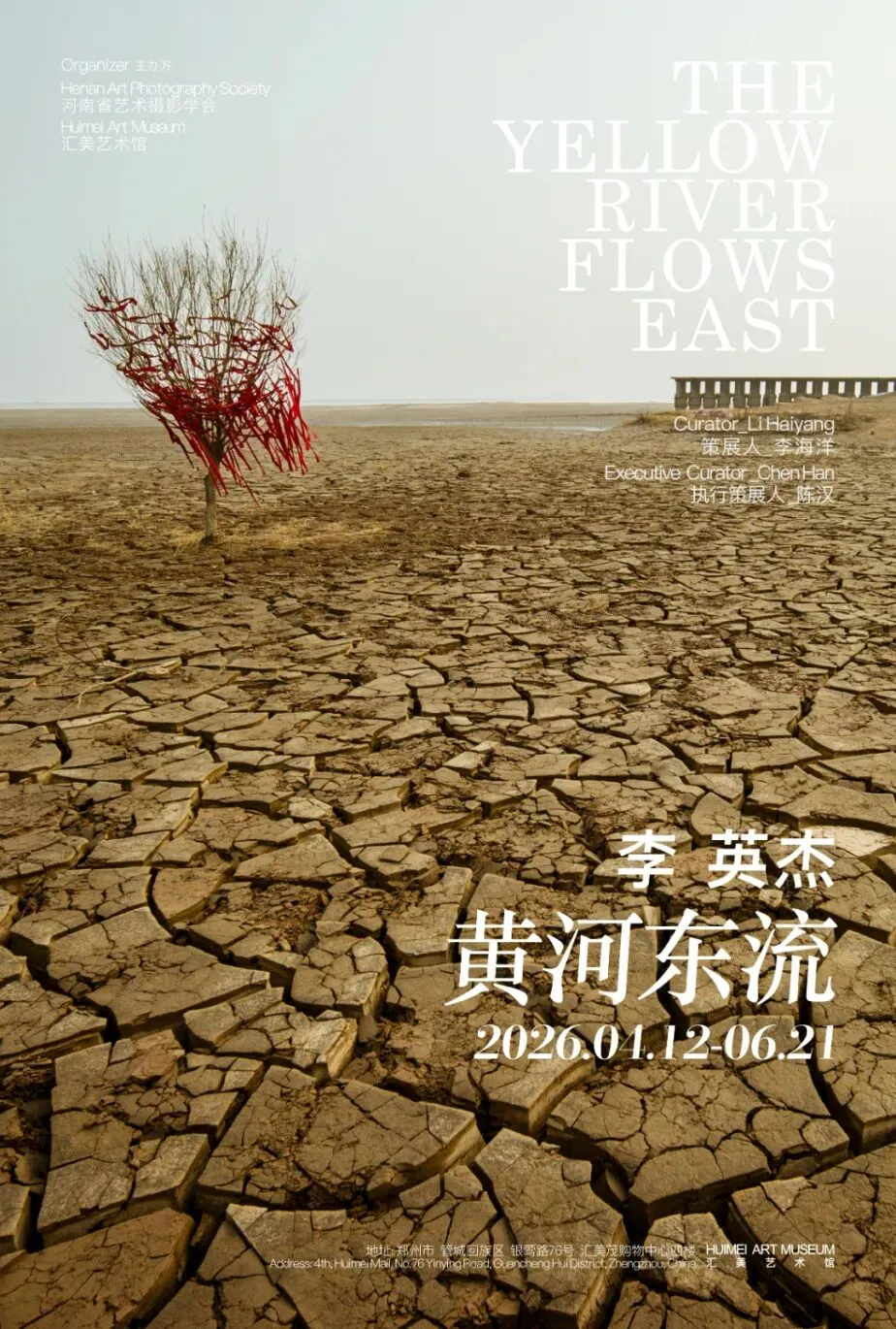
黄河东流
The Yellow River Flows East
李英杰
Li Yingjie
Curator: Li Haiyang
策展人: 李海洋
Executive Curator: Chen Han
执行策展人: 陈汉
Duration展期: 2026.04.12-06.21
主办方: 河南省艺术摄影学会/汇美艺术馆
Organizer: Henan Photography Society / Huimei Art Museum
地址: 郑州市 管城回族区 银莺路76号 汇美茂购物中心四楼
Address: 4th, Huimei Mail, No.76 Yinying Road, Guancheng Hui District, Zhengzhou

PREFACE
前言
当镜头穿过皴裂的土地缓缓上移,矗立在黄河滩的小树因二百多天的干旱只剩枯枝,枝头的红色丝带迎风飞舞——那是河滩人民的信仰在风中飘扬。远处,调节水势的桩坝回望着干涸的土地,留下一声叹息。这声叹息来自五千年前,而今依然在黄河上空萦绕,从未消散。
When the camera lens slowly rises above the cracked, parched earth, the small trees standing on the Yellow River floodplain—after more than two hundred days of drought—are reduced to withered branches. Red ribbons flutter in the wind: the faith of the riverbank people, flying in the breeze. In the distance, the pile dams that regulate the river’s flow gaze back at the arid land and heave a sigh. This sigh comes from five thousand years ago, yet it still lingers above the Yellow River today, never fading.
十六年前,李英杰循着这声叹息来到巴颜喀拉山脉的黄河源头。从此,他的镜头便顺流而下,越高山、过平原,跟随黄河九曲一路向东,直到伸向渤海湾。这一路,五千四百六十四公里,刀劈斧砍、环佩叮当,闪耀着智慧的光芒,也挥洒着晶莹的汗水。
Sixteen years ago, Li Yingjie followed that sigh to the source of the Yellow River, in the Bayan Har Mountains. From that moment, his camera has traveled downstream, crossing high mountains and sweeping over plains, following the river’s nine bends all the way east until it reaches the Bohai Bay. Along this journey—5,464 kilometers—there are cliffs carved by nature, the tinkling of jade pendants, brilliant flashes of wisdom, and glistening drops of sweat.
这是一条河流的旅程,也是一个民族的生命轨迹。李英杰正是以黄河为载体,记录社会发展过程中取得的成就、产生的问题、以及存在的矛盾,以摄影为手段回应悲壮的华夏文明史。
his is the journey of a river, and also the life trajectory of a nation. Li Yingjie takes the Yellow River as his vessel, documenting the achievements, problems, and contradictions that arise in the process of social development, using photography as a means to respond to the tragic grandeur of Chinese civilization.
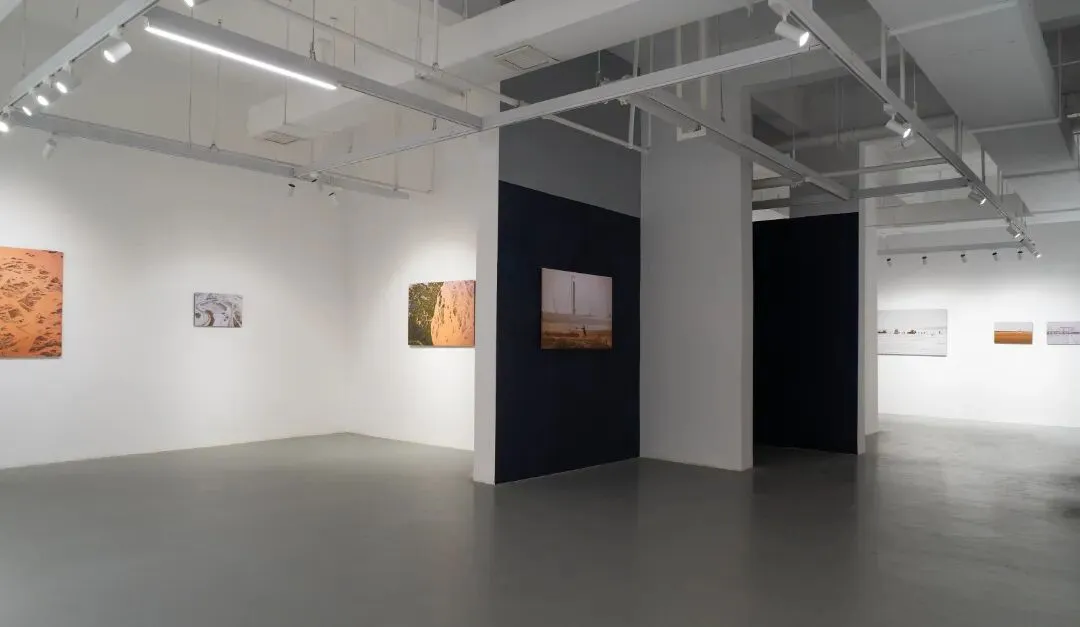
黄河东流:李英杰,展览现场,汇美艺术馆,2026
The Yellow River Flows East:Li Yingjie, Exhibition Show, Huimei Art Museum, 2026
在有文字记载的历史中,被称为“母亲河”的黄河,仅在新中国成立前的两千五百年间,决口逾一千五百次,大改道二十六次。“三年两决口,百年一改道”——这是黄河最真实的写照。然而,这个冰冷的数字背后,是无数普通民众的颠沛流离和背井离乡。这些被搬进文学和戏曲中的故事,成为沿黄区域的文化底色,李英杰自幼便耳熟能详,也成为他镜头中挥之不去的凝视。
known as the “Mother River”—breached its banks over 1,500 times and underwent twenty-six major course changes in the 2,500 years before the founding of the People’s Republic of China. “Two breaches every three years, one course change every century”—this is the truest portrait of the Yellow River. Behind these cold numbers, however, lie the displacements and exiles of countless ordinary people. These stories, retold in literature and opera, have become the cultural bedrock of the regions along the river. Li Yingjie grew up hearing them, and they have become an indelible gaze in his lens.
黄河带来的生存环境有多肆虐,人们对世外桃源就有多渴望。于是,“生存与信仰”便成为李英杰个展《黄河东流》的第一篇章。不得不说,即便进入高智文明的今天,我们依然要思考如何与身边的物种和平共处。因为,果腹梦想的实现依稀发生在昨日。
The more devastating the living environment created by the Yellow River, the greater the longing for a paradise beyond the world. Thus, “Faith and Survival” becomes the first chapter of The Yellow River Flows East. We cannot help but admit that even today, in an age of advanced intelligence, we must still reflect on how to coexist peacefully with the species around us—for the dream of a full stomach was realized only yesterday.
工业化进程带来粮食大幅增产的同时,也导致动物数量急剧下降,生态系统的破坏使农业生产陷入恶性循环。近年来,伴随着生态环境的改善,鸟类数量逐渐恢复。然而,鸟多了又开始与民争食,产生了新的矛盾。于是,稻草人改头换面,重新回到庄田。
Industrialization has brought a sharp increase in grain production, but at the same time, it has caused a dramatic decline in animal populations. The destruction of ecosystems has trapped agricultural production in a vicious cycle. In recent years, with the improvement of the ecological environment, bird populations have gradually recovered. Yet, with more birds, conflicts over food with humans have reemerged. Thus, the scarecrow has been given a new face and sent back to the fields.
李英杰出生于黄河岸边,并长期生活工作在黄河沿岸。他不仅是观察者,更是曾经的参与者。他深知农民的苦,懂得施政的难。他敏锐地捕捉到了这个困境,所以我们看到一个复杂的、充满张力的现实图景。
Li Yingjie was born on the banks of the Yellow River and has lived and worked there for a long time. He is not merely an observer, but a former participant. He knows the hardship of farmers and understands the difficulty of governance. He has keenly captured this dilemma, presenting us with a complex and tension-filled picture of reality.
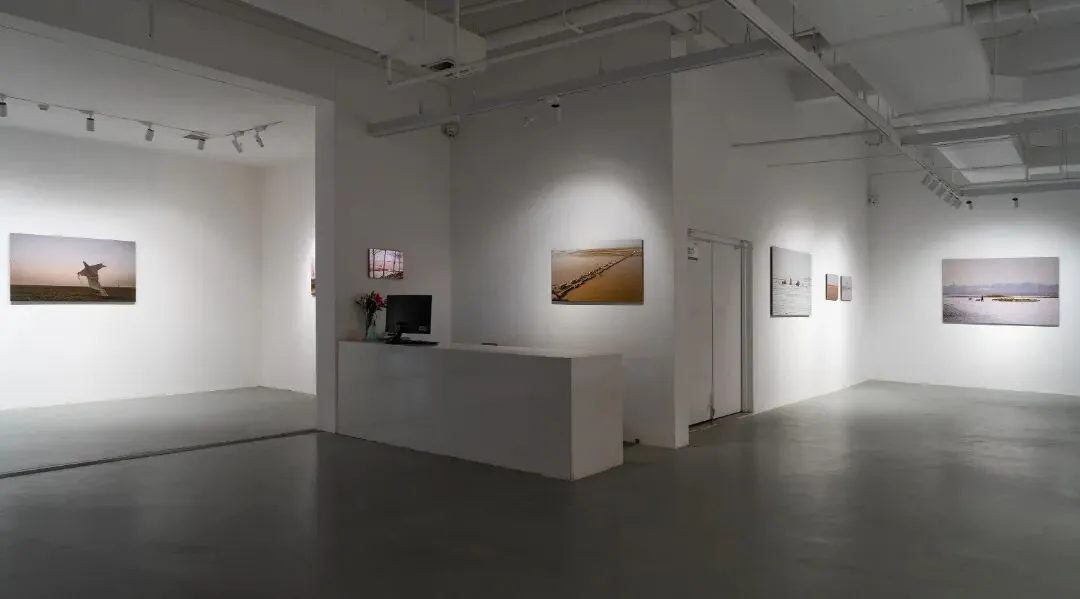
黄河东流:李英杰,展览现场,汇美艺术馆,2026
The Yellow River Flows East:Li Yingjie, Exhibition Show, Huimei Art Museum, 2026
逐水而居曾是族群最主要的生存样态,人类与黄河的相处就是相互避让、相互博弈的过程。黄河作为华夏文明最初始、最主要的衍生地,治黄是历代政权最重要的工作之一。从大禹治水到贾让“治河三策”,再到潘季驯“束水攻沙”,一部治黄史,半部中国政治史。
Living by water was once the primary mode of existence for human communities. The relationship between people and the Yellow River has always been one of mutual avoidance and contention. As the original and most significant birthplace of Chinese civilization, the Yellow River’s taming has been one of the most important tasks of successive dynasties. From Yu the Great controlling the floods, to Jia Rang’s “Three Strategies for River Control,” to Pan Jixun’s “Use the sediment to scour the river”—the history of Yellow River control is half the political history of China.
在作品《小浪底调水调沙》中,翻滚的巨浪裹挟着黄沙,与渺小的人群形成鲜明对比。人类对自然的驯化,尺度如何把握?限度在哪里?这不仅是工程技术问题,更是哲学命题。李英杰在面对光秃的山峦、方格状的治沙工程、井然有序的拆建工程时,镜头总是沉静的、克制的,但观看者能感受到画面深处的那一声追问。
In the work Water and Sediment Regulation at Xiaolangdi, the roaring waves carrying yellow sand stand in stark contrast to the tiny human figures. How should we measure the scale of human domestication of nature? Where is the limit? This is not just an engineering question, but a philosophical one. When Li Yingjie faces barren mountains, grid-patterned sand-control projects, and orderly demolition and construction sites, his lens remains calm and restrained—yet the viewer can feel that deep questioning within the frame.
即便有科技手段加持,人类面对自然仍然无助。无人机可以调运玉米,却对倒伏的麦田束手无策;涝灾来临,庄稼只能浸泡腐烂。李英杰的创作提醒我们灾害暴露出的一些长期问题,如田间沟渠排水不畅、土地板结导致渗水能力下降等。这是社会转型中制度、技术与自然之间复杂的非预期后果。我们还需正视《黄河孤岛》的警示——若不提高环境意识,它或许预示着人类最后的栖息地。《西夏党项贵族后裔》也许就是我们最终的归途。
Even with the aid of technology, humanity remains helpless in the face of nature. Drones can transport corn, but they are powerless against flattened wheat fields; when floods come, crops can only soak and rot. Li Yingjie’s work reminds us that disasters expose some long-standing problems, such as poor drainage in field ditches and decreased water permeability due to soil compaction. These are the complex unintended consequences of institutions, technology, and nature in the midst of social transformation. We must also face the warning of Yellow River Island: if we do not raise our environmental awareness, this island may foreshadow humanity’s last habitat. The Descendants of the Tangut Nobility may well be our final destination.
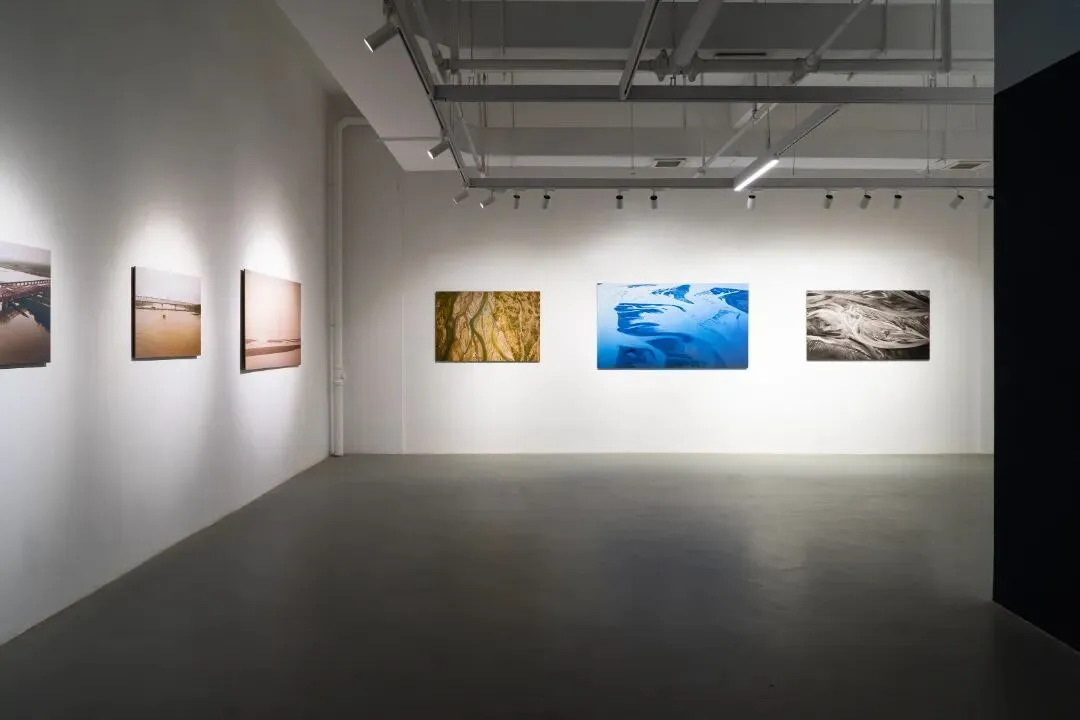
黄河东流:李英杰,展览现场,汇美艺术馆,2026
The Yellow River Flows East:Li Yingjie, Exhibition Show, Huimei Art Museum, 2026
我们的理想是:桃花源与理想国。远离硝烟,铸剑为犁;云销雨霁,彩彻区明。
Our ideal is a utopia, a republic of the spirit: far from the smoke of war, beating swords into plowshares; clouds clearing, rain ceasing, the sky brilliant in every direction.
但是,无尽的世间纷争引出中国人的生存智慧。在作品《送葬队伍》中,穿过墓碑的人流被笼罩在“白茫茫大地真干净”的氛围中,送葬的亭台阁楼、轩榭廊舫,繁华程度远超活人的居所。这一画面深刻揭示了中国人的生死观。
Yet it is the endless conflicts of this world that have given rise to Chinese wisdom for survival. In The Funeral Procession, the flow of people passing through the graveyard is enveloped in an atmosphere of “vast white earth, truly clean.” The paper pavilions, terraces, corridors, and boats in the funeral procession are more splendid than the dwellings of the living. This image profoundly reveals the Chinese view of life and death.
孔子曰:“未知生,焉知死。”中国人对死亡的重视,是通过厚葬和繁复的丧葬仪式来体现的——事死如生,事亡如存。而西方文明的生死观更倾向于彼岸、来世和灵魂拯救,中国文明则将希望寄托于此岸家族的血脉延续和青史留名。
Confucius said, “If you do not know life, how can you know death?” The Chinese respect for death is expressed through elaborate burials and funerary rites—serving the dead as if they were alive, treating the departed as if they were still present. Western civilization’s view of life and death tends toward the afterlife, the next world, and the salvation of the soul. Chinese civilization, by contrast, places its hope in this world: in the continuation of the family line and in leaving a name for posterity.
而《黄河滩牧羊人》则提供了另一个维度的提示。背依邙山、面朝黄河的炎黄二帝雕像,正凝视着他们的后代——顶着寒风在雪地牧羊的静谧画面。这幅画面,让人想起协助始皇帝横扫六合的李斯,他所梦想的“东门黄犬”大抵如此吧。李英杰镜头下的牧羊人,正是这种朴素生存哲学的当代化身。
Shepherd on theYellow River Floodplain offers another dimension. The statues of the Yan and Huang emperors—their backs to Mount Mang, facing the Yellow River—gaze upon their descendants: the quiet scene of a shepherd tending his flock in the snow, braving the bitter wind. This image recalls Li Si, who helped the First Emperor of Qin unify China. His dream of “letting loose the yellow hounds at the East Gate” was surely something like this. The shepherd in Li Yingjie’s lens is a contemporary incarnation of this simple philosophy of survival.
黄河东流,带不走的是岸上的人对平凡生活的眷恋。
The Yellow River flows east, but what it cannot carry away is the riverbank people’s attachment to ordinary life.
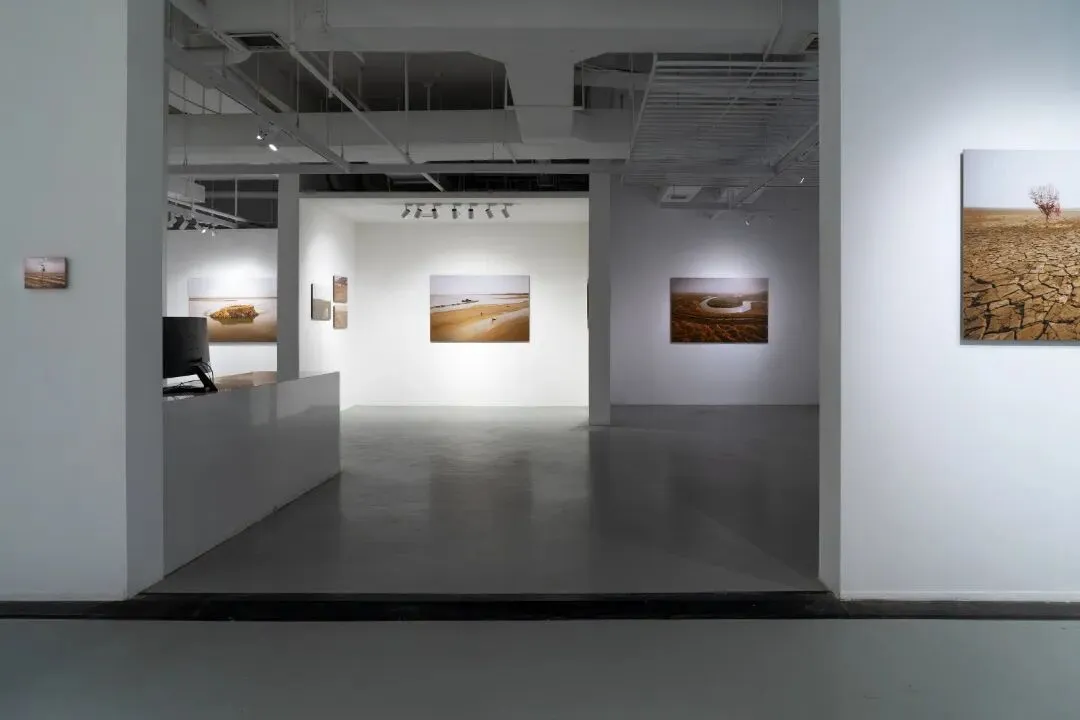
黄河东流:李英杰,展览现场,汇美艺术馆,2026
The Yellow River Flows East:Li Yingjie, Exhibition Show, Huimei Art Museum, 2026
展览的最后一个章节,李英杰将黄河的表达提升到更高维度的精神美学。
In the final chapter of the exhibition, Li Yingjie elevates the expression of the Yellow River to a higher spiritual aesthetic.
九曲黄河,如同在天地间挥洒的一卷狂草。蜿蜒的河道、湍急的涡流、舒缓的回水,无不是大地的笔触。而李英杰的摄影正是时空的拓片——他将漫卷天地的狂草拓印下来,呈现在我们面前。
The nine-bend Yellow River is like a wild cursive script brushed across the sky and earth. The winding channels, the turbulent eddies, the gentle backwaters—each is a stroke of the earth’s brush. And Li Yingjie’s photography is the rubbing of time and space: he rubs down this wild cursive script that fills heaven and earth and presents it before us.
在李英杰的《黄河纪》系列中,飞舞的线条如同史前文明陶罐上的旋涡纹、波浪纹、网纹,与李英杰镜头下的黄河曲线在跨越数千年后重合在一起。线条,是品评中国书画水准最重要的标尺,体现出中国审美的核心价值取向。南齐谢赫“六法”首倡“气韵生动”。生动的气韵通过线条来体现,在提按、顿挫之间塑造生命的筋骨血肉。李英杰对黄河的抽象化处理,正是对这种审美传统的自觉呼应。
In Li Yingjie’s Yellow River Chronicle series, the flying lines resemble the spiral patterns, wave motifs, and net designs on prehistoric pottery. After millennia, these patterns merge again with the curves of the Yellow River under Li’s lens. Line is the most important criterion for evaluating Chinese calligraphy and painting, embodying the core values of Chinese aesthetics. Xie He of the Southern Qi dynasty, in his “Six Principles of Painting,” placed “rhythmic vitality” first. This vitality is expressed through line—through the lifting and pressing, the pauses and turns, that shape the sinews, bones, flesh, and blood of life. Li Yingjie’s abstract treatment of the Yellow River is a conscious echo of this aesthetic tradition.
需要提示的是,李英杰的创作方式与中国的“书写”的精神一脉相承。他的作品近乎直出,不事雕琢,极少依赖后期处理。他相信最好的图像已经在现场的光影交汇处,在水与岸的碰撞中,在人与自然的对视间。他要做的,是用准确的目光、恰当的构图、精到的时机,去捕获瞬间的永恒。这与中国书画“不可更改”的书写性如出一辙。
creative method shares the spirit of Chinese “writing.” His works are produced almost directly from the camera, with little manipulation and minimal reliance on post-processing. He believes that the best image is already there at the scene—at the intersection of light and shadow, in the collision of water and shore, in the encounter between human and nature. What he must do is capture that moment with an accurate eye, a fitting composition, and perfect timing. This is no different from the irrevocable nature of the brushstroke in Chinese calligraphy and painting.
同时,李英杰在构图时,人物或人类生活的痕迹总是会恰当地出现在画面中,与宏大的自然形成微妙的呼应。这是一种有意识的、结构性的安排。在中国山水画中,人物往往只是“点景”——微小、谦逊、融入山水之间,但正是这个微小的存在,为整幅画注入了生气,成为“可游可居”的精神入口。李英杰的摄影同样如此。在他的镜头中,桩坝旁劳作的身影、高原上的羊群……他们很小,但他们在那里。
At the same time, in his compositions, Li Yingjie always places human figures or traces of human activity appropriately within the frame, creating a subtle resonance with the vastness of nature. This is a conscious, structural arrangement. In Chinese landscape painting, human figures often appear only as “dots of scenery”—tiny, modest, blending into the landscape. Yet it is precisely this tiny presence that infuses the painting with life, becoming the spiritual gateway through which one may “wander and dwell.” The same is true of Li Yingjie’s photography. In his lens, the figures laboring beside the pile dams, the sheep on the plateau—they are small, but they are there.
从《太极》系列对道家哲学的影像探索,到《黄河纪》系列对文明源头的视觉追问,李英杰遵循中国书画对气韵精神的内在要求,同时将现代形式构成植入其中,完成了传统审美体系在现代摄影语境中的创造性转化。他的作品既有东方的意境之美,又有当代的形式张力。
From the Tai Chi series—an exploration of Daoist philosophy through images—to the Yellow River Chronicle series—a visual inquiry into the origins of civilization—Li Yingjie follows the inner demands of Chinese calligraphy and painting regarding rhythmic vitality, while also integrating modern formal composition. He has thus accomplished a creative transformation of the traditional aesthetic system within the context of contemporary photography. His works possess both the beauty of Eastern artistic conception and the formal tension of the contemporary.
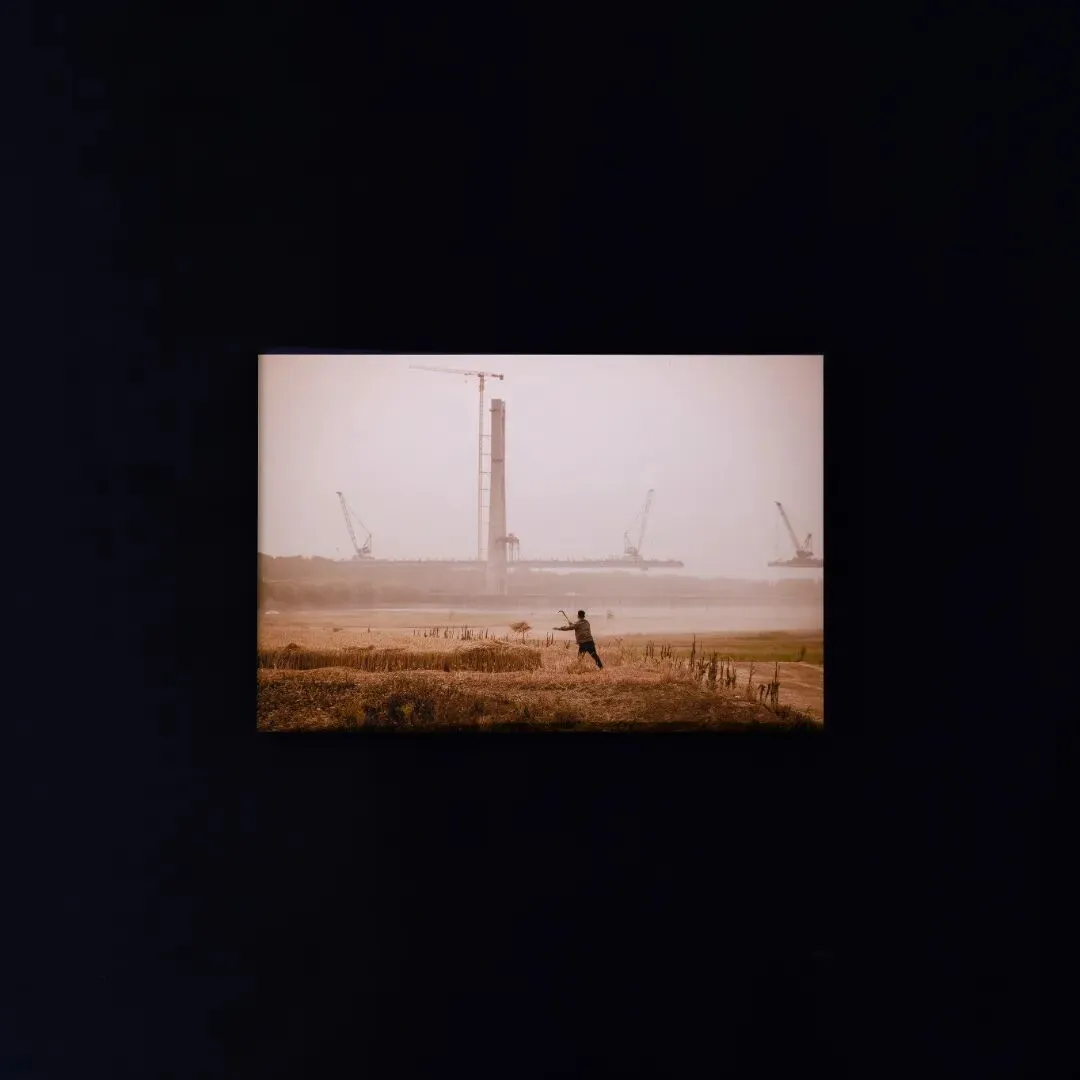
黄河东流:李英杰,展览现场,汇美艺术馆,2026
The Yellow River Flows East:Li Yingjie, Exhibition Show, Huimei Art Museum, 2026
李英杰的新纪实摄影创作,从黄河文化本体出发,追溯中国文化的源头。他从社会学的角度对生命进行追问,在完成对中国文化要点的淬炼与抽取的同时,始终将对人的关注置于图像结构的核心——这使得他的作品在理性思辨之外,更洋溢着浓郁的温情与鲜活的生命感。
photography starts from the ontology of Yellow River culture, tracing the sources of Chinese civilization. He poses questions about life from a sociological perspective, and while refining and extracting the essential points of Chinese culture, he consistently places human concern at the core of the image structure—giving his works, beyond rational reflection, a rich warmth and vibrant vitality.
他让我们在面对作品时,不仅感受到天地无言的大美,同时对人类未来命运与现实生存困境保持敏锐的警醒。他的镜头,既遥望远古的源头,也思考当下的困境;既记录宏大叙事,也不放过个体命运的微光。
He allows us, when facing his works, not only to feel the great beauty of silent heaven and earth but also to remain acutely alert to the future of humanity and the predicaments of present-day existence. His lens looks back to the ancient sources, yet also contemplates the current dilemmas; it records grand narratives, yet never overlooks the faint light of individual fate.
黄河东流,不舍昼夜。五千四百六十四公里的旅程,在李英杰的镜头中,凝为一帧一帧的时间切片。我们站在这些切片前,听见那声来自五千年前的叹息,也听见我们自己的心跳。
The Yellow River flows east, ceaselessly day and night. The journey of 5,464 kilometers is condensed in Li Yingjie’s lens into one frame after another, slices of time. Standing before these slices, we hear that sigh from five thousand years ago—and we also hear our own heartbeat.
文_李海洋
By Haiyang Li

Selected Artworks
部分展出作品
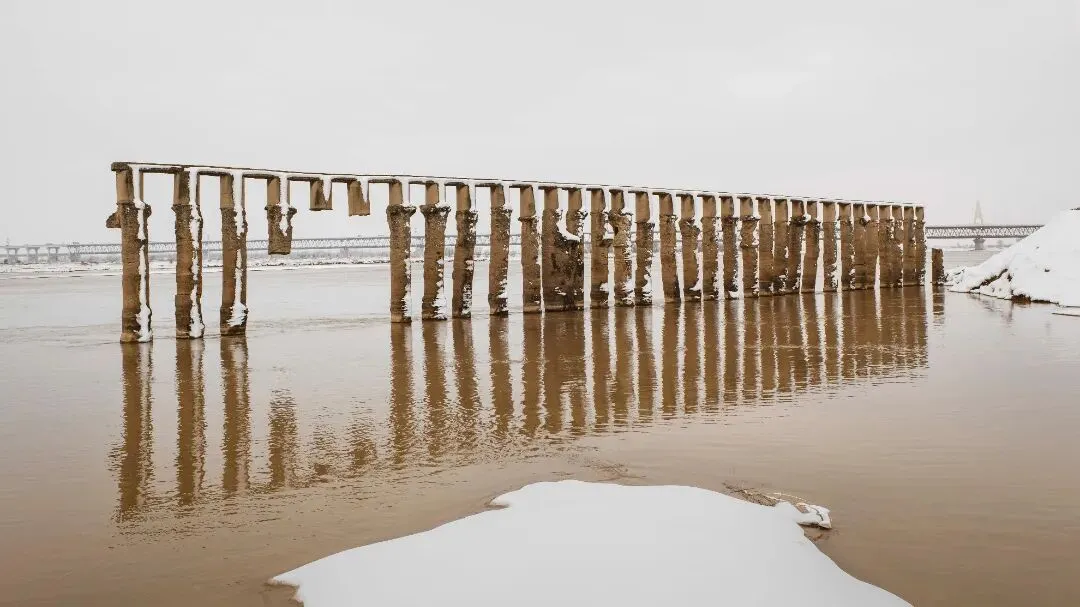
Li Yingjie
李英杰
Yellow River Pile Dam
黄河桩坝
Print size输出尺寸: 110×195cm
Xinxiang, Henan
河南新乡
2023
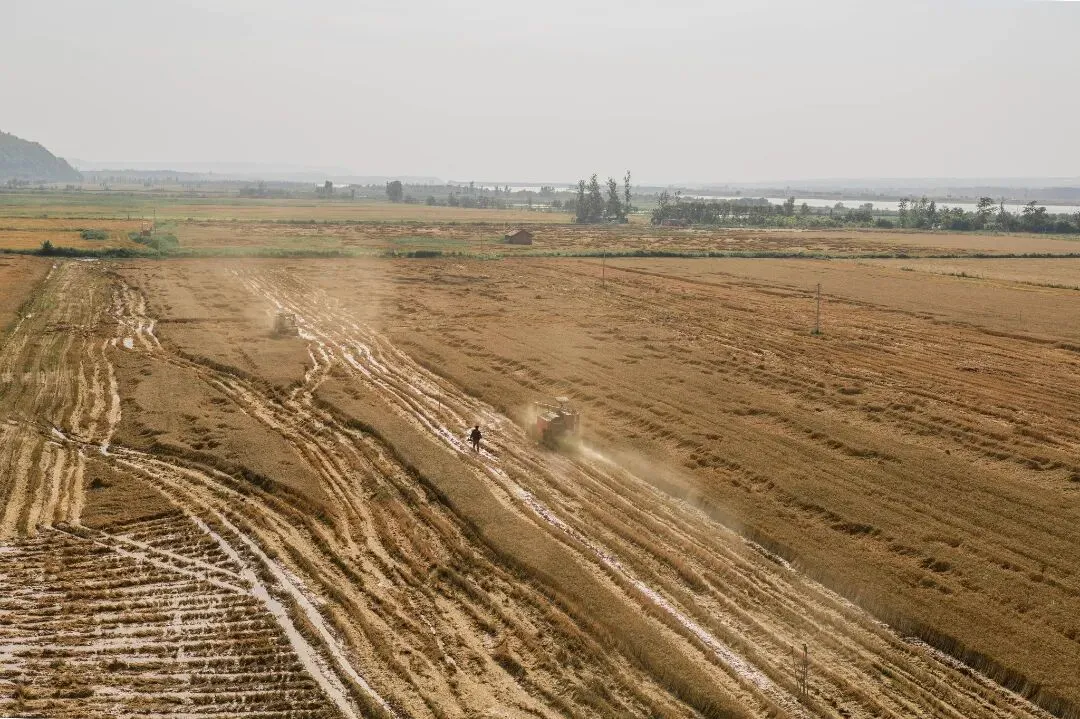 Li Yingjie李英杰
Harvesting Wheat in a Flooded Field
在被水淹地里抢收麦子
Print size输出尺寸: 40×60cm
Sanmenxia, Henan
河南三门峡
2023
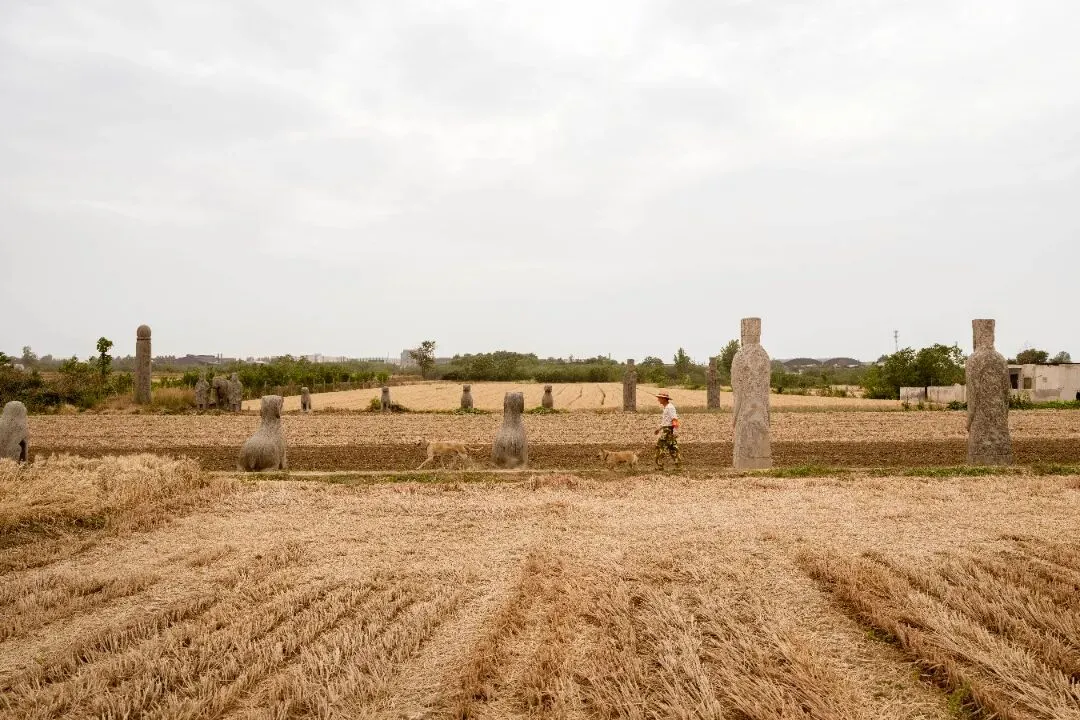
Li Yingjie李英杰
Patrol of the Song Mausoleum Guard
宋陵保护员巡逻
Print size输出尺寸: 50×75cm
Zhengzhou, Henan
河南郑州
2024
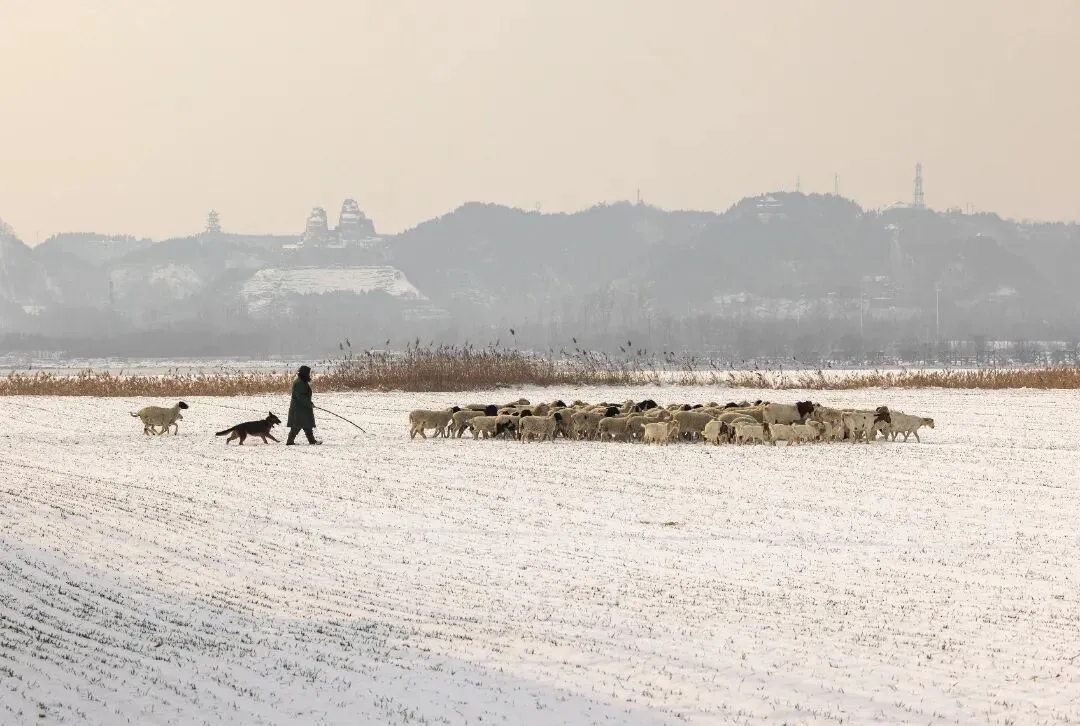
Li Yingjie
李英杰
Shepherd on the Yellow River
黄河滩牧羊人
Print size输出尺寸: 110×165cm
Xinxiang, Henan
河南新乡
2026
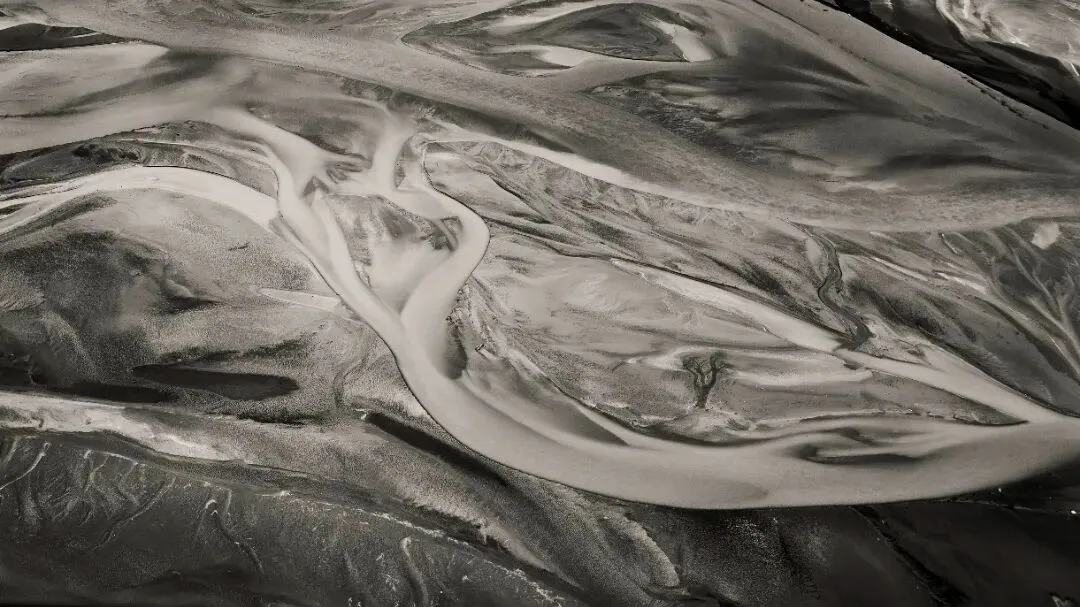
Li Yingjie
李英杰
The Visage of the Yellow River
黄河象
Print size输出尺寸: 90×160cm
Zhengzhou, Henan
河南郑州
2020
艺术家Artist

李英杰Li Yingjie
1963年出生于河南。硕士学历。
Born in Henan in 1963, holds a master's degree.
2014年获第十届中国摄影金像奖创作奖,长期致力于中国源头文化的摄影研究探索。
In 2014, he received the Creation Award of the 10th China Photography Golden Figure Award. He has long been dedicated to the photographic expression of China's source culture.
先后在中国摄影出版社出版八部摄影专著,主编五部摄影著作。其中,《太极》获“中国最美的书”,《太极Ⅱ》《太极Ⅲ》分别获全国书籍设计艺术展优秀奖。
He has published eight photography monographs and edited five photography books through China Photographic Publishing House. Among them, Tai Chi was honored as “One of the Most Beautiful Books in China,” while Tai Chi II and Tai Chi III each received Excellence Awards at the National Book Design Art Exhibition.
作品曾在中国、美国、法国、俄罗斯、泰国等六个国家展出,并被中国美术馆、民族文化宫、河南博物院、郑州美术馆等艺术机构展出及收藏。
His works have been exhibited in ten countries, including China, America, France, Russia, and Thailand, and have been shown and collected by art institutions such as the National Art Museum of China, the Cultural Palace of Nationalities, Henan Museum, and Zhengzhou Art Museum.
策展人Curator

李海洋Li Haiyang
汇美艺术馆执行馆长,ZHONGSPACE中空间主理人。
主要策展项目
0.1mm: 黄佳(汇美艺术馆,2025);沿途: 吴京垿个展(汇美艺术馆,2024);365个日落:郝云个人作品展(北岸空间,2019);共处无何乡:尹朝辉&尹朝宇(汇美艺术馆,2025);昼梦集(作者画廊,2025);过隙:爬坡小组第五回展(释源美术馆,2025);姿态(汇美艺术馆,2024);声色全码(深圳制造文化空间,2019),参照系(望空间,2018);外环线(101艺术空间,2018);穿过眼睛:刘佳玲艺术项目(深圳地铁艺术节,2024)等。
Executive Director of Huimei Art Museum, Founder of ZHONG SPACE.
Curatorial Projects
0.1mm: HuangJia (Huimei Art Museum, 2025); Along the Way: Wu Jingxu Solo Exhibition (Huimei Art Museum, 2024); 365 Sunsets: Hao Yun Solo Exhibition (North Shore Space, 2019); Together in Nowhere Land: Yin Zhaohui & Yin Zhaoyu (Huimei Art Museum, 2025); Noon Dreams (Author Gallery, 2025); TRANSIENCE: BMUP Fifth Exhibition (Buddhist Origin Art Museum, 2025); POSTURE (Huimei Art Museum, 2024); Feast of Sound and Color (Shenzhen Alternative Culture Marking, 2019); Reference System (Wang Space, 2018); Outer Loop (101 Art Space, 2018); Through the Eyes: Liu Jialing Art Project (Shenzhen Metro Art Festival, 2024).

开放时间: 周二至周日 10:00-21:00
预约观展: 0371-56000111
地址: 郑州管城区银莺路76号汇美茂购物中心四楼
Address: 4th, Huimei Mall, No.76 Yinying Road, Guancheng District, Zhengzhou

