

——我几乎厌恶一切
开幕
2026.03.29 15:30
展期
2026.03.29-05.10
地址
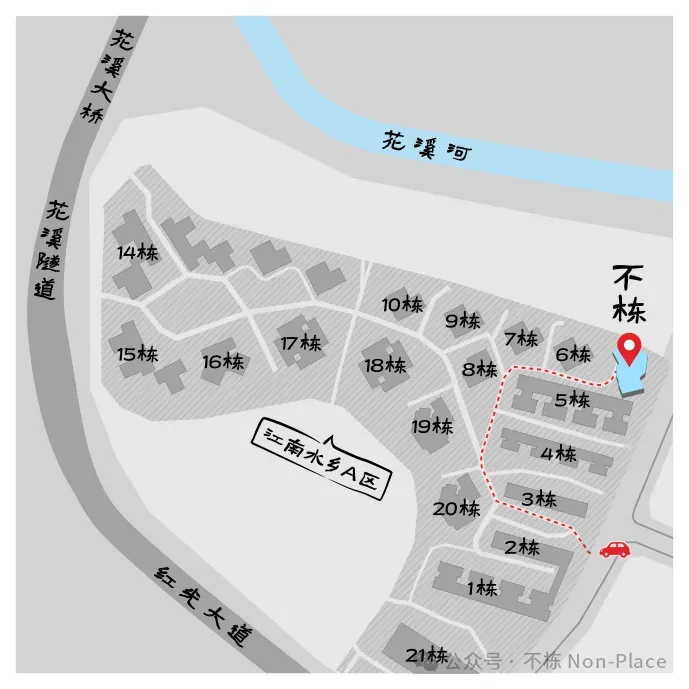
重庆市巴南区李家沱江南水乡A区江南水乡幼儿园 (导航至江南水乡A区6栋)
某天,工作室里,我的作品前。
“你为啥要反复叠加这么多层次呢?”策展人a问道。
我说:“想把视觉做得更极致,制作更丰富一些吧”。
“仅此而已吗?”他追问。
“还有什么,大概就是对情绪化笔触的厌恶,让我总是强迫的填满画面。”我心想着,没说出口。
谈到厌恶,它在我的内心频繁发生着:
我厌恶聊天空档的尴尬,却因近乎窒息的尴尬一时找不到话题;
我厌恶自己的所有小毛病,反思无处不在;
我厌恶愚蠢,总伪装地聪明而冷静,让人抓不住把柄......
长久以来,厌恶成为了驱使我各种行为的源头,它来自完美主义的偏执,而这种偏执又让我平静的掩盖掉了那些澎湃的厌恶。
厌恶的过敏原存在于每个发生的当下,我过敏于女性羞于提起或主动忽视的困境,过敏于亲密关系的拉扯与共生,过敏与广泛存在的偏见,它们让我不断向内凝视、自我对话,感知情绪带给身体的反应。不过比起这些,失控似乎更令人难以接纳耶!因此每一个情绪的“山崩地裂”都隐匿在看似平静的“细无声”之中......
绘画建立了更多与自我对话的契机,也成为我情绪的出口,因此我试图将焦虑、愧疚、厌恶、怜爱等不可言说的脆弱感受发泄于画布,那些情绪在我的画面中泛起阵阵波澜,具体为突兀的笔触、涂抹不匀的色块与流淌的水渍,却又因我“高超”的控制隐秘在层层冷静的边缘线,与看似均衡且互相咬合的结构中。光滑平整的丝带缠绕卷曲,也可以是束缚、捆绑的暴力工具;透明完整的钟形罩对应着与现实解离的窒息体验;唯美的马蹄莲,也要通过笔挺的雄蕊表达一丝叛逆。种种看似日常的“轻”,也同样隐藏着不可言说的“重”,这些未被言明的“暗室”,也有了冷静克制的视觉外表。在覆盖与重建中完成情绪的释放,寻找自我和解的可能,实现准确的视觉表达。
I Hate Almost Everything
One day, in the studio, in front of my work.
“Why do you keep layering so many levels?”Curator A asked.
I said,“I want to make the visual effect more extreme and the composition richer.”
“Is that all?”he pressed.
“What else... perhaps it’s also my aversion to emotional brushstrokes that forces me to fill the entire canvas,”I thought to myself, but did not say aloud.
Speaking of aversion, it arises frequently within me:
I hate the awkward silences in conversation, yet in those suffocating moments I find myself unable to come up with anything to say;
I loathe all my minor flaws, trapped in endless self-reflection;
I detest stupidity, so I constantly perform intelligence and composure, leaving no vulnerability to be seized upon...
For a long time, aversion has been the driving force behind many of my actions. It stems from an obsession with perfectionism, and this very obsession allows me to calmly conceal the surging waves of disgust beneath.
The triggers of my aversion exist in every moment. I am“allergic”to the predicaments
women are ashamed to mention or choose to ignore; to the tension and symbiosis within intimate relationships; and to the pervasive prejudices that surround us. They push me to gaze inward, to talk to myself, and to feel how emotions affect my body.
Yet compared to all this, losing control seems even harder to accept.
And so, every“cataclysm”is hidden within what appears to be a quiet, almost imperceptible “stillness”...
Painting has given me more chances to communicate with myself, becoming an outlet for my emotions. I attempt to release unspeakable, fragile feelings—anxiety, guilt, aversion, tenderness—onto the canvas.These emotions ripple through my work as abrupt brushstrokes, unevenly applied color blocks, and flowing water stains —yet concealed by my “skillful”control beneath layers of calm edges and seemingly balanced, interlocking structures.Smooth, flat ribbons twist and curl—yet they may also function as tools of restraint and violence.A transparent, intact bell jar represents the suffocation of dissociation from reality.Even the elegant calla lily carries a hint of rebellion through its erect stamen.All kinds of seemingly ordinary “lightness”hide an unspeakable “weight.”These unspoken “dark rooms”are given a calm and restrained visual appearance.Through processes of covering and reconstruction, emotions are released; possibilities for self-reconciliation are sought; and a precise visual language is ultimately realized.
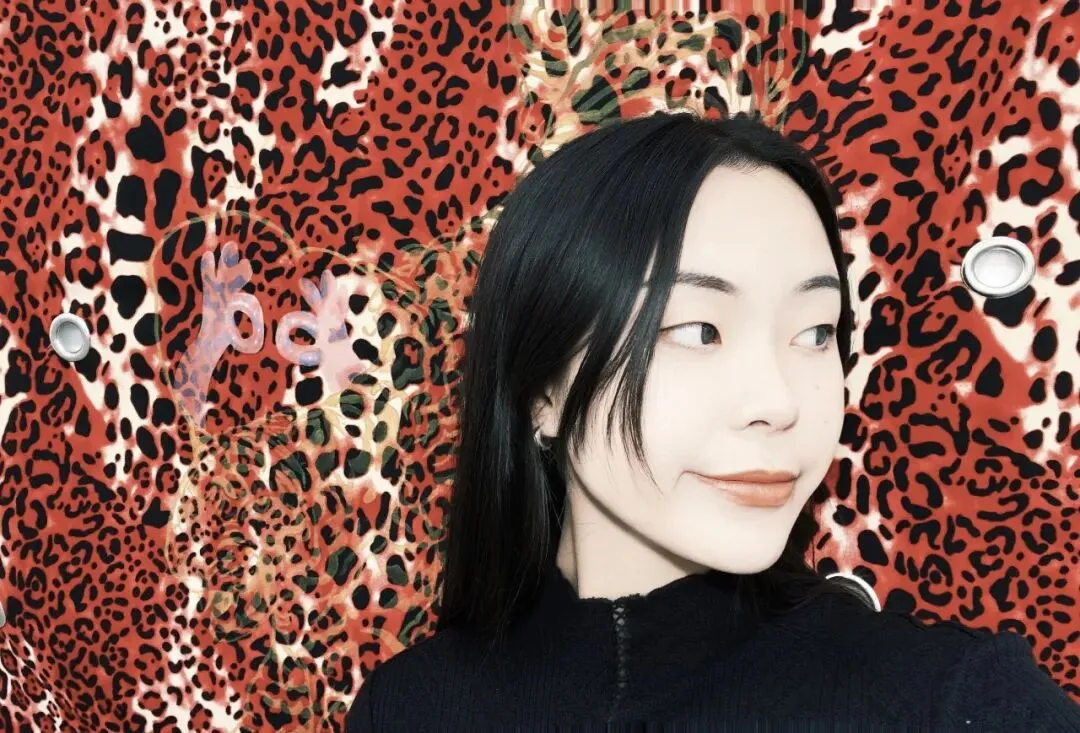
王心笛
1993年出生于重庆
2015本科毕业于川美油画
2019硕士毕业于川美油画
现工作生活于重庆
王心笛的绘画实践聚焦情绪与身体的内在联结,以心理学视角将亲密关系、社会规训与隐秘生命体验视觉化。她用解构形象、缠绕线条、层次色彩,具象肉身负重、关系纠缠与情绪张力。丝带、心脏、钟形罩等意象承载焦虑、恐惧与脆弱,以冷静克制的画面,在束缚与突围中完成自我对话,形成独特的个人视觉表达。
观展预约


请导航至
江南水乡A区6栋
关于不栋(Non-Place)空间
“不栋”是一栋无法被定义的楼,也是一种不断生成的空间实践。它既不是传统意义上的展览机构,也不是单纯的创作空间,而是一种位于“制度”与“居所”之间的非典型结构。在功能性建筑逻辑日益统一的城市语境中,“不栋”回应了Marc Augé 所提出的 non-place(非场所)概念——在那些被设计为通行、消费与短暂停留的空间逻辑之外,我们试图开辟出一个真实共处、缓慢生成、无法被归类的精神容器。
About Non-PlaceNon-Placeis a building that defies definition—an evolving spatial practice rather than a fixed institution. It is neither a conventional exhibition venue nor a purely creative workspace, but a non-typical structure situated somewhere between “institution” and “dwelling.”
In a city increasingly shaped by the homogenizing logic of functional architecture,Non-Placeresponds to Marc Augé’s concept of the non-place—Outside the spatial logic designed for transit, consumption, and brief stops, we seek to open up a vessel for the spirit—one where genuine co-presence, slow emergence, and unclassifiable possibilities can take root.
