
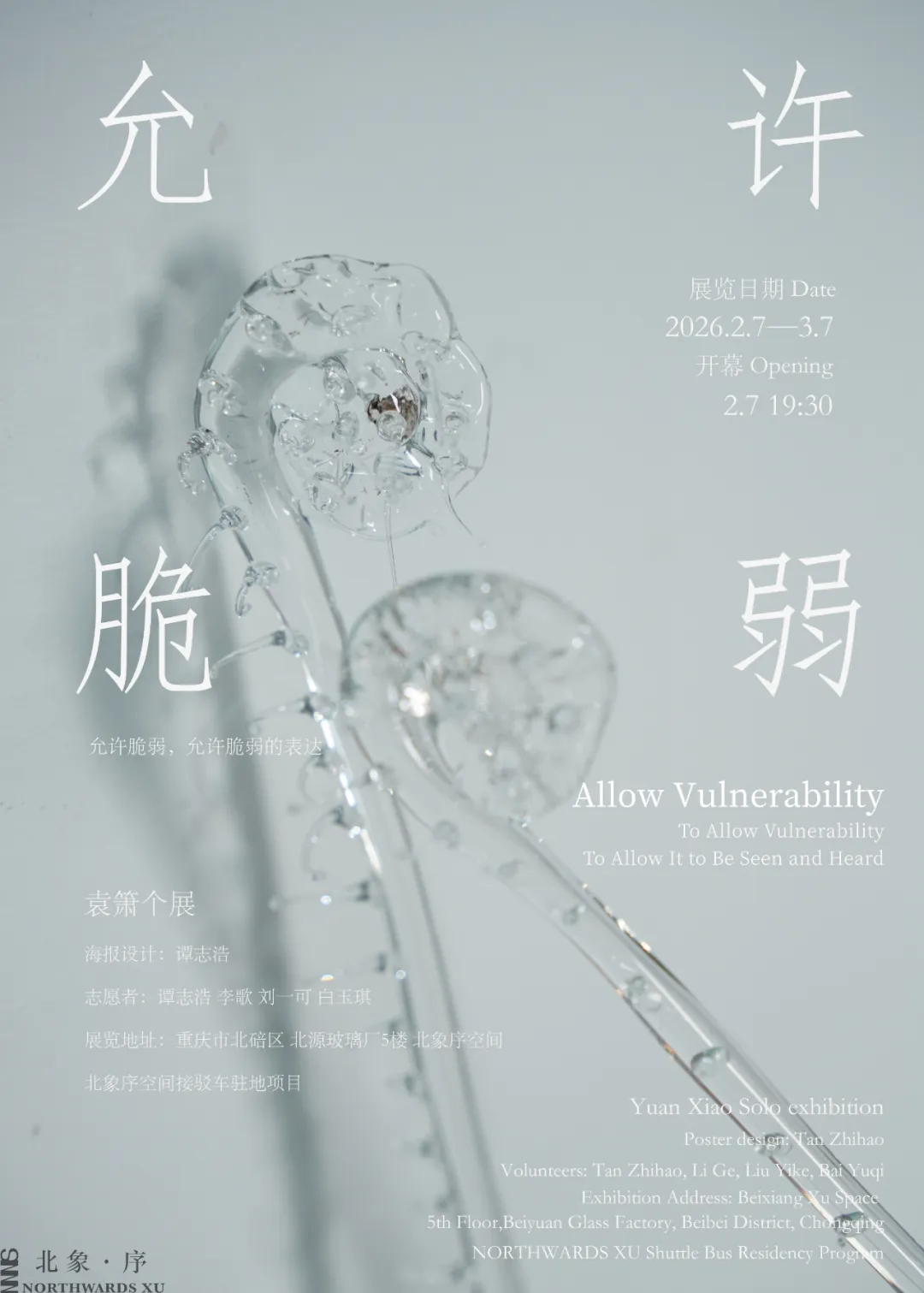
艺术家
袁箫
展期
2026年2月7日—3月7日
开幕时间
2026年2月7日 19:30
展览地点
重庆市北碚区北源玻璃厂5楼 北象·序空间
允许脆弱
我以迷走神经为出发点,聚焦身边人对焦虑与抑郁的情绪表达。一次学生的请假条写道:“老师,我有双相情感障碍,可能随时出现状况……最近气不好,想休息几天,我怕完不成作品,能否延长时间。”这并非个例,表面的宽容下,是越来越多学生与朋友被抑郁、焦虑困扰的事实。我也曾长期忽视身体信号,在外界触发下发生迷走神经性晕厥。当时意识清醒,但身体不受控倒地。躯体警示让我意识到:情绪需有承载出口。
我们的身体很敏感,日节律、天气等细微变化会影响神经感知系统。当外界刺激超耐受,交感神经过度兴奋且迷走神经调节失效时,会出现焦虑或低落情绪。现代生活追求“完美工具”,使人陷入标准化规则。长期自我内耗破坏交感与副交感平衡,导致迷走神经功能失衡,情绪以躯体化显现。
借用本雅明关于“经验缺乏”的论述,我们正经历沟通的异化:表面连接并不等同于真实共情。这种精神隔阂令负责恐惧与焦虑处理的杏仁核处于持续激活,压抑了迷走神经的舒缓功能,形成“情绪压抑—神经失衡”的恶性循环。心理学家王芳提出的“允许脆弱”,正是打破此循环的伦理与实践路径:在个体与社会层面允许脆弱被表达与回应,才可能修复这种失衡。
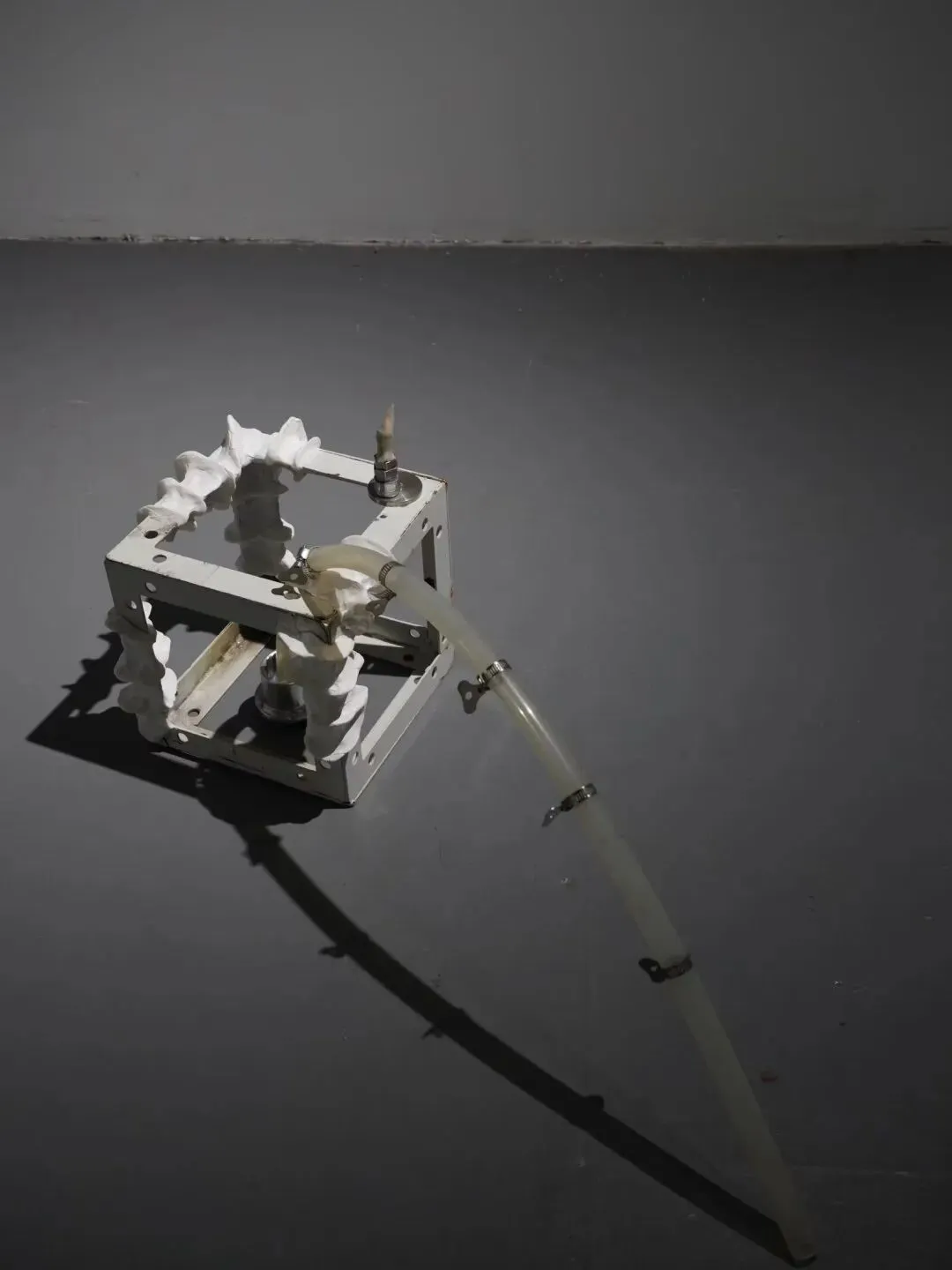
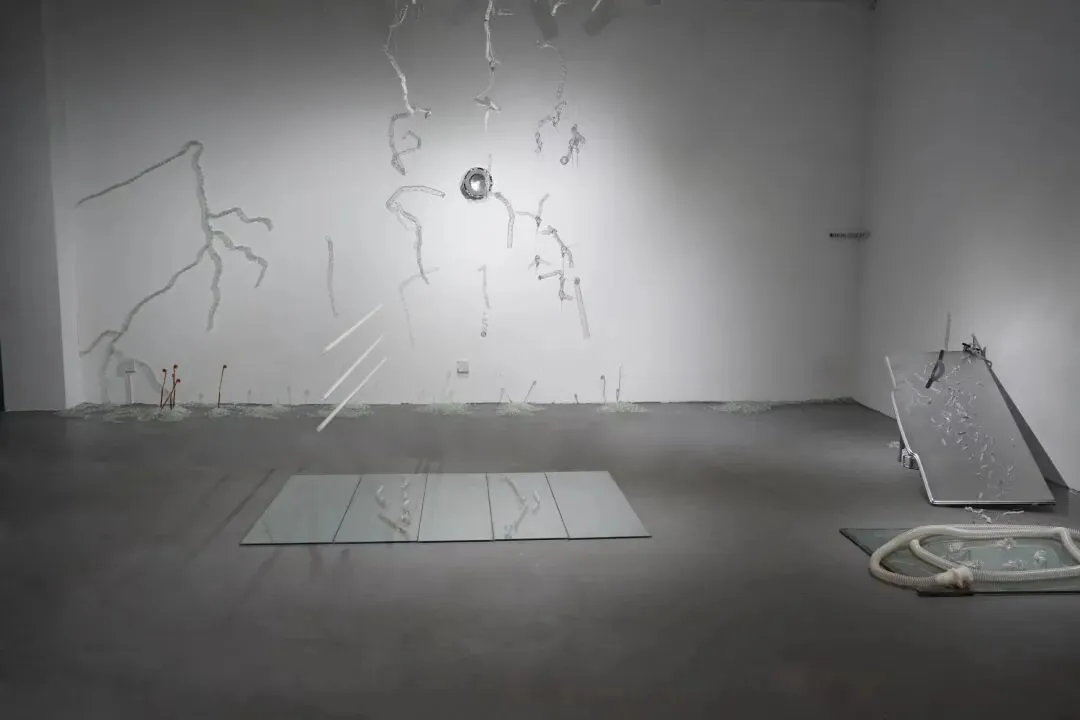
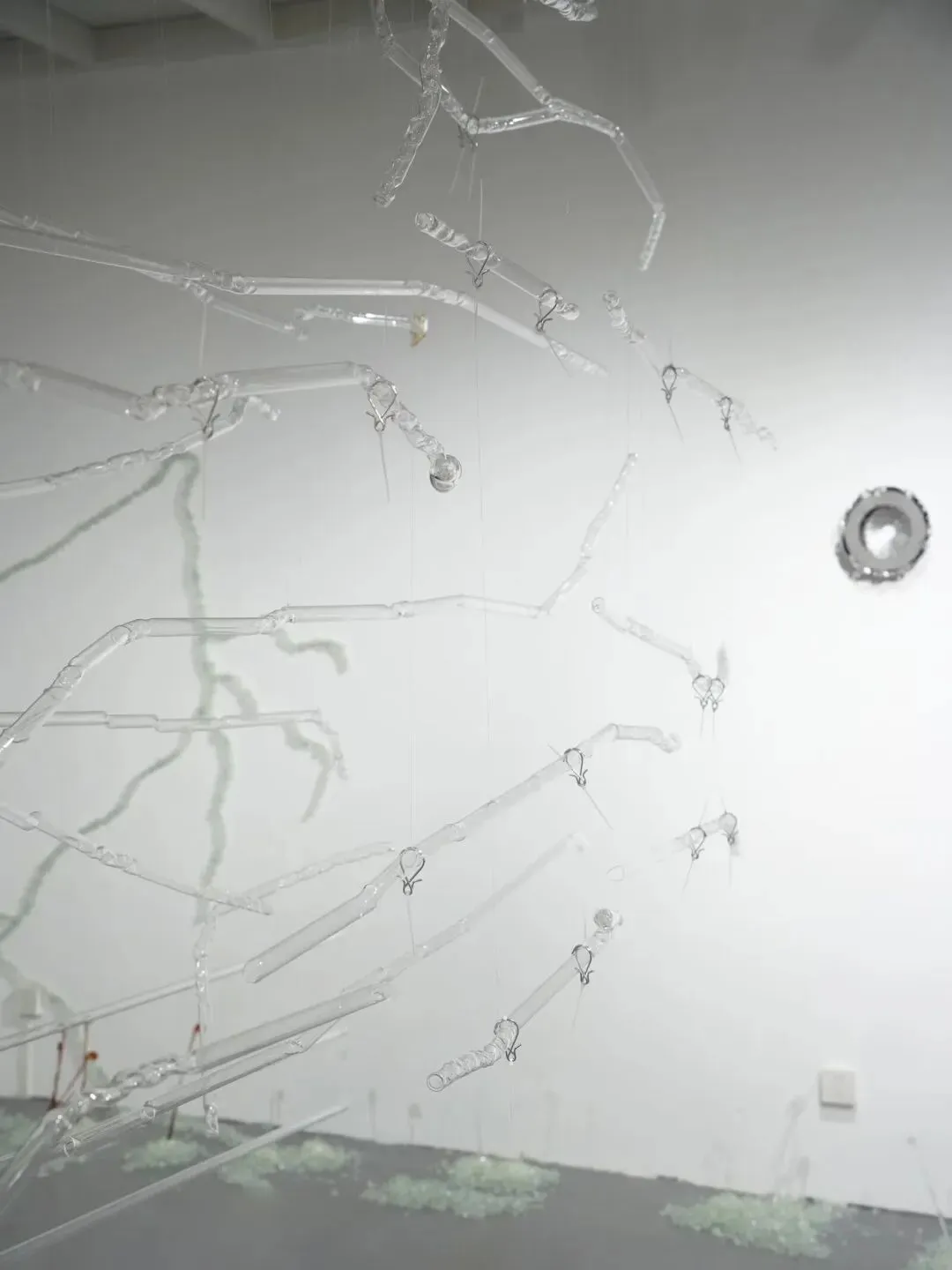
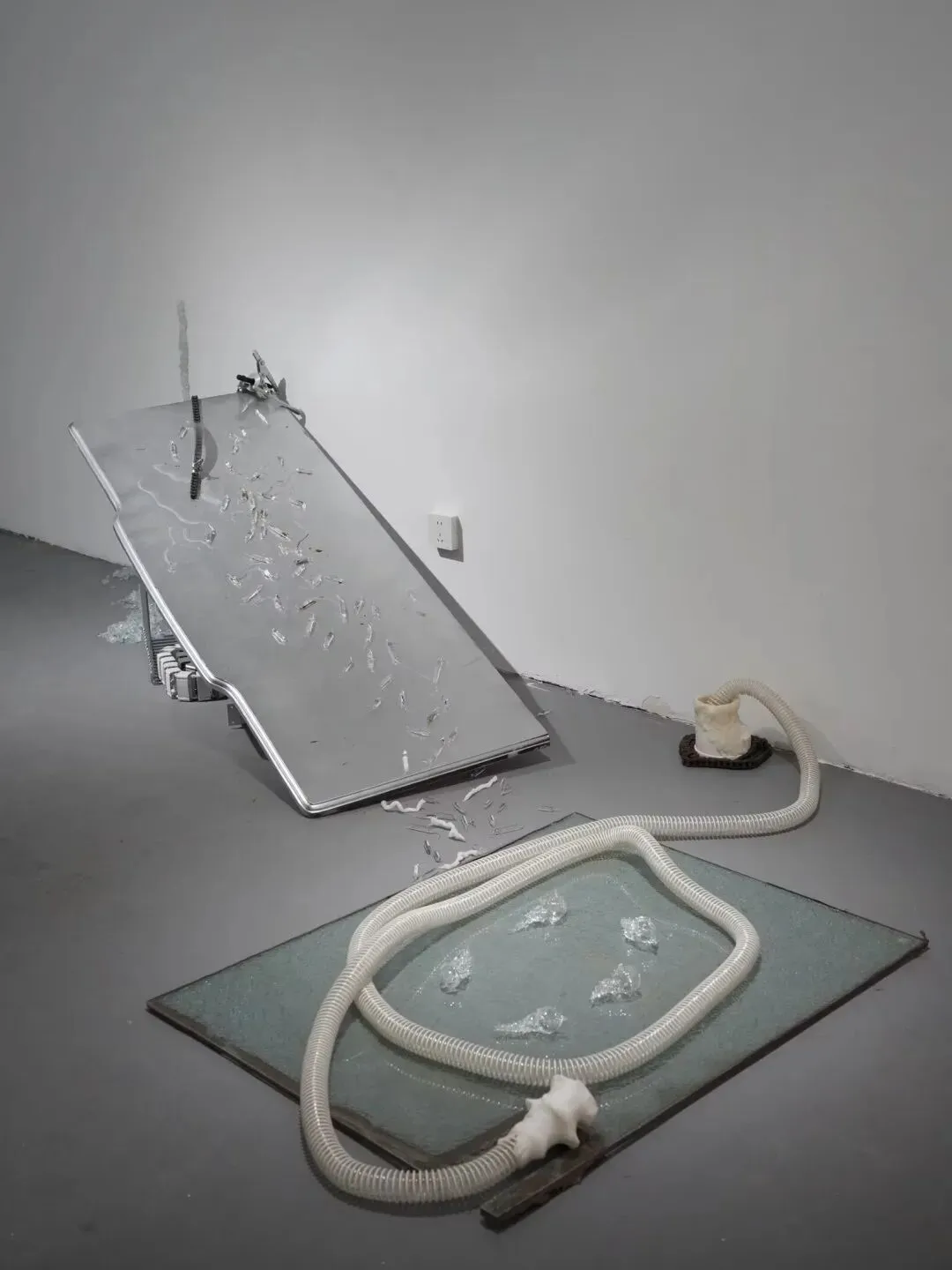
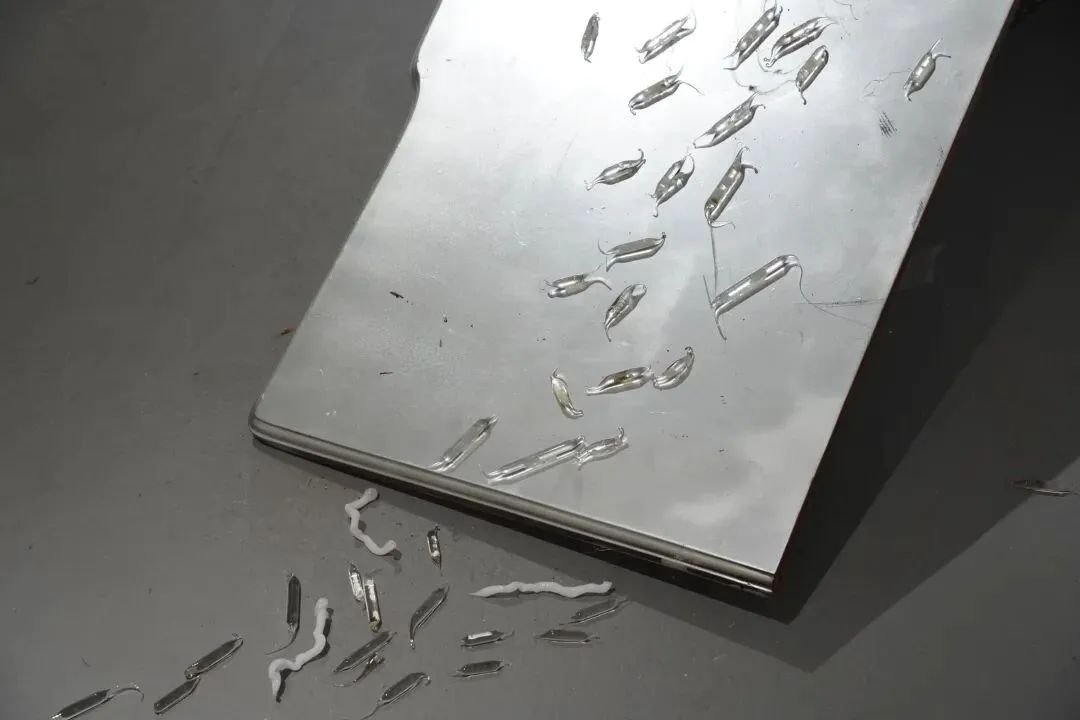
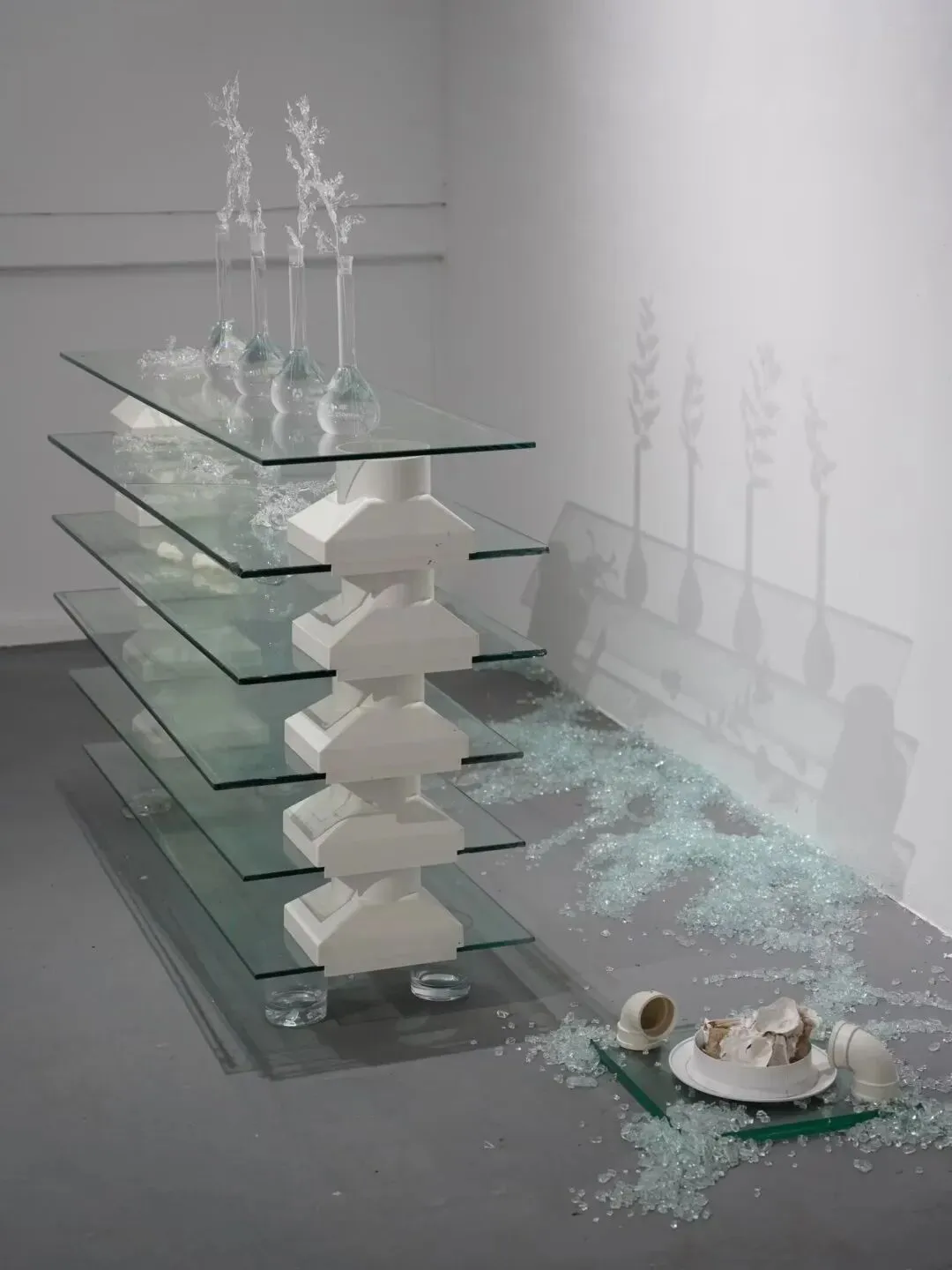
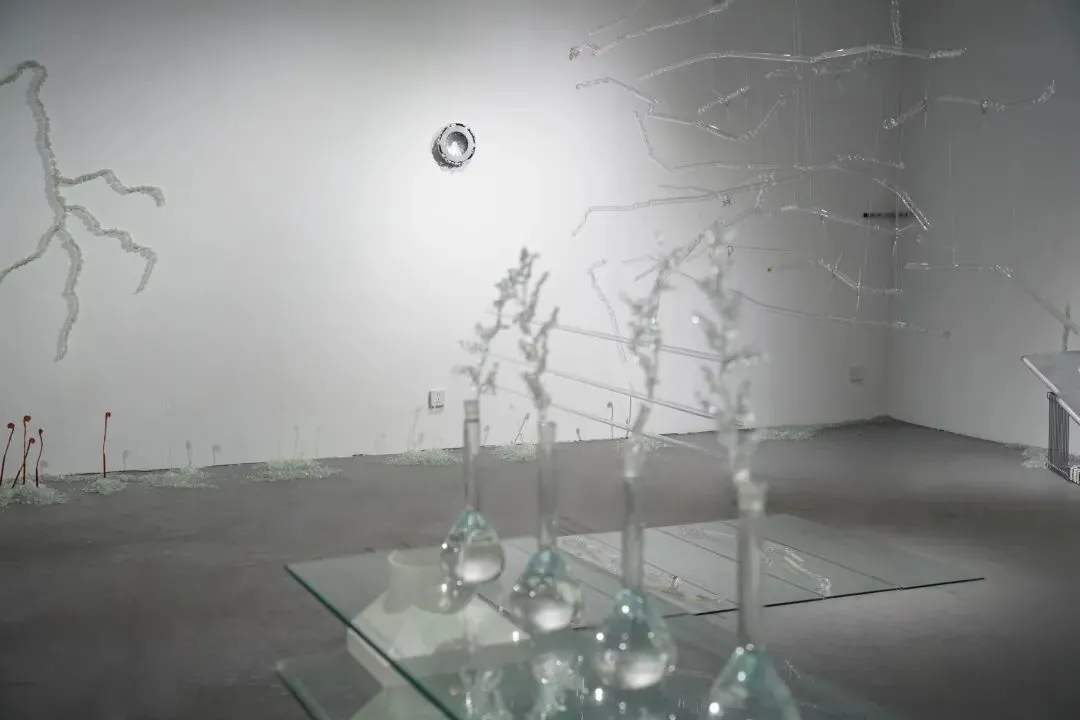
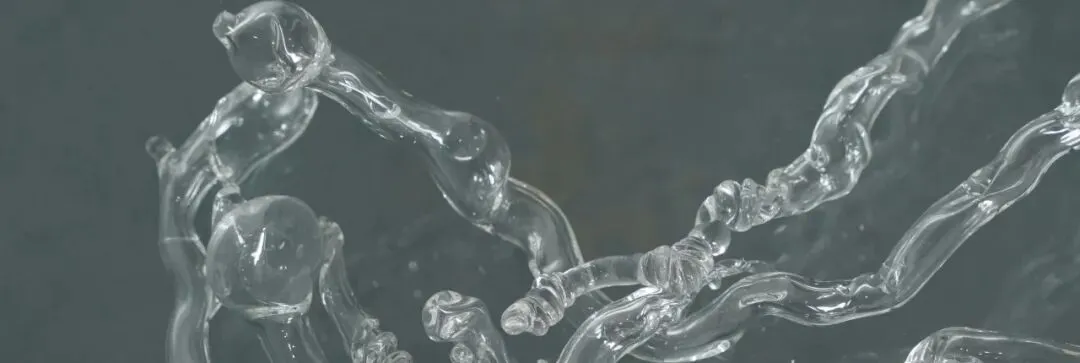
东方疗愈传统提供线索。牡蛎、海螺、艾草等药用素材被记为“甘凉无毒”,用于安神、疏肝理气。与认知行为疗法及迷走神经调节法并行,这些“舒缓—修复”方法为情绪复原提供文化与身体通道。最终,我将目光投向玻璃这一艺术手工材质上,以其高温下的缓慢相变、刚化与脆裂,成为情绪易碎与坚韧并存的具象呈现。玻璃透明反射情感的敏锐,映照情绪细微的变化。
本次展览旨在搭建一个安全的表达出口:承认并接纳不完美,让情绪被看见并被理解。理解身体的警示、修复神经的平衡、在社会与人际层面给予更多宽容,都是“允许脆弱”的日常实践。愿此处成为脆弱可以栖息、可以被温柔对待的地方。
——袁箫
Allow Vulnerability
Starting from the vagus nerve, I focus on how those around me express anxiety and depression. A student once wrote in a sick note: “Teacher, I have bipolar disorder and may have episodes at any time… I’ve been feeling unwell recently and need to rest for a few days. I’m worried I won’t finish my piece — could the deadline be extended?” This is not an isolated case: beneath apparent tolerance lies the fact that more and more students and friends are struggling with depression and anxiety. I, too, once neglected bodily signals for too long and experienced a vagally mediated faint. My mind remained clear while my body collapsed uncontrollably. That bodily warning made me realise that emotions need a place to be held.
The body is highly sensitive; circadian rhythms, weather and other small environmental shifts all affect our neural sensing. When external stimulation exceeds an individual’s tolerance, the sympathetic nervous system may become overactive and the vagal regulation fail, precipitating anxiety or low mood. Contemporary life’s pursuit of the “perfect tool” has rendered people subject to standardising pressures. Prolonged inner exhaustion disrupts the balance between sympathetic and parasympathetic systems, impairing vagal function and causing emotions to manifest somatically.
Drawing on Walter Benjamin’s idea of an “impoverishment of experience”, we are undergoing a kind of communicative alienation: surface-level connection does not amount to genuine empathy. This spiritual distance can leave the amygdala — which governs fear and anxiety — in a state of prolonged activation, thereby suppressing the vagus nerve’s calming influence and creating a vicious cycle of emotional suppression and neural dysregulation. Psychologist Wang Fang’s call to “allow vulnerability” offers an ethical and practical route out of this loop: only by permitting vulnerability to be expressed and met, both individually and socially, can such imbalance be mended.
Eastern healing traditions point to complementary resources. Oysters, conch and mugwort are recorded in classical texts as having “cool, non-toxic” properties and have long been used to calm the mind and regulate qi. Alongside cognitive behavioural approaches and vagal regulation techniques, these soothing and restorative practices provide cultural and bodily channels for emotional recovery. In the studio I turn to glass as a handcrafted material: its slow phase change under heat, its hardening and its fragility render visible the coexistence of vulnerability and resilience. The transparency and reflectivity of glass, keen and responsive, can mirror the subtlest shifts in feeling.
This exhibition seeks to build a safe outlet for expression: to recognise and accept imperfection, and to let emotions be seen and understood. Attending to bodily warnings, restoring neural balance, and practising greater tolerance in social and interpersonal life are everyday ways of allowing vulnerability. May this place become somewhere vulnerability can rest and be treated with gentleness.
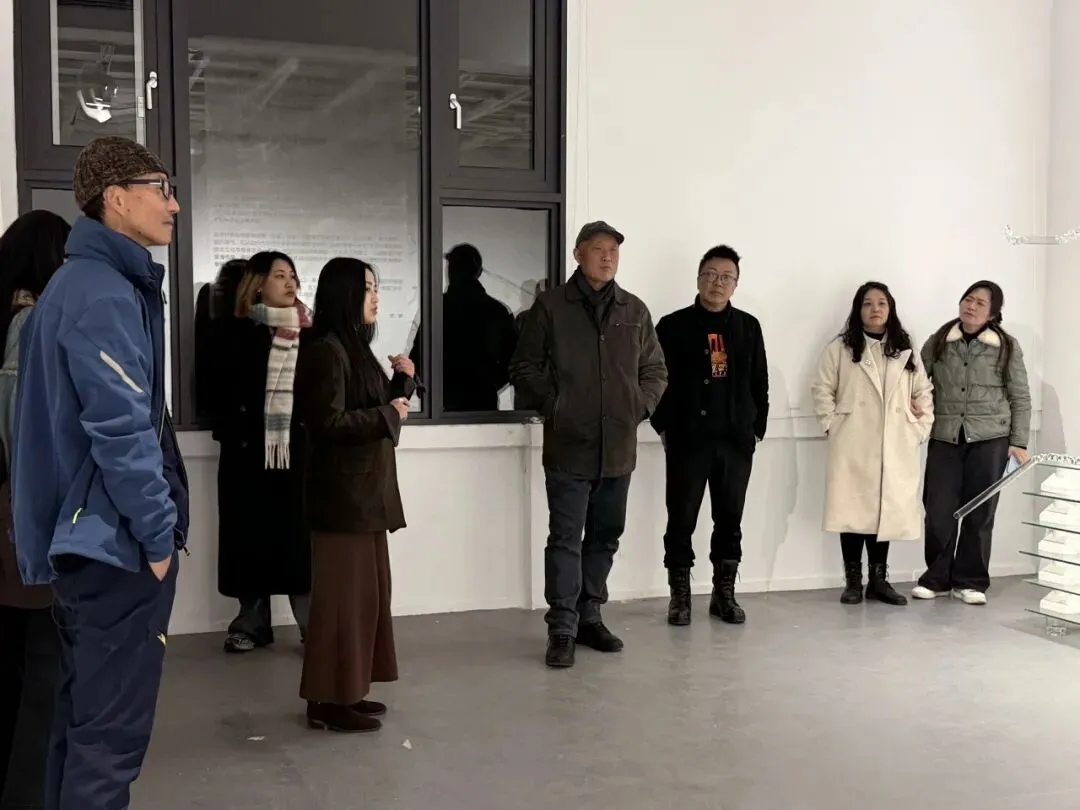
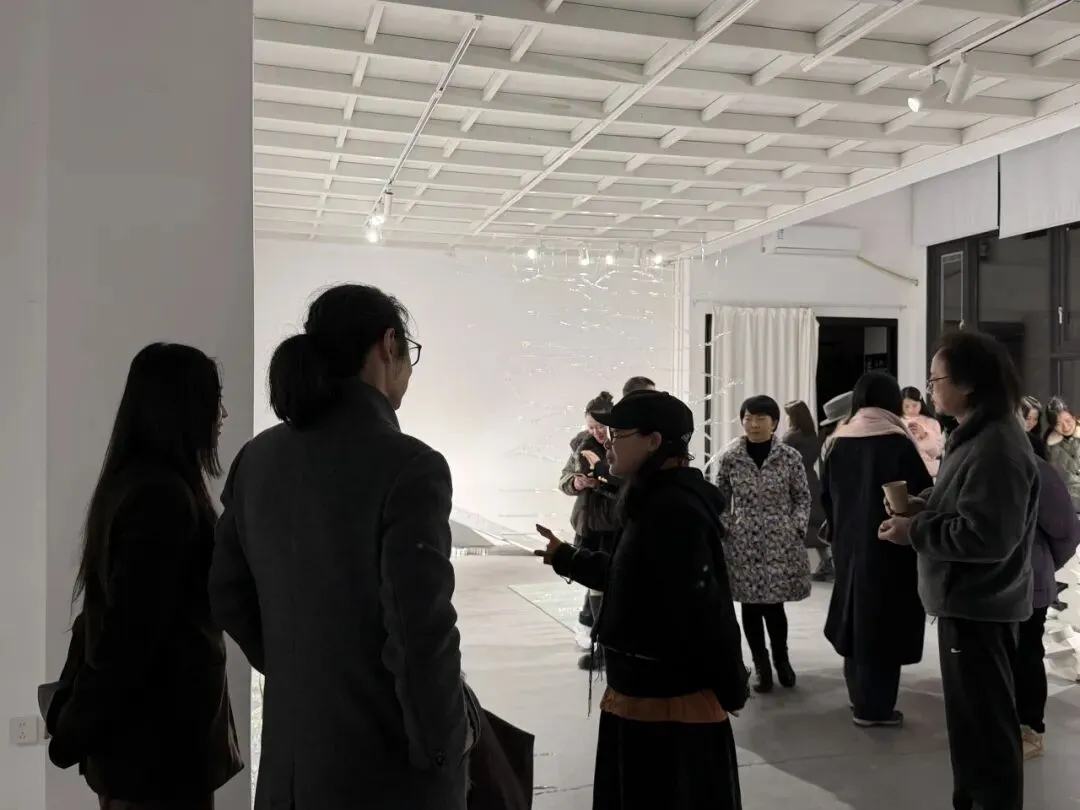
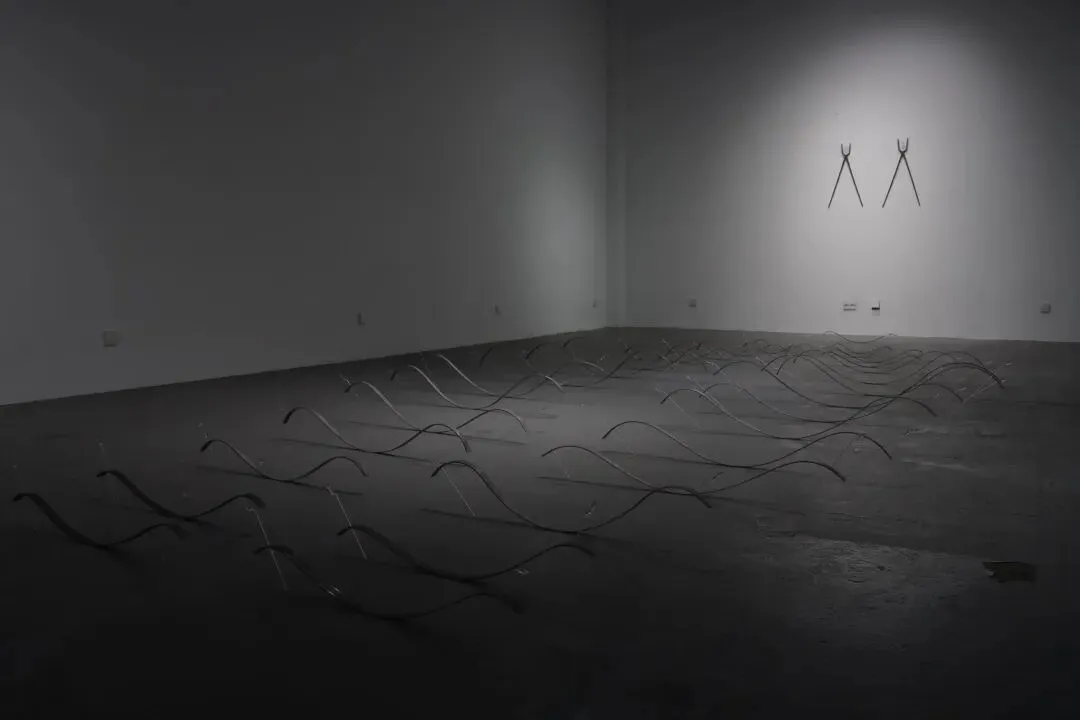
—展览现场—
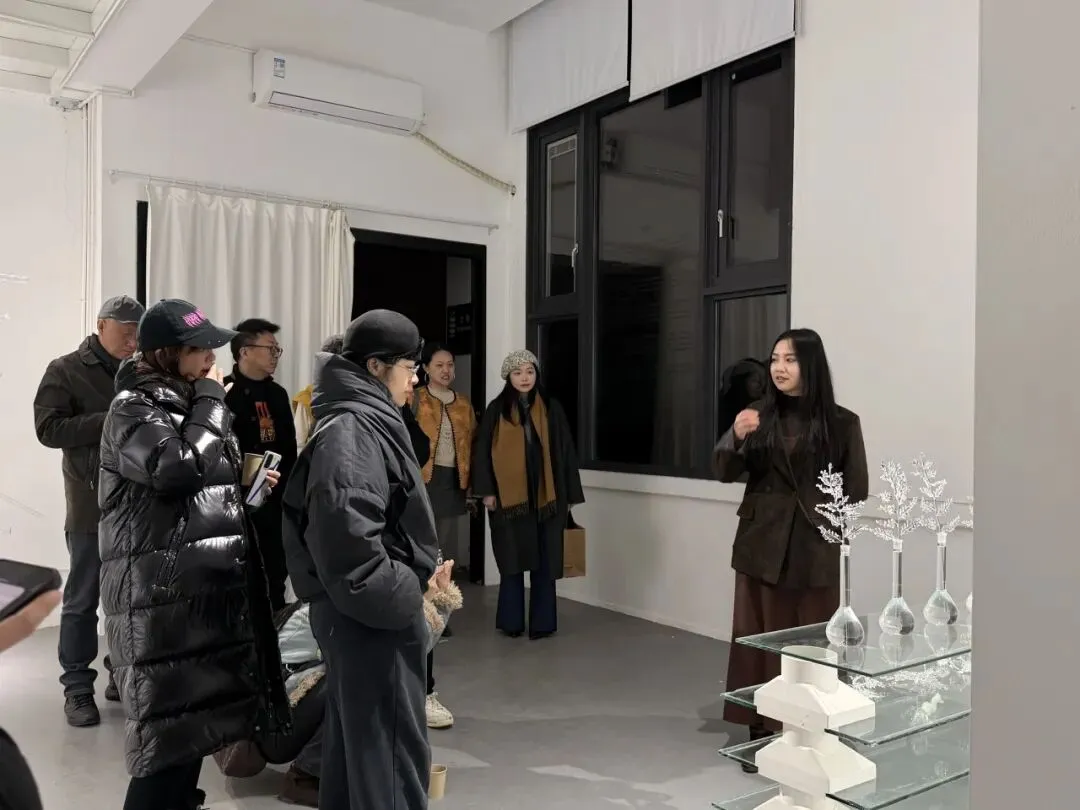
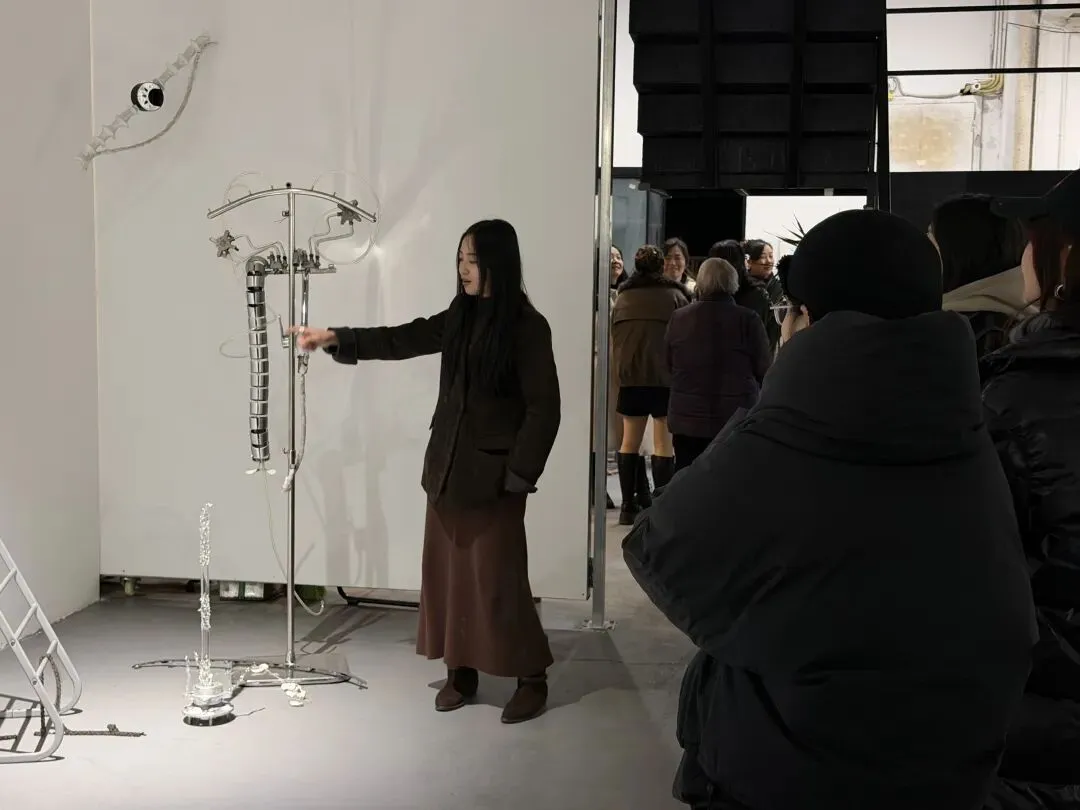
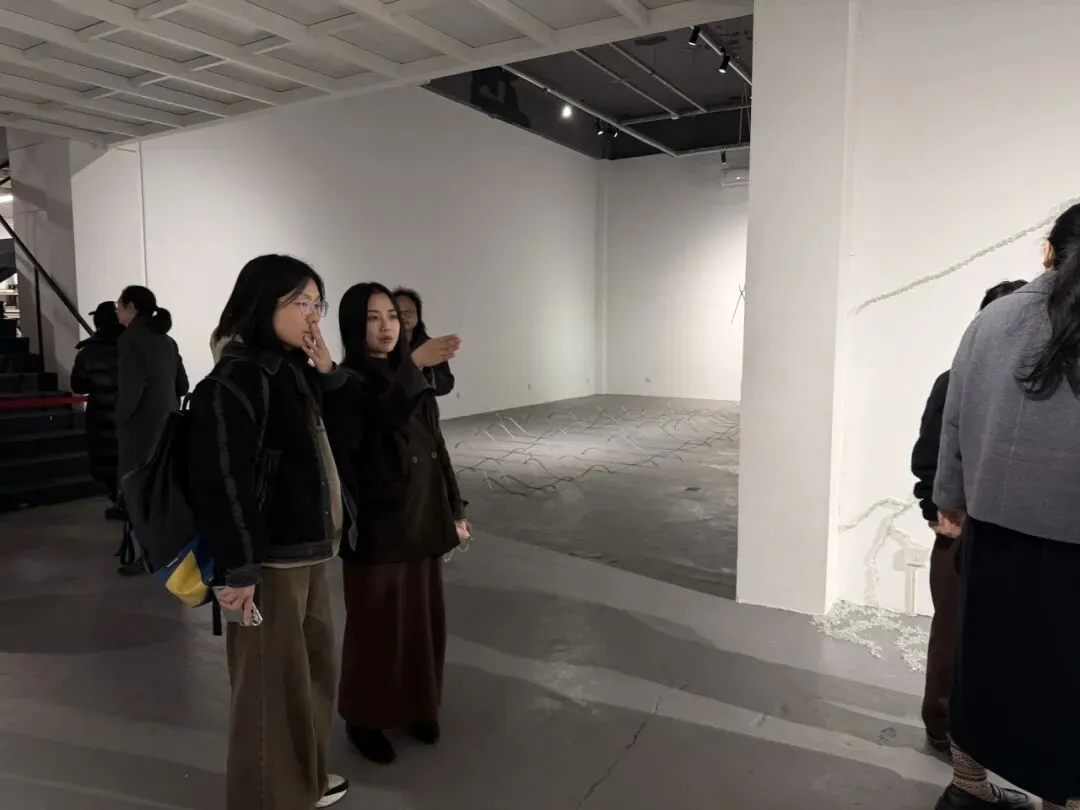
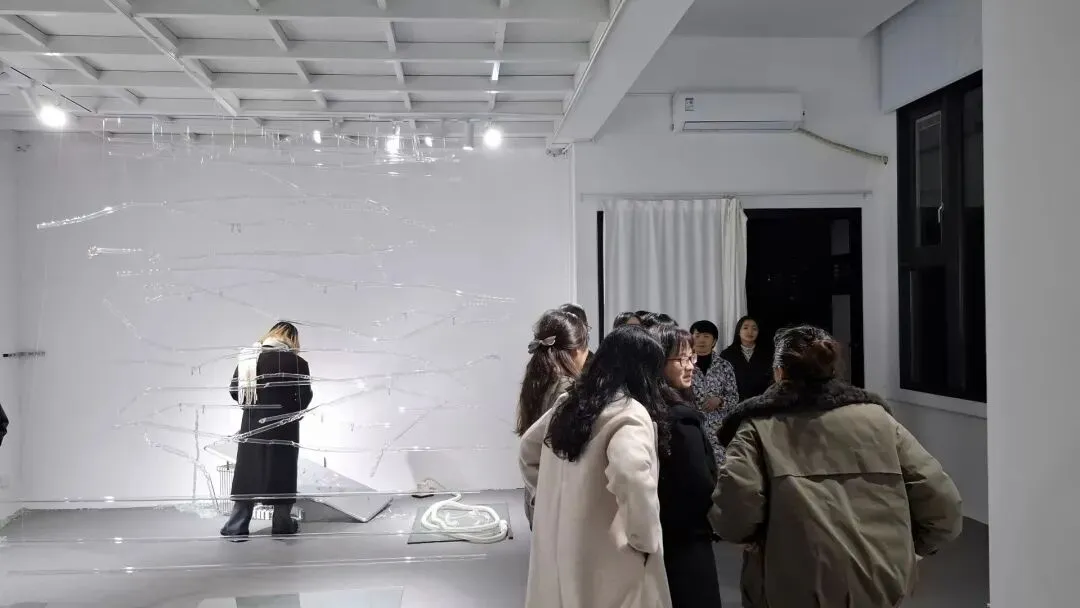
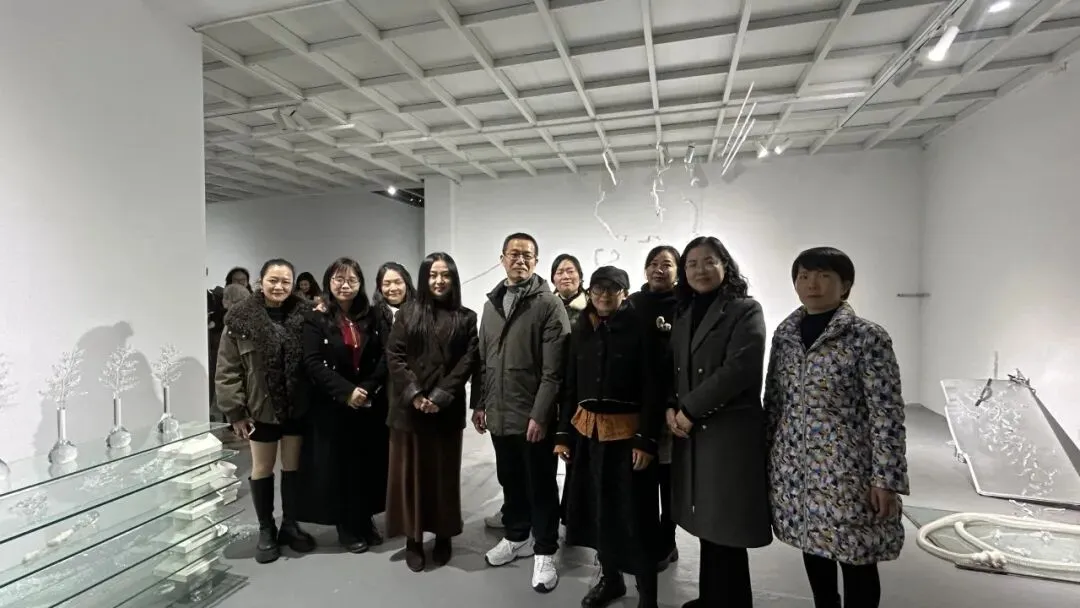
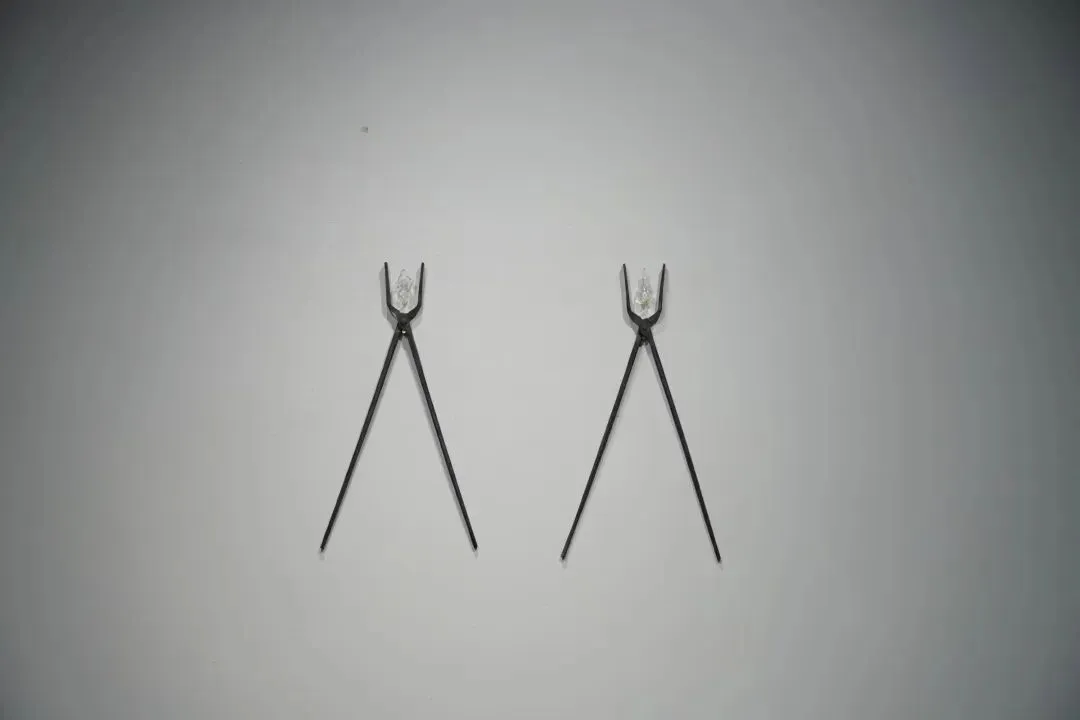
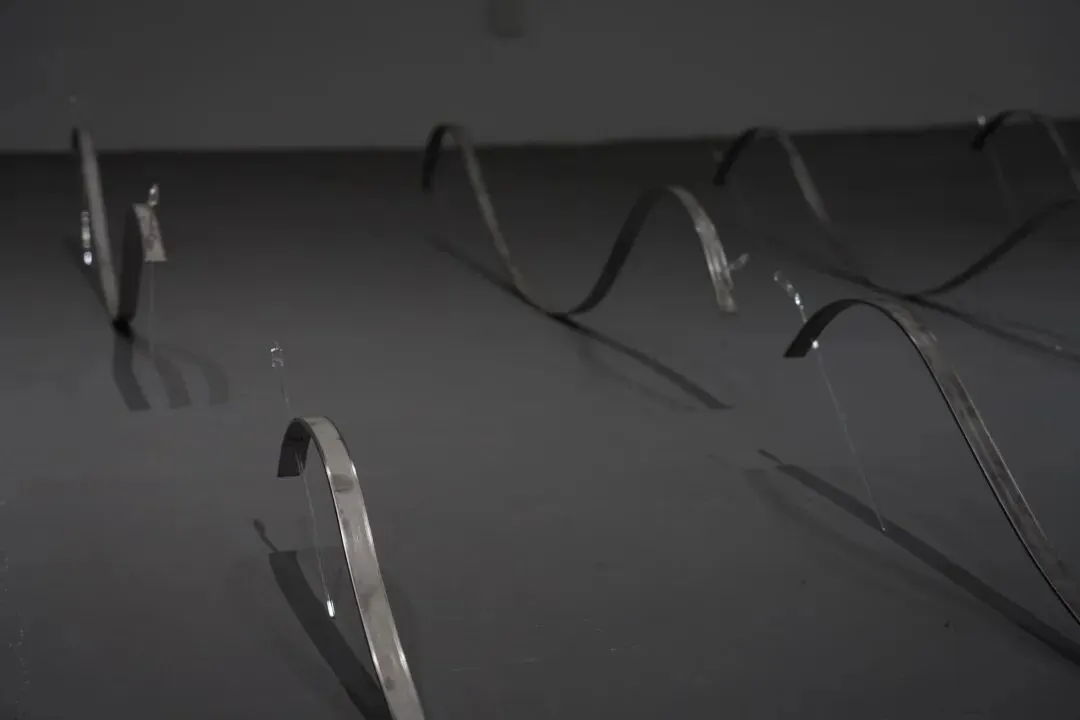
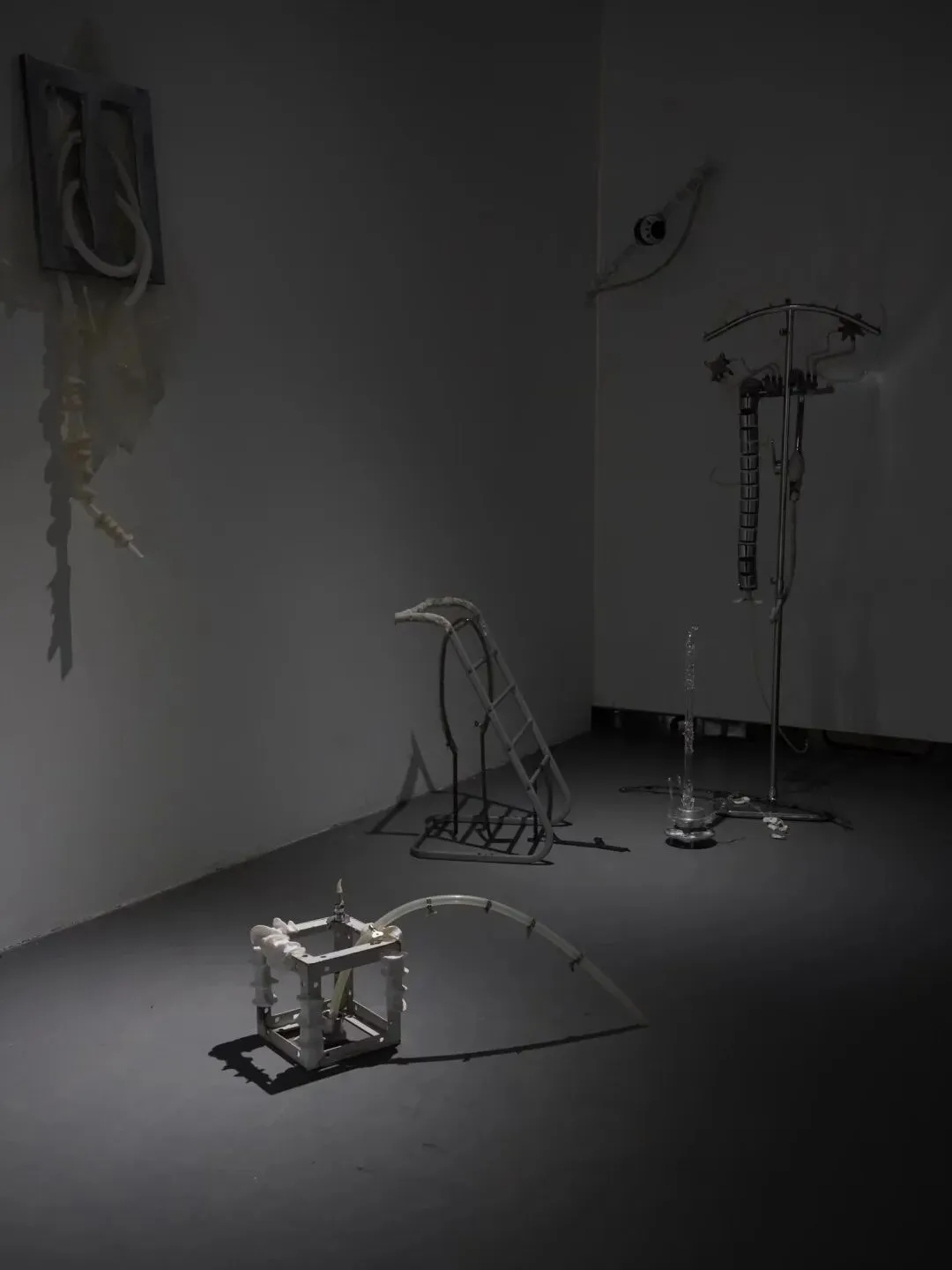
—作品呈现—
—关于艺术家—
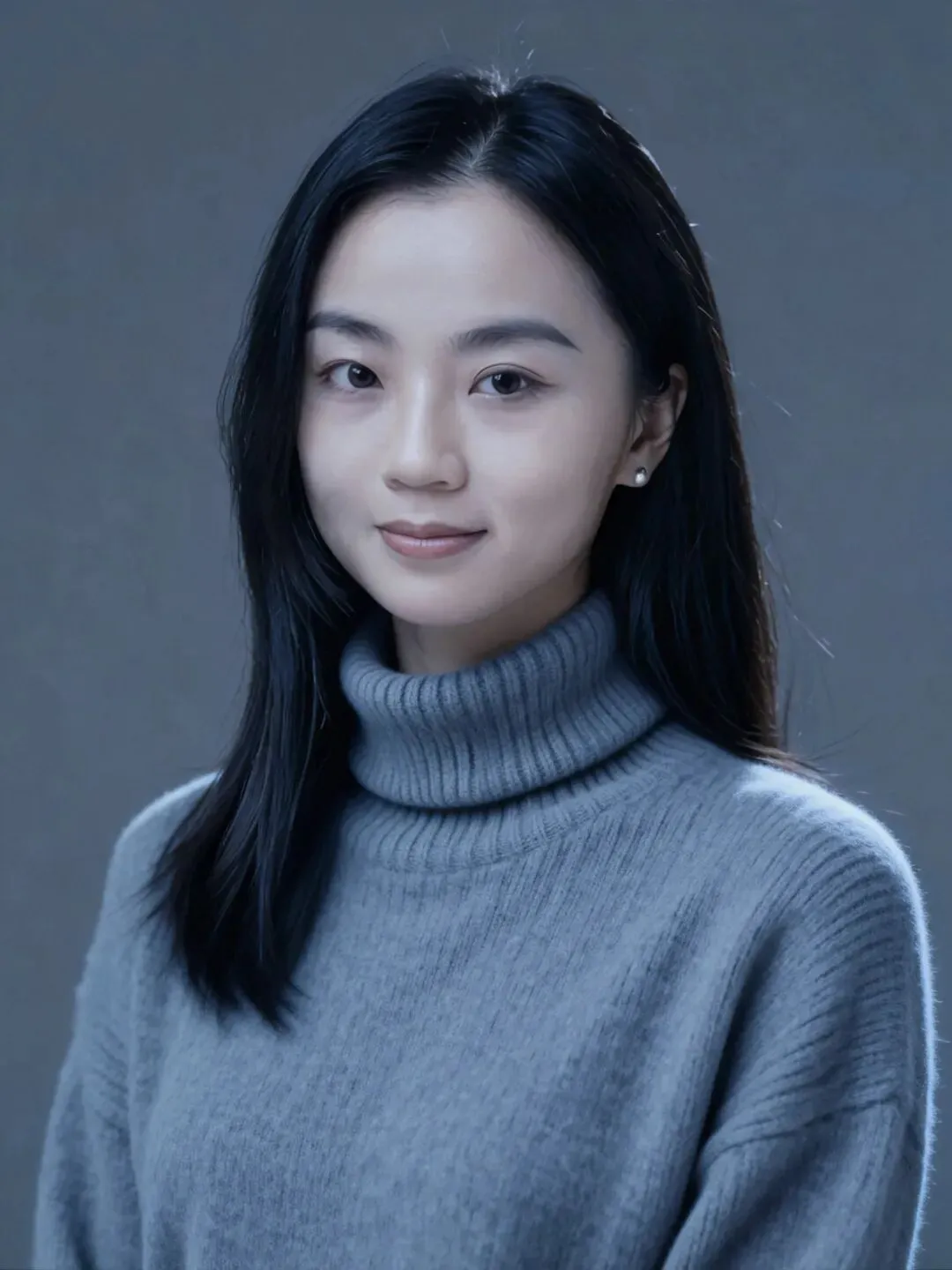
袁箫,1993年出生,现工作生活于重庆。2016年毕业于英国南安普顿大学温彻斯特艺术学院,获硕士学位; 2015年毕业于四川美术学院,获学士学位。她以绘画和装置为主要的创作媒介,关注自然与疗愈、生产与消费、旧物材料与个体的关系。
Yuan Xiao, born in 1993, based in Chongqing, graduated from Winchester School of Art University of Southampton, majoring MA of Fine Art, UK in 2016. Acquired BA of Chinese painting from Sichuan Academy of Fine Arts School, China in 2015. She works with installations and paintings, focusing on the relationship between nature and healing, production and consumption, old materials and individuals.
关于我们
北象·序空间
NORTHWARDS XU
「空间简介」
北象·序空间,前身为501序空间,新场地落成于2024年,是一个开展艺术展览、艺术家驻地创作和研究实践的实验空间。其目标是试图构建一处不断交流的乌托邦。北角即是它所处区域地理位置的直接概括,同时还有“北方的大象”这样不存在的联想表达,意在对艺术之虚空,未来之不可测做出回应。空间推出包括但不限于展览、工作坊、艺术家驻留等项目。
「参观须知」
联系方式:19112408070(Tel/WeChat)
邮箱:northwards_xu@foxmail.com
开馆时间:12:00-17:00
(周一闭馆,周二到周日提前三日预约)
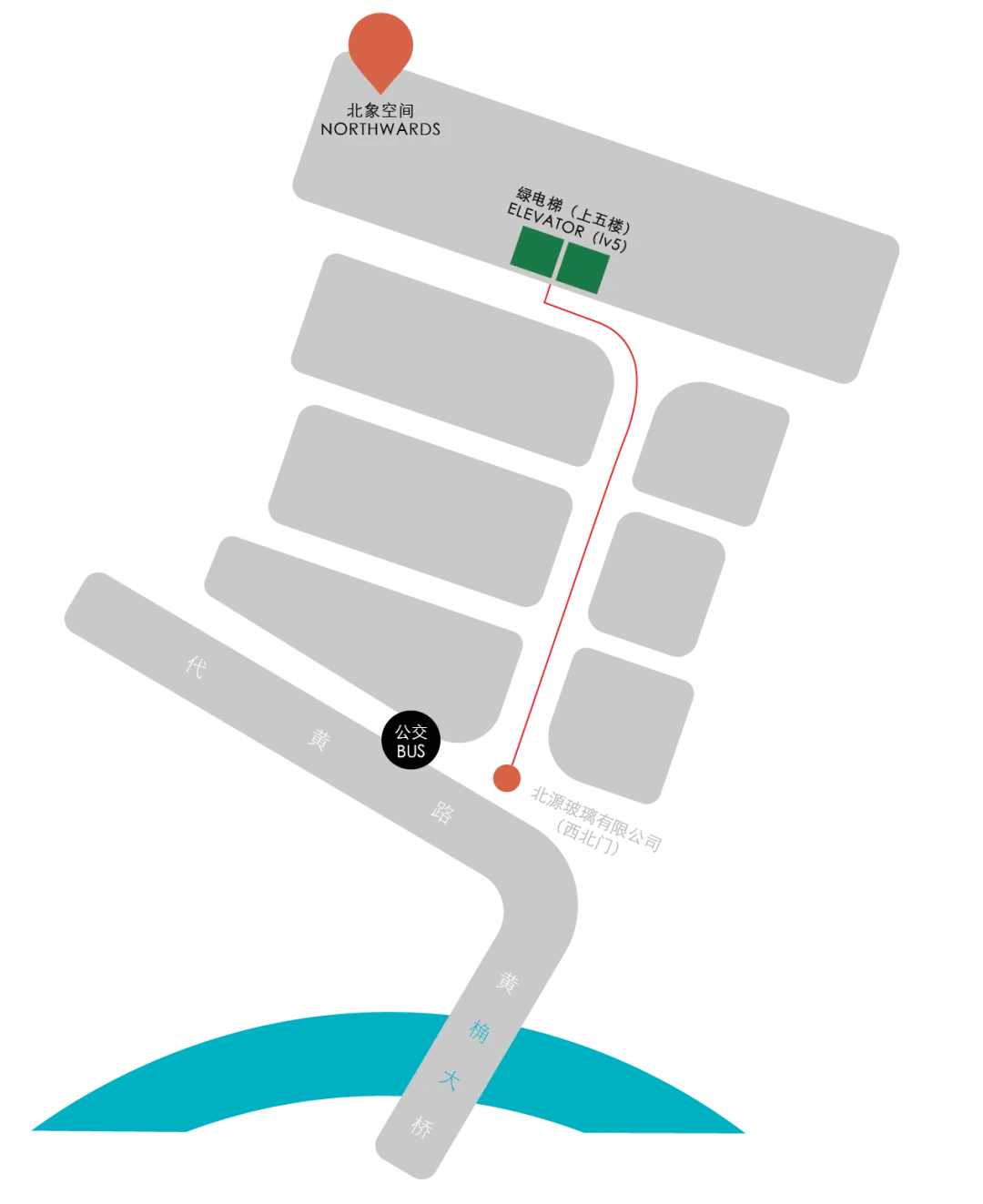
地点:中国重庆市北碚区北源玻璃厂5楼
导航搜索"重庆北源玻璃有限公司(西北门)
摄影:李歌
海报设计:谭志浩
推文编辑:谭志浩
审核:闫彦
志愿者:谭志浩 李歌 白玉琪 刘一可
