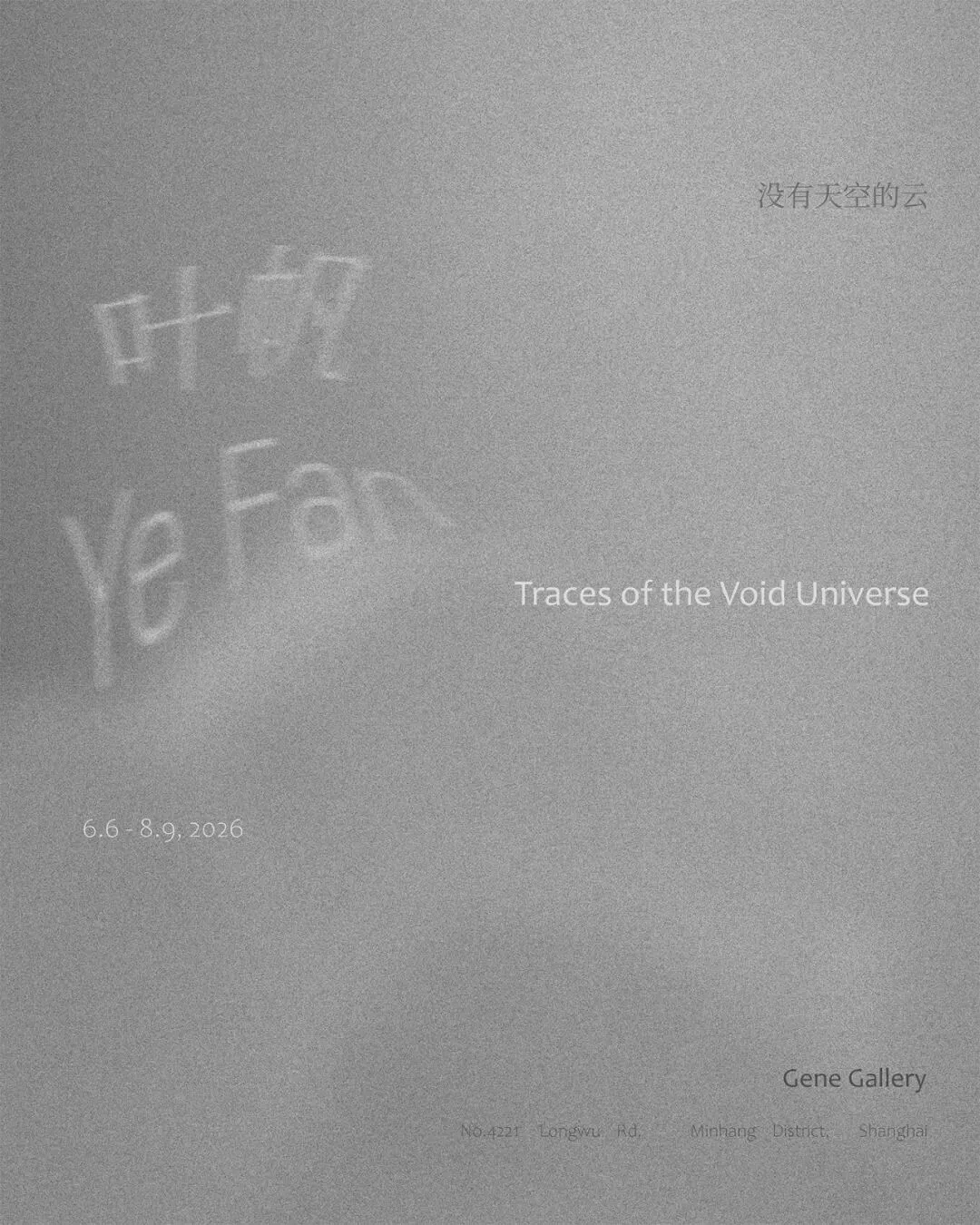
Scroll down for English
那个地方有云。
准确来说,是像云的东西。
不是被语言命名之后的“云”,不是抬头便能确认方位的“云”,也不是早早被划入某片归属的“云”。她只是隐约觉得,那东西很早便在那里了,甚至早于“云”这个字本身。早到声音还未凝成词句,早到每一段心绪都还没有清晰的边界,也找不到既定的归处。
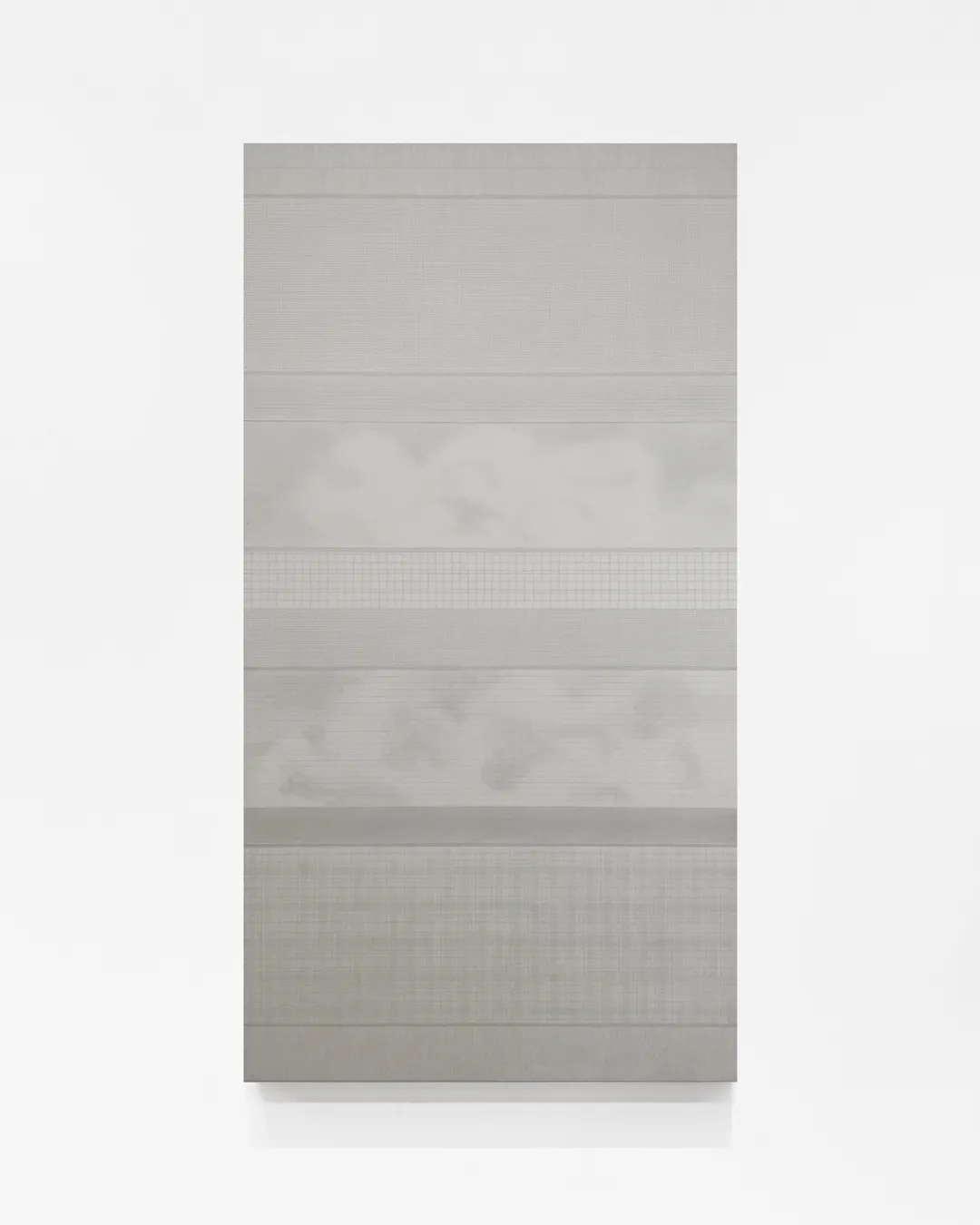
叶帆 Ye Fan, 天气 102, 纸本水墨Ink on paper, 160 x 85 cm, 2026
早晨七点,门外断断续续飘来气象播报的声响。听不真切,只能依稀辨出晴、阴、气温、风力,以及几个模糊的数字。那些零碎的字眼还未来得及落定,播报声便越过它们,平缓而拖沓地滑向下一句。晴雨冷暖仿佛只是从它口中短暂经过,并未留下多少重量。
想来,今日应当是个晴天。
桌上铺着那张没画完的纸。光落下,纸面浮起一层淡淡的茶色,像入夜前残留的一小片傍晚。她拿起来看了一会儿,那似乎是一层水汽,只是颜色极浅,浅得近乎透明。日子大抵也是这样:不能说确切存在,也不能说全然没有。
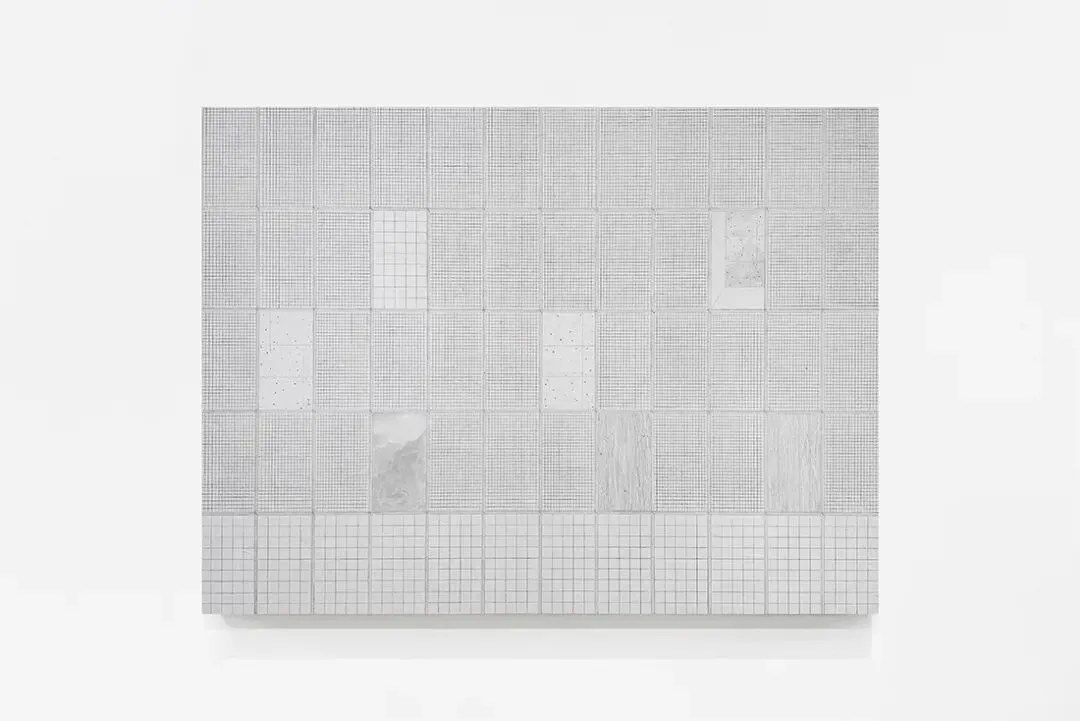
叶帆 Ye Fan, 隐匿的风景 9, 纸本水墨 Ink on paper, 60 x 85 cm, 2024
雨还是自顾自地落了下来。那一点关于晴天的判断,转眼便蒙上一层薄尘。
播报声停了一瞬,又随即续上,雨,增多。几个字被拖得平缓而迟钝。可最后一个音还没散尽,雨已先一步收住。然而这次,声音并未因此停顿,很快转向下一项。至于雨为何落下,又为何忽然停住,似乎并不属于它的秩序。它所能维持的,不过是在差不多的时候响起,用早已编排好的字句,将生活规整地安置:像一根根并排铺开的线,清晰而具体,带着精确到令人安心的刻度;又同样含糊——一根挨着一根,一日接着一天,前面仍是前面,方向相近,间距相近,远远望去,几乎没有分别。
“雨总会停。”
“风总会过去。”
“山就在那里。”
“海永远流动。”
“星辰只在夜空出现。”
仿佛只有当想象与实在保持高度一致,生活才可以平稳顺利。
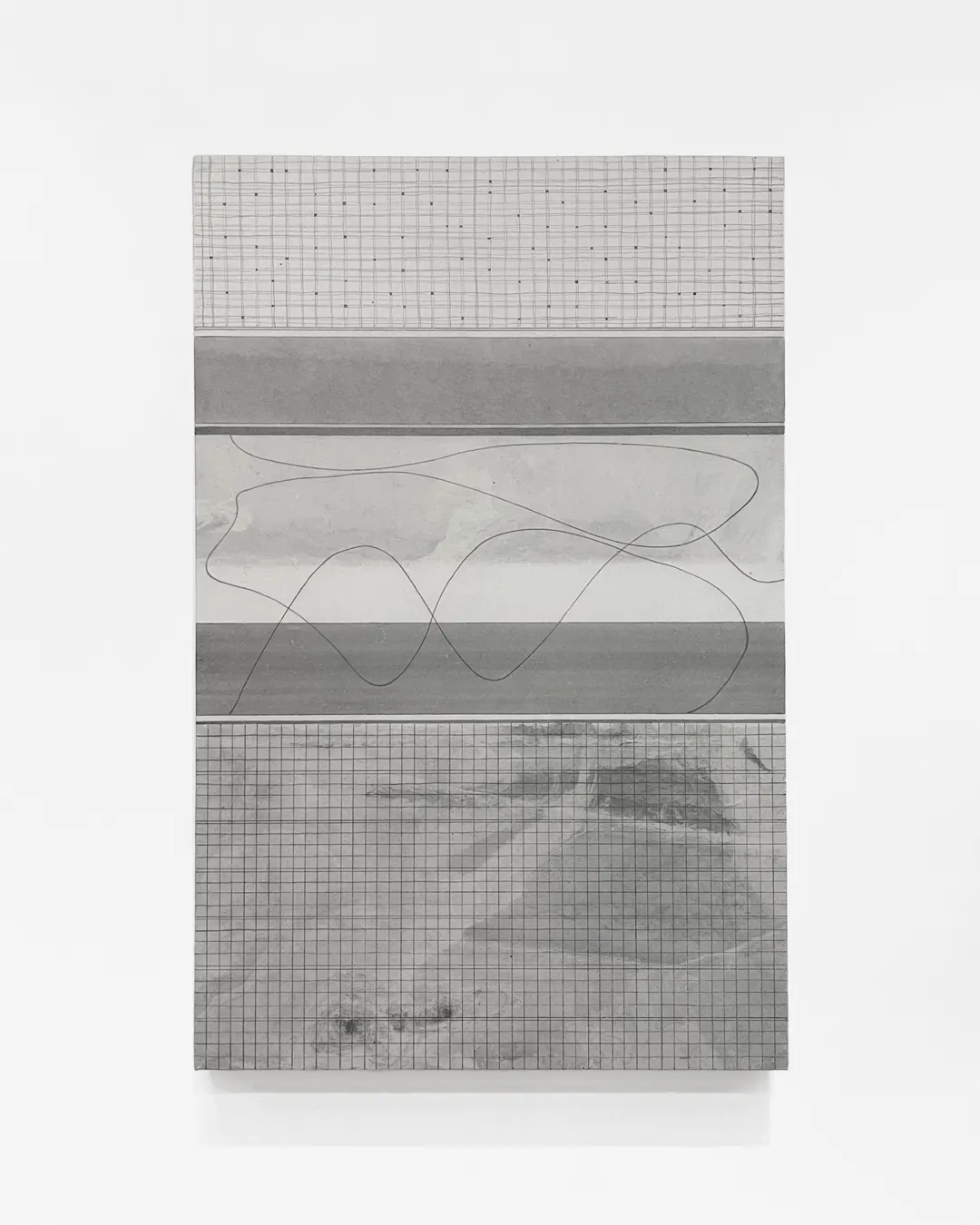
叶帆 Ye Fan, 天气 201, 纸本水墨 Ink on paper, 40 x 26 cm, 2026
雨也好,风也好,山、海、星辰也好,它们从来不为契合某个称谓而存在,也不会为了贴近某种既定轮廓停下脚步。没有确切的来处,也无注定的归处;不曾彻底脱离过往,也未必奔赴终点;它们不解释什么,也不试图留下什么,只是在时间的长河里往复穿行,在缝隙间短暂停驻,又在无声之中悄然离开。
枝叶间残存的水光,细碎地晃了一晃。日子仍旧沿着原来的方向延展,一切平静如常,平静得如此相似。
可总有细小的东西,会因它们的经过而改变。光偏了一寸,纸面上的水渍便深了一层,墨向外松开半分。昨日的浓墨隐入更深的底色,今日的水从一旁轻轻绕过;待到明日,也许只剩下一抹浅淡的灰白。那些痕迹从不刻意张扬,只是幽微地伏在日复一日的积尘之下,藏在时间流逝的缝隙中,安静得几乎无法被指认,却依旧能拢住一缕暖意,也能透出一丝潮润;能浮起朦胧的灰影,也能隐去刺目的光亮。
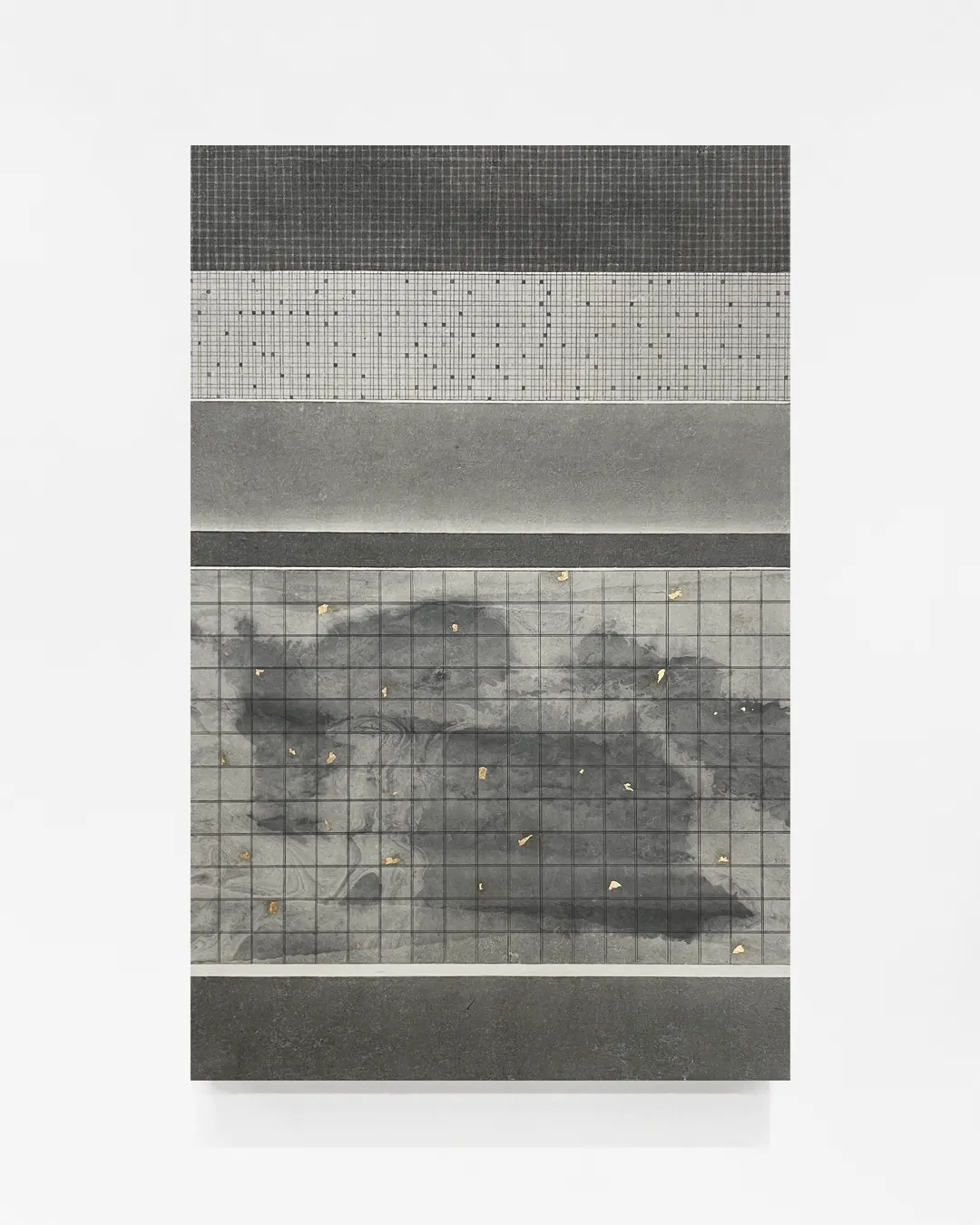
叶帆 Ye Fan, 天气 203, 纸本水墨 Ink on paper, 40 x 26 cm, 2026
她追逐着记忆中的山、海、星辰。
几缕黛色的线条蜿蜒缠绕,
围出一片空茫,却始终不曾闭合,
像峰峦历经岁月打磨后,轮廓渐渐涣散,只余下淡淡的怅惘。
似山,又不是山。
几处浅淡的湿痕洇开,
边缘通透,近乎无形,
像潮水退去后遗留在岸滩上的水迹,凝着一缕将散未散的清涩。
似海,又不是海。
几点零落的墨点慢慢渗开,
彼此遥遥相隔,始终无法相接,
像夜幕散尽后,天边残留的微光,藏着无声的寂寥。
似星辰,又不是星辰。
过往的痕迹,像一张写满字的纸浸入清水,并不遵循时间的秩序逐行溶解,而是随机地、错落地淡去。只有当那些被人们用来规整秩序、因而被希望保留的部分先行消散时,隐秘而坚硬的东西才会显露出来。原来它们一直存在,只是长久地藏在更深处。
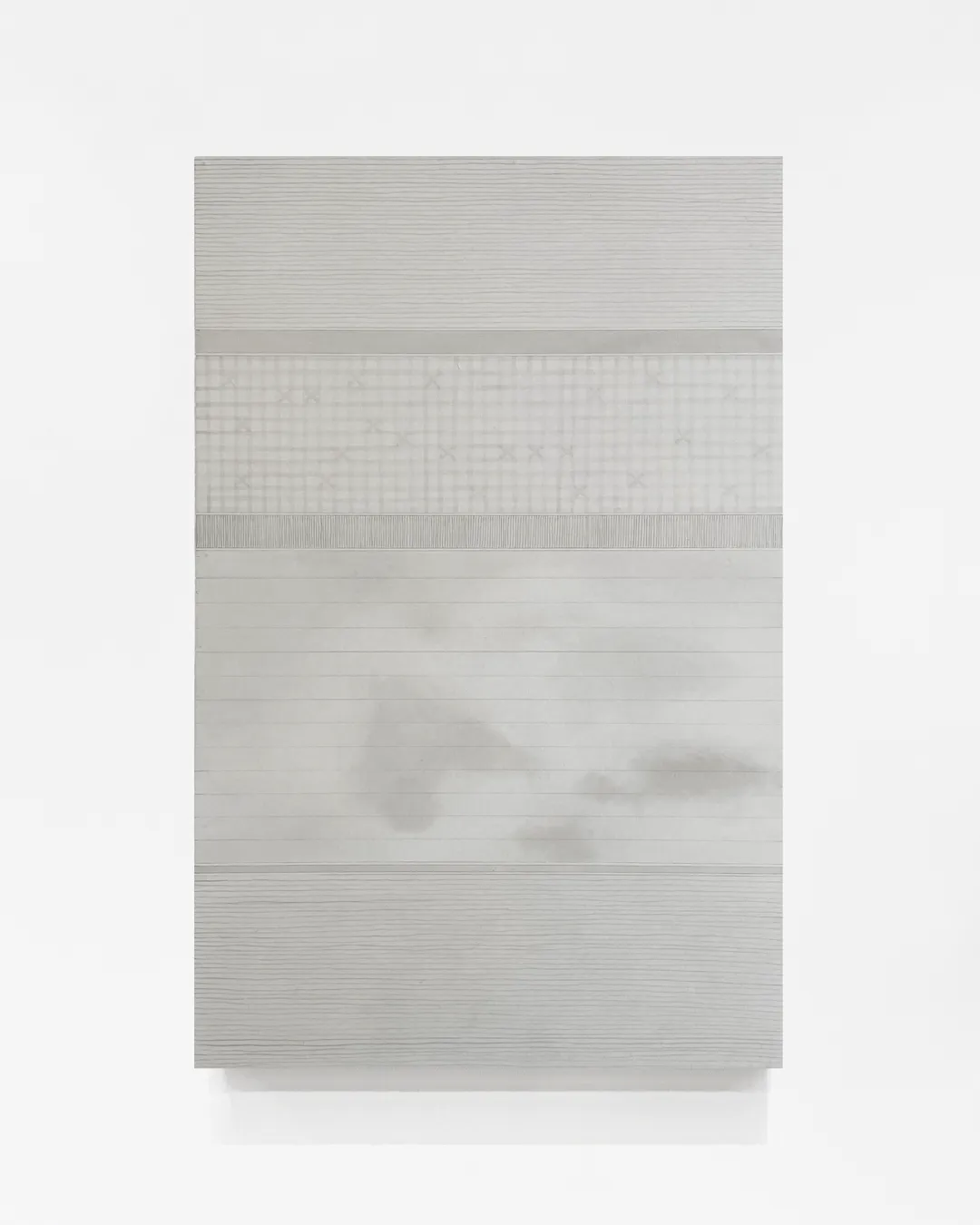
叶帆 Ye Fan, 天气 87, 纸本水墨 Ink on paper, 40 x 26 cm, 2025
那个地方有云。
那一点朦胧的形态与气息,由许多细小而诚实的痕迹相遇而成,却从不归属于其中任何一种。
像云,又不像“云”,
它隐于无边地沉寂之中,退至时间的阴影里,
停驻在意义游离的角落,也游走在相似与偏差的缝隙之间。
日出,日落。
门外的播报声渐渐清晰起来:
“预计今天白天到夜间,我市天气以晴天为主,部分地区伴有阴雨,最高气温三十五摄氏度,最低气温二十五摄氏度,南风三到四级。”
屋内依旧静谧。纸张的纤维轻轻舒展,似有外物悄然拂过。
或许是远方尚未抵达的风,或许是空气里漫开的潮气。
南风尚未抵达,阴雨已前往远方。
那个地方有云,却不见天空。
There is cloud in that place.
There was cloud there.
Or rather, something like cloud.
Not the cloud that appears after language has named it. Not the cloud one locates by lifting one’s eyes. Not a cloud already claimed by some region of the sky. She only sensed, faintly, that it had been there for a long time—longer even than the word cloud. Before sound had gathered into speech. Before feeling had learned its own edges, or known where it was meant to return.
At seven in the morning, a weather report drifted in from outside the door, breaking off and coming back again. She could not quite hear it. Only a few words reached her: clear, overcast, temperature, wind, and several numbers blurred at the edges. Before those fragments had time to settle, the voice had already moved on, slow and even, into the next sentence. Sun and rain, cold and warmth, seemed only to pass briefly through its mouth, leaving almost no weight behind.
The day should have been clear.
On the table lay the unfinished sheet. Light fell across it, drawing a faint tea-colored stain from the paper, like a small piece of evening left behind before night. She lifted it and looked for a while. It seemed to be a film of moisture, though so pale it was nearly transparent. Perhaps days were like that too: impossible to say they truly existed, impossible to say they were not there at all.
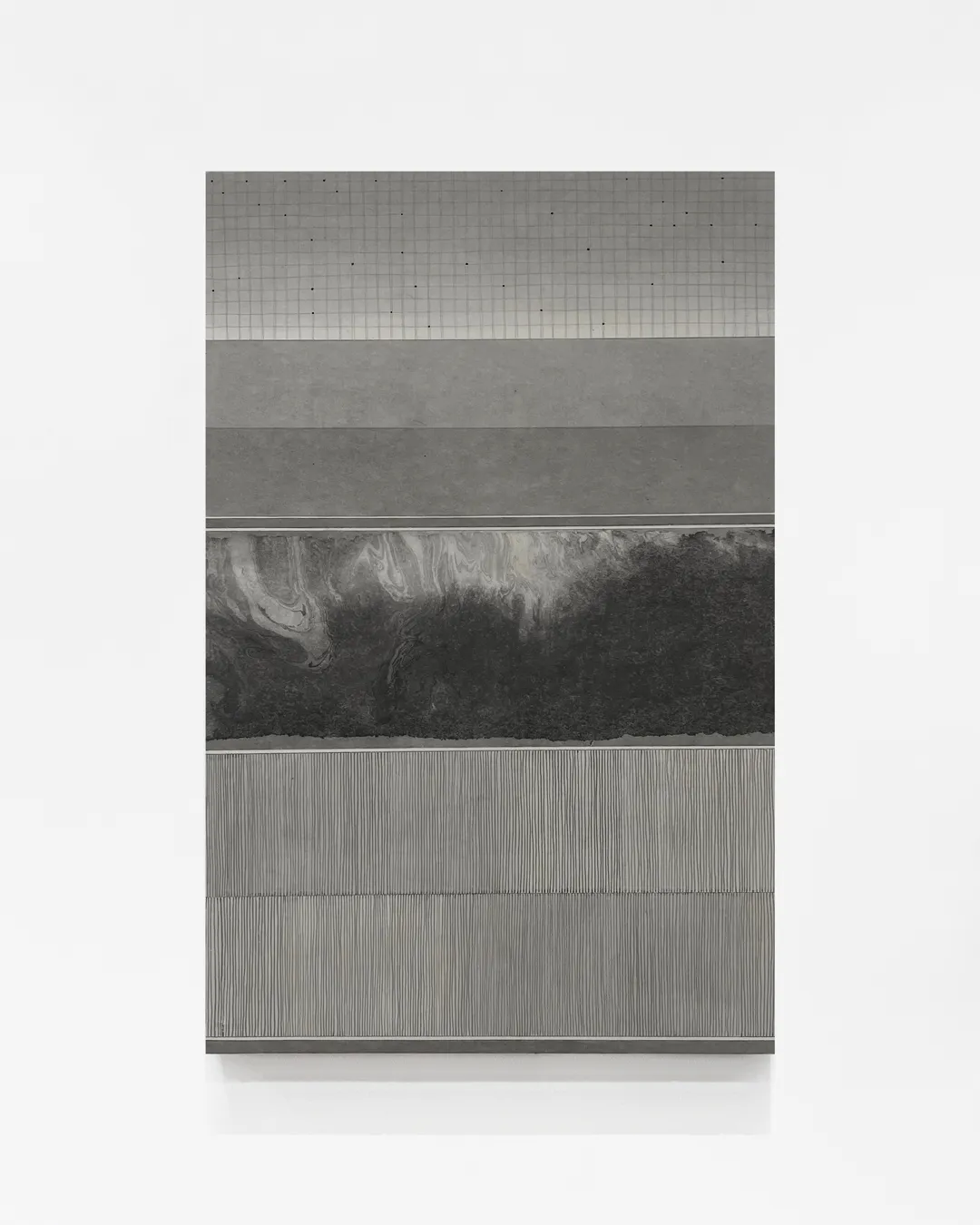
叶帆 Ye Fan, 天气 205, 纸本水墨 Ink on paper, 40 x 26 cm, 2026
And yet the rain began to fall, quite of its own accord. The certainty of clear weather was covered, in an instant, by a thin layer of dust.
The broadcast paused, then resumed: “Rainfall… increasing.” The words were stretched out, flat and slow. But before the last sound had faded, the rain had already stopped. The voice did not pause for this. Soon it had turned to the next item. Why the rain had fallen, and why it had suddenly ceased, did not seem to belong to its order. All it could do was sound at roughly the appointed time, and with sentences arranged long in advance, set life neatly in place: like lines laid side by side, clear and concrete, marked with measurements precise enough to reassure; and yet just as vague—one line beside another, one day after the next, the front still the front, the direction nearly the same, the distance nearly the same, until from far away there was almost no difference between them.
Rain always stops.
Wind always passes.
The mountain is there.
The sea is always moving.
Stars belong only to the night sky.
As though life could proceed smoothly only when imagination and reality remained almost perfectly aligned.
But rain, wind, mountains, the sea, the stars—none of them exists in order to answer to a name. None of them stops in order to resemble some shape already drawn. They have no certain origin, no promised return. They have never entirely left the past behind, and yet they are not necessarily moving toward an end. They explain nothing. They do not try to leave anything behind. They move back and forth through the long river of time, rest briefly in its cracks, and then, without sound, depart.
The remaining waterlight among the leaves trembled once, finely. The days continued in their old direction. Everything was calm as before, so calm it bordered on sameness.
And yet small things are always changed by what passes through them. Quietly, they keep the evidence of what once came near. When the light shifted an inch, the water stain on the paper darkened by a shade, and the ink loosened slightly outward. Yesterday’s dense black sank into a deeper ground; today’s water slipped gently around it from the side. By tomorrow, perhaps, only a faint grey-white trace would remain.
Such traces never announce themselves. They lie low beneath the dust of ordinary days, hidden in the seams of passing time, so quiet they can hardly be pointed out. And still they can gather a thread of warmth, release a hint of dampness, raise a blurred grey shadow, or soften a light too sharp to bear.
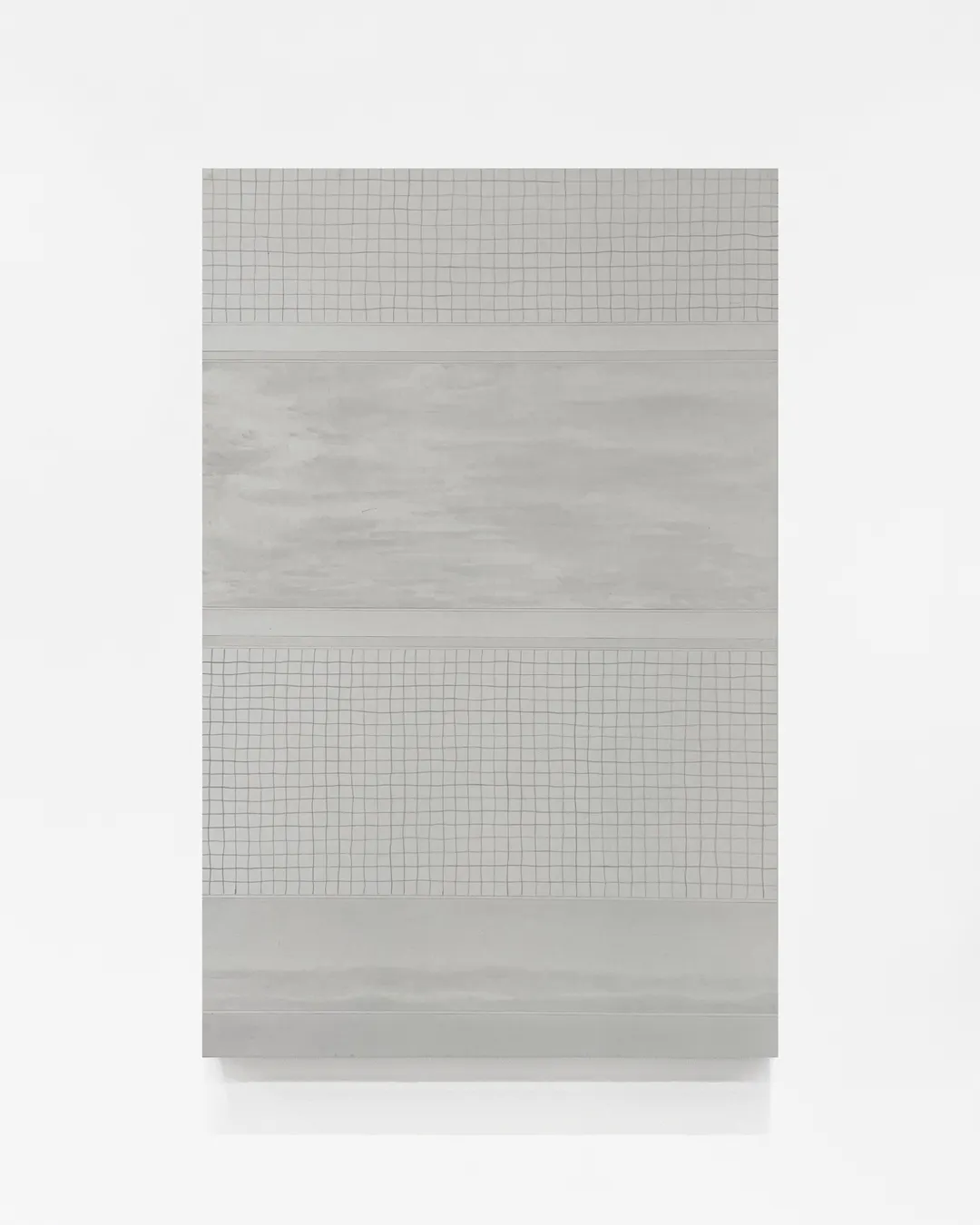
叶帆 Ye Fan, 天气 89, 纸本水墨 Ink on paper, 40 x 26 cm, 2025
She followed the mountains, the sea, and the stars in her memory.
A few dark indigo strokes wound together, enclosing a stretch of emptiness without ever closing it. They were like ridges worn down by years, their outlines slowly loosening, until only a pale ache remained.
Like mountains, and not mountains.
Several faint wet marks spread outward, their edges clear and almost formless, like water left on the shore after the tide has withdrawn, holding a coolness not yet fully gone.
Like the sea, and not the sea.
A few scattered dots of ink slowly opened into the paper, far from one another, unable to meet, like the dim light left at the edge of the sky after night has lifted, carrying a wordless loneliness.
Like stars, and not stars.
The traces of the past were like a sheet covered in writing and lowered into clear water. They did not dissolve line by line in the order of time. They faded at random, unevenly, out of sequence. Only when the parts meant to arrange the world—the parts people most wished to preserve—had dissolved first did the hidden, unyielding things begin to show. They had been there all along, concealed for a long time in the deeper layers.
There was cloud there.
That faint shape, that breath, had formed from the meeting of many small and honest traces, yet it belonged to none of them.
Like cloud, and not like the word cloud. It hid inside a silence without edge, withdrew into the shadow of time, lingered where meaning had come loose, and moved through the narrow seam between resemblance and difference.
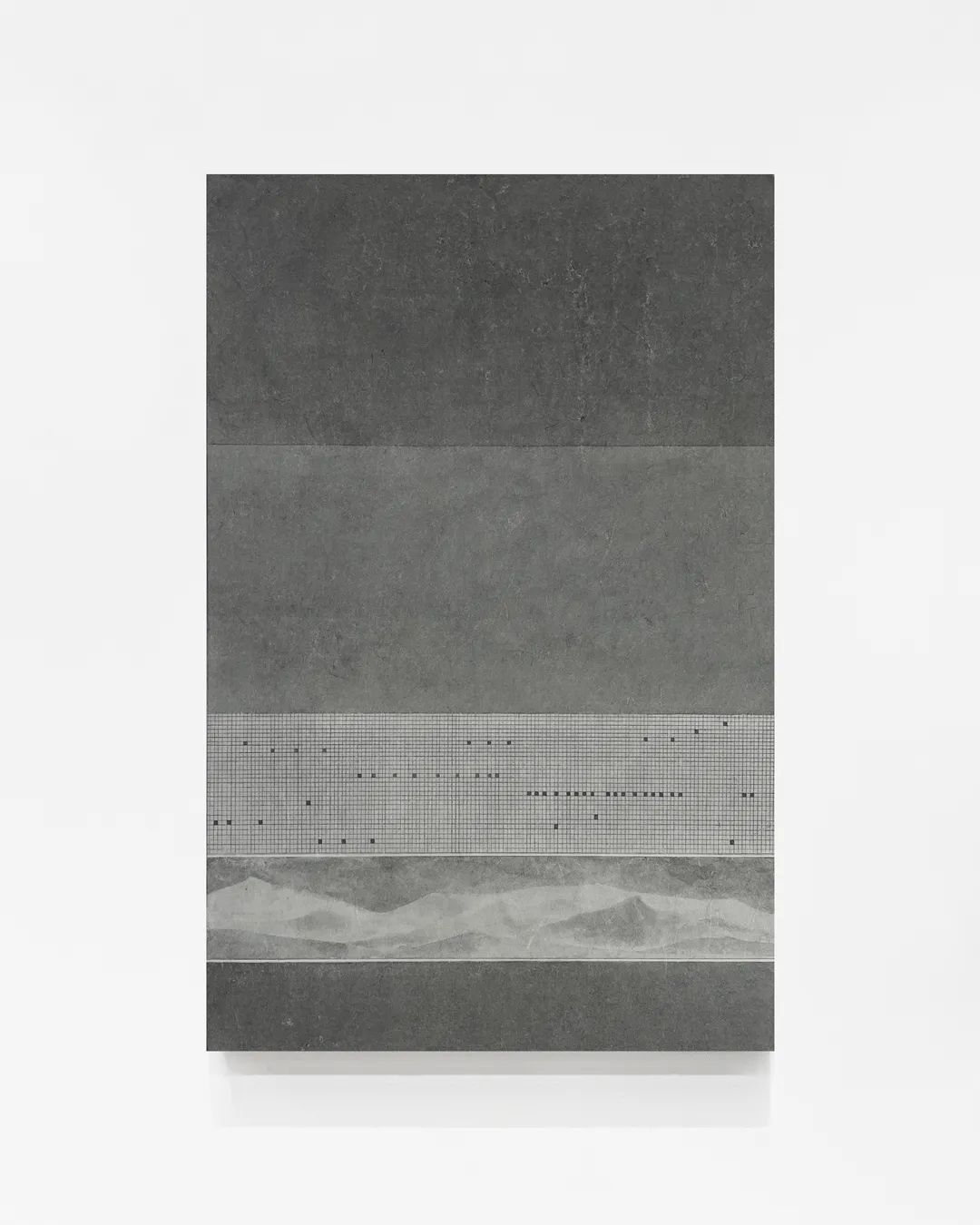
叶帆 Ye Fan, 天气 58, 纸本水墨 Ink on paper, 40 x 26 cm, 2024
Sunrise. Sunset.
The voice outside the door gradually became clear.
“Today, from daytime through tonight, the city is expected to be mostly clear, with scattered rain in some areas. High thirty-five degrees Celsius, low twenty-five. Light to moderate southerly winds.”
Inside, the room remained quiet. The fibers of the paper relaxed gently, as if something from outside had brushed across them. Perhaps it was a wind from far away, not yet arrived. Perhaps it was moisture spreading through the air.
The south wind had yet to arrive. The rain had already gone elsewhere.
There was cloud there, though no sky could be seen.

ABOUT THE ARTIST
叶帆 Ye Fan
叶帆,出生于1986,英国拉夫堡大学访问学者,现任教于湖北美术学院。2021年台湾师范大学美术系博士毕业;2014年广州美术学院国画系研究生毕业。
叶帆的绘画是一种对时间、感知与内在经验的记录。她的创作以宣纸、毛笔与墨为主要媒介,关注线、面与纸面之间生成的关系。其作品通过具体、微小而隐秘的笔迹,留存身体、呼吸、情绪与观看经验经过纸面的瞬间,使模糊、不确定、稍纵即逝的感受逐渐成形,并由此构建出一种安静、流动且具有时间感的空间。
对她而言,绘画并非对现实图像的再现,而是一种缓慢而持续的行动。线条是具体的,空间却趋向抽象;痕迹是可见的,却指向记忆、时间、空寂,以及那些难以被语言准确捕捉的感受。通过对材料的反复回应,她将个人经验沉淀于画面之中,也使绘画成为她感知时间流逝、安放内心经验的方式。
Ye Fan, born in 1986, is a visiting scholar at Loughborough University, UK, and currently teaches at Hubei Institute of Fine Arts. She received her PhD from the Department of Fine Arts, National Taiwan Normal University in 2021; she received her Master’s degree from the Department of Chinese Painting, Guangzhou Academy of Fine Arts in 2014.
Ye Fan’s painting is a record of time, perception, and inner experience. Working primarily with xuan paper, brush, and ink, her practice attends to the relationships that emerge among line, plane, and the paper surface. Through precise, subtle, and quietly embedded brush marks, her works preserve the moments in which the body, breath, emotion, and acts of looking pass across the paper, allowing vague, uncertain, and fleeting sensations to gradually take form. In this process, she constructs a quiet, fluid space imbued with a sense of duration.
For Ye, painting is not a representation of reality, but a slow and sustained act. While line is concrete, space tends toward abstraction; while traces are visible, they point toward memory, time, emptiness, stillness, and feelings that resist precise articulation through language. Through repeated engagement with her materials, she allows personal experience to settle within the pictorial surface, making painting a way to perceive the passage of time and to hold inner experience.

如需垂询作品
弥金往期展览