
王川:黄金岛——王川的绘画
寻找黄金岛
作者:许晟
当人类在未来回首2026年以及它之前的几年,都算不上一段风光明媚的时间。鲍德里亚在“模拟与拟像”中的预言被实现了,比他所说的更加荒诞,但缺乏他所期待的戏剧性。资本主义甚至不再是文明的破坏者,因为破坏需要动机,如今的资本主义只带来乏味的停滞,所以它甚至称不上是一种“主义”。艺术作为一个整体,已成为这臃肿而呆滞的假象的附庸。
在这样的背景里,我们至少需要一种习惯:如果需要讲故事,就讲一个长一点的故事,一个不会在5秒、15秒、30秒,甚至5分钟内吸引人们注意力的故事。我们需要一种自说自话的能力。艺术家普遍拥有这样的能力,只是很多人都放弃了。在尚未放弃的人里面,王川是比较迟钝的那种。他可能正在学习如何讲一个具有网感的故事,然后他会嫌麻烦而放弃。或者他已经尝试过但失败了。在当代社会,“拒绝随大流”已经演变为廉价的姿态;“想随大流,但是学不会”才是灵魂依然活跃的证据。
©湾厦文化艺术中心
王川的艺术道路是从“再见吧小路”开始的,那是一幅现实主义风格的作品,但与现实无关。画中人物站在一条路前,像神话中的引路人;或者说,画中人就像灵感本身,或者某种莫名的召唤。所以后来的抽象探索从这时就埋下了伏笔。
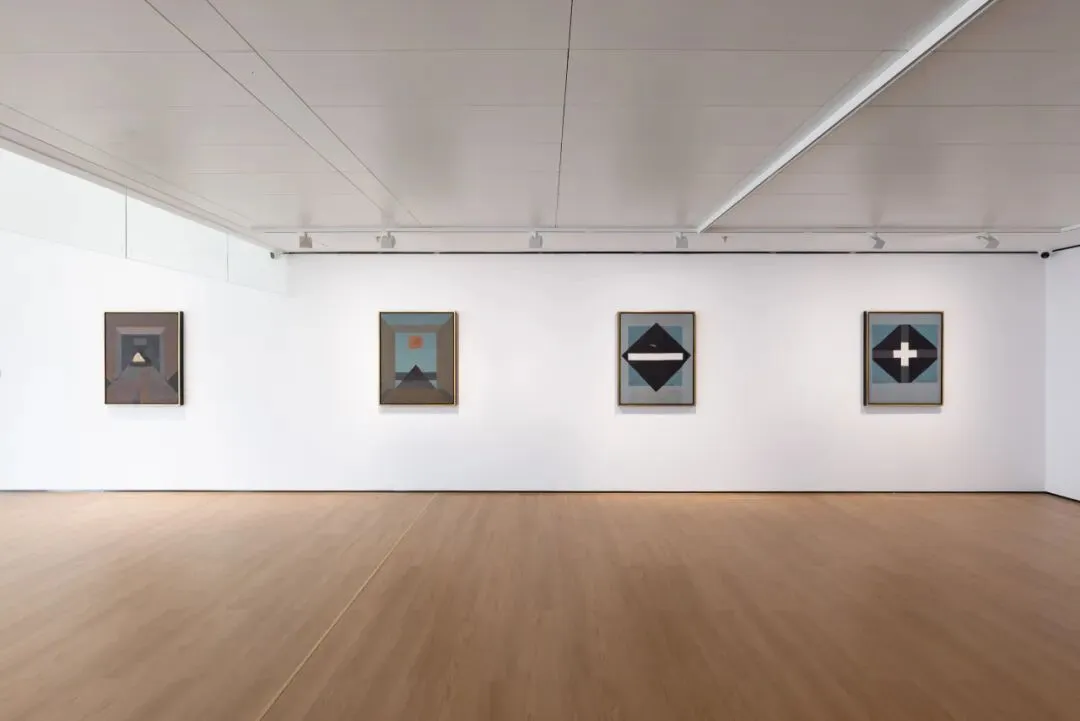
从1985年开始,王川就在一系列以数字编号为题目的纸本水墨作品里开始了抽象探索。数字标题在当时也是与抽象画紧密联系的美学符号。他的早期创作受到通布利(Cy Twombly)的影响最大。通布利对线条那密码式的编排,以及笔触的体积感,启发了王川对水墨的层次感的使用。到1992年,“No.5-1992”和“No.6-1992”已经展示了他在油画领域的探索:厚重的体积感取代了线条,呈现出两座被紧锁在室内的金字塔,我们也可以称之为内在的神殿,或者图腾。
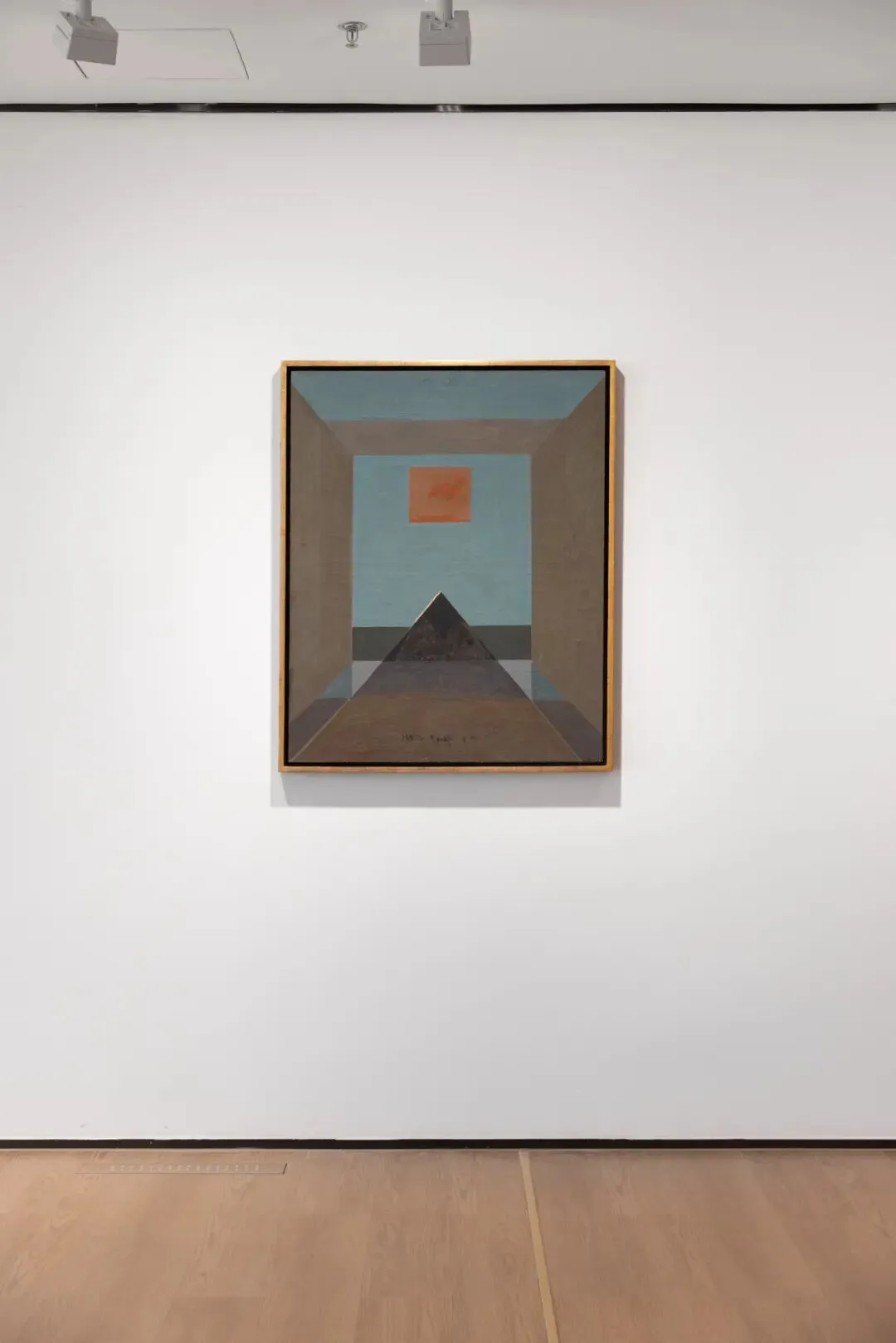
No.5-1992,布面丙烯 Acrylic on canvas,100×80 cm,2007
©湾厦文化艺术中心
我们当然可以谈论立体派对此的影响,但立体派的狡猾之处就在于,自从它的定义为了吹捧毕加索而被理论家们一而再再而三地修改,它似乎已经可以成为一切抽象绘画的源头。但实际上,立体派只是未来主义的自然延伸,它的真正创造者是德劳内(Robert Delaunay)、梅琴格(Jean Metzinger)、格雷茨(Albert Gleizes)等人。这些人的绘画无论主题如何,都成为某种内在律动的再现。这又可以追溯到克林特(Hilma af Klint)。这些内在律动源于心理学在当时的发展,它们是每个艺术家再现各自内心的尝试。
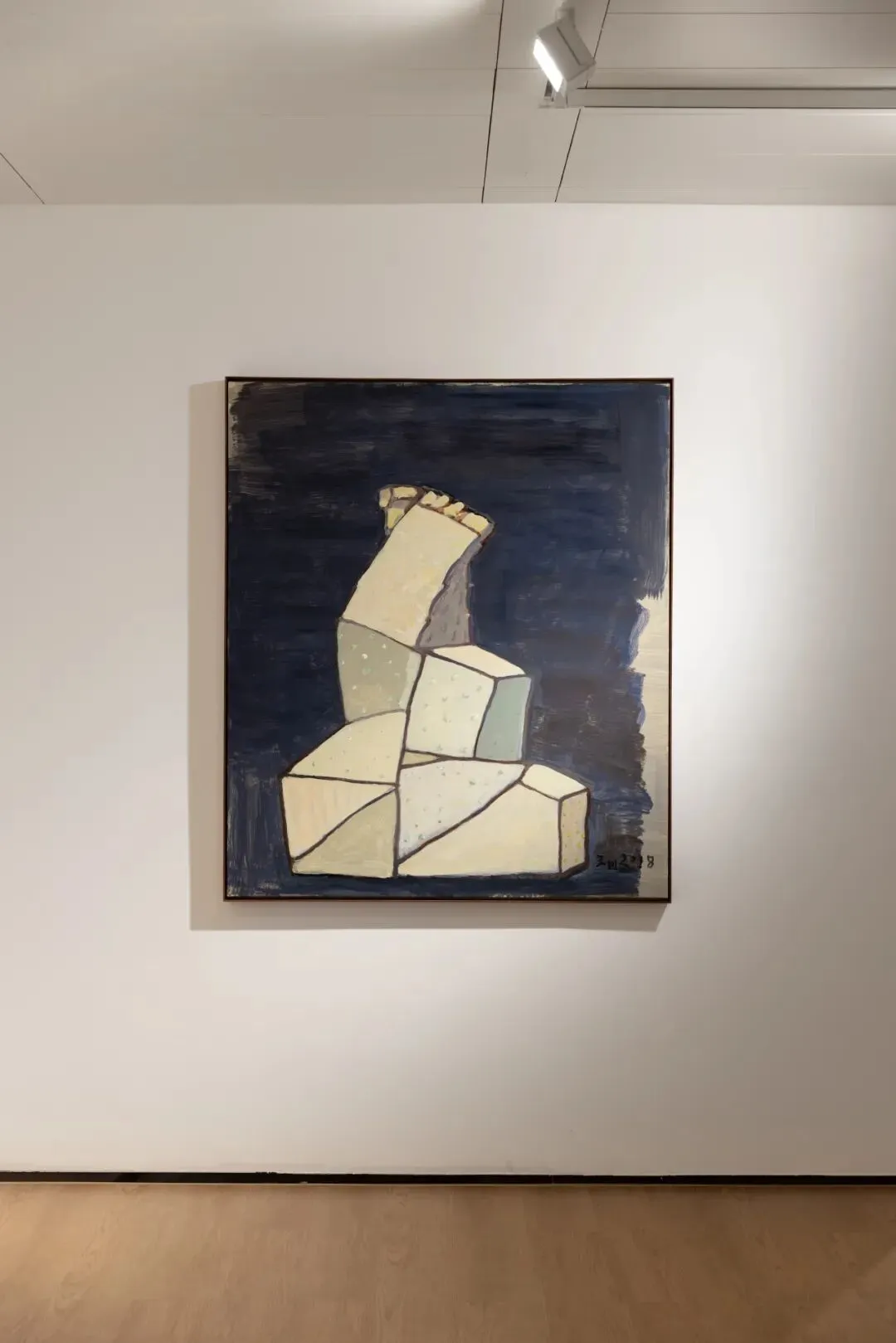
2018年盒子之四 2018 Box No.4,布面丙烯 Acrylic on canvas,140×120 cm,2018
©湾厦文化艺术中心
王川的图腾则没有律动。它们是静止的,因为直线和色块而沉寂;宏大,但是被困在矩形里。当时国产颜料独有的斑驳与低饱和,让这些作品就像是染上了现实的尘埃。它们在当时普遍出现,而在这些画里不仅没有被掩饰,反而更加突出,成为王川对自我与现实之关系的描绘。只有中国的艺术家能理解这种静止,这是一个时代的独特气质。
在那之后,王川与疾病斗争的过程,想必了解他的人都已经知晓了。他成为了命运的幸存者。每当他想要分享这个过程或者感悟,他就会发现,自己并不是一个擅长讲故事的人。他写了一本半自传性质的书《蚌病成珠》,至今如果有人聊起此事,他就宁愿把文档发过去,然后陷入沉默。他的作品也需要阅读,不是符号化的阅读,而是深入细节的体会。
王川的名字里有水,而他与水的缘分也一直很深。2003年夏末,他在南澳一个小渔村里创作,遭遇了台风“杜鹃”。他当时习惯把纸铺地上作画,画完的作品也放在地上,于是两百多幅水墨画被水淹没损坏。他说,创作那些作品的过程更重要,因为“全心全意地生活是一份天赋的才华”,作品被毁只是“生命的一种质地”。那些作品成为了新的图腾,被困在回忆里,成为了超越作品的东西。
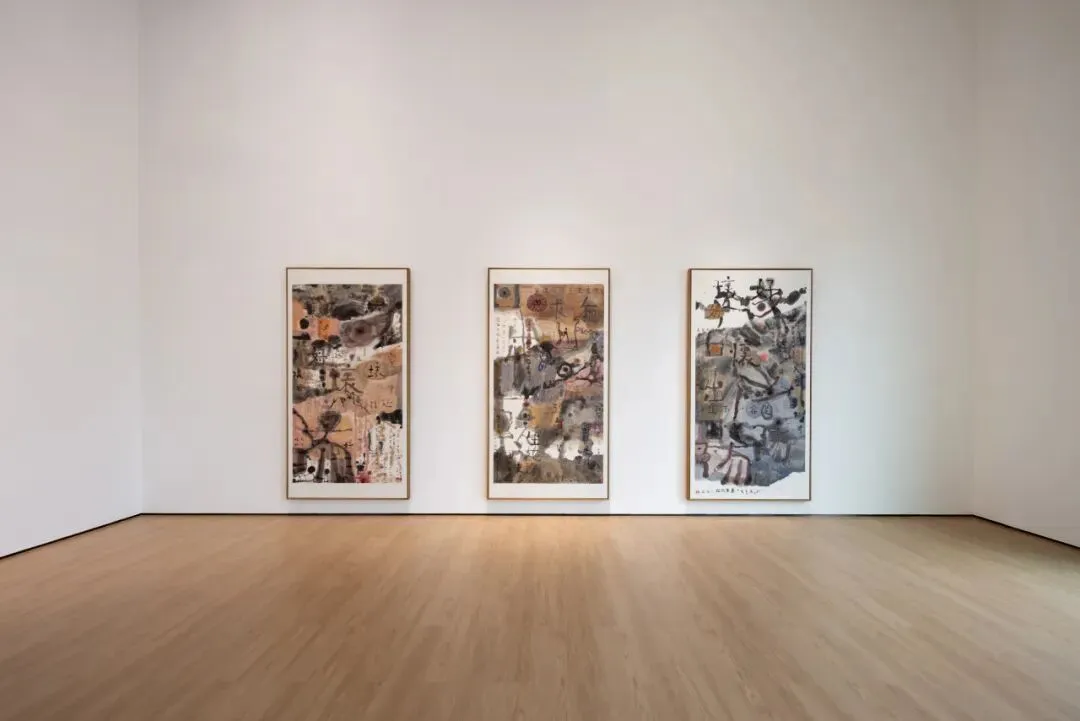
2003 No.3(左) 2003 No.2(中) 2003 No.1(右),宣纸上水墨及矿物质颜料 Ink and mineral pigments on Xuan paper,画心:224 × 124.5 cm,带框:261×138 cm,2003
©湾厦文化艺术中心
这成为我们理解他在2003年后半创作的三件大尺幅综合材料作品的入口。它们依然以数字命名,融合了水墨和矿物颜料。直线、边界,以及色块消失了,就像被海水冲刷后融为一体。一些字迹浮现,那是他和自己的对话。他的创作从那以后就打破了形式的束缚,他与现实之间的隔阂也被消解了。他不再把自己封闭在一个矩形里,而是向外展开。这并不是说他变得外向,而是找到了自己的方式,在拥抱世界的同时不被世界所发现。
从2005到2015的十年间,他创作了不同形态的作品,始终没有固定在任何统一的图式里。作品也出现了更具象的标题,比如“喜马拉雅”、“风景”、“丛林”、“城市”,或者“秋”。每一件作品都是独立的,是生命质地的再现。每位艺术家都有自己的创作脉络,在当代社会,这种脉络很容易被转化为品牌,令其中真实的精神内涵消解为可辨识的商标。而王川的脉络里包含了对市场化叙事的反抗。或许他也不是故意的,他只是全心全意地成为自己。
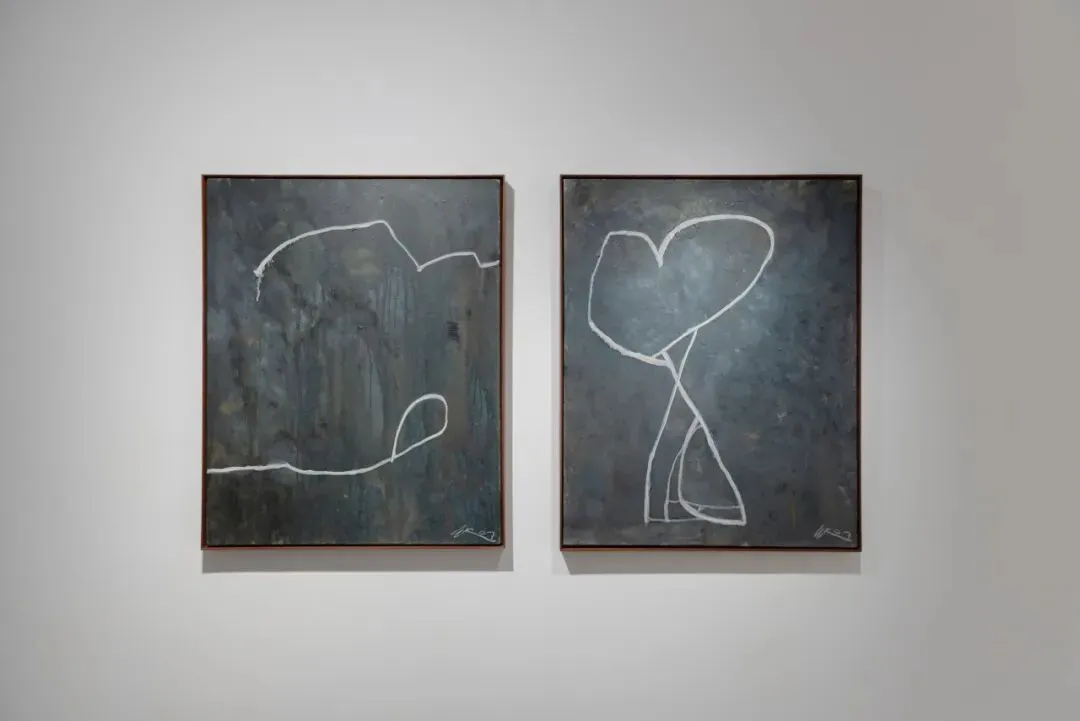
城市之五 City No.5(左) 城市之七 City No.7(右),布面油画、丙烯 Oil on canvas,100×80 cm,2007
©湾厦文化艺术中心
丰饶不能为贫瘠让步,丰饶会被忽视,但丰饶滋养自己。就像惠特曼(Walt Whitman)那首与处女座有关的诗:“麦子面色苍白,从它自己的坟墓里站起”(The resurrection of the wheat appears with pale visage out of its graves)”。于是王川有了自己的黄金岛。黄金岛不在大海深处,而在灵魂深处。
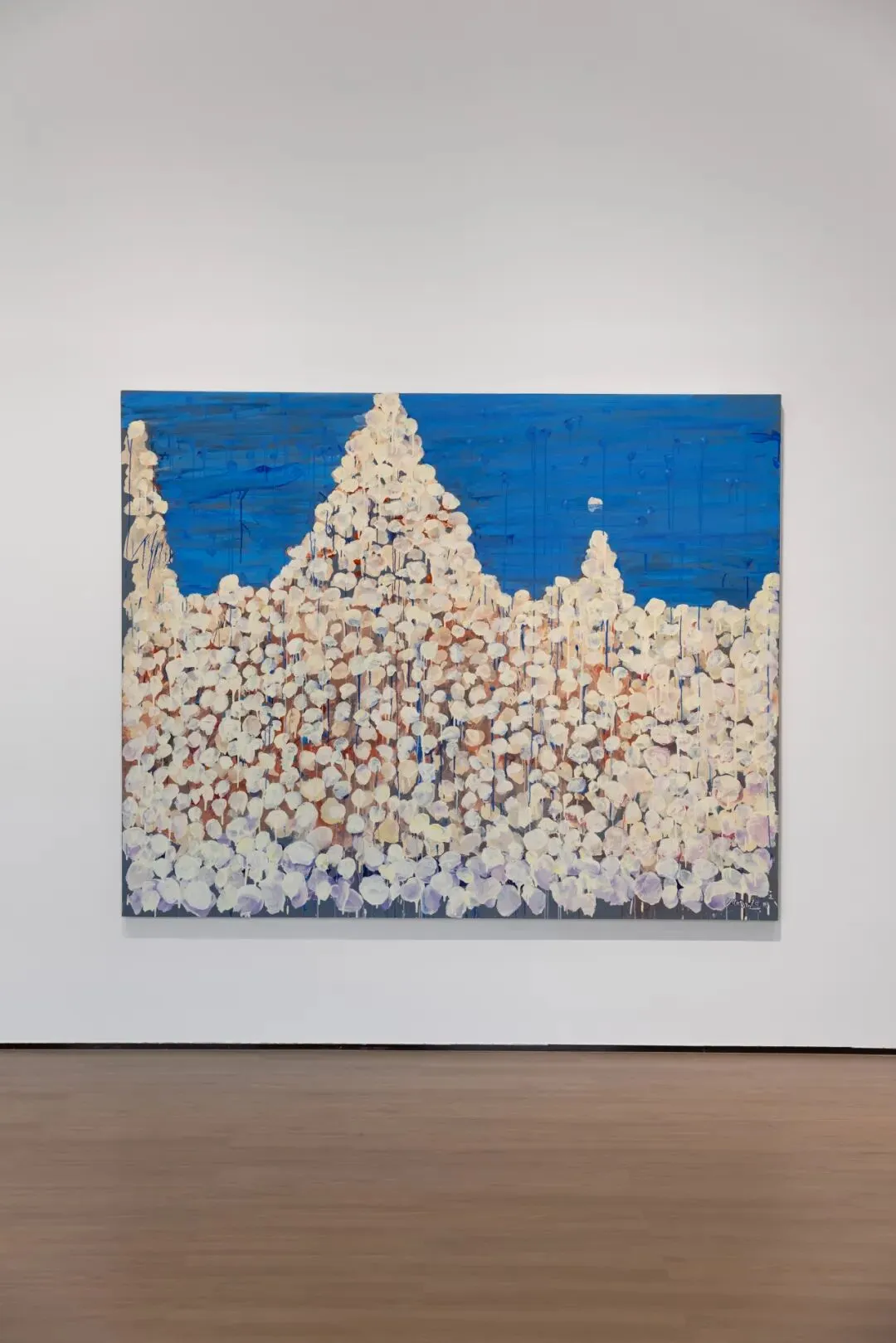
从2015年至今,王川画中的色彩逐渐鲜明,笔触逐渐松弛。其中有一件名为“蜀王像”的作品,让人想起巴斯奎特的涂鸦,但里面的每一笔又更加独立。这是一条新的线索,它让我们重新审视王川最近十年来的创作。这些作品在很多时候称不上是“抽象绘画”。它们包含了很多具象元素,即便只有线条,那些线条也是“具体”的,是“那一根”线条。抽象与具象的边界本就是模糊的,而王川并不寻求边界。所有的画作都源于最基础的材料。颜料、墨迹,它们不是平面的,而是有形的;它们不构成图像,而是构成痕迹。它们有自己的生命和意志,在画布上徜徉,勾勒出在生命之海与它所包围的黄金岛之间,那永远上演的沉默戏剧。
Silent drama in the sea of the unconscious
Xu Sheng
When humanity looks back, in some distant future, upon the year 2026 and the years immediately preceding it, they will scarcely appear as a particularly radiant period. The prophecy articulated by Jean Baudrillard in Simulacra and Simulation has, in many respects, been realised, though in a form even more absurd than he imagined, and curiously lacking in the dramatic intensity he anticipated. Capitalism is no longer even the destroyer of civilization, for destruction at least requires motive. What contemporary capitalism produces instead is a dull stagnation. It scarcely deserves to be called an “ism” at all. Within such a condition, art as a whole has become little more than an accessory to this bloated and inert illusion.
Against such a backdrop, we must at least cultivate a certain habit: if a story must be told, let it be a longer one, which does not attempt to seize attention within five seconds, fifteen seconds, thirty seconds, or even five minutes. What we require is the capacity to speak in one’s own voice, even if that voice seems to address no audience at all. Artists generally possess such a capacity. It is simply that many have chosen to relinquish it. Among those who have not, Wang Chuan belongs to the slower and more hesitant kind. He may well be attempting to learn how to tell a story suited to the rhythms of the networked age, only to abandon the effort out of impatience. Or perhaps he has already tried and failed. In contemporary society, “refusing to follow the crowd” has long since become a cheap gesture. And “wishing to follow the crowd, yet never quite managing to learn how” may instead be the truest evidence that the soul remains alive.
Wang Chuan’s artistic path begins with Farewell, Little Road, a work rendered in a realist idiom, yet curiously detached from reality itself. The figure in the painting stands before a path like the guide of some ancient myth; or perhaps the figure resembles inspiration itself, a mysterious summons without a clear source. In this sense, the seeds of the artist’s later abstract explorations were already planted there.
From 1985 onwards, Wang Chuan began his investigations into abstraction through a series of ink works on paper bearing numerical titles. At the time, such numbering was itself an aesthetic sign closely associated with abstract painting. His early work was most strongly influenced by Cy Twombly. Twombly’s cryptic orchestration of line and his sense of volumetric brushwork inspired Wang Chuan’s own exploration of layered ink. By 1992, works such as No.5–1992 and No.6–1992 already revealed his engagement with oil painting. Heavy masses replaced lines, forming two pyramid-like structures locked within an interior space, what might equally be described as inner temples, or totems.
One might, of course, speak of the influence of Cubism. Yet the cunning of Cubism lies precisely in the fact that its definition, continually revised by theorists eager to celebrate Pablo Picasso, has gradually expanded until it appears to stand as the source of all abstract painting. In reality, Cubism was little more than a natural extension of Futurism. Its true innovators included figures such as Robert Delaunay, Jean Metzinger, and Albert Gleizes. Regardless of their subjects, their paintings became manifestations of an inner rhythm. This lineage may be traced even further back to Hilma af Klint. Such rhythms emerged from the development of psychology during that era. They were attempts by artists to render the interior life of the mind.
Wang Chuan’s totems, however, possess no such rhythm. They are motionless. Composed of straight lines and blocks of colour, they seem suspended in a state of silence, monumental forms confined within the rectangle of the canvas. The mottled textures and muted tones of domestically produced pigments at the time lent these works a distinctive patina, as though dust from the real world had settled upon them. Such textures appeared widely in paintings of the period, yet in Wang Chuan’s works they are not concealed but accentuated, becoming a depiction of the relationship between the self and reality. Only Chinese artists can truly understand this stillness. It is the particular temperament of an era.
Wang Chuan’s long struggle with illness is already known to those familiar with his life. He survived, in a sense. Whenever he attempts to recount that experience or the insights it brought him, he discovers that he is not a natural storyteller. He once wrote a semi-autobiographical book titled The Oyster’s Illness Produces a Pearl(蚌病成珠). Even today, if someone raises the subject, he prefers simply to send them the document and fall silent. His paintings, too, require reading, not a symbolic decoding, but a patient attention to their details.
Water runs through Wang Chuan’s name, and his life has long been intertwined with it. In the late summer of 2003, while working in a small fishing village on Nan’ao Island, he encountered Typhoon Dujuan. At the time he habitually painted with sheets of paper spread upon the ground, leaving completed works there as well. More than two hundred ink paintings were flooded and destroyed. He later remarked that the act of making them mattered more than their survival, because “to live wholeheartedly is itself a gift of talent,” and the loss of the works was simply “one texture of life.” Those paintings became new totems, imprisoned in memory, transformed into something that transcends the works themselves.
This event offers a key to understanding the three large mixed-media works he produced in the latter half of 2003. Still bearing numerical titles, they combine ink with mineral pigments. Straight lines, boundaries, and colour blocks disappear, as if dissolved by seawater. Fragments of writing emerge as conversations the artist conducts with himself. From that moment onward, his practice broke free from the strictures of form, and the barrier between himself and reality gradually dissolved. He no longer confined himself within a rectangle but unfolded outward. This does not mean that he became more extroverted; rather, he discovered a way of embracing the world while remaining largely unseen by it.
Between 2005 and 2015 he produced works in a variety of forms, never settling into a single recognisable schema. More concrete titles began to appear, Himalaya, Landscape, Jungle, City, or Autumn. Each work stands independently, a manifestation of the texture of life. Every artist possesses a creative trajectory; in contemporary society such trajectories are easily converted into brands, their genuine spiritual substance reduced to recognisable trademarks. Yet Wang Chuan’s trajectory contains a resistance to this narrative of marketisation. Perhaps this resistance is not even deliberate. He has simply persisted in becoming himself, wholeheartedly.
Abundance cannot yield to barrenness. Abundance may be overlooked, yet it sustains itself. As Walt Whitman writes: “The resurrection of the wheat appears with pale visage out of its graves.” And thus Wang Chuan arrives at his own island in sea of unconscious.
Since 2015, colour in Wang Chuan’s paintings has grown increasingly vivid, while his brushwork has become looser and more relaxed. One work titled Portrait of the King of Shu recalls, at first glance, the graffiti-like language of Jean-Michel Basquiat, yet each stroke within it stands with greater independence. This provides a new thread through which to reconsider the artist’s work of the past decade. Many of these works can scarcely be called “abstract painting” in the conventional sense. They contain numerous figurative elements; even when only lines appear, those lines are “specific”. They are particular lines, irreducible to a general form. The boundary between abstraction and figuration has always been indistinct, and Wang Chuan does not seek to define it. All paintings arise from the most basic materials. Pigment and ink are not flat substances but tangible presences. They do not construct images so much as traces. They possess their own life and intention, wandering across the canvas and sketching, as a silent drama that is forever unfolding.
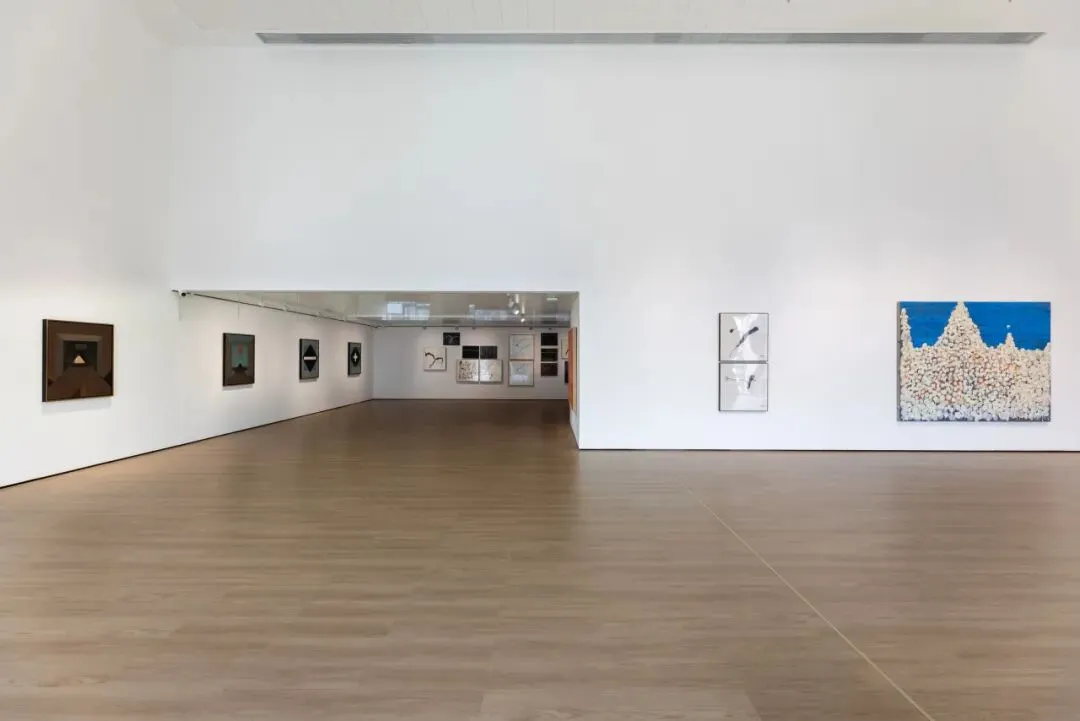
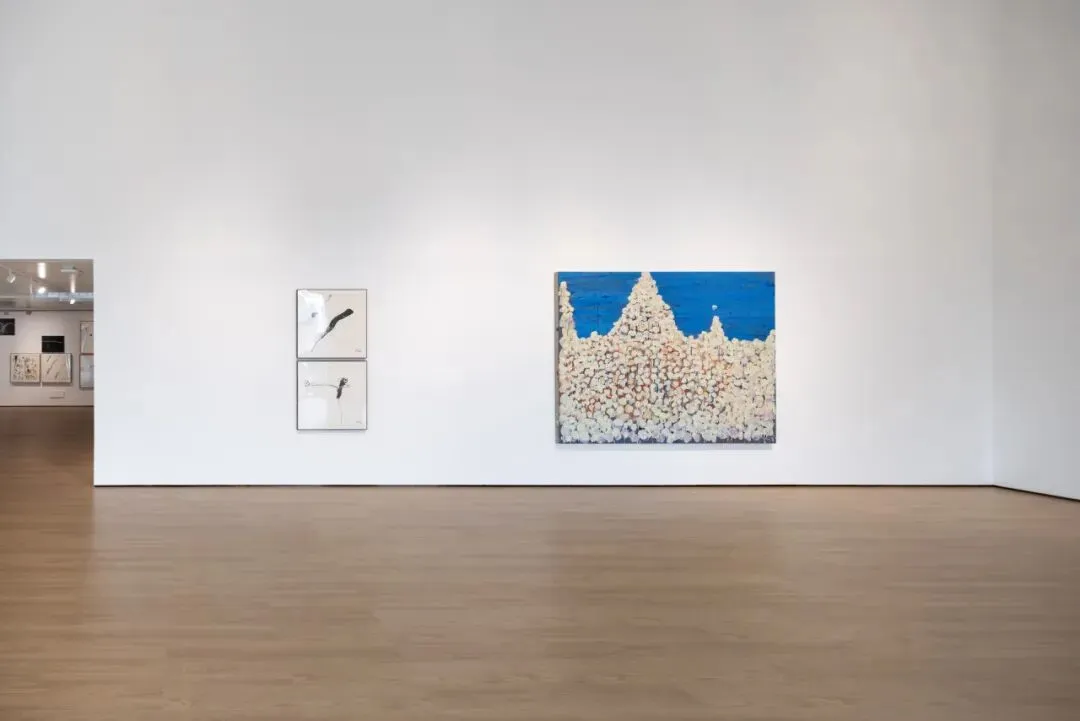
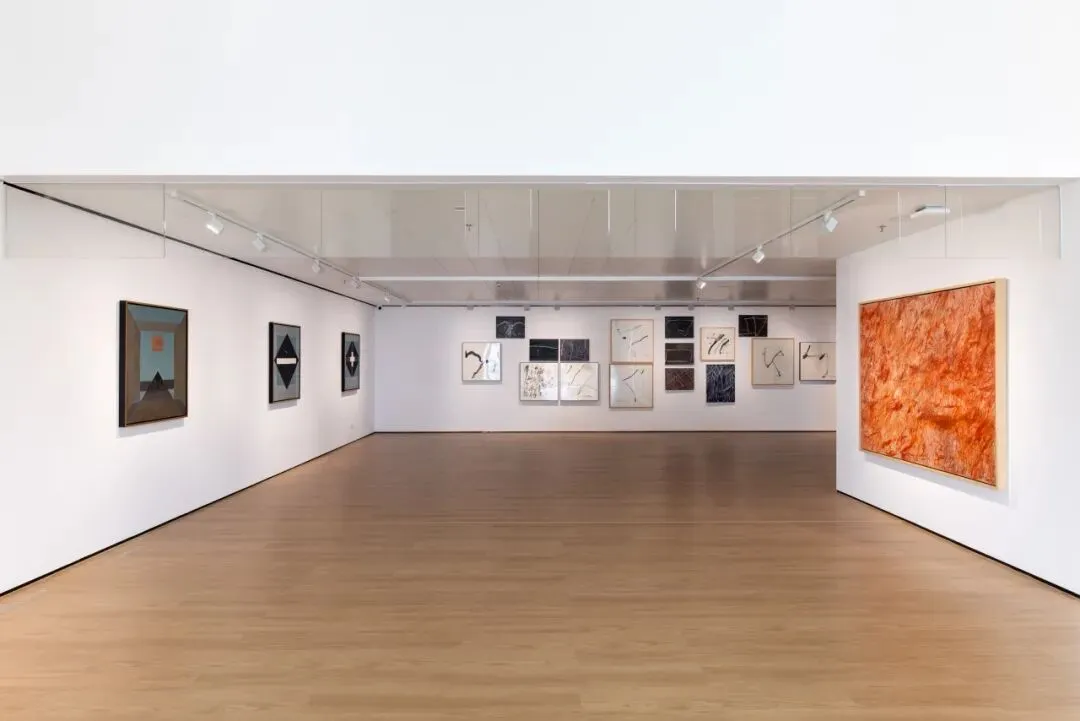
展览现场
Exhibition View
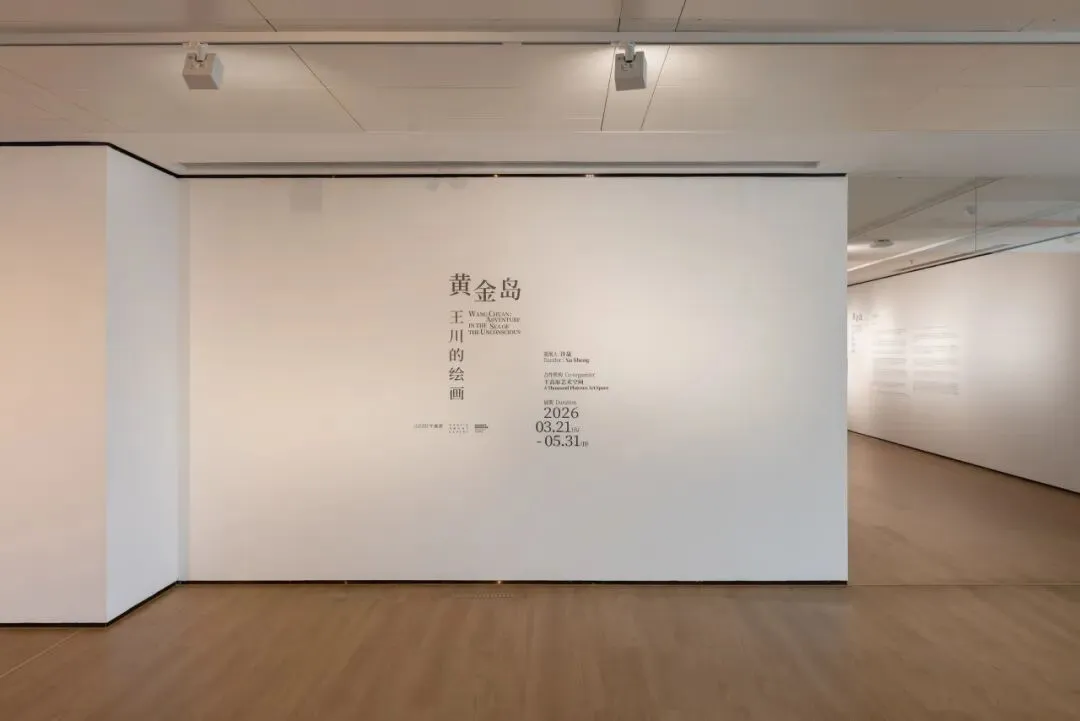
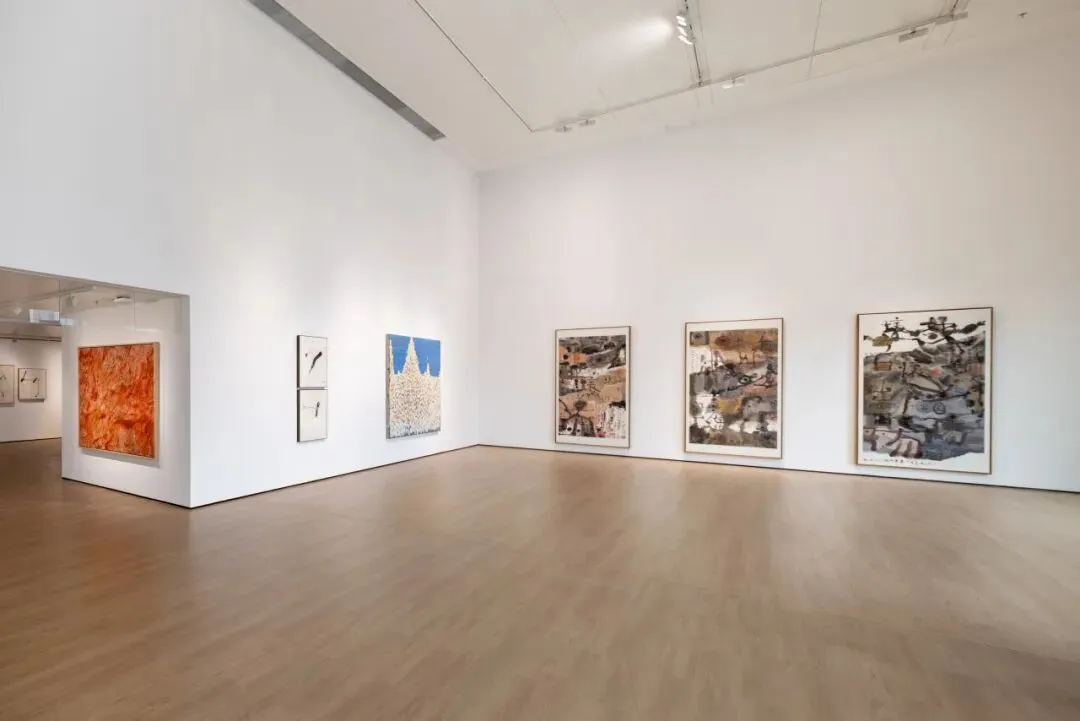
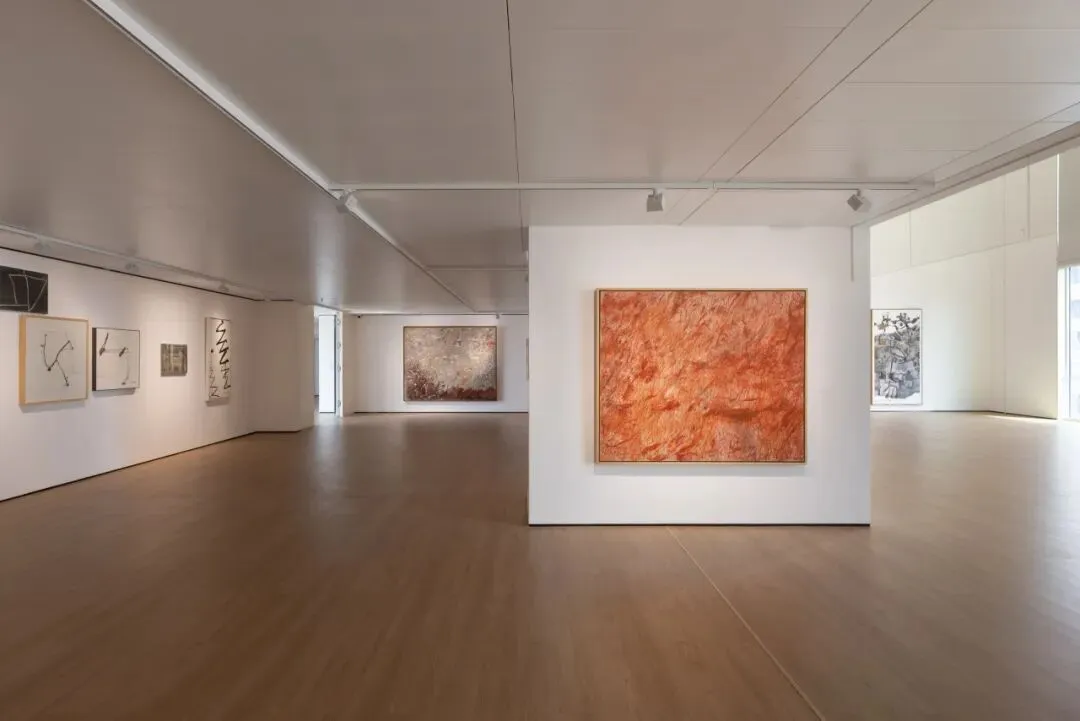
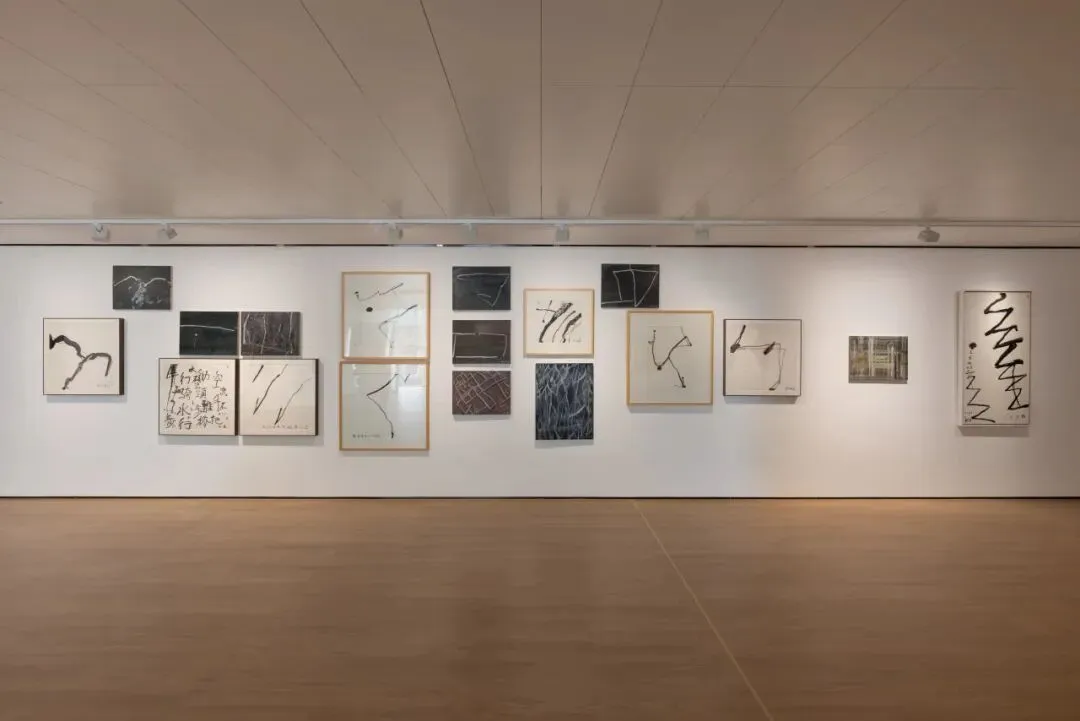
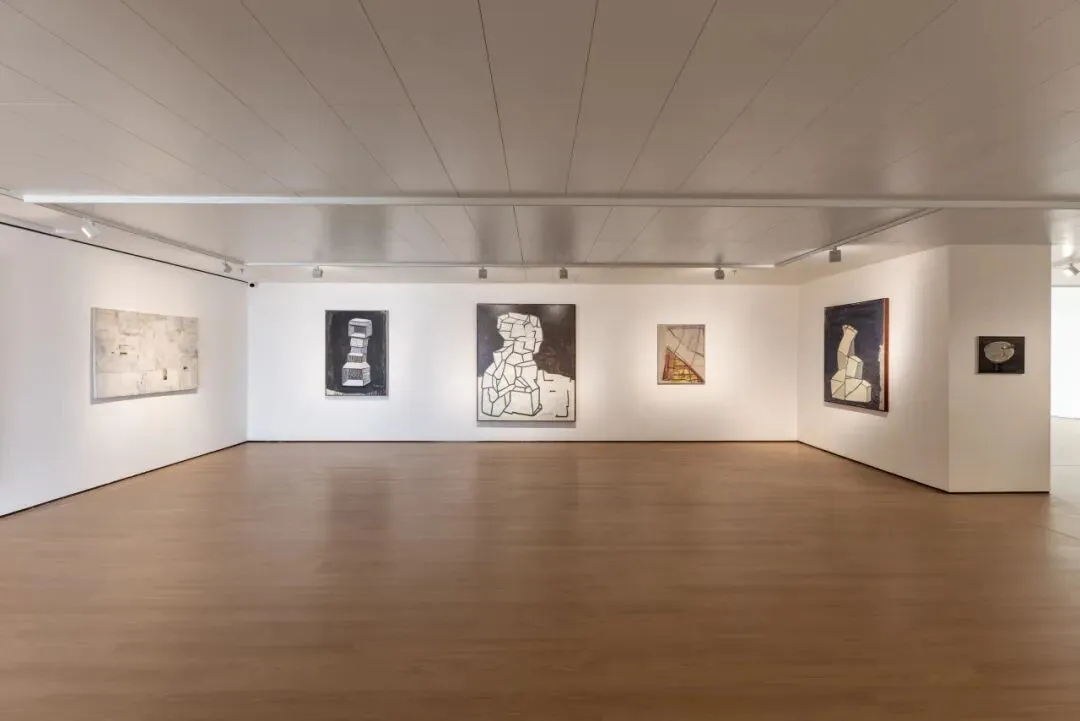
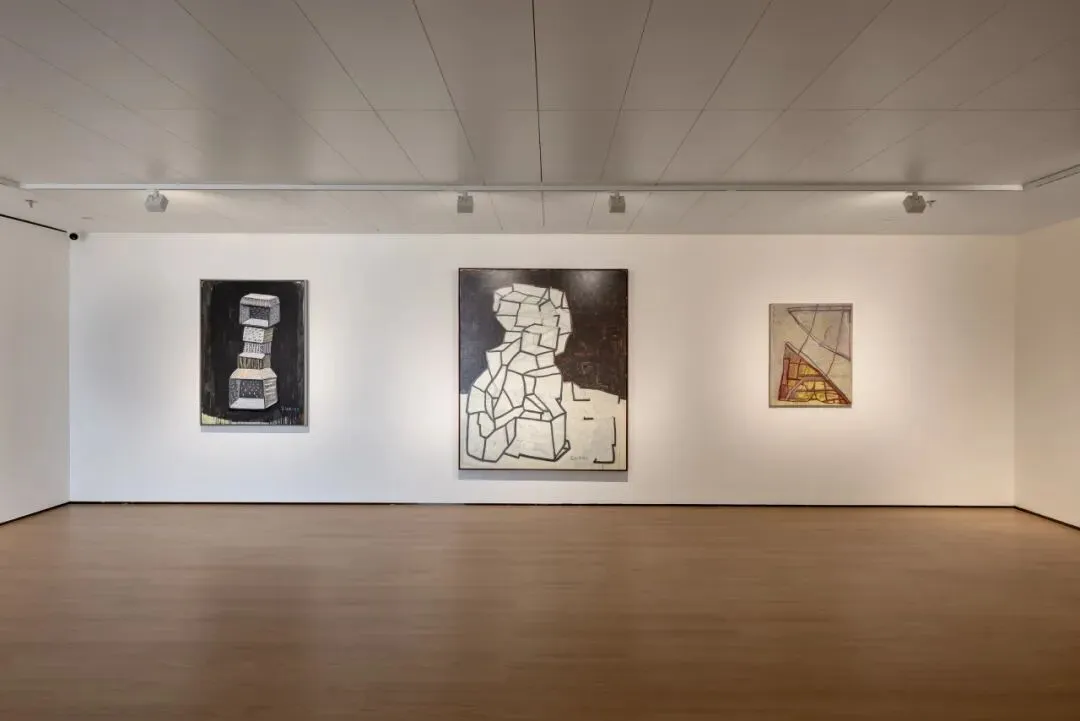
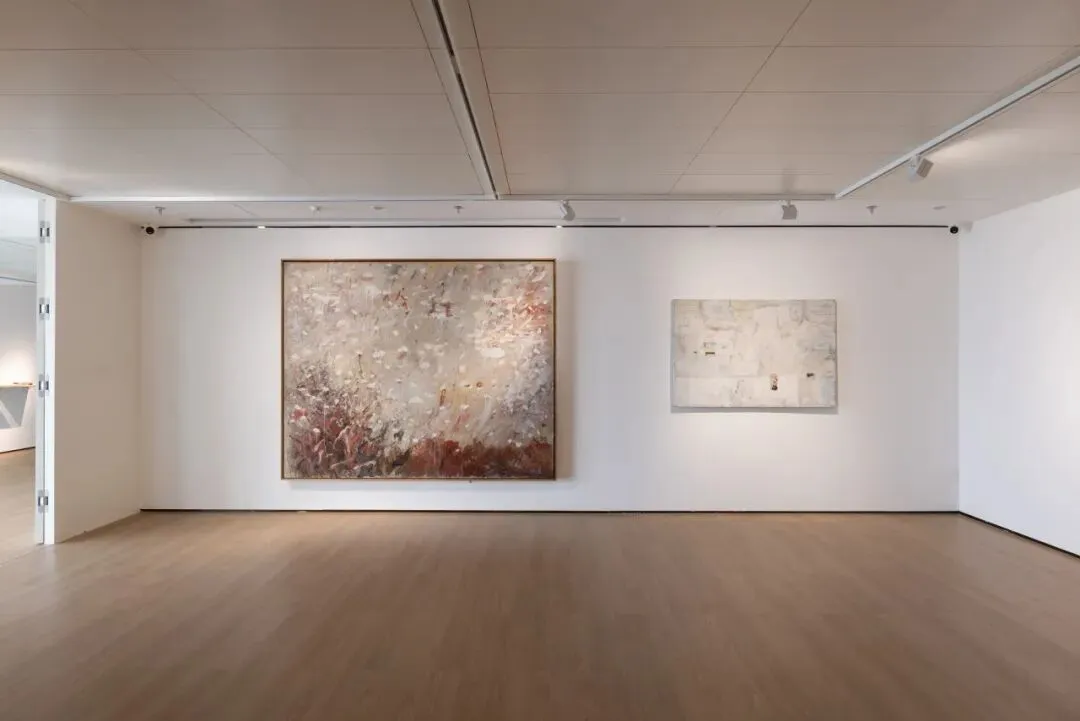
©湾厦文化艺术中心
关于艺术家
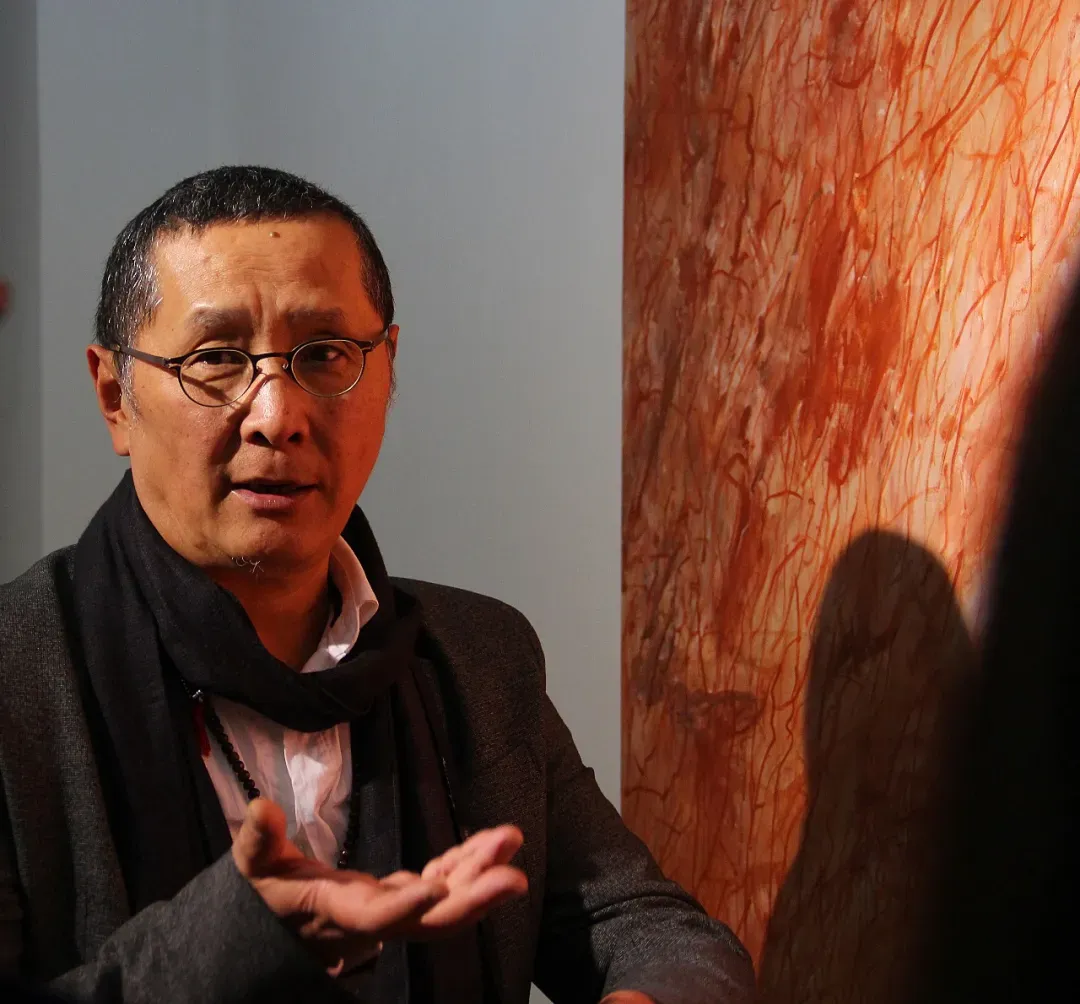
王川
Wang Chuan
关于策展人
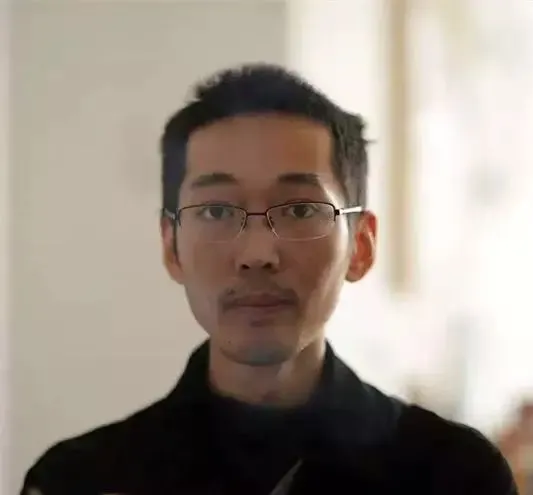
许晟
Xu Sheng
关于对谈嘉宾
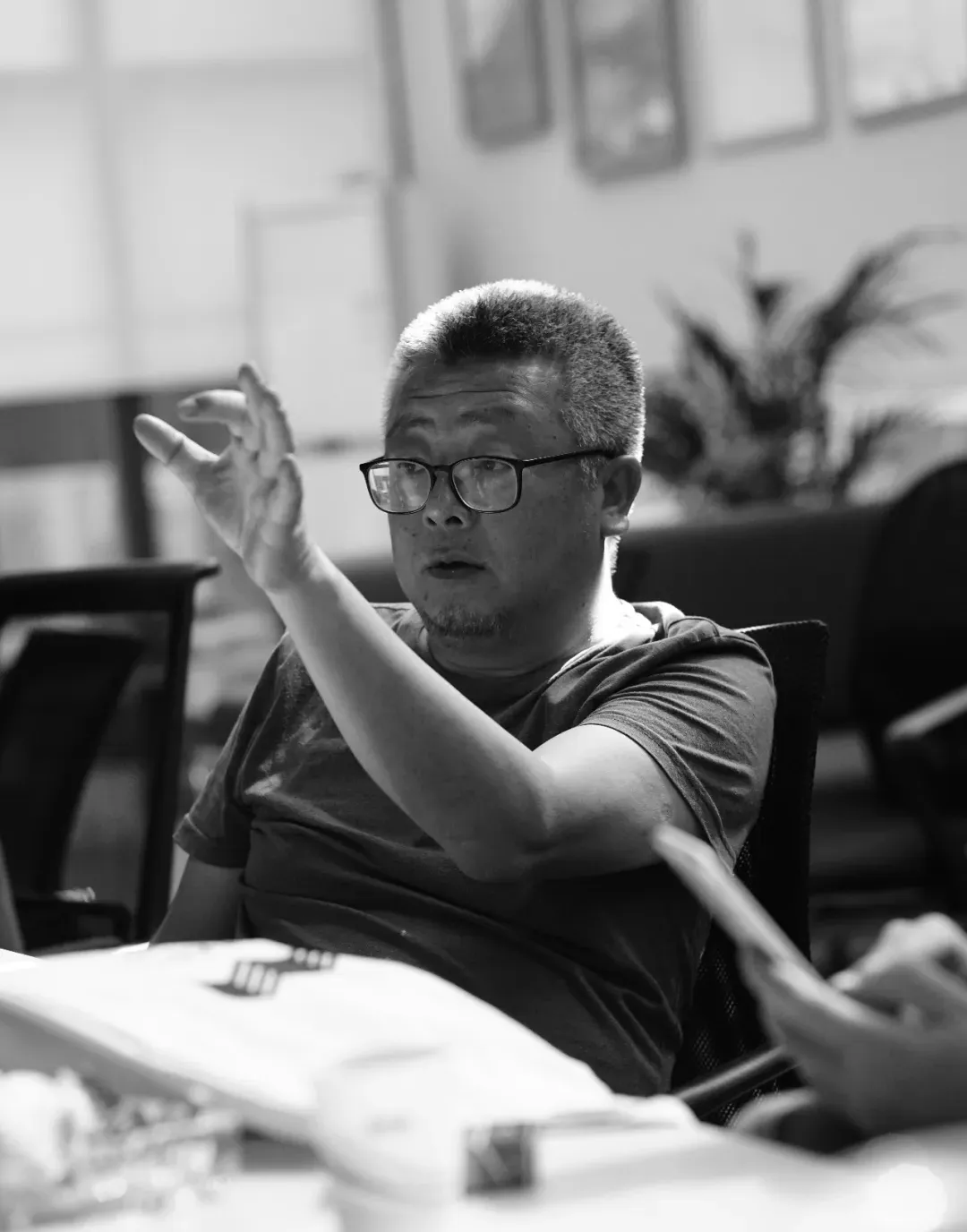
李一凡
Li Yifan
郑念缇(郑毅)
Christina Y Z
主办单位
湾厦文化艺术中心是目前深圳当代艺术最重要的实践场域之一,依托区位与建筑空间的功能优势,与海内外多家知名艺术机构开展广泛合作,致力于成为深圳当代艺术与国际交流的重要窗口,为城市和社区生活带来最具活力和创造性的健康生活方式。
Wanxia Cultural and Arts Centre stands as one of the most significant platforms for contemporary art practice in Shenzhen. Leveraging its strategic location and architectural advantages, the centre has established extensive collaborations with renowned art institutions worldwide. It aims to serve as a key interface between Shenzhen’s contemporary art scene and the international community, injecting vibrant and creative healthy lifestyles into urban and community living.
协办单位
千高原艺术空间成立于2007年,位于成都,是致力于展示与推动中国当代艺术的专业画廊。空间设有展厅与影像放映室,关注优秀作品与实验性项目,并积极开展国内外合作。画廊支持具有潜力的艺术家发展,迄今已代理与合作艺术家30余位,通过展览、博览会与出版等方式促进艺术家与社会、机构及收藏者之间的交流。
A Thousand Plateaus Art Space, founded in 2007 in Chengdu, is a professional gallery dedicated to presenting and promoting Chinese contemporary art. It focuses on outstanding works and experimental projects while actively engaging in domestic and international collaborations. The gallery has represented and collaborated with more than 30 artists, fostering connections between artists, institutions, collectors, and the public through exhibitions, art fairs, and publications.
*温馨提示
观展期间请保持安静,未成年人需陪同
禁止闪光灯拍摄或商业摄影,禁止触摸展品
请勿在展厅内吸烟饮食
*交通指引
地铁乘坐2号线到“湾厦”地铁站D出口
详细地址请点击“湾厦艺术中心”公众号“来看展”服务中的“交通指南”
详细地址:广东省深圳市南山区蛇口街道招商东路与后海滨路交汇处
千高原艺术空间 | A Thousand Plateaus Art Space
A Thousand Plateaus Art Space was founded in 2007 in Chengdu, China. It is a professional gallery committing to presenting and promoting China’s contemporary art. Equipped with exhibition halls for artworks and collections and a screening room for videos and discussions, it focuses on researching, presenting and promoting outstanding works and experimental projects of China’s contemporary art and culture by carrying out domestic and international projects.
A Thousand Plateaus Art Space devotes itself to presenting works by emerging artists who have outstanding talent and merit, and to discovering and promoting new creative artists. To date, it has represented and cooperated with over 30 artists of all ages. Using exhibitions, art fairs, academic discussions, publications and so forth, it is dedicated to establishing the communication channels between artists and the society, institutions and collectors. The gallery also organizes artwork sales, tailored art projects, collection management consultings, art education projects and curatings.
▲向下滑动查看更多
更多讯息请关注