

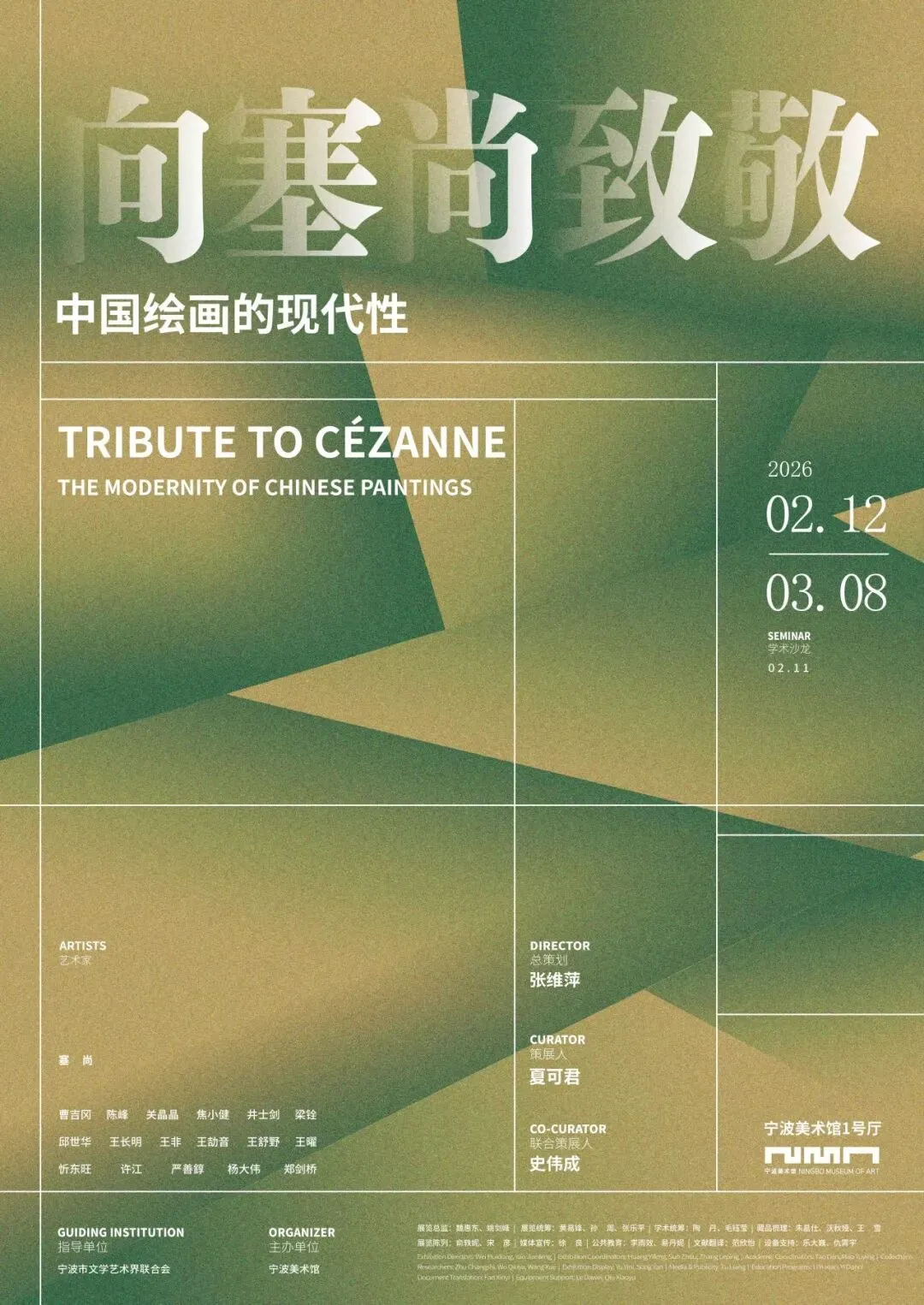
指导单位
宁波市文学艺术界联合会
主办单位
宁波美术馆
总策划
张维萍
策展人
夏可君
联合策展人
史伟成
艺术家
展览日期
2026.2.12—3.8
展览地点
宁波美术馆1号厅
尚未完成的塞尚
与中国绘画的现代性
为什么要在宁波美术馆做一个与塞尚相关的当代绘画展览?其原因来自两个方面:
一方面是“近因”,这是直接的启发,因为宁波美术馆收藏有塞尚两幅作品,这是了不起的事情,可能是中国公立美术馆独有的塞尚收藏,需要我们给予学术的回应,以此向宁波美术馆致敬,并且向观众展示;另一方面则是“远因”,因为塞尚是现代艺术之父,每一次新绘画的开启总是会与塞尚形成遥远的呼应,如果中国当代绘画希望获得世界性的适当地位,在内在地连接自身伟大传统的同时,也必须从塞尚那里挖掘出可能的资源,以便开启一种新的现代性叙事。
这个新叙事的原理与价值在于:其一,通过分析与塞尚相关的西方现代绘画历史,发现塞尚绘画中尚未解决的困惑;其二,梳理中国现代绘画史学习塞尚的过程,讨论其中的得失何在;其三,以本次展览作品为例指明中国画家如何与塞尚直接或间接对话,以此讨论中国式绘画的可能贡献。本次展览作品,如果能够同时体现出这三重的学术价值,将留下划时代的烙印,并具有未来的启示性。
中国当代绘画要具有世界性,就必须与塞尚发生内在的关系,如果重新从塞尚开始的话,那么中国当代艺术与塞尚的关系点到底在哪里?既然塞尚是整个现代绘画的起点,如果中国当代绘画要另起一脉,甚至要重新开始的话,中国绘画与塞尚绘画的那个交接点,那个重新开启的起始点,到底在哪里呢?其具体的关联点是什么呢?这是艺术批评与跨文化对话必须面对和澄明的焦点问题!因此本次学术展览的核心问题在于:要面对那个“尚未完成的塞尚”,并去发现塞尚的其他可能性!我们试着从塞尚晚期绘画的各种探索出发,看看身处现代性境况的中国画家是否回应了那些有待生发的可能性。
本次展览通过策展人选择中国当前有代表性的艺术家及其作品,在多个方面与晚期塞尚展开了对话:比如,塞尚晚期在油画与水彩之间转化的关系;在自然风景一次次具体写生中获得抽象感的同时,如何可能再次回到自然自身变化的丰富性,乃至于自然自身隐藏的秘密之中?以及面对现代性最为基本的审美问题:如何同时传达“无常中的永恒”与“历史的诗意”,这两两相对的双重关系在整个西方现代性的绘画中还尚未完成。而中国式绘画,则通过结合诸多西方文化看似对立的力量,比如水性与油性的质感融合,虚实与厚薄的相互反转,抽象与自然的似象暗合,写生与创作的精微转换,观念与手感的悖论结合,技术与自然的相互渗透,加以了自然与艺术之平行又微妙的综合,以抽象化痕迹的方式找回文化母体的历史诗意,并且赋予其永恒的凝定与无尽的暗示。
中国式绘画所体现的现代性审美的价值在于:以油性与水性融合的虚厚玉质感,激活文化母体的图像志记忆与轻逸的诗性意境,新的“去远”视角来容纳西方空间的几何思维,保留与自然的神似感通,建构画面的历史深度,见证了绘画对于记忆的拯救来自对于自然的热爱。
我们从塞尚获得艺术的正确目光,塞尚从东方获得诗意的历史深度,自然的神秘被保护的敞开,自然美在Ai时代得到优雅的守护。
夏可君
中国人民大学教授、评论家、策展人
部分展出作品
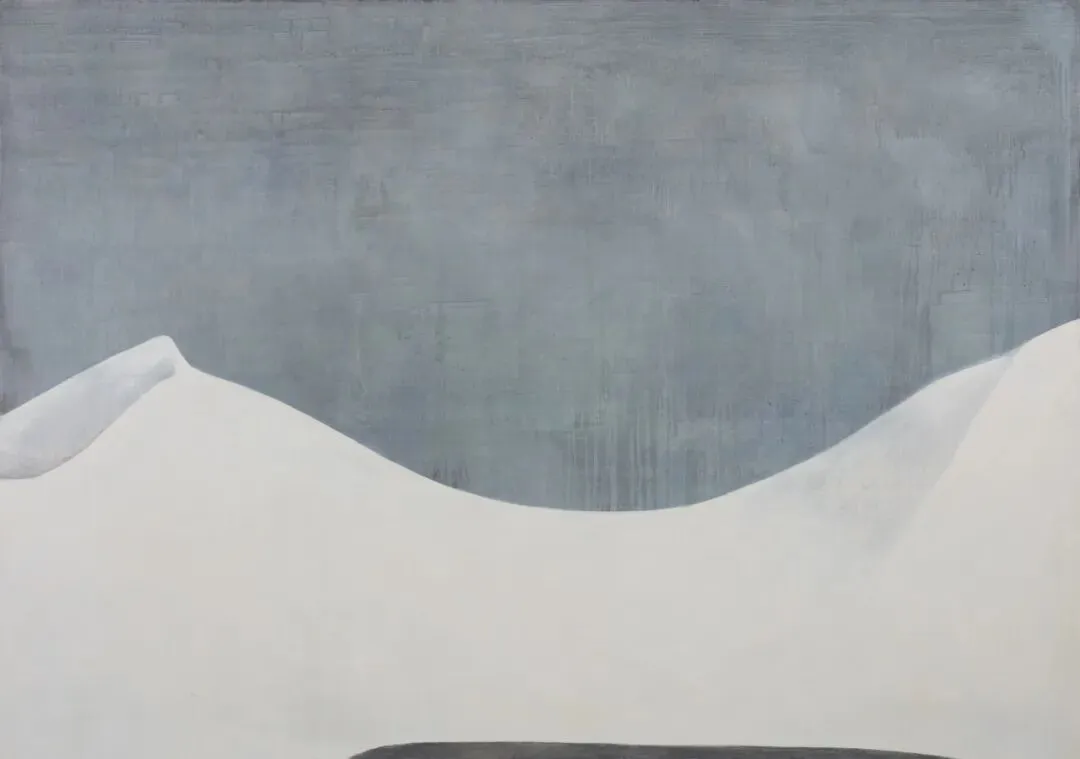
曹吉冈 《白色U形》 175×250cm 亞麻布坦培拉 2023
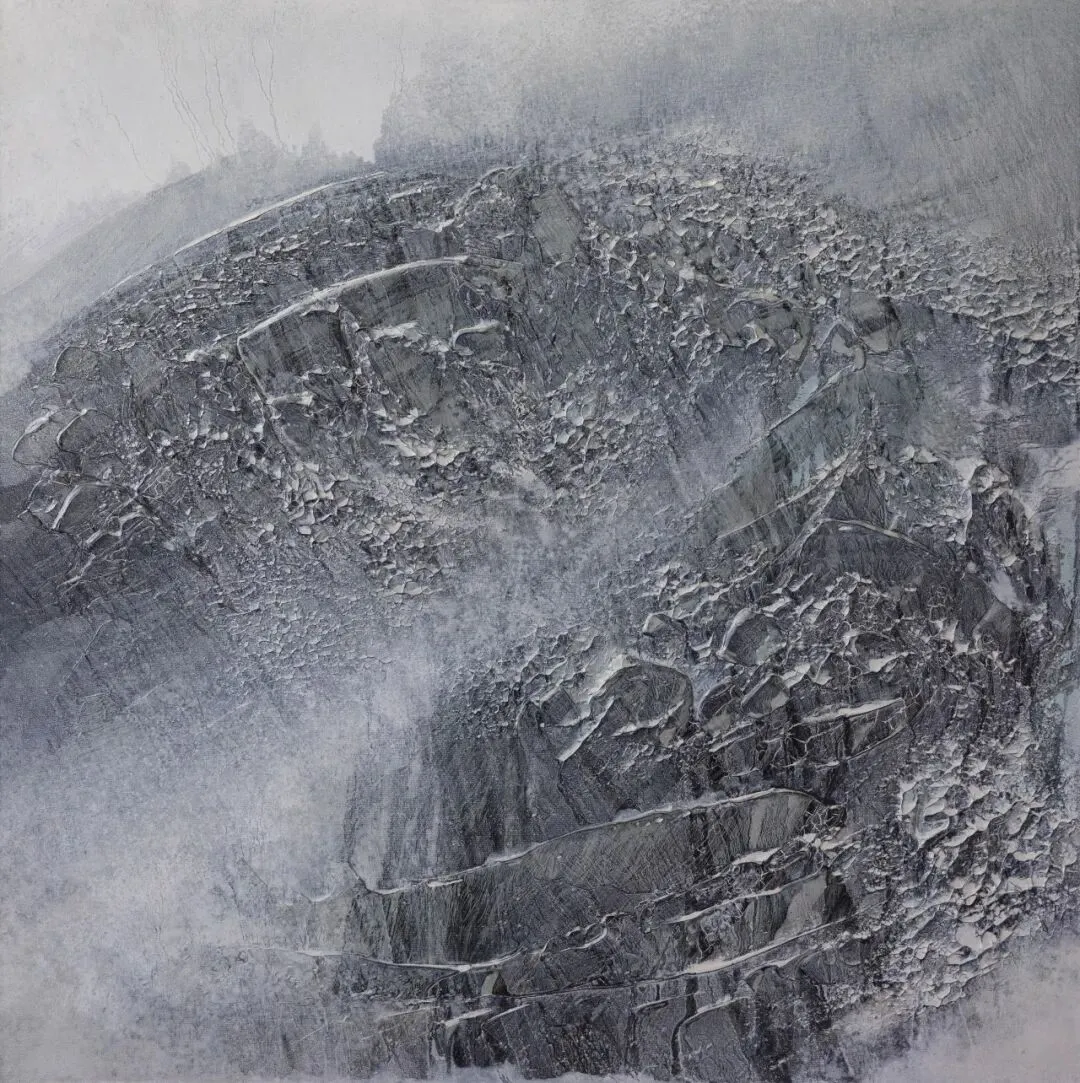
陈峰 《正午时分》 170×170cm 亚麻布 2012
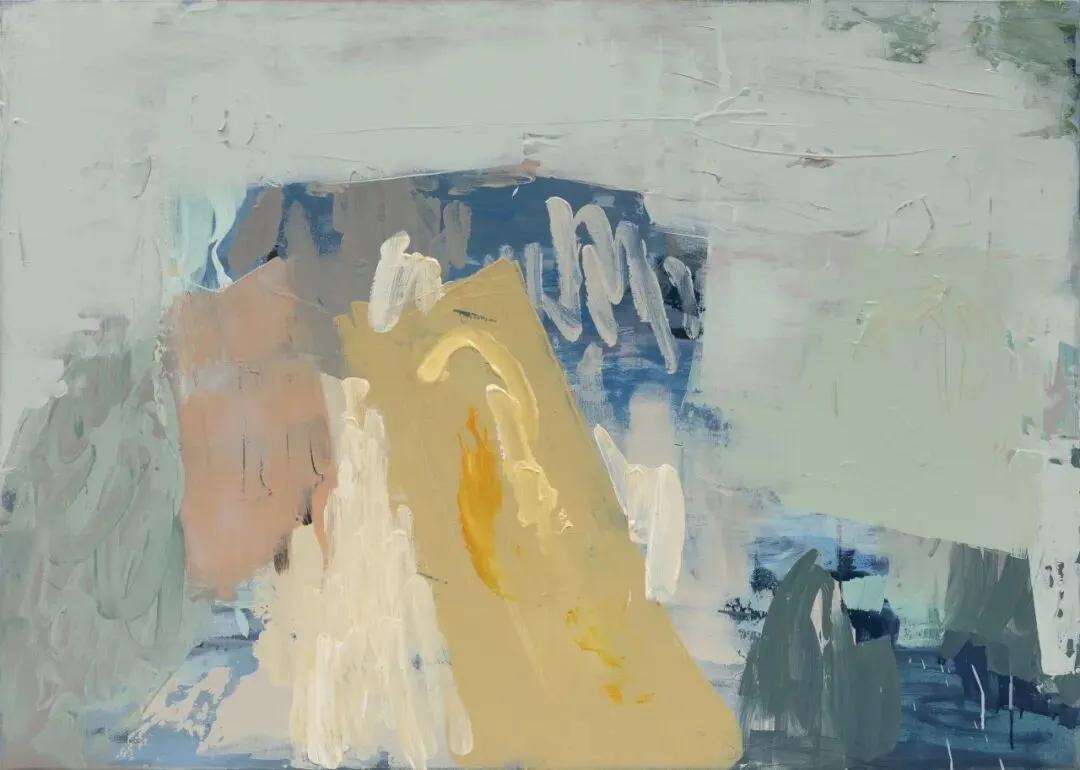
关晶晶 《借象·烟江叠嶂图-18》 100×140cm 布面丙烯 2024
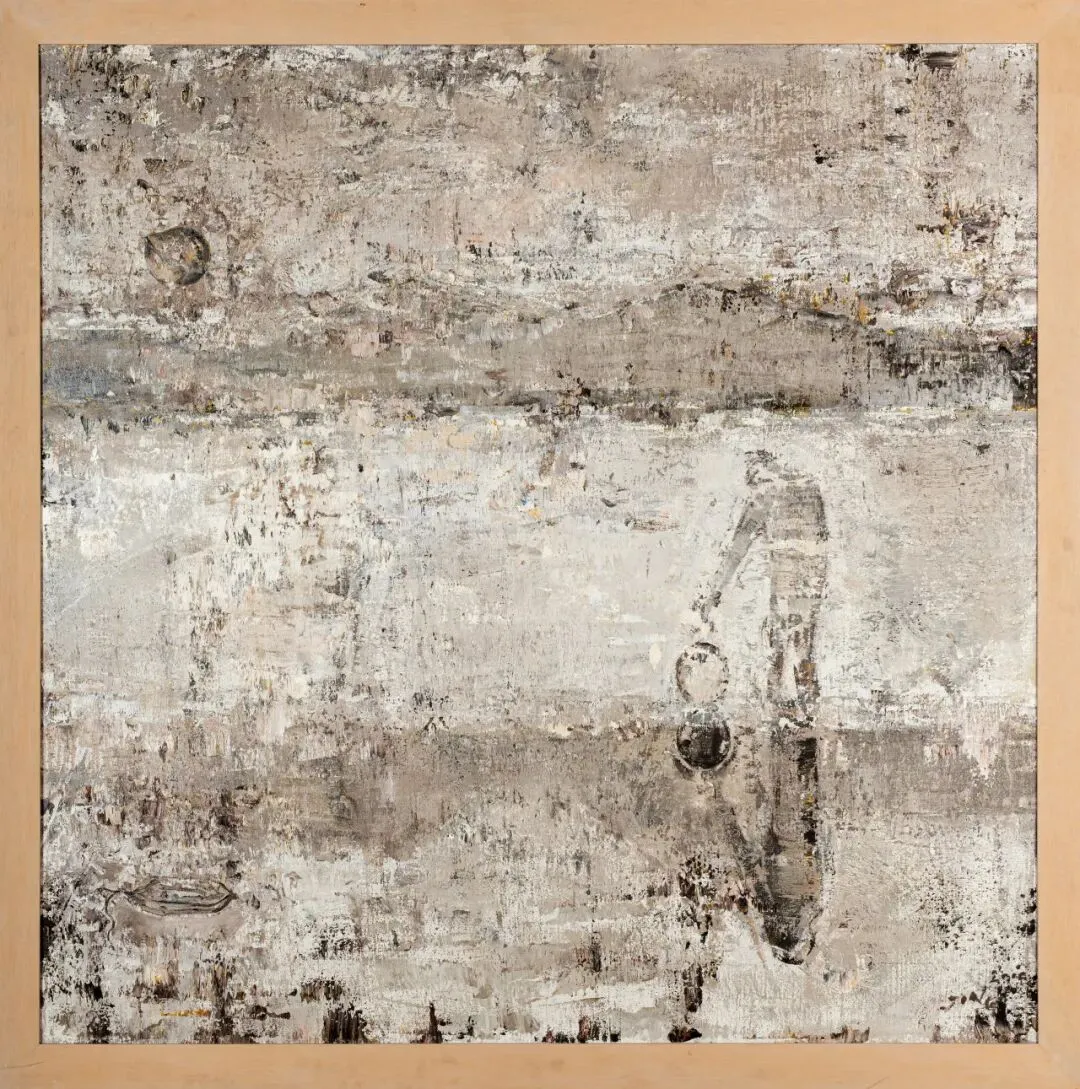
井士剑 《西湖汲水》 150×150cm 布面油画
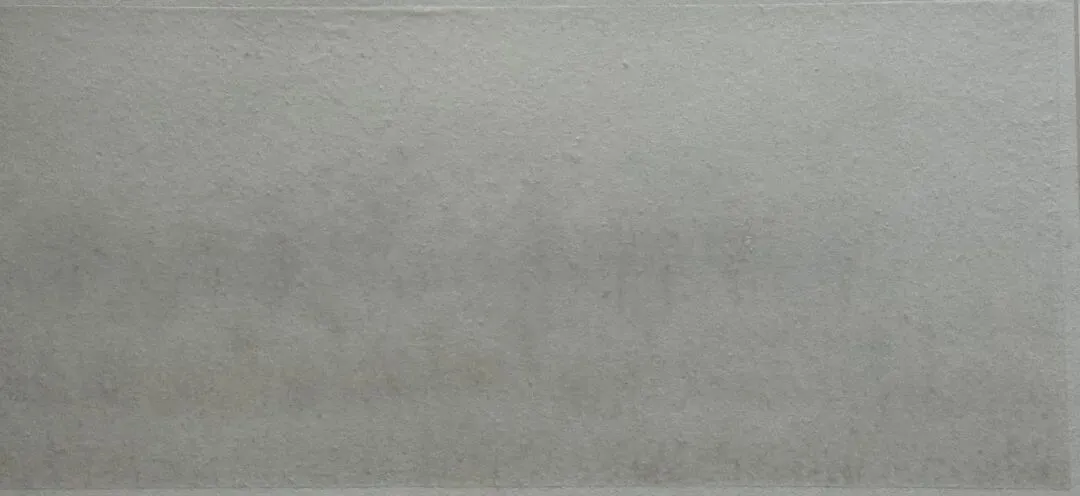
邱世华 《无题》 24×55cm 纸上油画 1998
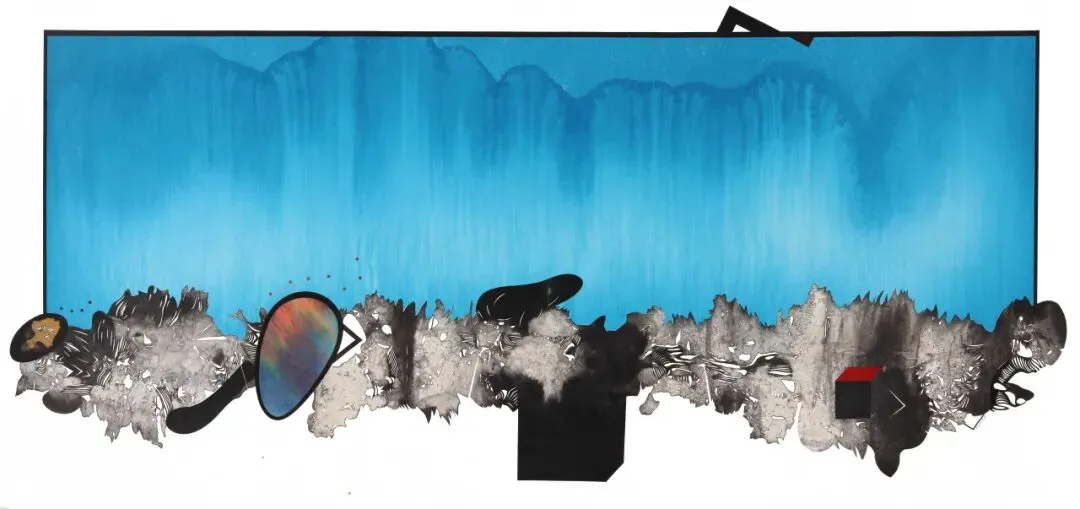
王非 《消夏图》 123×265cm 纸本水墨 2024
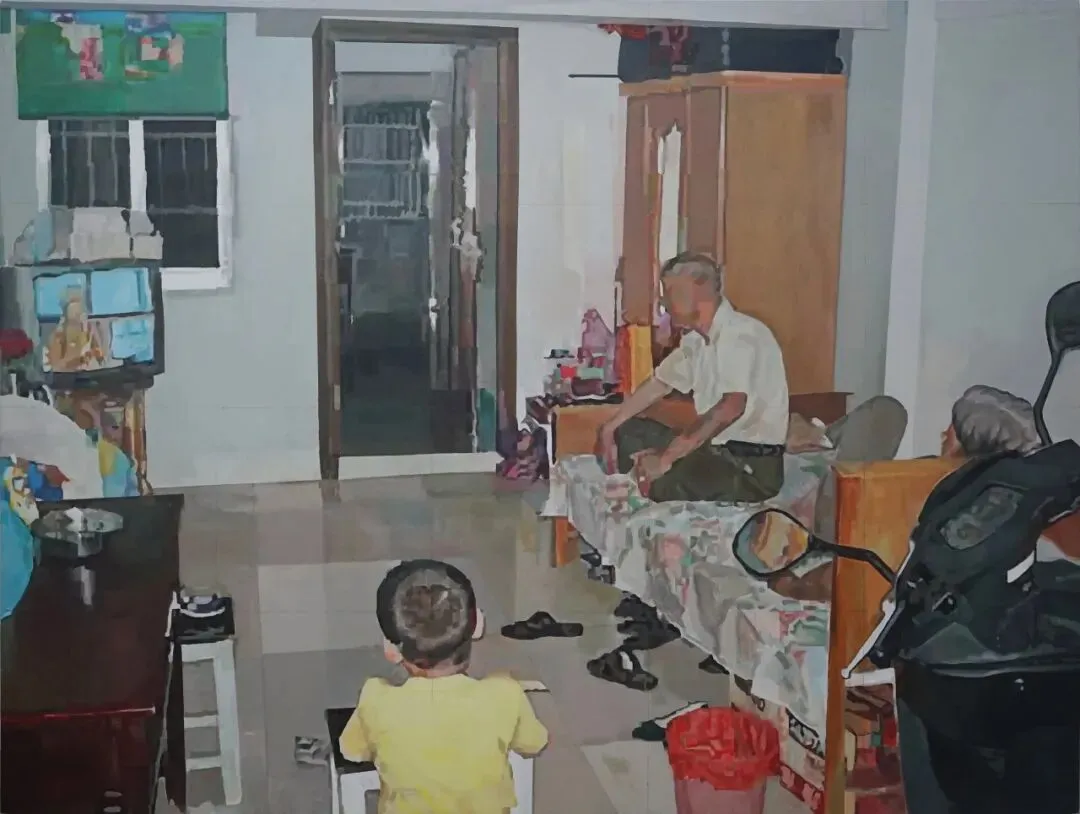
王曜 《老小》 188×250cm 布面丙烯 2025
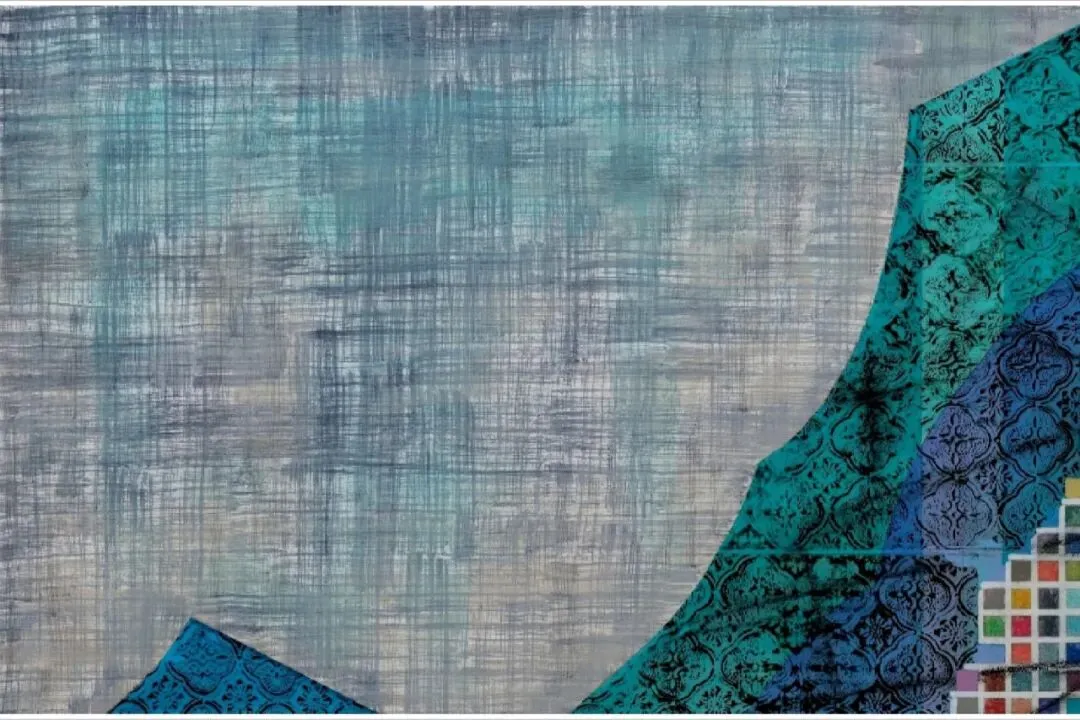
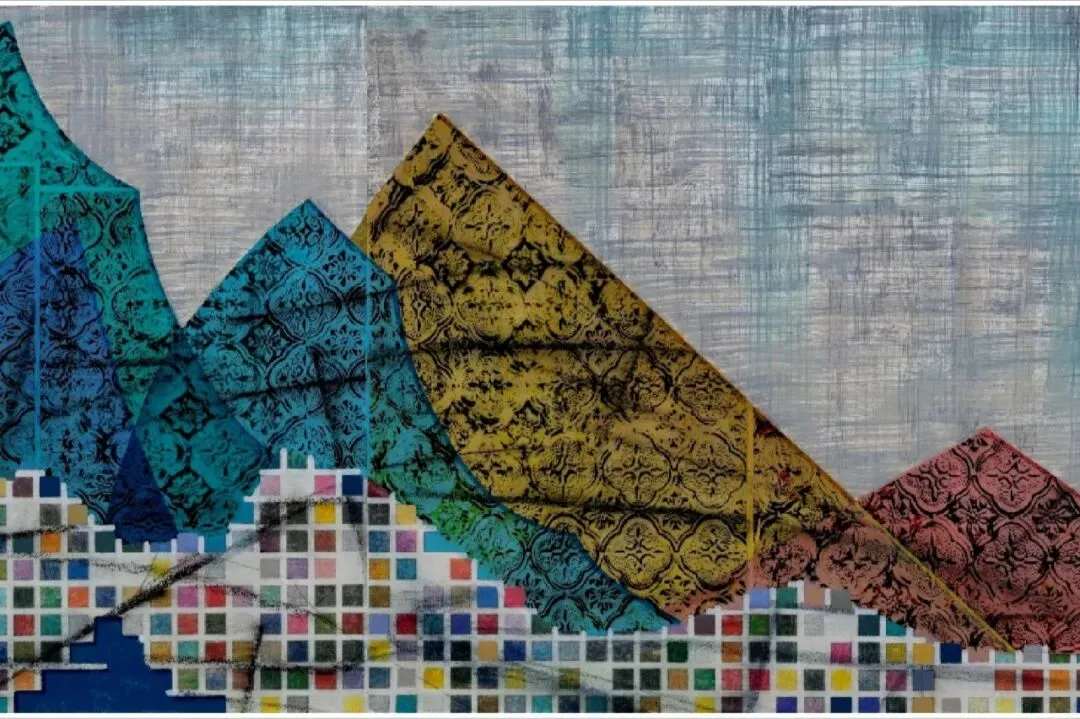
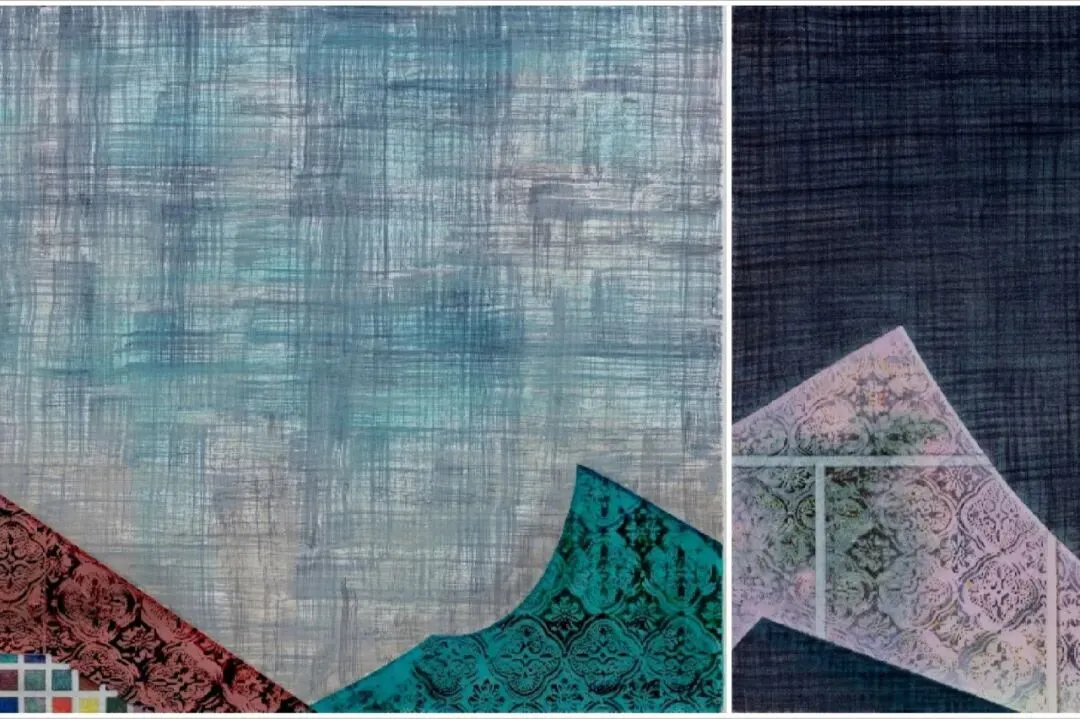
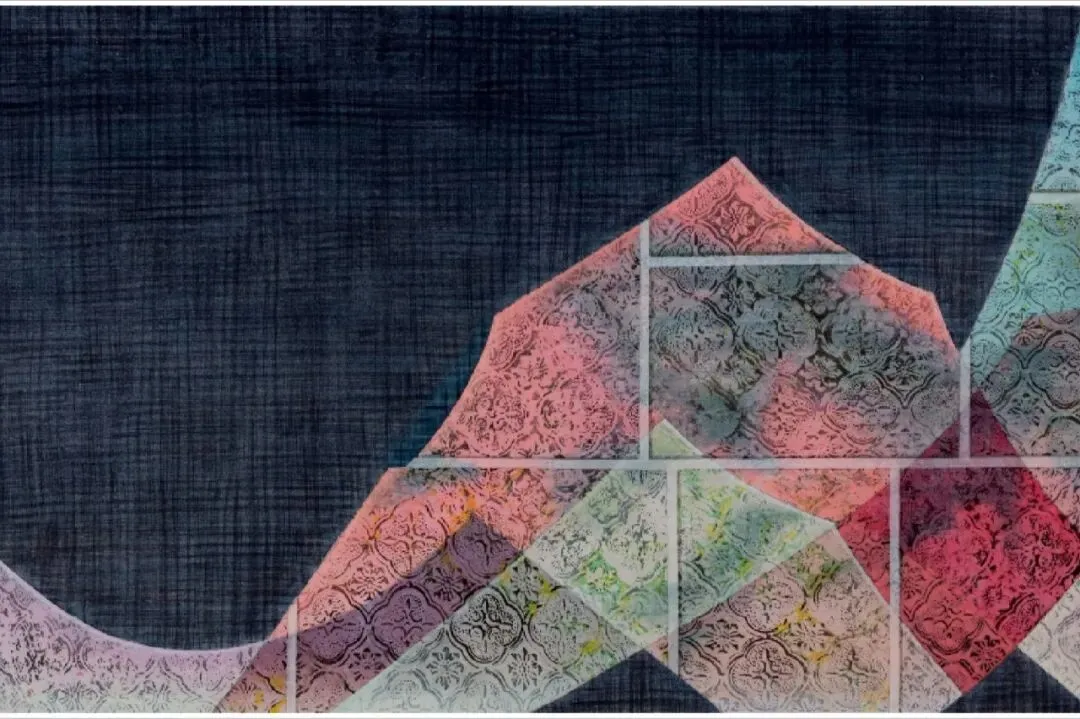
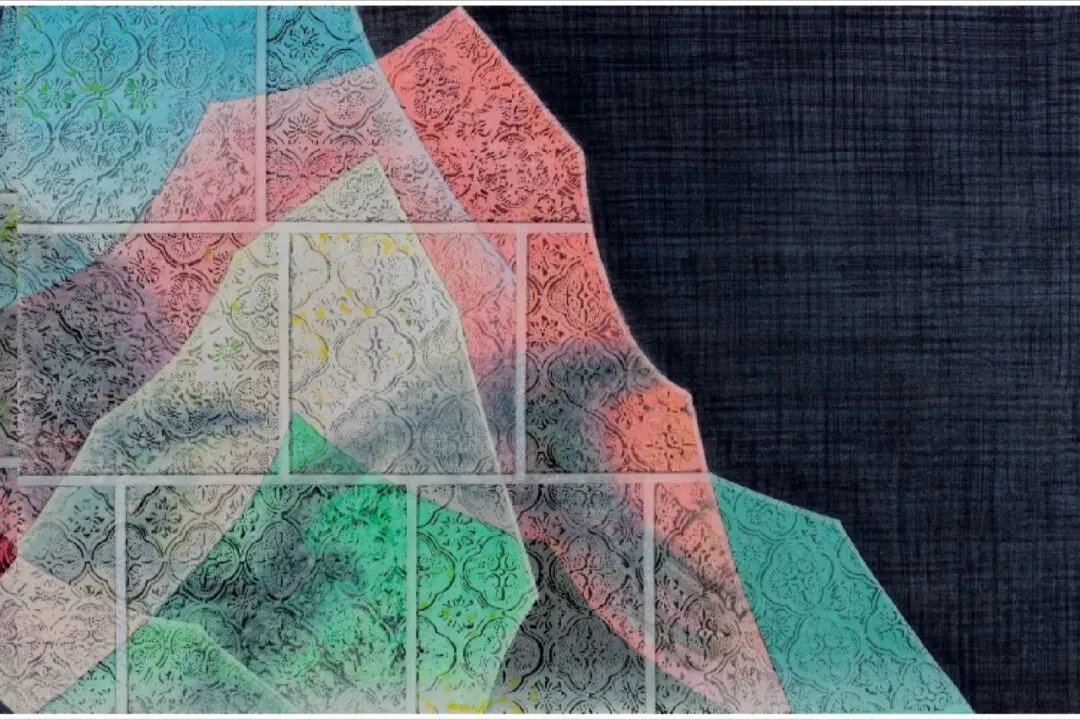
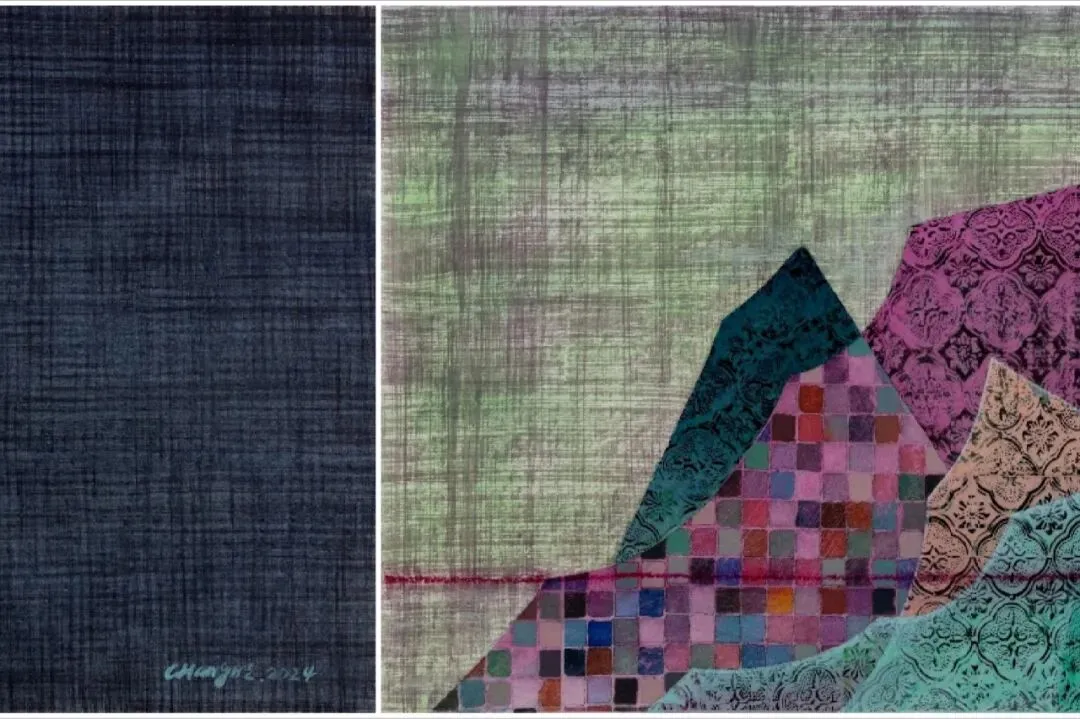
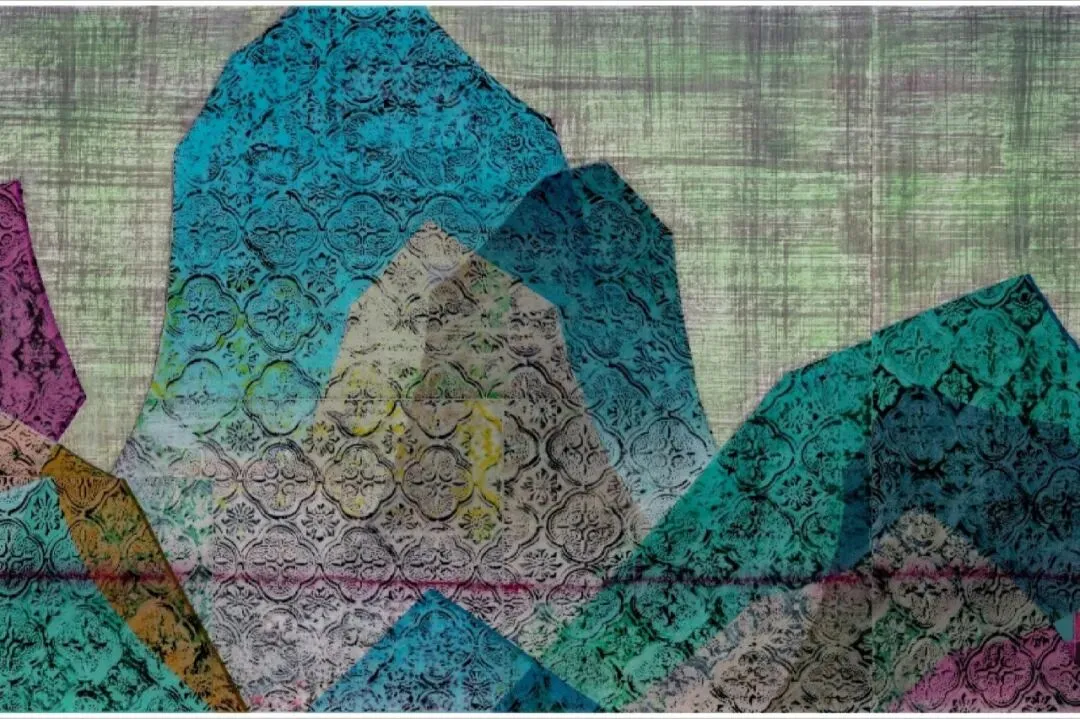
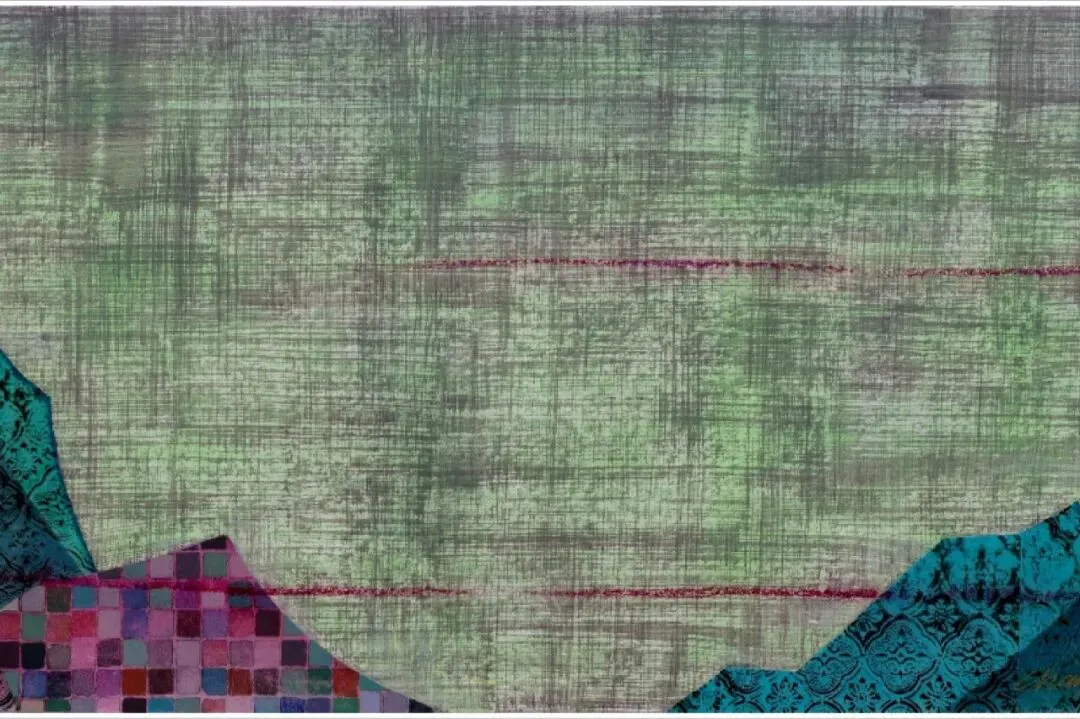
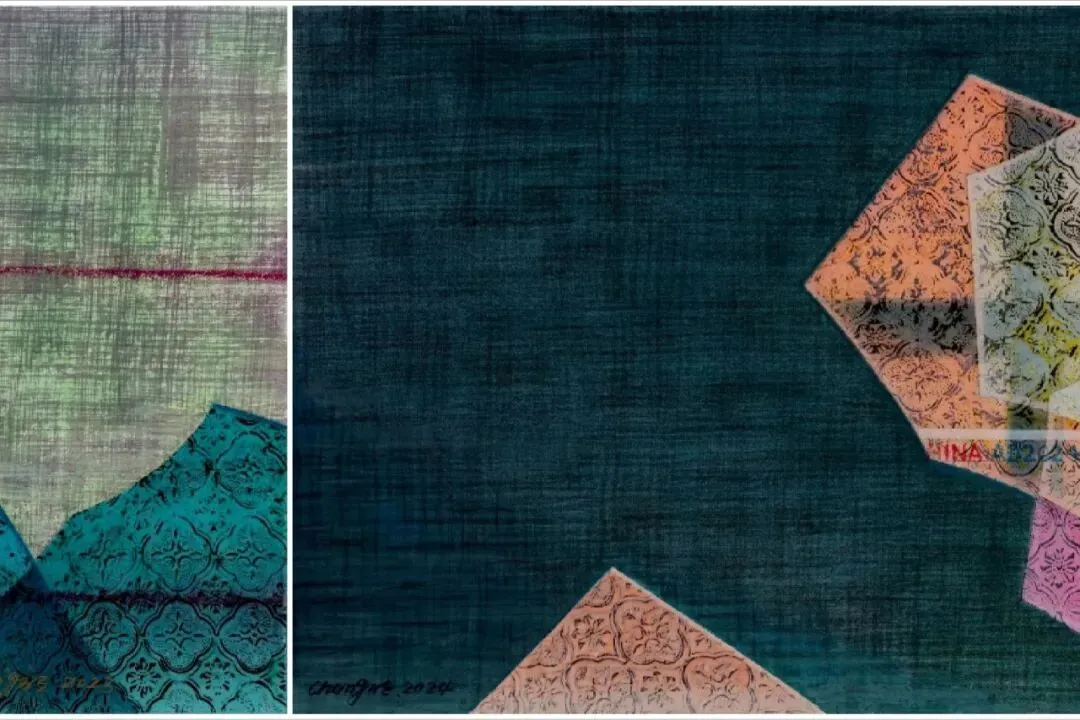
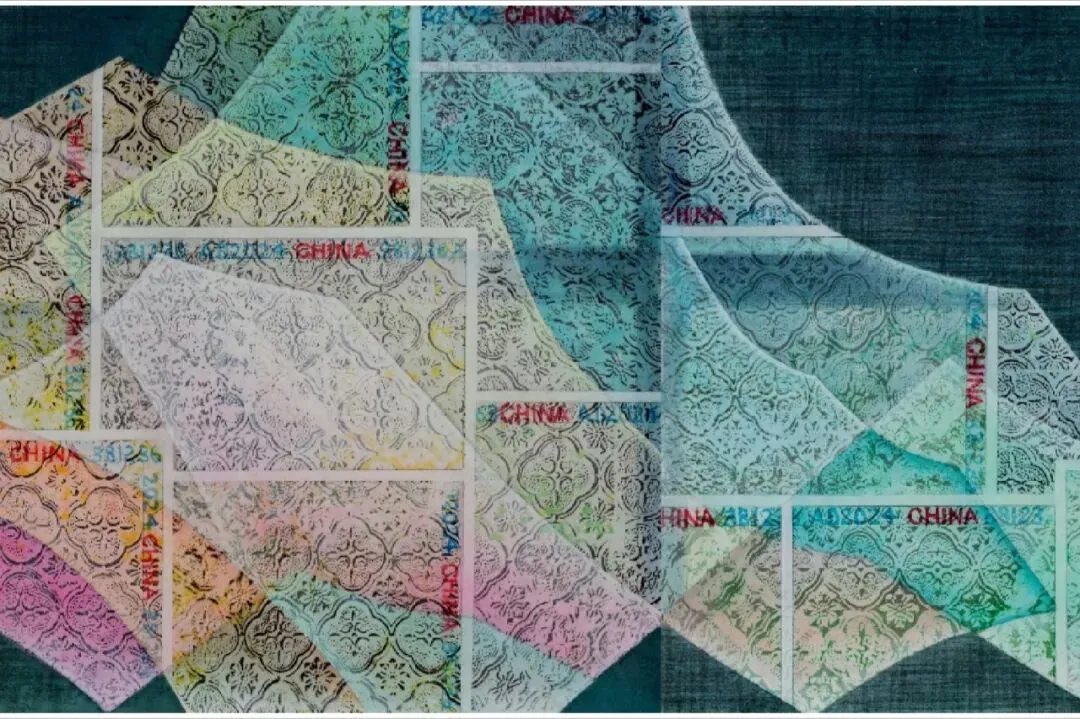
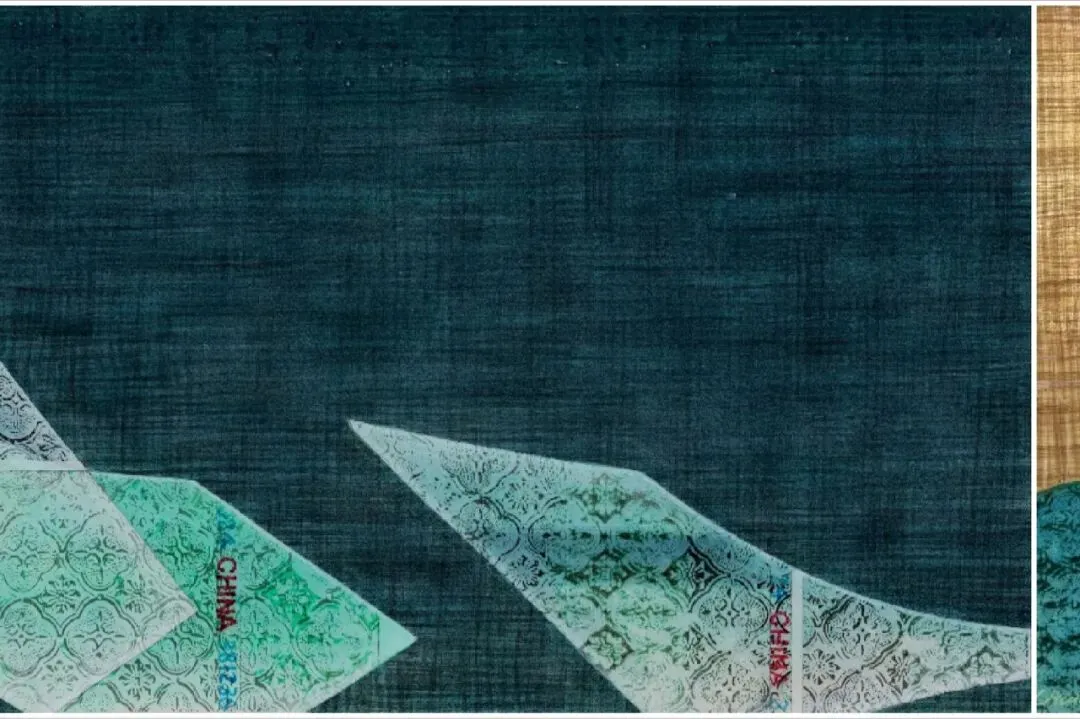
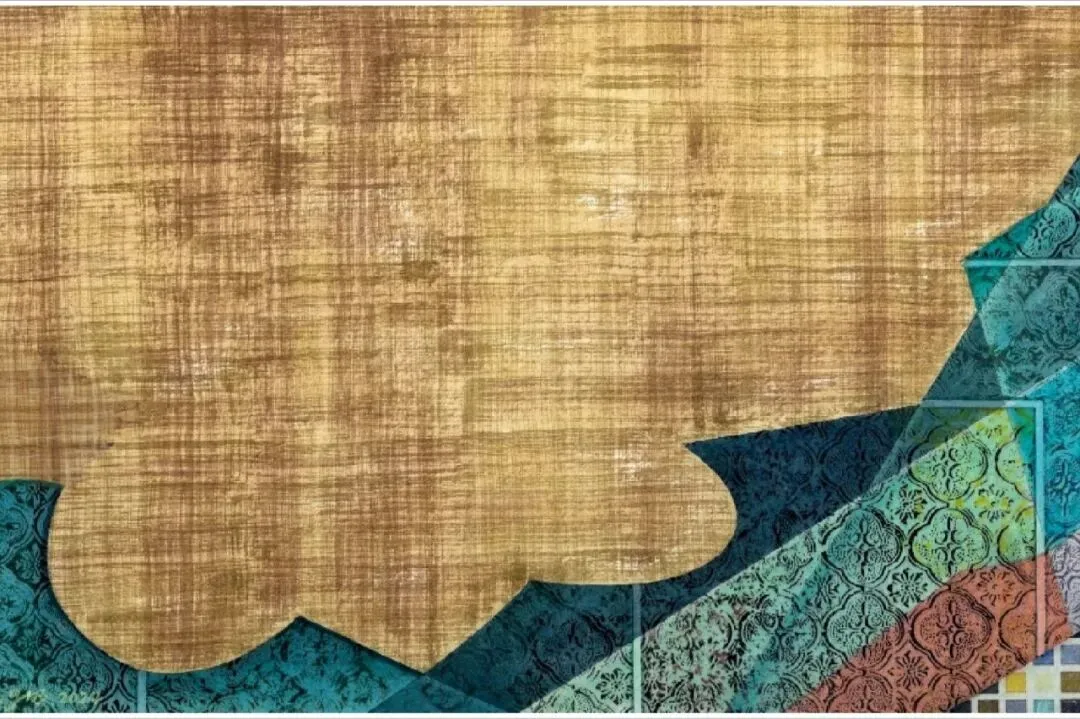
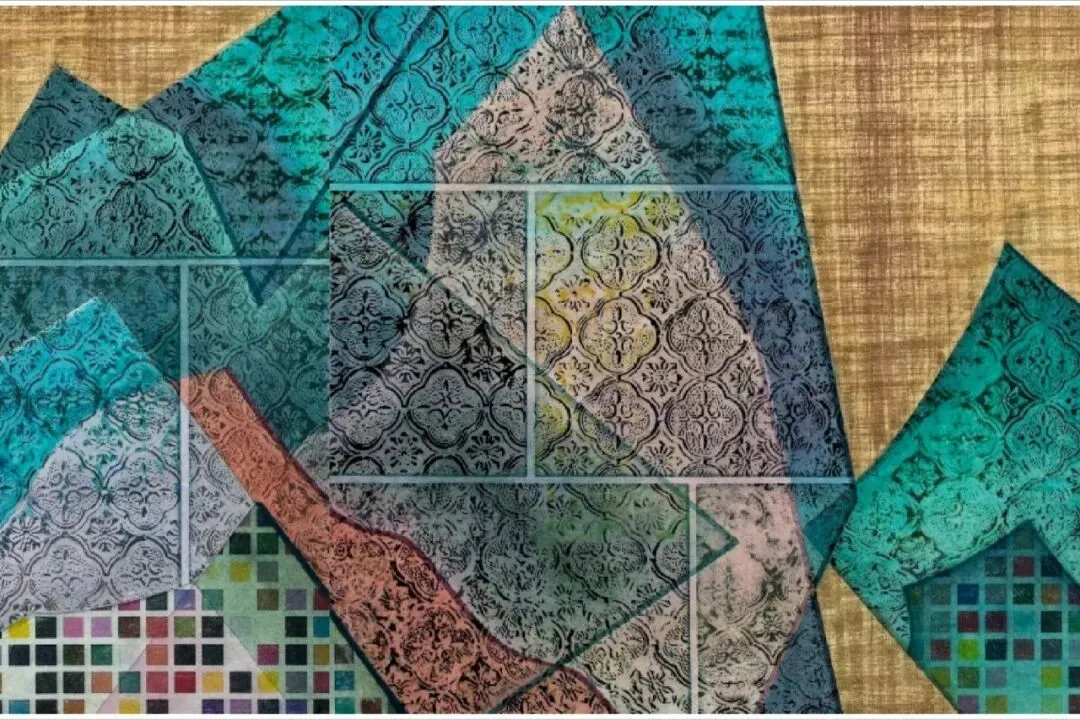
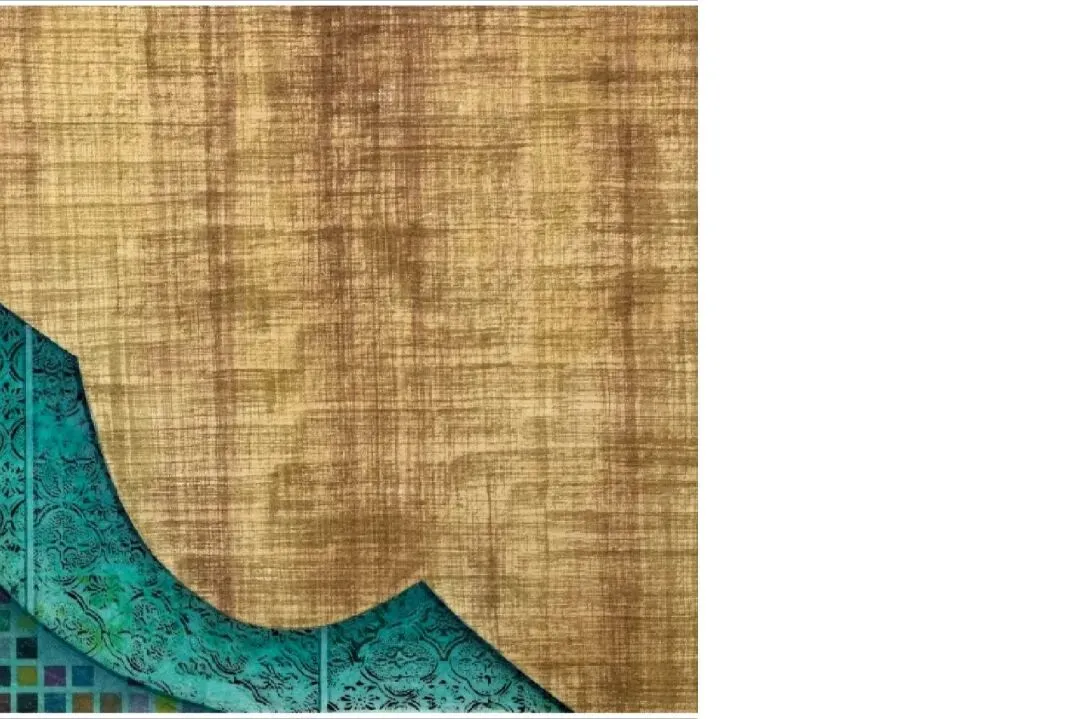
王长明 《阿波罗计划-千里江山图》 53×220cm

滑动查看完整作品

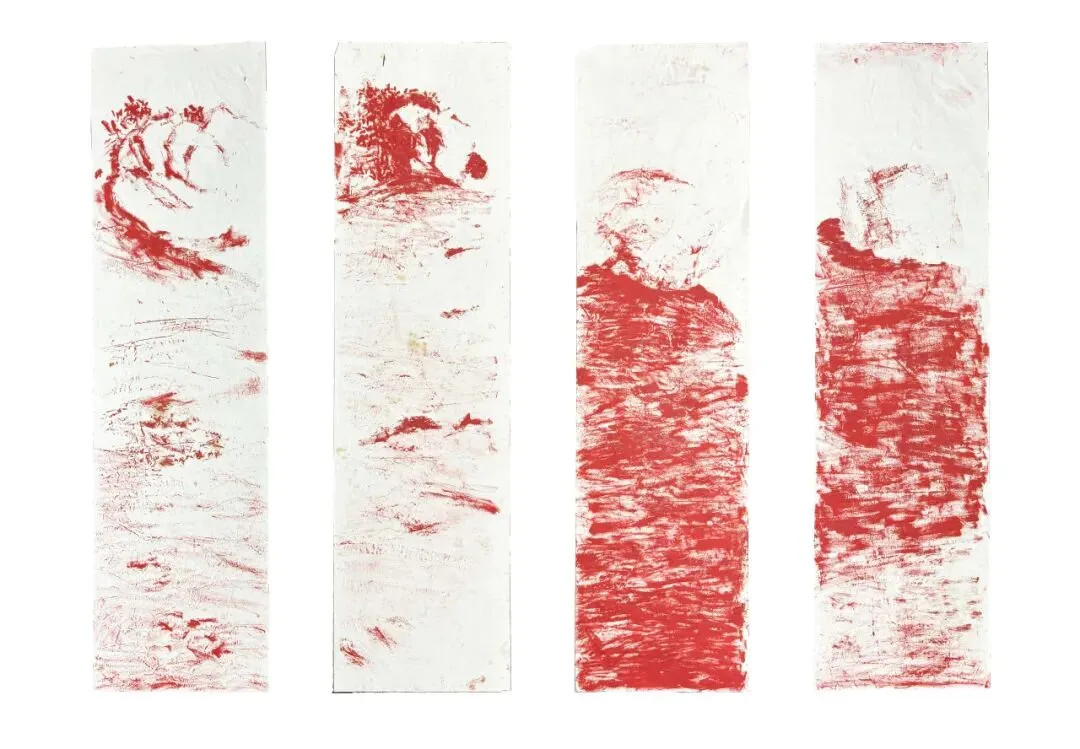
严善錞 《大条屏·宝石山》01-04 500×150cm×4 油彩纸本 2025
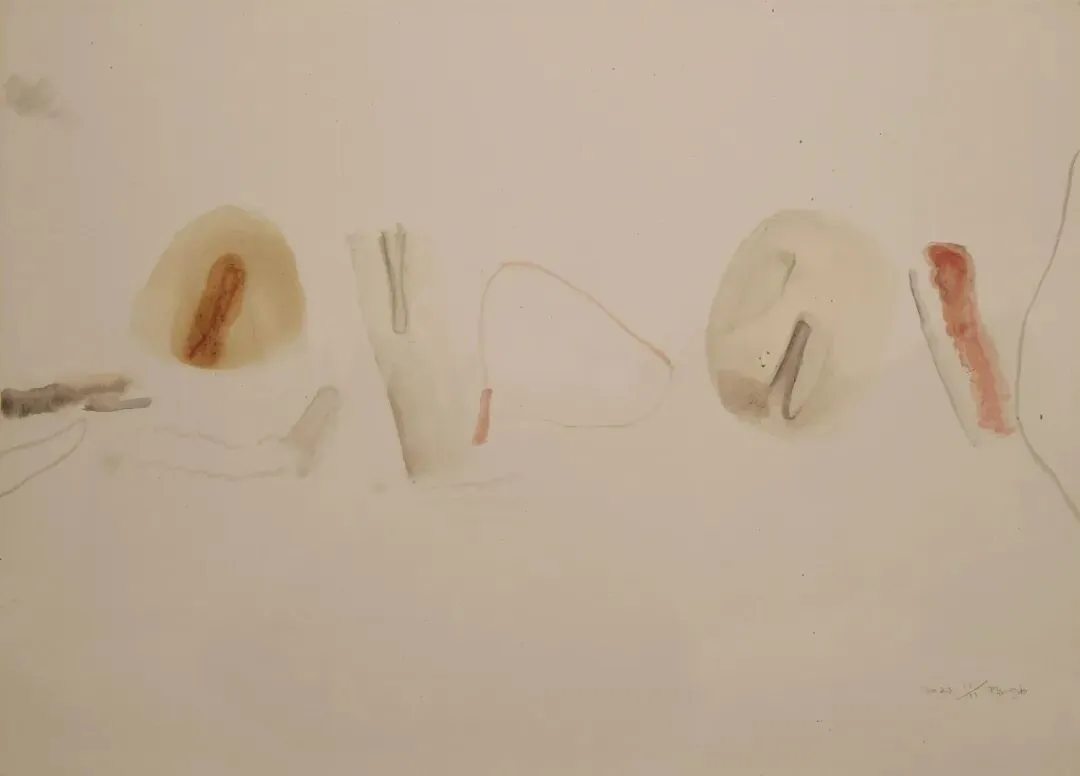
杨大伟 《之间》系列二 39×54cm 纸本综合
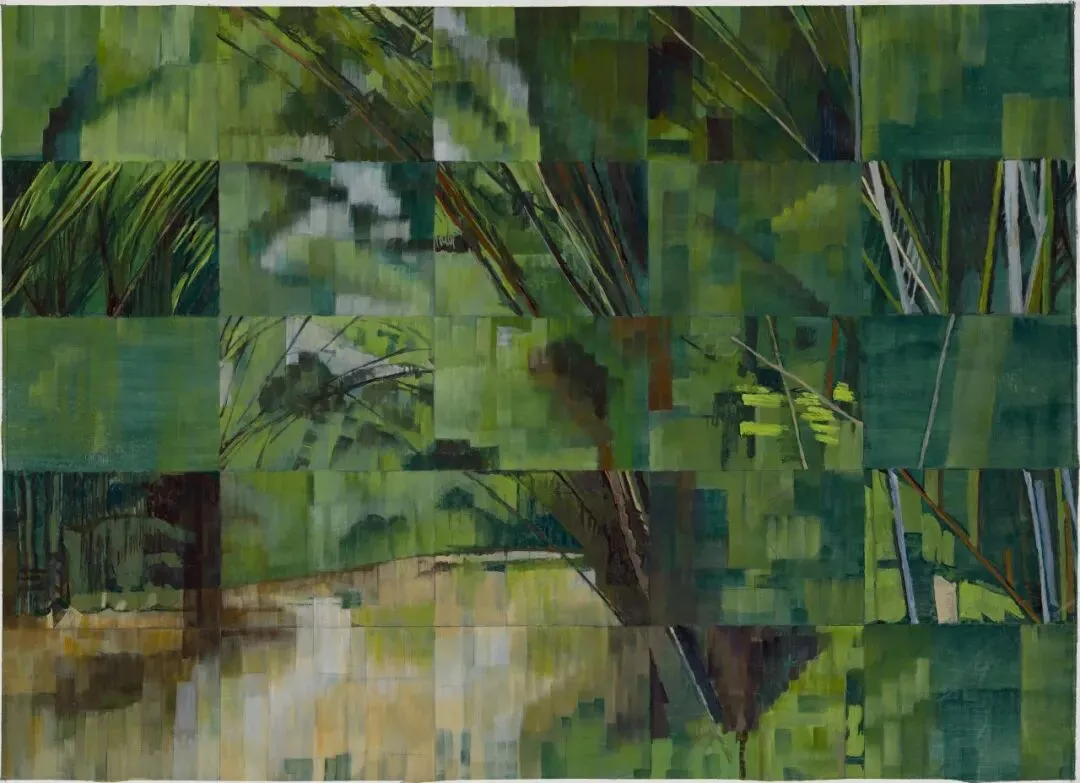
郑剑桥 《红,绿,蓝》 165×276cm 亚麻布 2025
Cézanne's Unfinished Legacy and
the Modernity of Chinese Painting
Why hold a contemporary painting exhibition related to Cézanne at Ningbo Museum of Art? The reasons are twofold:
Firstly, there's the "immediate reason," the direct inspiration—Ningbo Museum of Art possesses two works by Cézanne—a remarkable achievement, possibly unique to public art museums in China, which requires an academic response as a tribute to the museum and a display to the public. Secondly, there's the "remote reason," as Cézanne is the father of modern art. Every new development in painting resonates with him from afar. If contemporary Chinese painting aspires to gain proper global recognition, it must, while intrinsically connecting with its own great tradition, also draw upon Cézanne's work to unlock potential resources for a new narrative of modernity.
The principles and value of this new narrative lie in: firstly, analyzing the history of Western modern painting related to Cézanne to uncover unresolved dilemmas in his work; secondly, tracing the process of learning from Cézanne in the history of modern Chinese painting, discussing its gains and losses; and thirdly, using the works in this exhibition as examples, demonstrating how Chinese painters can engage in direct or indirect dialogue with Cézanne, thereby discussing the potential contributions of Chinese painting. If the works in this exhibition can simultaneously embody these three academic values, they will leave an epoch-making mark and possess future inspiration.
For contemporary Chinese painting to achieve a global presence, it must establish an intrinsic relationship with Cézanne. If we begin anew with Cézanne, then where exactly does the connection between contemporary Chinese art and Cézanne lie? Since Cézanne is the starting point of modern painting, if contemporary Chinese painting is to establish a new lineage, or even to begin anew, where exactly is the point of intersection, the starting point for this renewed beginning, between Chinese painting and Cézanne's work? What are the specific points of connection? This is a crucial question that art criticism and cross-cultural dialogue must confront and clarify! Therefore, the core issue of this academic exhibition is: to confront the "unfinished Cézanne" and discover his other possibilities! We attempt to examine, starting with various explorations in Cézanne's later paintings, whether Chinese painters, situated within the context of modernity, have responded to those untapped possibilities.
This exhibition, through the curator's selection of representative contemporary Chinese artists and their works, engages in a dialogue with Cézanne's late period on several fronts: for example, the relationship between Cézanne's transitions between oil and watercolor in his later years; how, while gaining a sense of abstraction through repeated sketches of natural landscapes, it is possible to return to the richness of nature's own changes, and even to the secrets hidden within nature itself; and how to address the most fundamental aesthetic question of modernity: how to simultaneously convey "eternity within impermanence" and "the poetry of history"—a dual relationship that remains unresolved in Western modern painting. Chinese painting, however, combines seemingly opposing forces from Western culture—such as the fusion of water and oil textures, the interplay of solidity and void, the subtle convergence of abstraction and nature, the delicate transformation between sketching and creation, the paradoxical combination of concept and touch, and the mutual permeation of technique and nature—to achieve a parallel yet subtle synthesis of nature and art. Through the abstract traces, it rediscovers the historical poetry of its cultural matrix, endowing it with eternal stillness and endless allusions.
The value of modern aesthetics embodied in Chinese painting lies in its ability to activate the iconographic memory and ethereal poetic realm of its cultural matrix through the fusion of oil and water techniques, reconstructing a new "distant" perspective to accommodate Western spatial geometric thinking, preserving a spiritual connection with nature, constructing historical depth within the painting, and witnessing how painting's salvation of memory stems from a love of nature.
We gain the correct perspective on art from Cézanne, who in turn gained poetic historical depth from the East. The mystery of nature is protected and opened up, and natural beauty is elegantly safeguarded in the AI era.
Xia Kejun
(Philosopher, Critic, Curator)

来源:学术典藏部
编辑:徐良、潘茜茜
初审:孙周
终审:姚剑峰
宁波美朮馆
NINGBO MUSEUM OF ART
本部
宁波市江北区人民路122号
<开放时间>
周二 至 周五,周日
9:00-17:00(16:30停止入馆)
周六
9:00-20:00(19:30停止入馆)
非法定节假日周一闭馆
重大节假日另行通知
<联系电话>
0574-87643222
东钱湖馆区
宁波市东钱湖旅游度假区环湖南路555号
<开放时间>
周二 至 周日
9:00-16:30(16:15停止入馆)
非法定节假日周一闭馆
重大节假日另行通知
<联系电话>
0574-82817989 转601
0574-82817981
