
点击蓝字 关注我们
01.12
01.12
公司介绍
Company Profile
广州市金桩贸易有限公司,以广州为国际业务前沿枢纽,以普宁市为供应链深耕腹地,双核驱动,布局全球。
Guangzhou Jinzhuang Trading Co., Ltd., with Guangzhou as its international business hub and Puning City as its core supply chain base, operates a dual-core strategy to expand globally.
我们在普宁市拥有逾400平方米的现代化办公与展示空间,专注于摩托车配件、汽车配件、日用消费品等多元化产品的全球资源整合。我们不仅提供高效可靠的跨境交易服务,更致力于构建集市场洞察、供应链优化与品牌出海支持于一体的综合服务平台。
We have over 400 square meters of modern office and showroom space in Puning City, focusing on the global resource integration of diversified products such as motorcycle parts, auto parts, and daily consumer goods. We not only provide efficient and reliable cross-border transaction services, but also strive to build a comprehensive service platform integrating market insights, supply chain optimization, and brand globalization support.
01
展会“狼人杀”:当国际采购商突然失联
你的样品去了哪里?
Trade Show "Werewolf": What Happens When
International Buyers Suddenly Disappear?
Where Did Your Samples Go?
一份来自“科威特政府”的紧急采购订单静静躺在邮箱里,而万里之外的中东,根本不存在这家煞有介事的采购公司。
某中国机械制造商曾收到一份盖着“某国政府部门”印章的采购文件,要求紧急采购价值百万美元的设备。经过中国驻当地使馆核实,该部门当年并无此采购计划,印章系伪造。
这是国际贸易中典型的“钓鱼订单”,而展会正是这类骗局信息的重要来源地。
An urgent procurement order from the "Kuwaiti government" lay quietly in the inbox, while this seemingly legitimate purchasing company didn't even exist in the Middle East.
A Chinese machinery manufacturer once received a procurement document bearing the seal of a "government department of a certain country," requesting the urgent purchase of equipment worth millions of dollars. After verification by the Chinese embassy in the region, it was confirmed that the department had no such procurement plan at the time, and the seal was forged.
This is a typical "phishing order" in international trade, and trade shows are a major source of such scam information.
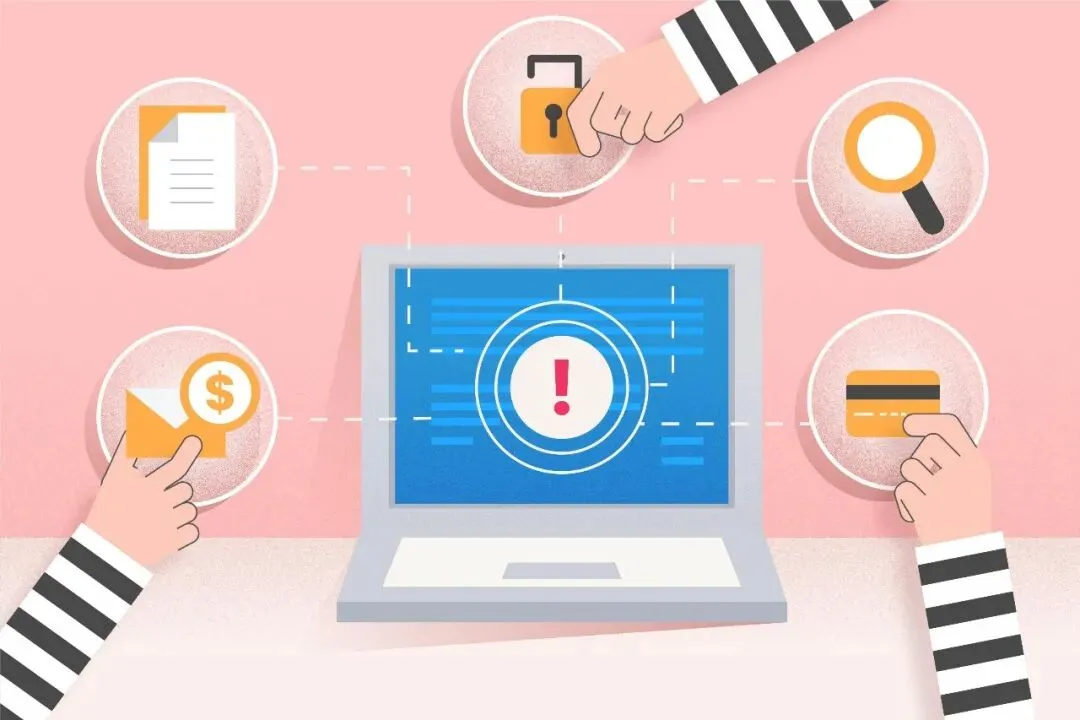
展会骗局,为何总在异国他乡上演?
国际贸易的信息不对称和法律管辖难题,为展会诈骗提供了温床。骗子们深谙跨国追责的成本之高,往往选择在海外展会上寻找猎物。
一位浙江出口商在法兰克福展会上结识了“北非大客户”,对方下了试订单后要求提供更多产品样品,承诺随后将下大单。企业寄出数万元样品后,“客户”便失联了,连之前的试订单尾款也未付清。
这种“放长线钓大鱼”的骗局在海外展会中屡见不鲜。诈骗分子利用中国企业对国际市场规则不熟悉、语言沟通存在障碍的弱点,精心设计各种陷阱。
更棘手的是,由于涉及跨国法律程序,即使发现被骗,中国企业往往因维权成本过高而放弃追索,这反过来助长了骗子的气焰。
Why do trade show scams always seem to occur overseas?
Information asymmetry and legal jurisdictional difficulties in international trade provide fertile ground for trade show fraud. Scammers are well aware of the high costs of cross-border prosecution, and often choose to hunt their prey at overseas trade shows.
A Zhejiang exporter met a "major North African client" at a trade fair in Frankfurt. After placing a trial order, the client requested more product samples, promising to place a larger order later. After the company sent samples worth tens of thousands of yuan, the "client" disappeared, failing to even pay the balance of the trial order.
This "long-term investment" scam is common at overseas trade shows. Fraudsters exploit Chinese companies' unfamiliarity with international market rules and language barriers, meticulously designing various traps.
Even more problematic is that, due to the involvement of transnational legal procedures, even if Chinese companies discover they have been scammed, they often give up pursuing legal action due to the high cost of doing so, which in turn emboldens the fraudsters.
三种角色,骗子在展会上的完美伪装
展会诈骗的剧本总是精心编写,骗子们扮演的角色各不相同,但都直指企业的钱包。
角色一:急需采购的“政府代理”。这类骗子常冒充中东、非洲等地区政府部门的采购代理,声称有“紧急国家项目”需要采购大量物资。他们会出示伪造的官方文件,要求企业先支付“注册费”、“保证金”或提供免费样品。
角色二:寻找合作伙伴的“国际品牌代表”。这类骗子瞄准想要开拓国际市场的中国企业,声称自己是知名国际品牌的采购代表,可以助企业进入国际供应链。他们以审核、认证为名收取高额费用,或要求赴海外考察的所有费用由中方承担。
角色三:提供一站式服务的“展会代理”。这些公司声称是展会官方合作伙伴,提供从展位设计、搭建到住宿、物流的全套服务。等企业付款后,要么服务质量极差,要么根本找不到人,而展会组织方表示与这些公司毫无关系。
Three Roles: The Perfect Disguise of Scammers at Trade Shows
Trade show scams are always meticulously crafted, with scammers playing different roles, but all aiming to steal from businesses.
Role One: The "Government Agent" in Urgent Need of Procurement. These scammers often impersonate procurement agents from government departments in the Middle East, Africa, etc., claiming to have "urgent national projects" requiring the purchase of large quantities of goods. They will present forged official documents and demand that companies pay "registration fees," "deposits," or provide free samples.
Role Two: The "International Brand Representative" Seeking Partners. These scammers target Chinese companies looking to expand into international markets, claiming to be purchasing representatives of well-known international brands who can help the company enter the international supply chain. They charge exorbitant fees under the guise of audits and certifications, or require the Chinese side to bear all expenses for overseas inspections.
Role Three: "Exhibition Agents" Providing One-Stop Services. These companies claim to be official partners of the exhibition, offering a full range of services from booth design and construction to accommodation and logistics. After the company pays, either the service quality is extremely poor, or they simply disappear without a trace, while the exhibition organizers claim to have no connection with these companies.
五个警示信号,识别展会潜在骗局
在与展会上的新接触方打交道时,警惕以下五个危险信号:
信号一:过早要求寄送高价值样品。尤其是对方不愿承担样品费和运费,或以“流程需要”为名要求远超正常测试用量的样品。
信号二:对产品细节不关心,只关注支付条款。真正的采购商通常会详细了解产品规格、质量标准,而骗子往往跳过这些细节,直奔财务安排。
信号三:提供的公司信息难以核实。当你发现对方提供的地址不存在、电话无人接听、公司网站刚建立不久时,需要高度警惕。
信号四:催促快速决策,制造紧迫感。骗子常用“其他供应商也在考虑”、“采购截止日期临近”等话术,迫使企业在未充分调查的情况下做出决定。
信号五:付款方式异常。要求通过西联汇款、比特币等难以追踪的方式付款,或要求向与公司名称不符的第三方账户汇款。
Five Warning Signs to Identify Potential Trade Show Scams
When dealing with new contacts at trade shows, be wary of the following five warning signs:
Sign1: Requesting high-value samples too early. Especially if the other party is unwilling to cover sample and shipping costs, or requests far more samples than normal for testing under the guise of "process requirements."
Sign2: Focusing solely on payment terms without paying attention to product details. Genuine buyers usually thoroughly understand product specifications and quality standards, while scammers often skip these details and go straight to financial arrangements.
Signal3: The company information provided is difficult to verify. Be highly vigilant if you find that the address provided by the other party does not exist, the phone goes unanswered, and the company website is newly established.
Signal4: Pressuring for quick decisions and creating a sense of urgency. Scammers often use phrases like "other suppliers are also considering" or "the procurement deadline is approaching" to force companies to make decisions without sufficient investigation.
Signal5: Abnormal payment methods. They request payments via difficult-to-trace methods such as Western Union or Bitcoin, or request transfers to third-party accounts that do not match the company name.
三层防御,保护企业远离展会诈骗
针对不同规模的参展企业,可建立相应的防护体系:
基础防御:核实与调研。无论对方看起来多么可信,都必须进行基本核实。通过中国驻外使领馆、当地商会、行业组织等渠道核实对方公司资质。对于大额订单,可考虑委托当地律师进行背景调查。
中级防御:合同与支付条款保护。在合同中明确约定样品处理方式、知识产权保护、争端解决机制等内容。采用信用证等相对安全的支付方式,避免前TT(预付款)比例过高。
高级防御:建立企业预警系统。大型外贸企业可建立“潜在风险客户数据库”,收集行业内已知的诈骗公司信息。参加展会前,对展会主办方、同期参展商进行基本背景调查。与同行企业建立信息共享机制,及时通报可疑情况。
Three layers of defense to protect businesses from trade show scams
For exhibitors of different sizes, corresponding protection systems can be established:
Basic Defense: Verification and Investigation. No matter how trustworthy the other party may seem, basic verification is essential. Verify the company's qualifications through Chinese embassies and consulates abroad, local chambers of commerce, industry organizations, etc. For large orders, consider engaging a local lawyer to conduct background checks.
Intermediate Defense: Contract and Payment Terms Protection. Clearly stipulate sample handling methods, intellectual property protection, and dispute resolution mechanisms in the contract. Adopt relatively secure payment methods such as letters of credit and avoid excessively high upfront TT (Telegraphic Transfer) payments.
Advanced Defense: Establish a Corporate Early Warning System. Large foreign trade companies can establish a "potential risk customer database" to collect information on known fraudulent companies within the industry. Before participating in exhibitions, conduct basic background checks on exhibition organizers and concurrent exhibitors. Establish an information-sharing mechanism with peer companies to promptly report suspicious situations.
‼️特别提醒:中国国际贸易促进委员会和地方商务部门定期发布海外展会风险提示,参展前务必查阅。遇到可疑情况,及时向这些机构咨询求助。
‼️Special Reminder: The China Council for the Promotion of International Trade and local commerce departments regularly issue risk warnings for overseas exhibitions. Please be sure to read them before participating. If you encounter any suspicious situations, please consult these organizations for assistance.
那份伪造的“科威特政府采购文件”最终被中国企业识破,避免了百万元损失。但更多企业没有那么幸运,他们的样品和预付款往往石沉大海,追索无门。
展会本是商业机会的聚集地,却也成为国际贸易暗流的交汇点。 在这场全球商业游戏中,保持警惕与专业核实,是抵御精心伪装骗局的唯一盾牌。
The forged "Kuwaiti government procurement document" was eventually exposed by the Chinese company, preventing a loss of millions of yuan. However, many other companies were not so lucky; their samples and advance payments often disappeared without a trace, leaving them with no recourse.
Trade shows, meant to be hubs of business opportunities, have also become crossroads of undercurrents in international trade. In this global business game, vigilance and professional verification are the only shields against elaborately disguised scams.

扫码添加微信
Scan the QR code to add WeChat

扫码添加whatsapp
Scan the QR code to add WhatsApp
