
Conclusion
IN 2015, TO MUCH FANFARE in the British press, a company named Gibraltar Wine Vaults announced that it was converting Gibraltar’s underground tunnels into wine storage. Gibraltar is a tiny, rocky island that squats in the narrow straits between the Iberian Peninsula and North Africa, where the Mediterranean meets the Atlantic. It has no agriculture, and certainly no vineyards. Gibraltar became a British territory in 1713. It was a vital naval base for the U.K.’s Mediterranean maneuvers—especially, after 1869, for access to the Suez Canal, and onward to the Indian Ocean—and was attacked and besieged dozens of times over the centuries. In the early months of the Second World War the British government authorized an expansion of the island’s network of underground tunnels, for safety and storage in the event of an attack. The “Rock” has just twelve kilometers of coastline but fifty-five kilometers of underground tunnels. Because of Gibraltar’s relaxed tax regime, wine that is imported into the island can be held in bond at relatively low rates. This allows connoisseurs to store their wine cheaply.

2015年,一家名为直布罗陀葡萄酒储藏室(Gibraltar Wine Vaults)的公司宣布将直布罗陀的地下隧道改建成葡萄酒储藏室,这引起了英国媒体的热议。直布罗陀是一个岩石小岛,位于伊比利亚半岛和北非之间的狭窄海峡中,地中海与大西洋在此交汇。岛上没有农业,当然也没有葡萄园。直布罗陀于 1713 年成为英国领土,它是英国地中海行动的重要海军基地,特别是在1869年之后,为了进入苏伊士运河并继续进入印度洋,几个世纪以来,直布罗陀曾数十次遭到攻击和围困。第二次世界大战初期,英国政府授权扩建岛上的地下隧道网络,以确保安全,并在遭到攻击时储存物资。“岩石”(直布罗陀)只有12公里长的海岸线,却有55公里长的地下隧道。由于直布罗陀的税制宽松,进口到该岛的葡萄酒可以相对较低的税率保有。这样,葡萄酒鉴赏家就能以低廉的价格储存葡萄酒。
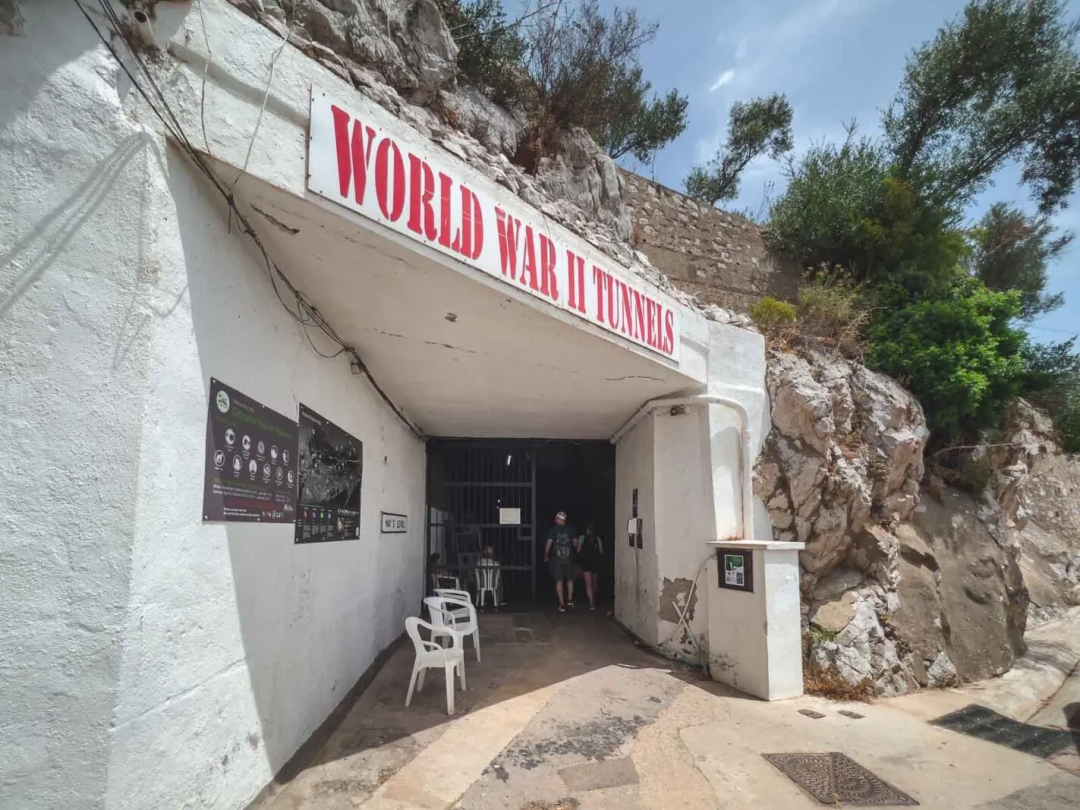
There is no more apt metaphor for the changes that have taken place in the British world of wine over the past two centuries. What was once a military lynchpin facilitating Britain’s colonial expansion is now a tax haven for fine wines. The empire is (mostly) gone; the Mediterranean is a holiday destination for British people, not a sea to be crossed and conquered in the pursuit of global power. Free trade stopped being a rallying cry for most British people in the 1920s, but it persists in some of the fragments and remnants of the empire.

没有比这更贴切的比喻来形容英国葡萄酒世界在过去两个世纪中发生的变化了。这里曾经是英国殖民扩张的军事要冲,如今却成了优质葡萄酒的避税天堂。帝国(大部分)已不复存在;地中海是英国人的度假胜地,而不是为追求全球权力而需要跨越和征服的海洋。20 世纪 20 年代,自由贸易不再是大多数英国人的口号,但它在帝国的一些碎片和残余中依然存在。
This book has rewritten what we think we know about the New World of wine, by demonstrating the long history of wine making in European colonies, and the equally long-standing, if volatile, trade relationships between colonies and the United Kingdom. Wine, for settler colonists in British overseas possessions, was a means of controlling and subduing what they experienced as a strange and exotic land, of making its topography conform to a civilized European model. It was also often a means of controlling and subduing native peoples, by removing their means of independent production, extracting their labor, and creating unhealthy patterns of consumption.
本书通过展示欧洲殖民地悠久的葡萄酒酿造历史,以及殖民地与英国之间同样悠久、甚至动荡的贸易关系,改写了我们对葡萄酒新世界的认识。对于英国海外殖民地的殖民者来说,葡萄酒是他们控制和征服这片陌生异域土地的一种手段,也是使这片土地的地貌符合欧洲文明模式的一种手段。它也常常是控制和征服当地人的一种手段,剥夺他们独立生产的手段,榨取他们的劳动力,并创造不健康的消费模式。

I have taken a broad interpretation of the term “civilizing mission.” When historians look at the motivations of those involved in imperial projects, they tend to categorize them as either motivated by profit or by the will to civilize. What wine demonstrates is that these two were never far apart: capitalism was endemic to British imperialism, and the commercial success of wine was viewed as proof of its civilizing success. This was a foundational ethos that existed up through the mid-twentieth century; during and after British decolonization, this civilizing mission was, I have argued, projected back onto Britain, as Britain’s new wine-drinking population clutched at excolonial wines as accessible markers of sophistication.

我对 "文明使命 "一词做了广义的解释。历史学家在研究帝国项目参与者的动机时,倾向于将其归类为利益驱动或文明意愿。葡萄酒证明了这一点:资本主义是英帝国主义的内生动力,葡萄酒在商业上的成功被视为其文明化成功的证明。我认为,在英国非殖民化期间和之后,这种文明化的使命又被投射到了英国,因为英国新的葡萄酒饮用者们紧紧抓住了将外来殖民地的葡萄酒,将其视为可获得的精致生活的标志。
By the mid-1990s, New Hall in Cambridge was serving a sparkling Jacob’s Creek pinot noir–chardonnay blend at all of its champagne-worthy events. Winemakers in Australia, New Zealand, and South Africa had plenty to celebrate, too. The dramatic growth in sales meant a growth in revenue as well. Wine making became profitable, and winemakers became more powerful, for the revenue they have created as well as the role their wineries play in countries that make a lot of money from tourism. The face of wine making had changed, from a small, rustic winery of only fifty years earlier, to a bright, modern, stainless-steel operation.
到了 20 世纪 90 年代中期,剑桥的新厅(New Hall)在其举办的所有活动中都会提供雅各布溪黑皮诺-霞多丽混酿气泡酒。澳大利亚、新西兰和南非的酿酒师们也有很多值得庆祝的事情。销售额的大幅增长也意味着收入的增长。葡萄酒酿造变得有利可图,而酿酒师也变得更加强大,因为他们创造了收入,而且他们的酒庄在那些靠旅游业赚大钱的国家也发挥了作用。葡萄酒酿造业的面貌发生了变化,从五十年前质朴的小酒厂变成了明亮、现代化的不锈钢酿酒厂。

South Africa, Australia, and New Zealand, which have been the main case studies in this book, still grapple with the impact of settler colonialism. In South Africa, stark racial divides and inequality have existed since winemakers began importing people to be enslaved on their vineyards in the seventeenth century. One of the ways in which the modern state of South Africa is trying to reverse several centuries of inequality is through Black Economic Empowerment schemes, which promote the employment of Black people in underrepresented industries, including wine. Land reform is an important political issue, too. The Solms-Delta Vineyard near Franschhoek, which actually has a free museum dedicated to the history of slavery, would seem like a model of a vineyard confronting its past, but it has come under fire in the South African press for allegedly reneging on its promise to make farmworkers co-owners of the land. In Australia, meanwhile, water rights have become a fraught issue. Irrigating vines takes a lot of water, and diverting wine towards commercial vineyards can deprive Aboriginal communities of water access.

南非、澳大利亚和新西兰是本书的主要案例研究对象,这三个国家仍在努力应对殖民主义的影响。在南非,自十七世纪酿酒商开始引进人口在葡萄园中充当奴隶以来,就一直存在着明显的种族鸿沟和不平等现象。现代南非政府试图扭转几个世纪以来不平等现象的方式之一,就是通过黑人经济赋权计划,促进黑人在葡萄酒等代表性不足的行业就业。土地改革也是一个重要的政治问题。弗朗施霍克附近的索尔姆斯-德尔塔葡萄园(Solms-Delta Vineyard)有一个免费的博物馆,专门介绍奴隶制的历史,似乎是葡萄园正视过去的典范,但它却遭到了南非媒体的抨击,因为据称它违背了让农场工人成为土地共同所有者的承诺。与此同时,在澳大利亚,水权已成为一个充满争议的问题。灌溉葡萄树需要大量用水,而将葡萄酒引向商业葡萄园可能会剥夺原住民社区的用水权。

These struggles are some of the long legacies of colonialism in the global wine industry. If critics blame external forces for encouraging this activism, that should serve as no surprise: from their inception, wine industries in the New World were woven into global networks of communication and exchange. Australia is often said to have been “born modern.” That modernity was colonial in nature, so it is unsurprising that the colonial past still torments modern Australian society.
这些斗争是殖民主义在全球葡萄酒产业中留下的长期遗产。如果批评家们指责是外部力量鼓励了这种激进主义,那也不足为奇:新世界的葡萄酒业从一开始就与全球沟通和交流网络交织在一起。人们常说澳大利亚是 "天生的现代化国家"。这种现代性本质上是殖民性的,因此,殖民历史仍然折磨着现代澳大利亚社会也就不足为奇了。
