发布信息

展览预告丨“我·爱x三宝蓬”—孙宇个展

作者:本站编辑      2026-08-03 13:52:20     0
展览预告丨“我·爱x三宝蓬”—孙宇个展
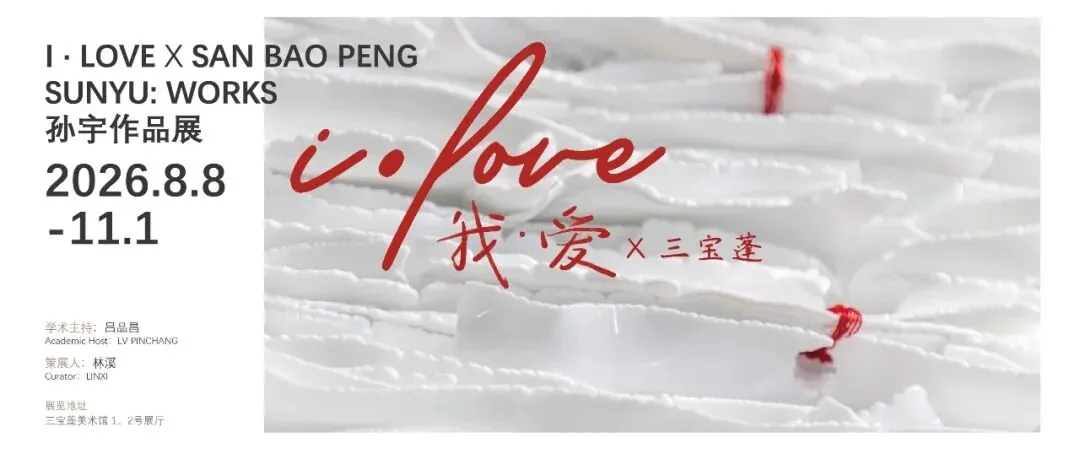
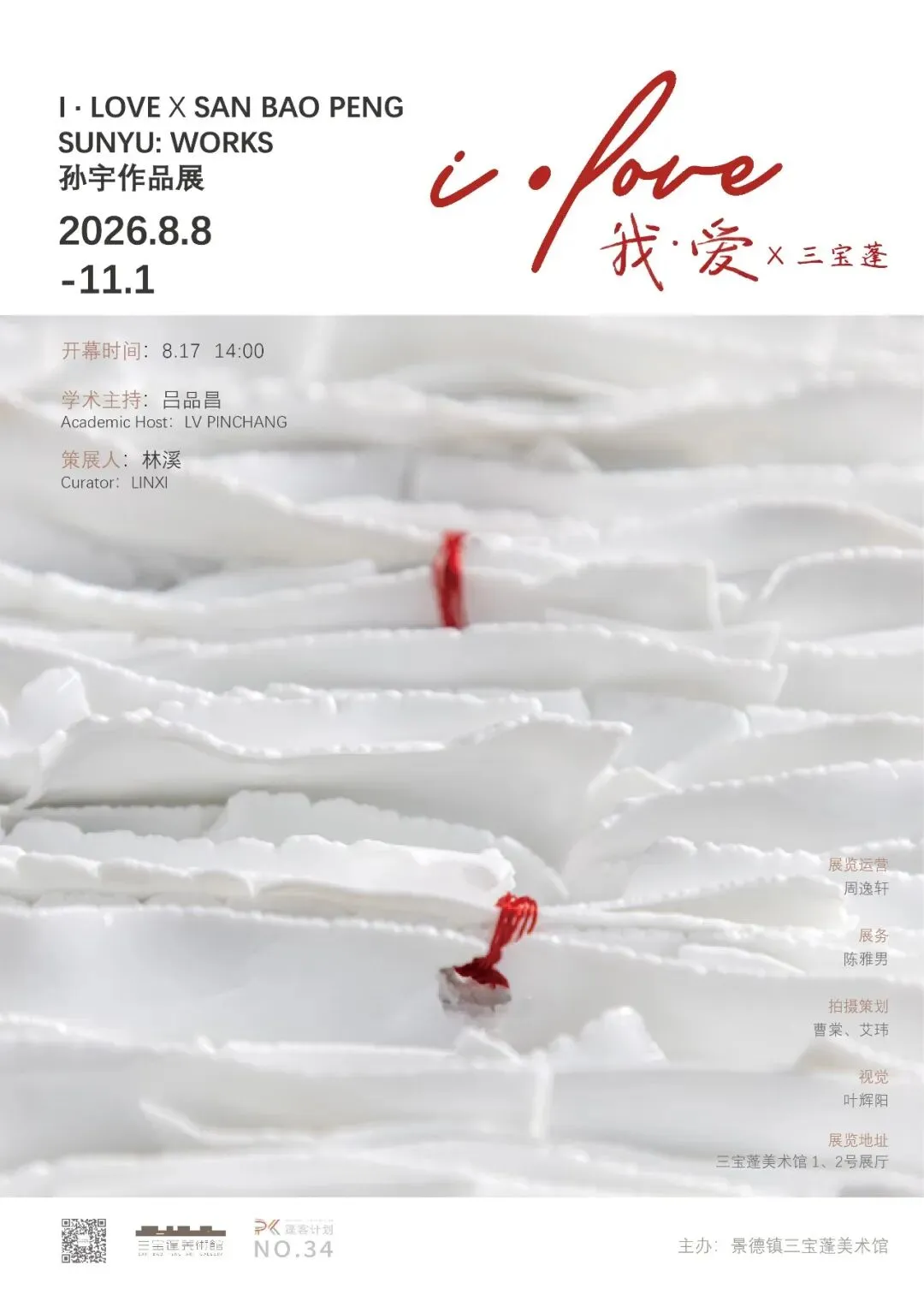
'我•爱'x三宝蓬
-孙宇个展

"I · LOVE" X SAN BAO PENG-SUNYU: WORKS

学术主持Academic Host

吕品昌 Lv Pinchang

策展人|Curator

林溪 Linxi

开幕时间|Opening time

2026年8月17日下午2点

展览时间|Exhibition Time

2026年8月8日—11月1日

展览地址|Exhibition Address

三宝蓬美术馆1、2号展厅

主办单位|Host

景德镇三宝蓬艺术聚落


前言

以“我爱”之名

我理解的艺术主要是关于“爱”的——关于自然、历史人文以及个人感悟的“大爱”和“博爱”。

将一次个展命名为“我爱”时,这两个字便不再只是私人的情感告白。孙宇的陶艺创作多年来始终扎根于东方哲学的思辨土壤。道家的“三生万物”、佛家的“圆融”、庄子的“齐物”,都被她转化为泥土与火焰的语言。那些重复的泥条、密集的圆柱、光影交叠的圆融器皿,反复追问着同一个问题。个体与群体如何共存?壁垒与依存如何和解?然而,走进这场名为“我爱”的展览,我们会发现一个微妙而重要的转向。艺术家不再满足于站在高处言说“众生”,而是开始俯身倾听每一个具体的“我”。与此同时,那些曾经隐藏在形态背后的“伤痕”,也第一次获得了被看见、被安放的可能。 

回顾孙宇近年的创作脉络,从《众NO.2》中以圆形与方形的对峙阐释“圆融”与“规矩”的辩证,到《芸芸NO.4》中用无数延伸的泥条指代“千千万万的生命”,再到《生NO.1》中“心柔软地舒展,向着光明舒展”,她的作品始终透露出一种冷静的哲学气质。陶瓷经一千二百八十度还原烧制后呈现的坚硬与温润,恰好承载了她对“道”的理解。主宰“三生万物”的是“一”,由“一”的能量不断重复输出,是最初始的动力本源。在那个阶段,艺术家更像一位沉思者,用物质在空间中排布出关于秩序、壁垒、依存与守望的视觉图景。观众被邀请去观看、去思考,却尚未被邀请去参与。 

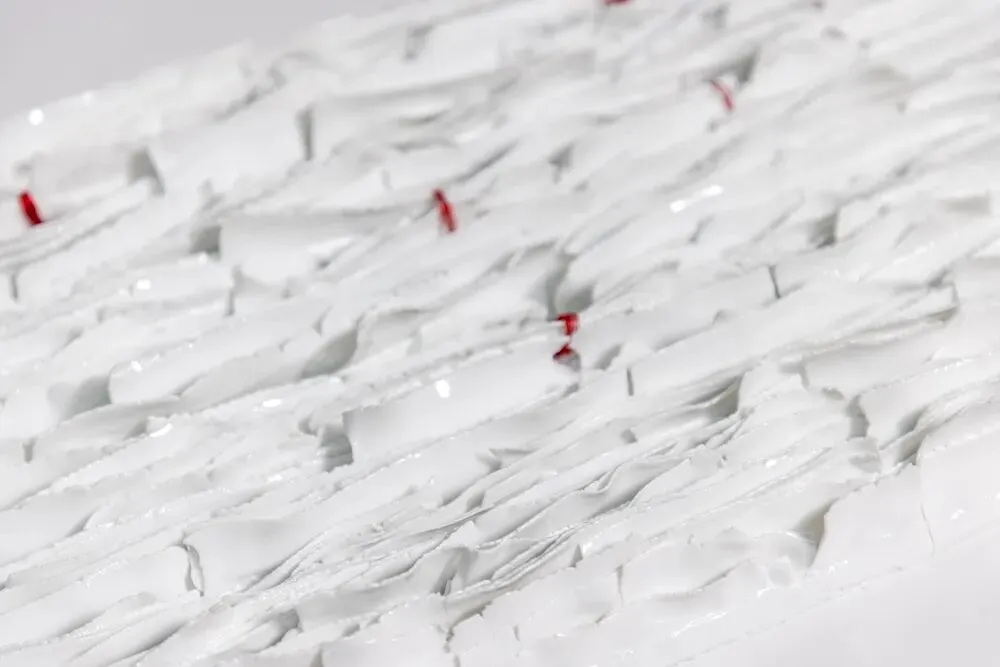
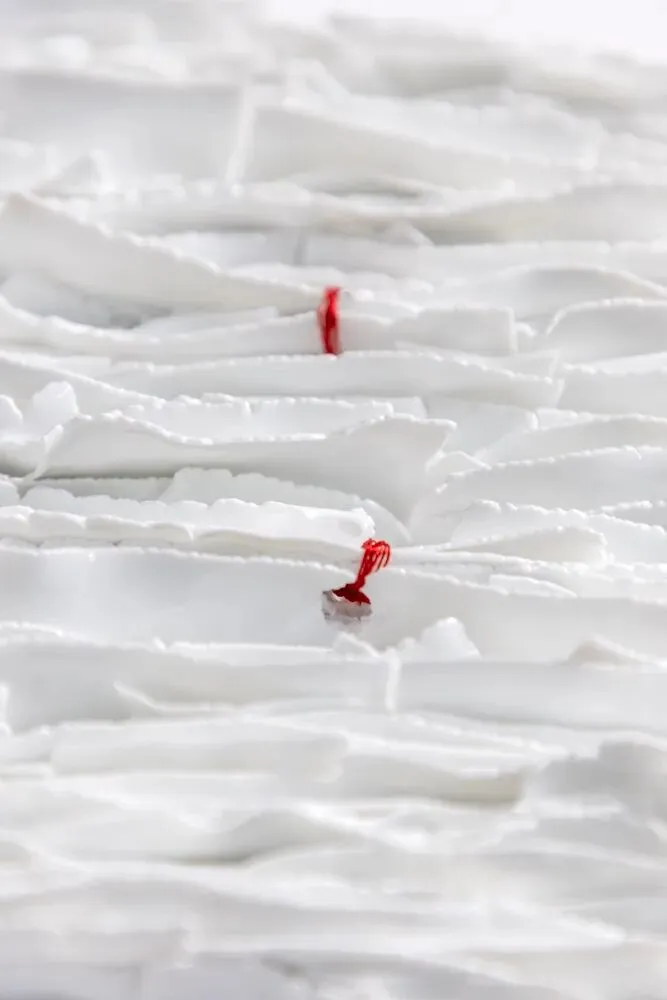
本次展览的核心命题“我爱”,恰恰打破了这层观看的距离。这个看似直白甚至带着几分羞涩的词汇,在孙宇的诠释下被赋予了极为广阔的内涵。它并非狭义的情爱独白,而是一种指向万物的、觉醒的“爱的能力”。这一转向最集中地体现在互动装置《我爱你》中。纯白素瓷为底,红线组合成盲文“我爱你”的形态。盲文是一种为触摸而生的文字,在此形成了一种绝妙的隐喻。爱是需要被感知、被触摸的。更关键的是,艺术家预留了四处空白点位。展览期间,每一位观众都可以对着录音设备,随心录下一句专属的“我爱”,再亲手系上红绳。直到展览落幕,由众人心声汇聚而成的完整盲文作品才正式成型。从“观看”到“参与”,从“众”的抽象哲学到“我爱”的具体行动,孙宇完成了创作主体性的重要转向。她不再是那个站在远处言说“众生”的观察者,而变成一个搭建场域、收集爱意、倾听回音的共情者。艺术从此不再是单向的陈述,而成为一场由艺术家与观众共同完成的情感实践。这恰恰是本次展览所呈现的第一个深层逻辑,即艺术从思辨走向共生,从对群体关系的哲理探讨走向对个体情感的真实接纳。

如果说《我爱你》是在呼唤爱的流动与汇聚,那么另一件全新的互动装置《心痕底片》,则转向了爱的另一面,那些未被言说的伤痛。这件作品的灵感直接来源于艺术家本人的尾椎骨受伤经历。医学上,身体的伤痕可以被CT清晰地捕捉,而内心的创痛却往往无形无影,被忽视、被深埋。孙宇选择以陶制尾椎骨为载体,将个人的身体记忆转化为一个可供集体书写的容器。观众可以认领一件陶坯,用清水或釉下彩,写下那些不愿为人知的伤痛与心事。这些承载着秘密的素坯,将在展览结束后由艺术家烧制完成,并在未来的展览中集体呈现。 

在这里,陶瓷的脆弱性被赋予了深刻的叙事伦理。素坯在烧制前极易变形,如同那些尚未被正视的精神伤痕,柔软、易逝、容易被抹去。然而,经过窑火的高温,湿软的泥土变成坚硬的陶瓷,脆弱的秘密被固化为恒久的记忆。这一烧制的动作本身,便是一场充满仪式感的疗愈。私密的伤痕被转化为公开的、被尊重的艺术文本,个体的脆弱在群体的共鸣中得以被温柔安放。孙宇并不试图强行疗愈,也不消费苦难。她只是提供了一种“显像”的可能性,让那些无法被CT拍到的精神痕迹获得一个可见、可触、可被尊重的载体。这种“以脆弱承载脆弱”的策略,构成了本次展览的第二个重要逻辑。伤痕并非需要掩盖的羞耻,而是生命的一部分,值得被看见、被言说、被安放。通过陶瓷与玻璃这两种既坚韧又易碎的材料,孙宇让精神的“伤痕”第一次获得了与身体伤痕同等的显像权利。 

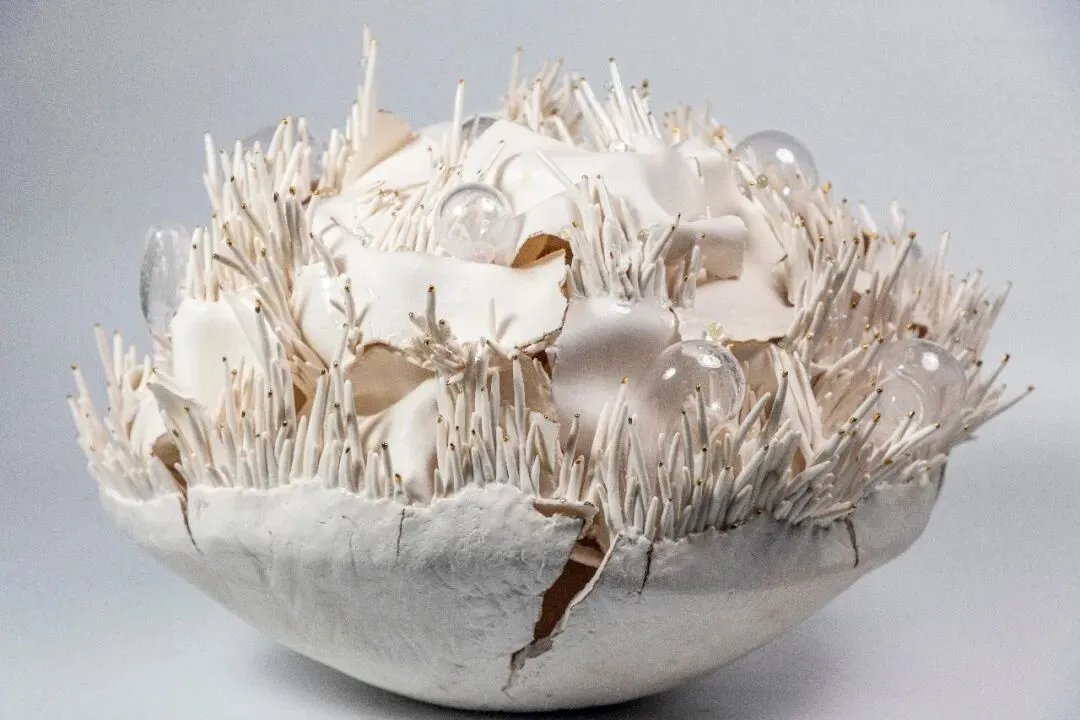
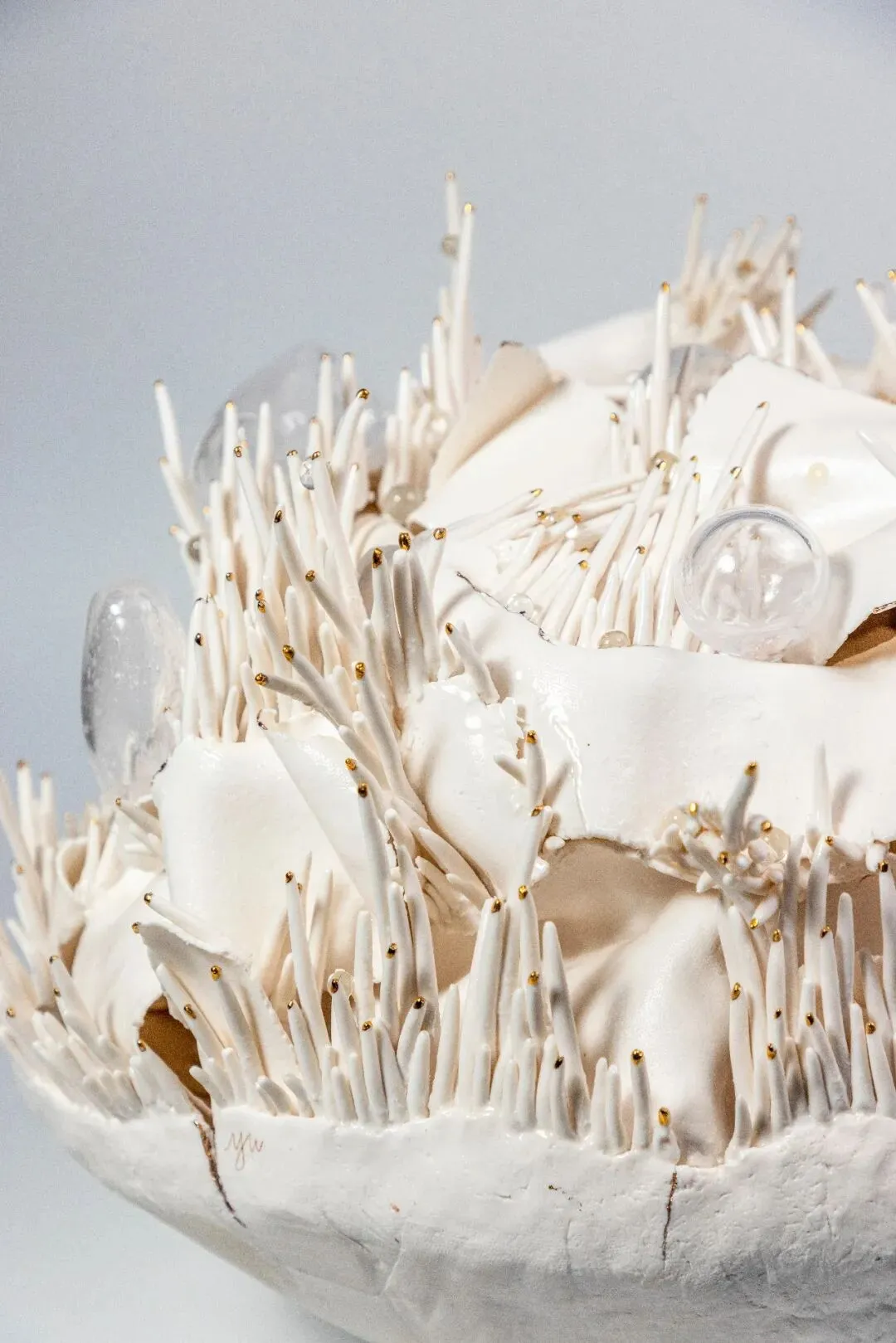
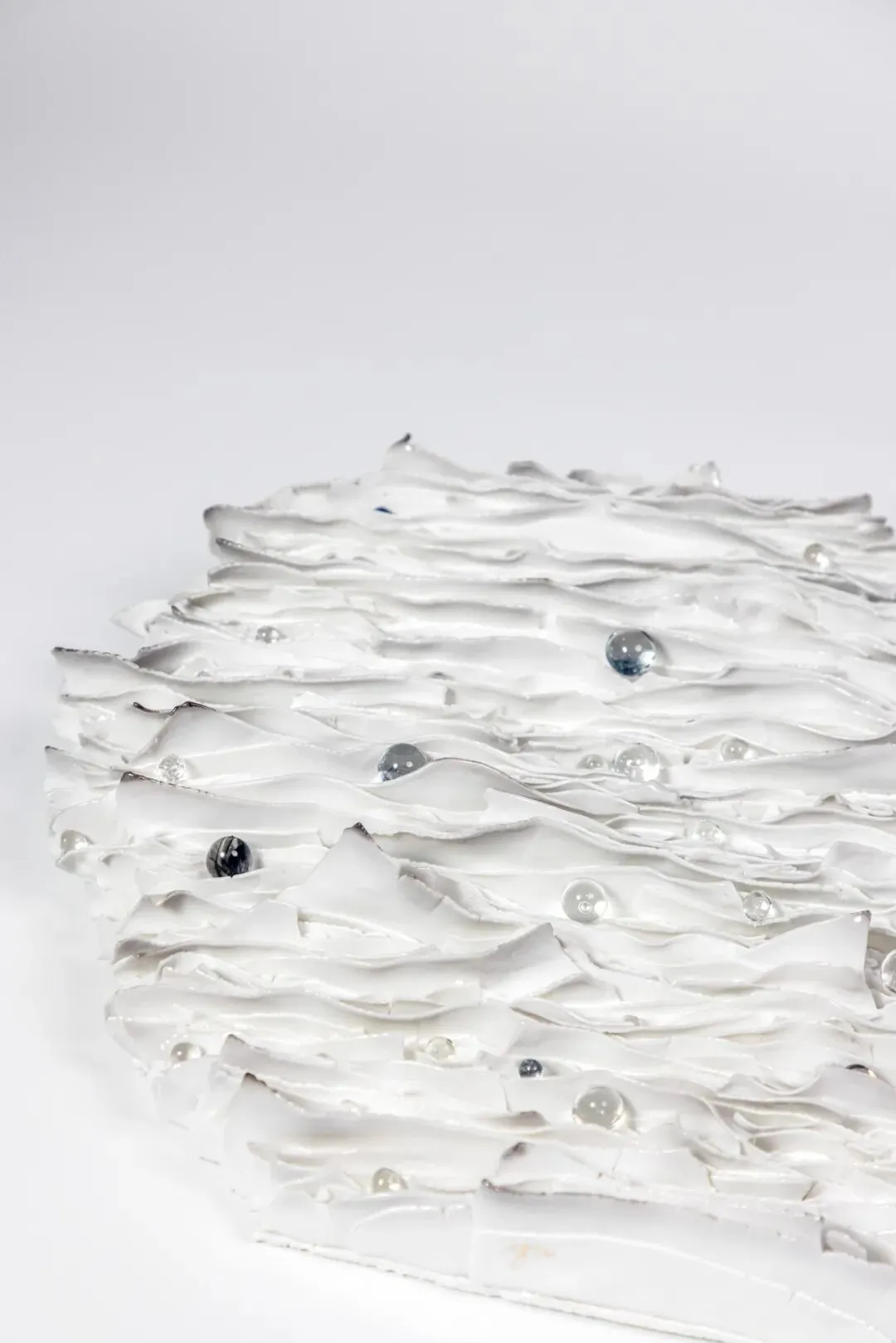
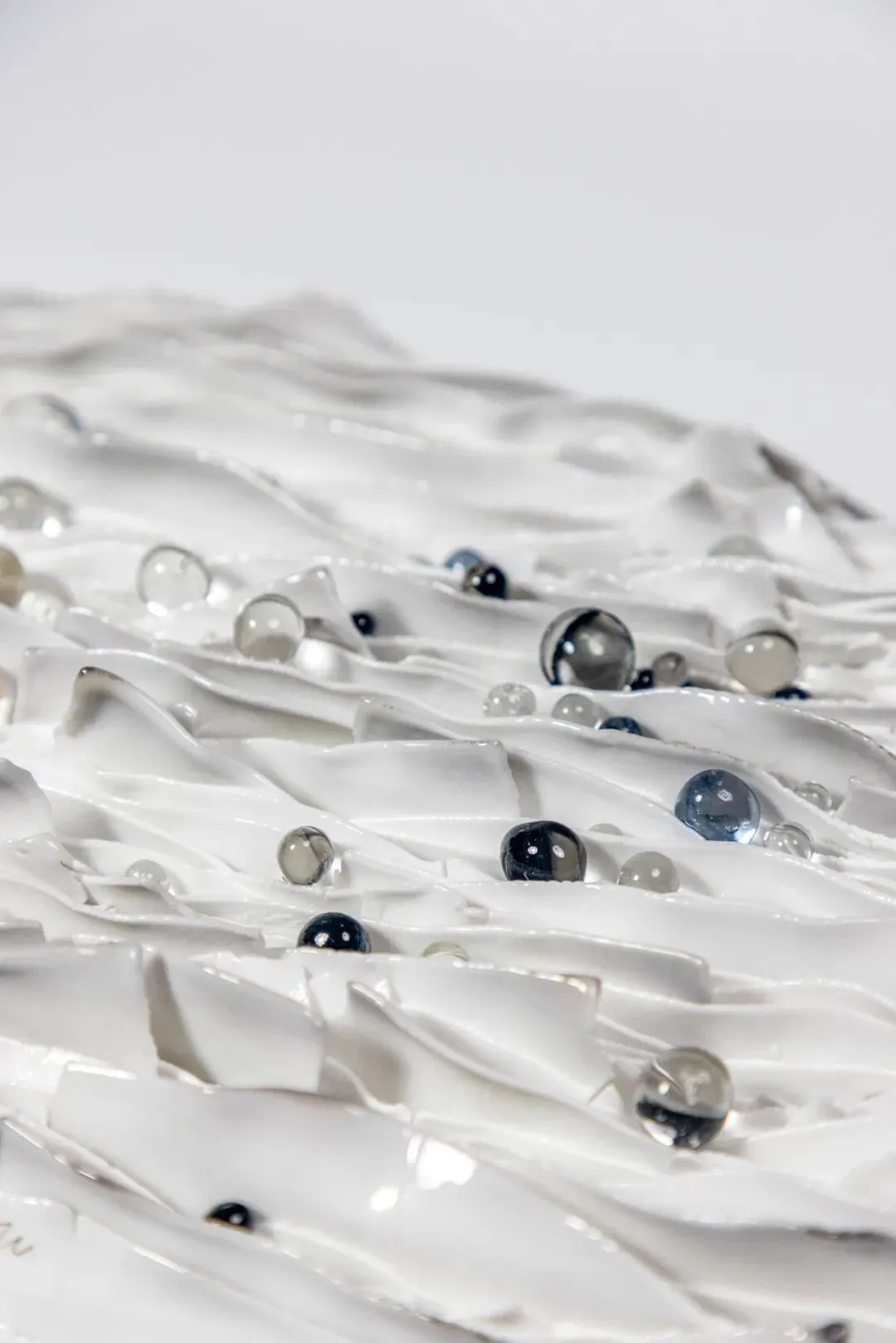
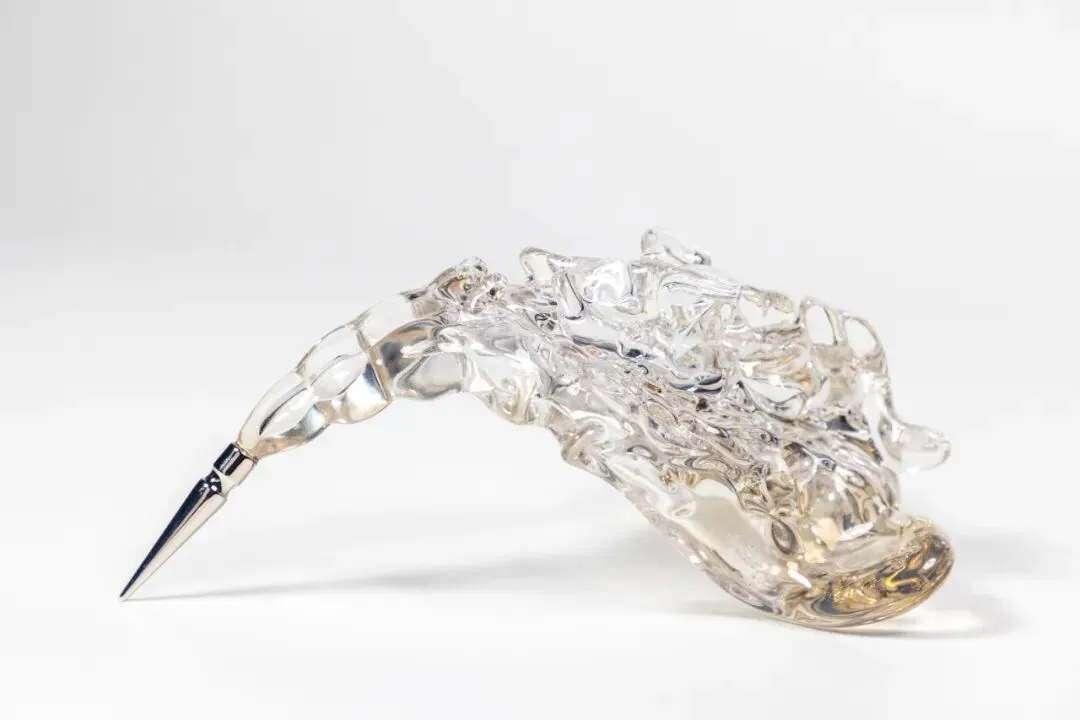
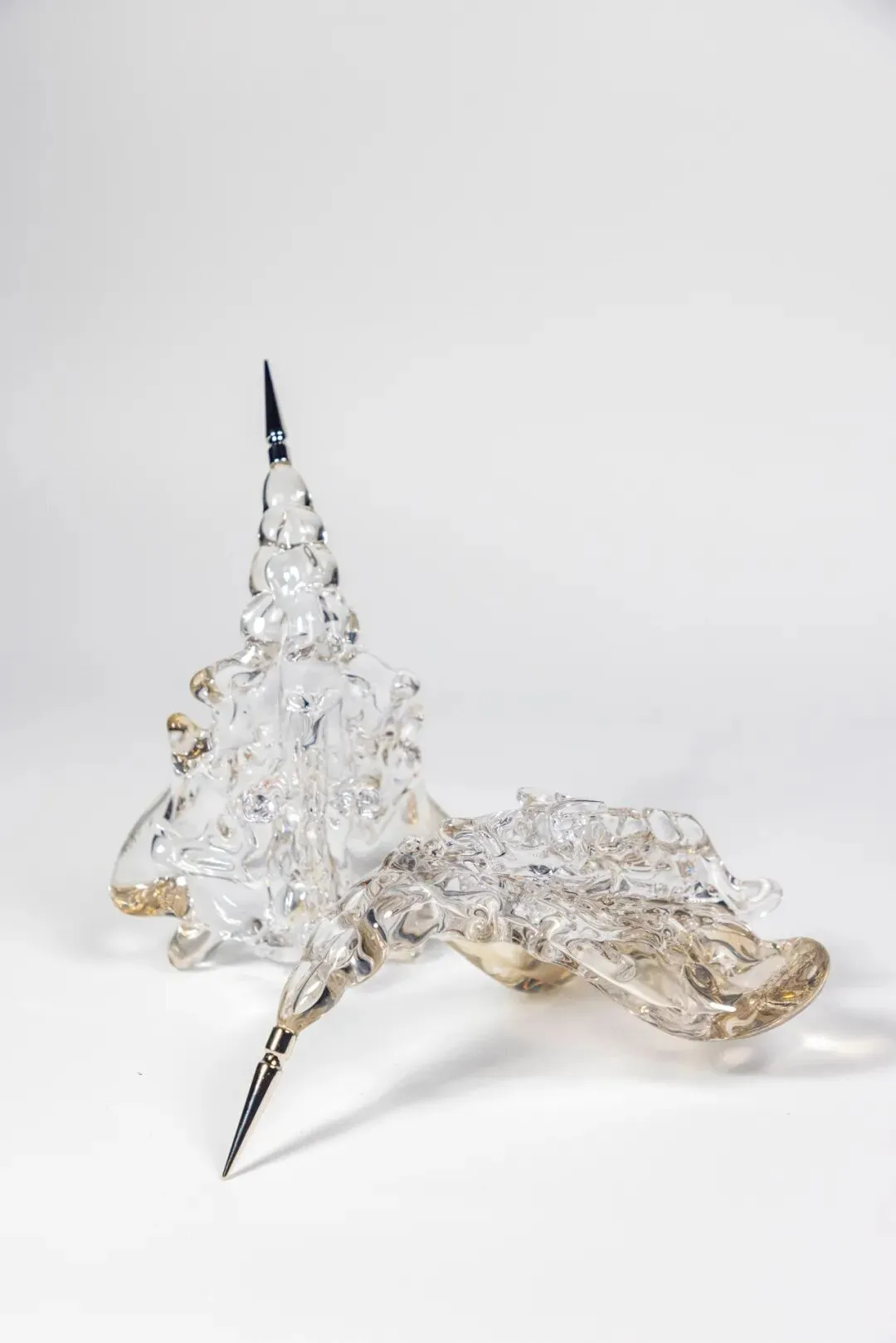
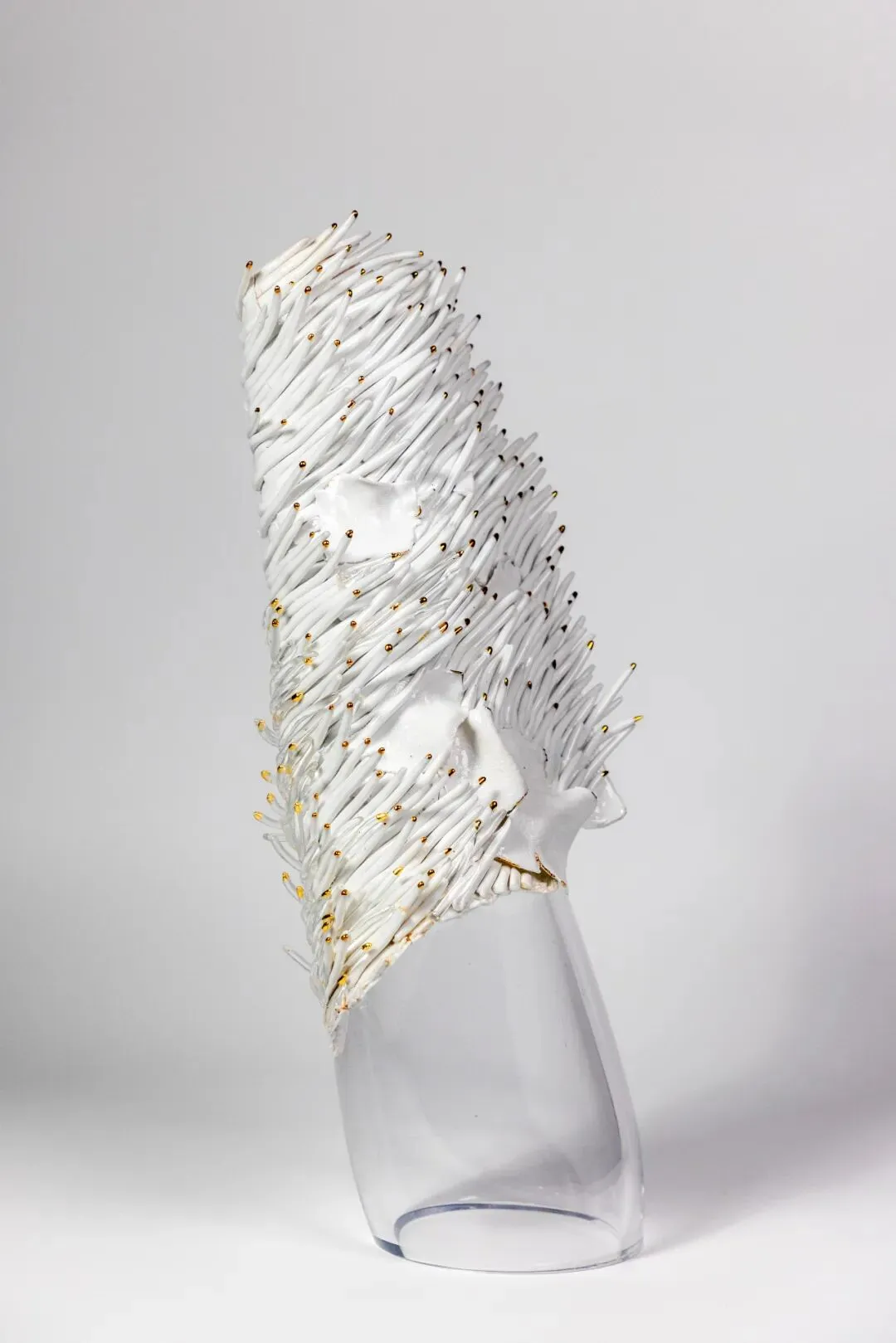
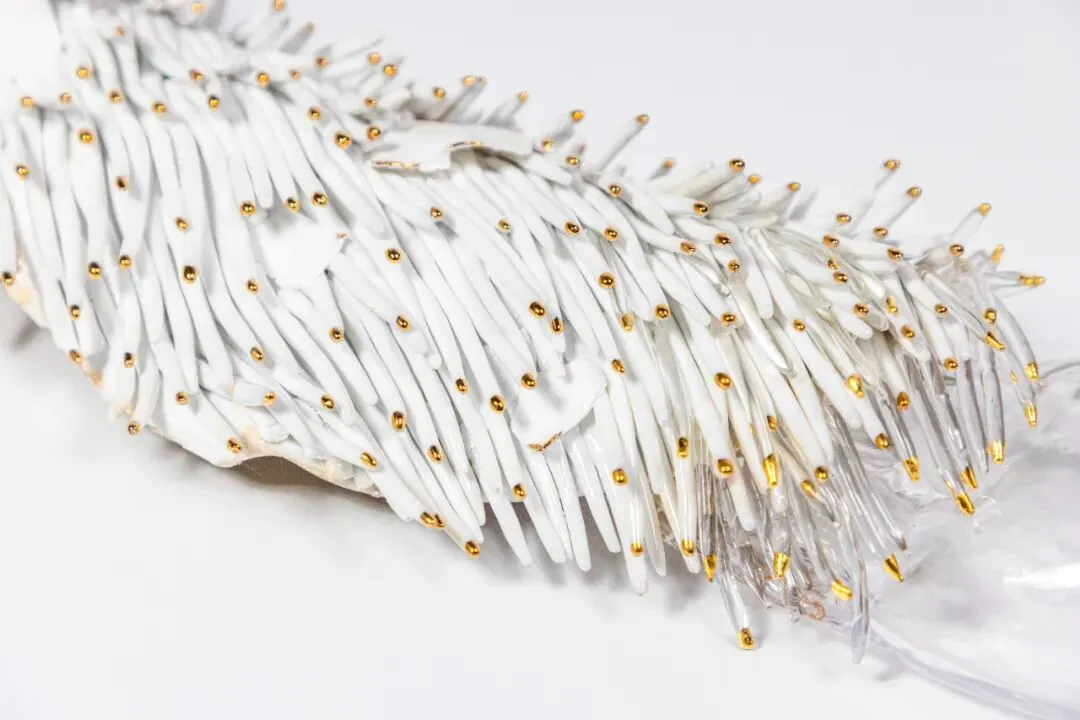
当然,我们同样不能忽视展览中那些延续了她一贯风格的代表作品。从《众NO.2》中光影投射、虚实交叠的“圆融”表达,到《同尘》系列里玻璃的流光与陶瓷的拙朴所构成的“和光同尘”之境,再到《息海》中以尖刺与气泡的动静交织呼应庄子“虚而待物”的逍遥哲思。这些作品共同构成了孙宇艺术世界的坚实基底。它们与两件互动新作并非割裂的两种创作方向,而是同一精神脉络的不同展开。如果说早期的“众”系列是在用东方哲学回答“个体与群体如何共在”,那么今天的“我爱”则是在用行动回答“我如何与世界建立联结”。前者是思辨,后者是实践。前者是提问,后者是回应。 

走进这场展览,我们看到的不仅是一位陶艺家的作品回顾,更是一次关于爱与伤痕的集体艺术实践。在这里,泥土不再沉默,火焰不再无情。每一件作品都在低语,那些被忽略的情绪、未被言说的爱意,以及深藏心底的伤痛,都值得被看见、被聆听、被安放。而这,或许正是孙宇从“众”走向“我爱”的真正意义。艺术的力量不在于给出答案,而在于创造一个空间,让每一个“我”都可以说出“我爱”,也可以放下“我痛”。

郅敏 
中国艺术研究院雕塑院院长 
中国美术家协会陶瓷艺委会秘书长

Foreword
In the Name of "I Love"
The art I understand is primarily about "love"—a "great love" and "universal love" encompassing nature, history, humanity, and personal insight. When naming a solo exhibition "I Love," these two words cease to be merely a private emotional confession. Sun Yu's ceramic creations have for years been rooted in the contemplative soil of Eastern philosophy—the Daoist "three give birth to all things," the Buddhist "harmonious integration," and Zhuangzi's "equality of all things"—all of which she translates into the language of clay and fire. Those repetitive coils of clay, dense cylinders, and vessels of interwoven light and shadow repeatedly pose the same question: How do individuals and communities coexist? How can barriers and interdependence be reconciled? Yet, stepping into this exhibition titled "I Love," we discover a subtle yet significant shift. The artist is no longer content with discoursing on "all beings" from on high, but begins to bend down and listen to each specific "I." At the same time, the "wounds" once hidden behind forms are granted, for the first time, the possibility of being seen and given a place. 
Reviewing Sun Yu's creative trajectory in recent years—from Multitude No. 2, where the confrontation of circle and square elucidates the dialectic of "harmony" and "rules," to The Myriad No. 4, where countless extended clay coils signify "countless lives," to Life No. 1, where "the heart softly stretches, stretching toward the light"—her work has consistently revealed a cool philosophical temperament. The hardness and warmth of ceramics, fired through reduction at 1,280°C, perfectly carry her understanding of the "Way." What governs "three giving birth to all things" is the "One"—the continuous repetitive output of the One's energy, the primal source of all motion. At that stage, the artist was more of a contemplative, arranging visual tableaux of order, barriers, interdependence, and watchfulness in space through matter. The viewer was invited to observe and reflect, but not yet to participate.
The core proposition of this exhibition—"I Love"—precisely breaks this distance of looking. This seemingly straightforward, even somewhat shy phrase, under Sun Yu's interpretation, is endowed with an extraordinarily broad connotation. It is not a narrow confession of romantic love, but a awakened "capacity to love" that points toward all things. This shift is most concentratedly embodied in the interactive installation I Love You. On a base of pure white porcelain, red threads form the Braille characters for "I love you." Braille is a script born for touch, creating here a brilliant metaphor: love must be perceived, must be touched. Even more crucially, the artist has reserved four blank spaces. Throughout the exhibition, each visitor may record a personal "I love..." into a recording device at will, and then personally tie a red thread. Only when the exhibition concludes does the complete Braille work, assembled from the collective voices of the audience, formally take shape. From "viewing" to "participating," from the abstract philosophy of "the multitude" to the concrete action of "I love," Sun Yu has accomplished a significant shift in creative subjectivity. She is no longer the distant observer discoursing on "all beings," but has become an empath who builds spaces, gathers love, and listens to echoes. Art is no longer a unidirectional statement, but an emotional practice co-completed by artist and audience. This precisely constitutes the first deep logic presented by this exhibition: art moves from contemplation to symbiosis, from philosophical inquiry into collective relationships to genuine acceptance of individual emotions. 
If I Love You calls for the flow and convergence of love, then another new interactive installation, Heart Scar Visualization, turns toward love's other face—the unspoken wounds. This work is directly inspired by the artist's own experience of a coccyx injury. Medically, bodily scars can be clearly captured by CT scans, yet inner wounds are often invisible, neglected, and buried deep. Sun Yu chooses ceramic coccyx forms as vessels, transforming personal bodily memory into a container for collective inscription. Visitors may claim a ceramic blank and, using clear water or underglaze colors, write down wounds and private matters they are unwilling to reveal. These secrets-bearing blanks will be fired by the artist after the exhibition ends and collectively presented in future exhibitions.
Here, the fragility of ceramics is endowed with a profound narrative ethic. The unfired blanks are extremely prone to deformation, much like those unacknowledged psychic wounds—soft, ephemeral, easily erased. Yet after the kiln's high heat, the damp soft clay becomes hard ceramic, and fragile secrets are solidified into lasting memory. The act of firing itself becomes a ritual of healing. Private wounds are transformed into public, respected artistic texts, and individual fragility is gently held within collective resonance. Sun Yu does not attempt to forcefully heal, nor does she commodify suffering. She merely offers a possibility of "visualization"—granting those psychic traces invisible to CT scans a visible, tangible, and respectable carrier. This strategy of "bearing fragility with fragility" constitutes the exhibition's second important logic: wounds are not shameful things to be concealed, but part of life, worthy of being seen, spoken, and laid to rest. Through ceramics and glass—both resilient and fragile—Sun Yu grants spiritual "wounds" the same right to visualization as bodily scars. 
Of course, we must not overlook the representative works in the exhibition that continue her consistent style. From the interplay of light and shadow, of void and solid, in Multitude No. 2's expression of "harmony," to the realm of "harmonizing light with dust" formed by the fluid radiance of glass and the rustic simplicity of ceramics in the Dust Together series, to the dynamic interplay of spikes and bubbles in Breathing Sea echoing Zhuangzi's carefree philosophy of "emptying oneself to receive all things"—these works together form the solid foundation of Sun Yu's artistic world. They are not separate from the two new interactive pieces, but different unfoldings along the same spiritual vein. If the early "Multitude" series used Eastern philosophy to answer "how individuals and groups coexist," then today's "I Love" uses action to answer "how I establish connection with the world." The former is contemplation; the latter, practice. The former poses questions; the latter offers responses. 
Stepping into this exhibition, what we see is not merely a ceramicist's retrospective, but a collective artistic practice concerning love and wounds. Here, clay is no longer silent, and fire is no longer merciless. Every work whispers: those neglected emotions, unspoken loves, and wounds buried deep in the heart all deserve to be seen, heard, and given a place. And this, perhaps, is the true significance of Sun Yu's journey from "Multitude" to "I Love." The power of art lies not in providing answers, but in creating a space where every "I" can say "I love" and can also lay down "I hurt."

Zhi Min 

Dean, Sculpture Institute, Chinese Academy of Arts

Secretary‑General, Ceramic Art Committee, China Artists Association


艺术家介绍

Artist Introduction

(↑)向上滑动 查看更多

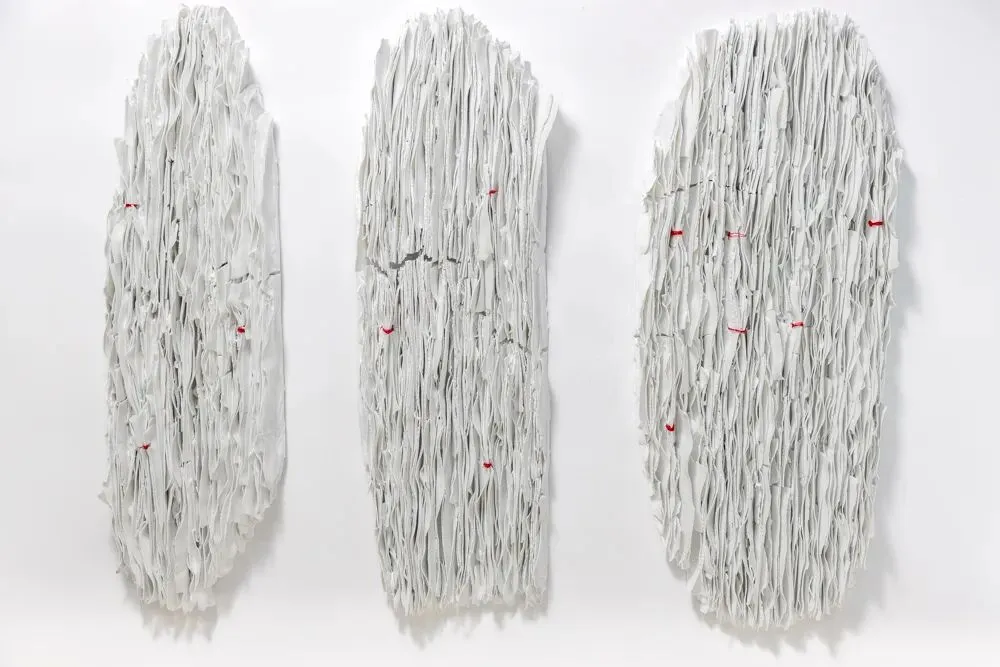
《我爱你》,陶瓷、棉绳,2026.

《息海·共生》,雕塑2024.

《无有乡》,雕塑2025.

》,雕塑2025.

虚羽》,雕塑2025.

策划:林   溪
编辑:周逸轩
排版:叶辉阳
更多作品收藏咨询
欢迎@陈雅男
欢迎更多艺术家加入我们
@周逸轩


三宝蓬美术馆当前展览

1、2号展厅即将展出

《“我·爱x三宝蓬”》—孙宇个展

3号展厅正在展出

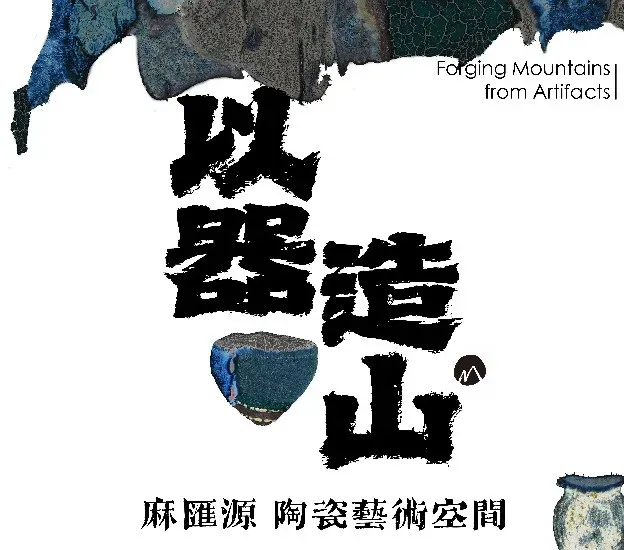
《以器造山—麻汇源陶瓷艺术空间


(↑)向上滑动 查看更多

相关内容 查看全部