
Susie:
您创作《The Plant I Made》这个系列的时间跨度?
叶智港:
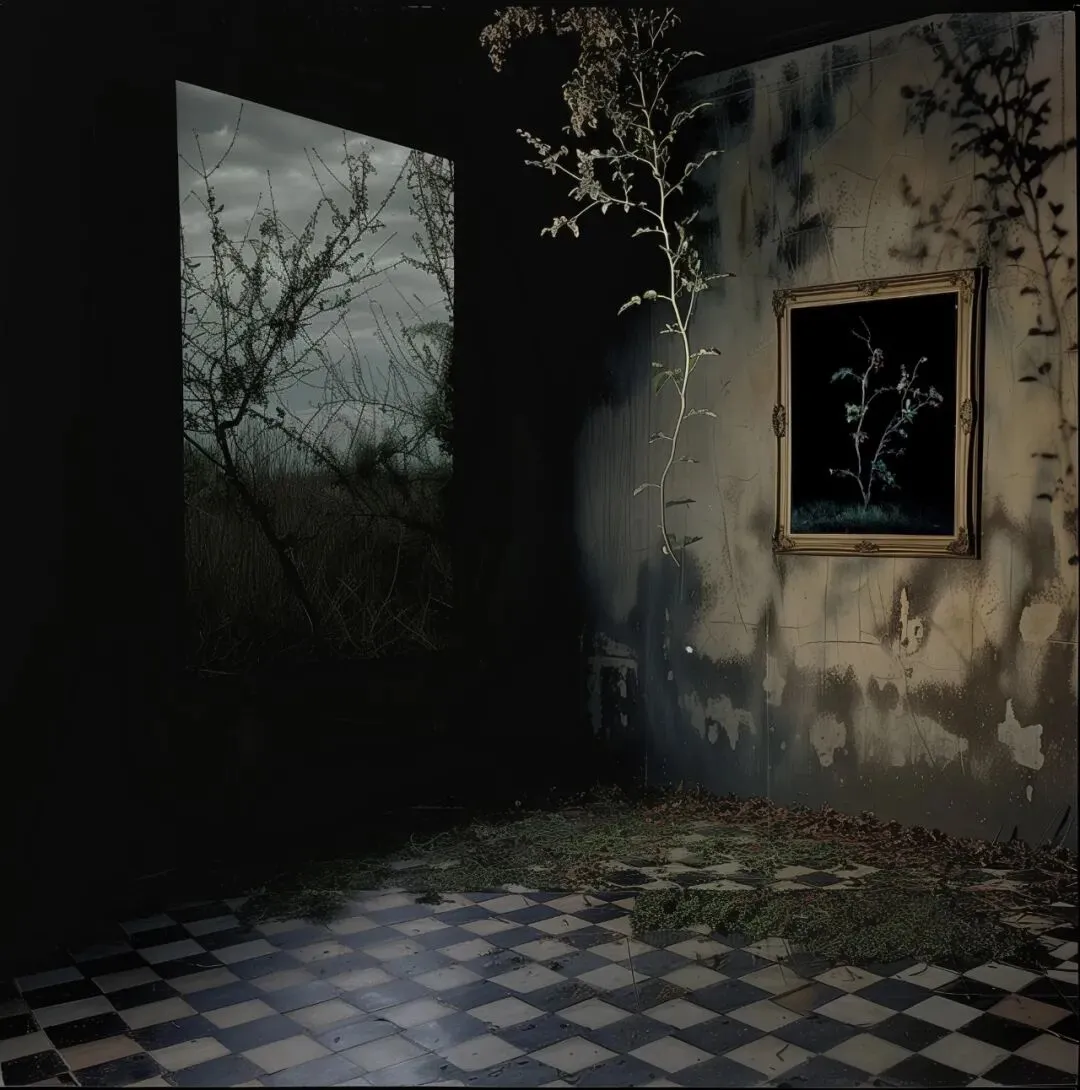
这个作品在21年底到22年初,大概三四个月的时间。当时在读MA的第二年,做了一些调研、设计和小实验后就去各地拍了。
Susie :
How long did it take you to create the The Plant I Made series?
Zhigang Ye :
This project took place from the end of 2021 to the beginning of 2022, over a period of about three or four months. At the time, I was in my second year of my MA program. After conducting some research, design, and small experiments, I went to various places to take photos.
Susie:
这个系列里拼接的植物是您从哪些地方收集的?
叶智港:
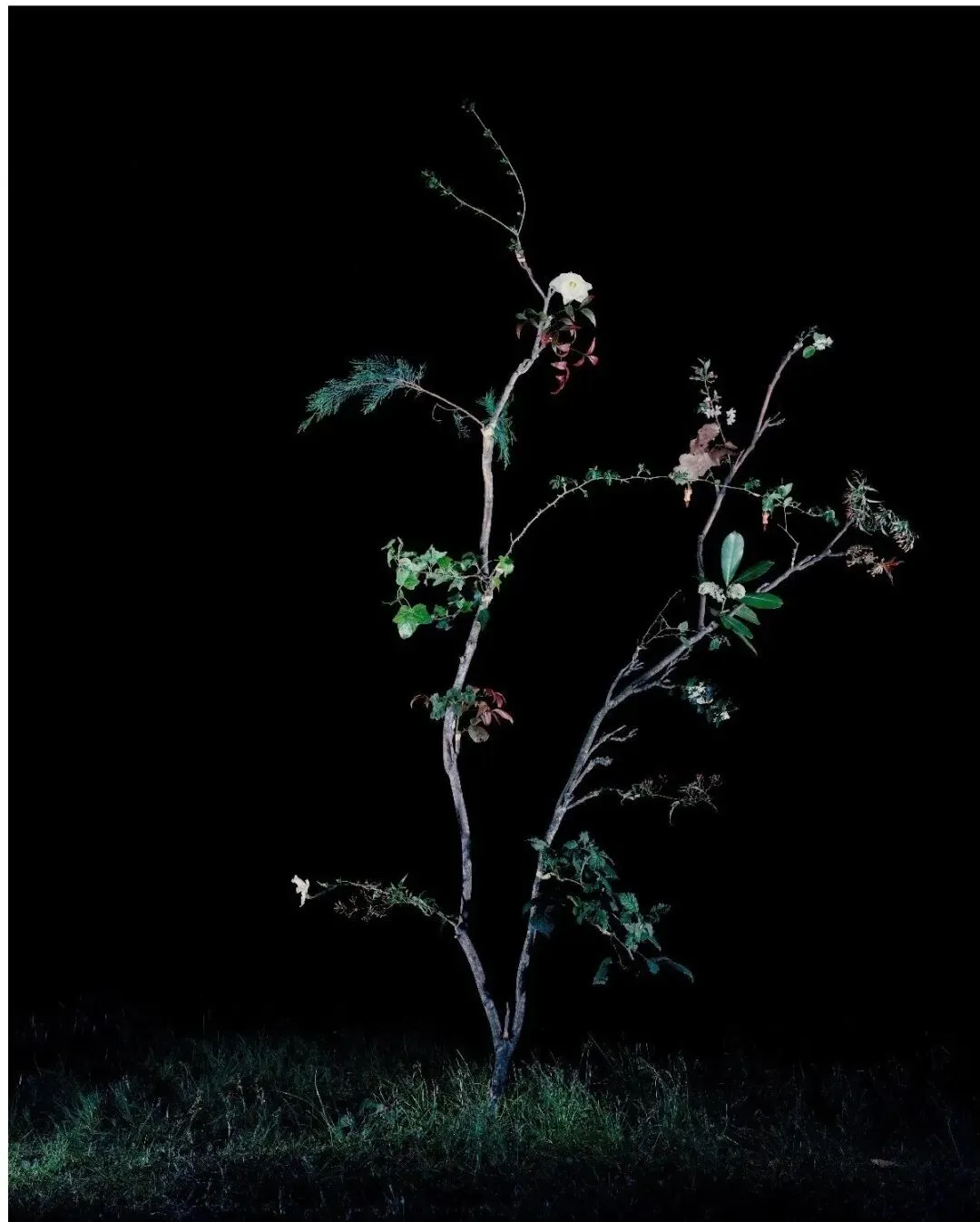
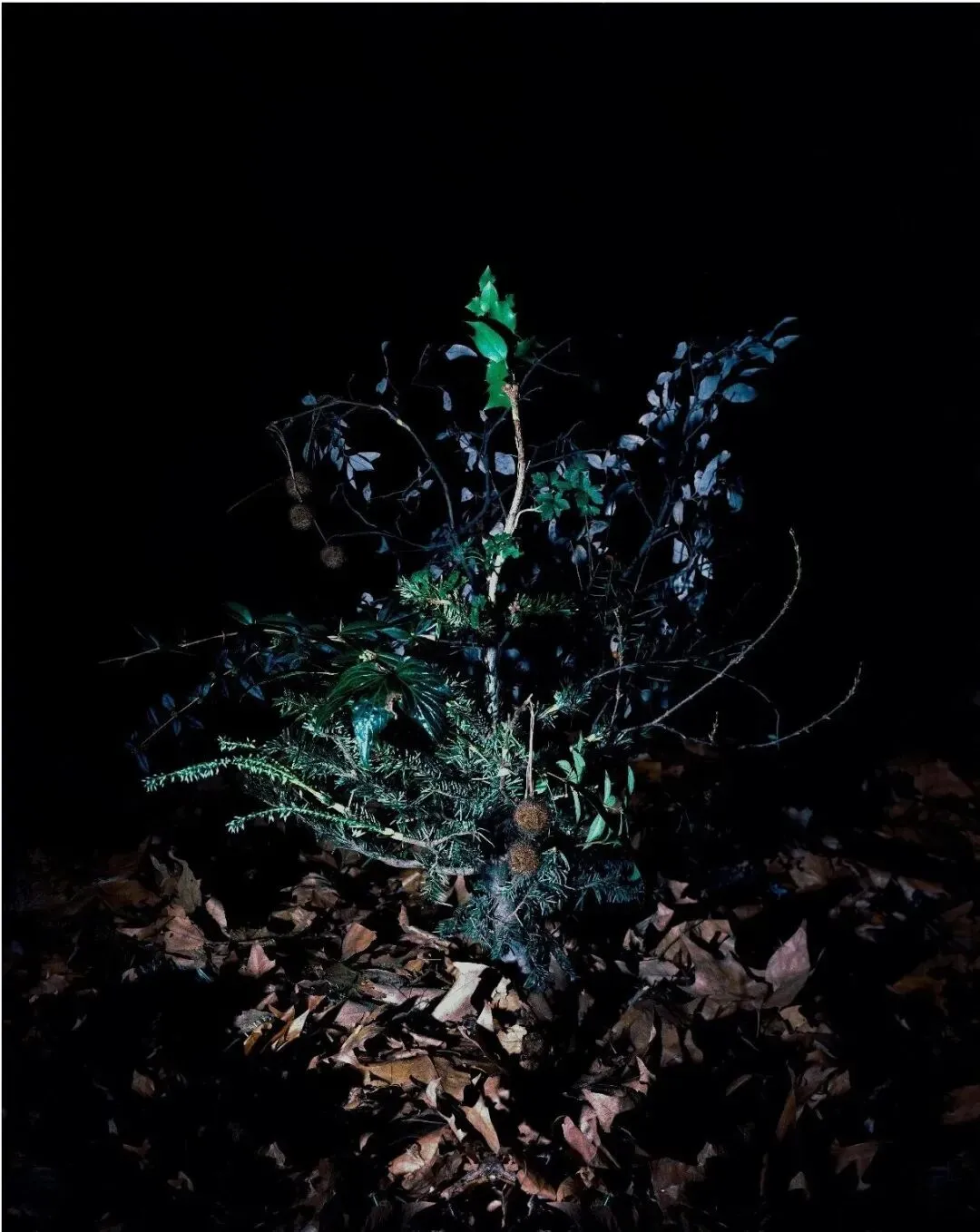
拍摄地点的话有伦敦的巴特西公园、我家附近的街区、威尔士的holyhead附近。项目的每一张拍摄的时候,基本上我会在周遭收集植物碎片,所有植物的种类也因地制宜。然后快速的拼起来并拍摄,因为这些剪下来的植物在户外萎靡的速度还挺快的。
Susie :
From which places did you collect the plants used in this series?
Zhigang Ye :
The shooting locations included Battersea Park in London, the neighborhood near my home, and Holyhead in Wales. For each shot in the project, I would basically collect plant fragments from the surrounding area, using all kinds of plants as appropriate for the location. Then I would quickly assemble them and shoot, because these cut plants wilt quite quickly outdoors.
Susie:
为什么想要以植物为主题创造这个系列呢?概念上比较看重植物本身,还是拼接的过程?
叶智港:
我在拍完这个项目后有将目光转向非植物,我有思考过植物的拼接、塑料模型、3D打印、纸张等各种意义上的不同媒介对我来说意味着什么,有何区别。这一定程度上延续成我如今的研究包括关于虚构、想象与现实的预支(或重构)。回到当时则单纯的直觉性的选择了植物,某种意义上植物本身就由于我们不同的时间性,我们是活在两种时间尺度上的生物,而在植物的周而复始中我所感受到的倦怠则或许是时间这一庞大外力作用于不同介质的某种共性。人类对植物的加工:园艺、花艺、城市植被,某种程度也都是在倾诉对自身塑造的一种困难,这其中有一种破坏欲,我将无法毁灭(或绽放、死亡)的自身投射到(无痛觉)的植物身上,这种对植物的残忍和暴力也是诉诸自身的,或许是某种死驱力。
Zhigang Ye :
After completing this project, I turned my attention to non-plant subjects, reflecting on the significance and distinctions of various media—such as plant assemblages, plastic models, 3D printing, and paper—in my practice. To some extent, this evolved into my current research, which explores fiction, imagination, and the anticipation (or reconstruction) of reality. At the time, however, my choice of plants was driven by pure intuition; in a sense, plants exist within a temporality distinct from our own—we are beings inhabiting different time scales. The sense of weariness I perceived amidst the cyclical nature of plant life may well reflect a shared quality of how time—that immense external force—acts upon different mediums. Human interventions involving plants—gardening, floral arrangement, urban landscaping—often betray the difficulty we face in shaping our own selves. There is an element of destructive impulse at play here: I project the self—which I cannot truly destroy (or cause to bloom or die)—onto plants, which lack the capacity for pain. This cruelty and violence inflicted upon plants is ultimately directed at the self; it is, perhaps, a manifestation of the death drive.
叶智港:
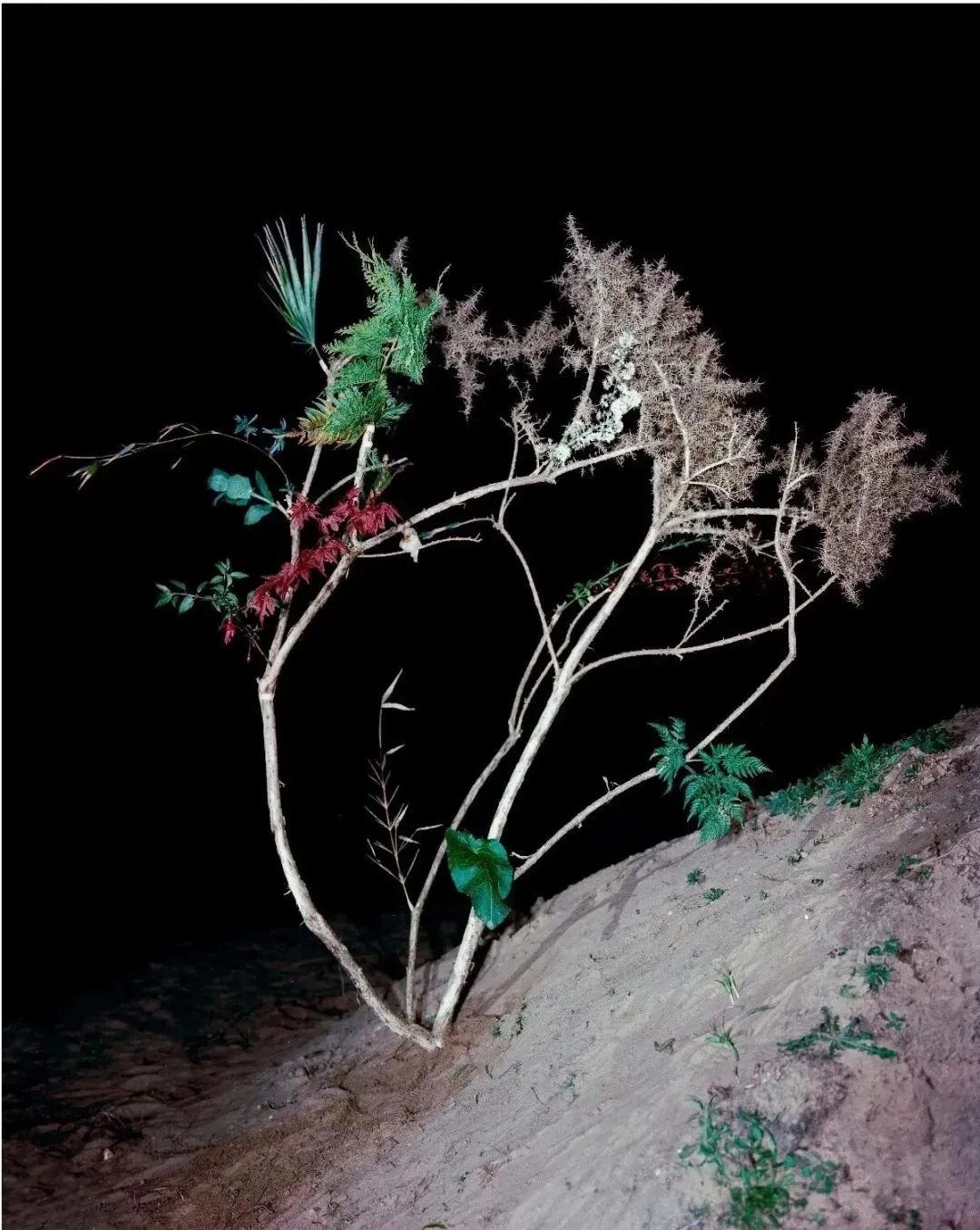
这倒是没有,纯喜欢。有个拍植物的德国摄影师叫卡尔我非常喜欢。收集的时候就是挑喜欢好看的,不过拼接的时候想着让他诡异又自然,有种在学绘画与雕塑的感觉。
Susie :
Do you usually study plants? Do you deliberately select specific plant species when collecting leaves and branches?
Zhigang Ye :
Not really, it's just a matter of personal preference. There's a German photographer named Karl Blossfeldt who photographs plants that I really admire. When I'm collecting, I just pick the ones I like and find pretty, but when I'm assembling them, I try to make them look both creepy and natural, like I'm learning painting and sculpture.
Susie:
3株植物的拍摄地点是一样的吗?
叶智港:
不一样。
Susie :
Were the three plants photographed at the same location?
Zhigang Ye :
No, they are not the same.
Susie:
您觉得普通摄影和摄影艺术有什么不同?
叶智港:
我觉得“普通摄影”和“摄影艺术”这两个词的定义是不严谨的,但是当然通俗意义上我们会去区分这些,而我认为最好的区分方式是如罗兰•巴特在恋人絮语中所提出的以“情境”去描述。在一些摄影艺术的基础书籍中往往会从摄影史的角度去梳理这一图像制作技术如何被用于各个历史时期和不同主题,而我们有更多的名词去具像化那些可能的“艺术摄影”如新地形、后摄影、私摄影、置景摄影,也包含相当传统的静物照、人像照、街头快照。
摄影作为艺术的边界在如今也不断地拓宽和被重新审视,在思考“普通摄影”与其有什么不同这个问题时唯一需要严肃考虑的是,什么是“普通”摄影,是什么构成了我们每个人对摄影的常识和认知。我非常推荐去看Victor Burgin的一本书《Thinking Photography》, 当他早年在伦敦授课时,他总是跟摄影学生们强调,在早期摄影相机是为了调试电影底片而生产的。所以如果说他们本质上有什么不同,不是照片任何的客观因素有什么绝对的区分,而是或许从惯性的意识形态中跳脱出来重新思考的过程,让照片或摄影变得不“普通”,而这一过程往往需要受到我们所谓的摄影艺术的教育,需要理论知识和实例经验的累积。
Susie :
What do you think are the differences between regular photography and art photography?
Zhigang Ye:
I think the definitions of 'regular photography' and 'art photography' are imprecise, but we do generally distinguish between them. I believe the best way to differentiate them is through 'context,' as Roland Barthes suggests in Fragments d’un discours amoureux. Some basic books on art photography often trace how this image-making technique has been used in various historical periods and themes from a historical perspective. We have many more terms to concretize possible 'art photography,' such as New Topographics, Post-Photography, Boudoir Photography, and Tableau Photography, as well as more traditional still life, portrait, and street photography.
The boundaries of photography as an art form are constantly expanding and being re-examined. When considering the difference between regular photography and other forms of photography, the only serious question to ask is: what is regular photography, and what constitutes our common sense and understanding of photography? I highly recommend reading Victor Burgin's book, Thinking Photography. When he taught in London in his early years, he always emphasized to his photography students that early cameras were produced to adjust film negatives. So if there is any essential difference between them, it is not that there is any absolute distinction in any objective factors of the photos, but rather that it is the process of breaking free from habitual ideologies and rethinking, which makes the photos or photography 'unusual'. This process often requires what we call the education of Art Photography, and the accumulation of theoretical knowledge and practical experience.
Susie:
可以简单介绍一下您的其他系列的作品吗?
叶智港:
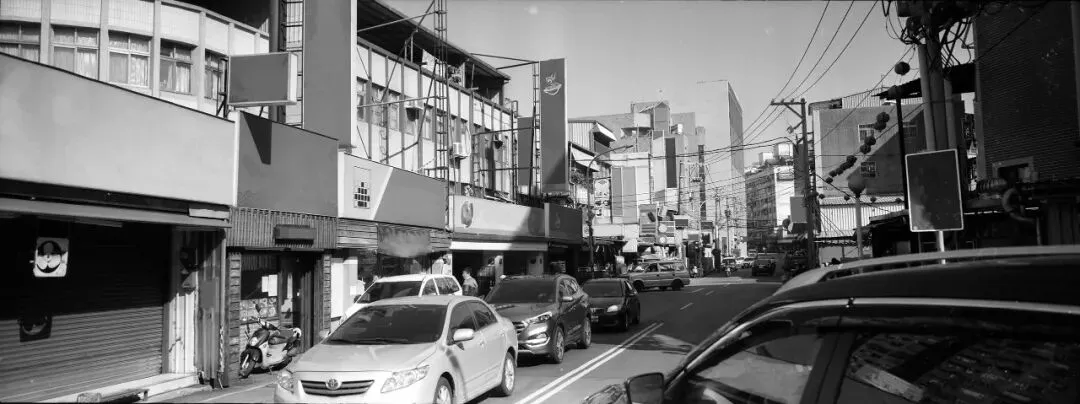
我想到非常早年做的一个作品很有意思叫Textless,我在台湾拍了一些街拍,然后你知道那边有非常多的招牌,看着挺烦的。然后我用photoshop把上面的字和商标都p掉了,整个街道看着干净也有点怪,留下许多空白的招牌。我觉得这个作品和 The Plant I Made 一样做完都有一种舒爽的感觉,其实我一直也不是很感冒Sinofuturism或过于在地的数字、赛博美学,做作品倒不是说要反什么,在做的过程中感觉更清楚的知道自己不喜欢什么,或许也就离自己想要的东西更进一步。
Susie:
Could you briefly introduce your other series of works?
Susie:
目前博士在读研究的方向?
叶智港:
博士是关于思辨虚构、自民族志、摄影和AI的图像理论和实践。直白来讲我想拍和做一些平行未来的虚构图像,以档案化、图像方法的方式并列,围绕一种图像的富余性和被给予性。
Susie :
Your current doctoral research direction?
叶智港 Zhigang Ye
目前就读于英国皇家艺术学院艺术与人文学院博士项目。本科毕业于国立台北艺术大学,获艺术学士学位,研究生毕业于英国皇家艺术学院,获摄影硕士学位。其以实践为导向的研究围绕思辨虚构、档案、当代摄影、当代图像中的故障与诗意,以及个体存在的视觉化与叙事结构,同时涉及机器视觉、生成式图像与技术图像等当代视觉文化议题。
Zhigang Ye is an artist and researcher currently working and living in London and Hangzhou. He is currently enrolled in a PhD program at the School of Arts and Humanities, Royal College of Art. He holds a Bachelor of Arts degree from Taipei National University of the Arts and a Master's degree in Photography from Royal College of Art.
His practice-oriented research focuses on speculative fiction, archives, contemporary photography, glitches and poetry in contemporary imagery, as well as the visualization and narrative structure of individual existence, while also addressing contemporary visual culture issues such as machine vision, generative imagery, and technical imagery.
关于策展人 Curator Introduction
黄佳宁 Susie Huang
研究生毕业于英国杜伦大学城堡学院,
获文学硕士学位。
Jianing (Susie) Huang graduated from Durham University, University College, UK, with a Master of Arts Degree.
艺术家的 The Plant I Made 系列正在线下展出
The Plant I Made series is currently on display
展览地址
上海黄浦区虎丘路28号洛克大楼3楼
Exhibition Venue
3F, No.28 Huqiu Road, Luoke Building, Huangpu District, Shanghai.
展期
2026.6.17-7.19
Duration
2026.6.17-7.19
The Garden of Eden No.13 features exhibitions, music, film, art, photography, poetry, philosophy, and literary works. Content includes artist, musician, photographer, founder including interviews, literary creation, and stories behind the scenes. To convey the philosophy of creating with heart and curating with heart, I aim to express my personal preferences and create unique, profound content that is worth discussing.
