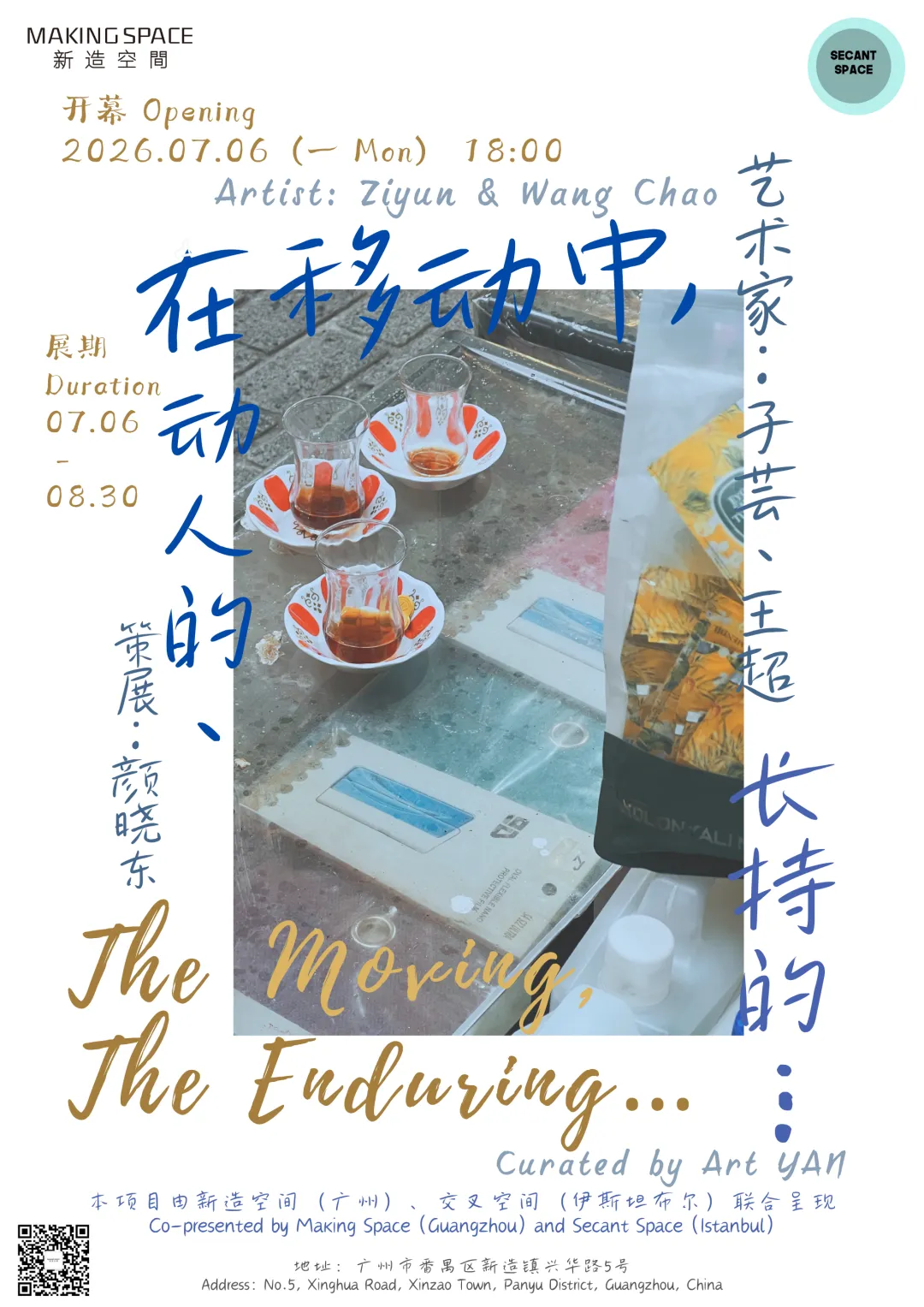
在移动中,动人的、长持的...
艺术家:子芸、王超
策展人:颜晓东
展览时间:2026.07.06 - 08.30
开幕时间:2026.07.06 (周一) 18:00
Please scroll down for English version.
此番展览,由一次海外驻留(artist in residence)的余兴而起,如今,又是向常态实践(artistic practice)的回归。
旧年腊月二十九除夕当天,子芸和王超结束了他们在伊斯坦布尔的驻留,回到阔别一个月的广州。彼时,二人已经有了要再办一场展览的的想法。如今,这场展览将于7月6日在新造空间开幕,并由新造空间和交叉空间(Secant Space)联合呈现。后者,是当初接收二人驻留的独立艺术平台,由旅居伊斯坦布尔的瑞士策展人、艺术史研究者Eléonore Varone创建。
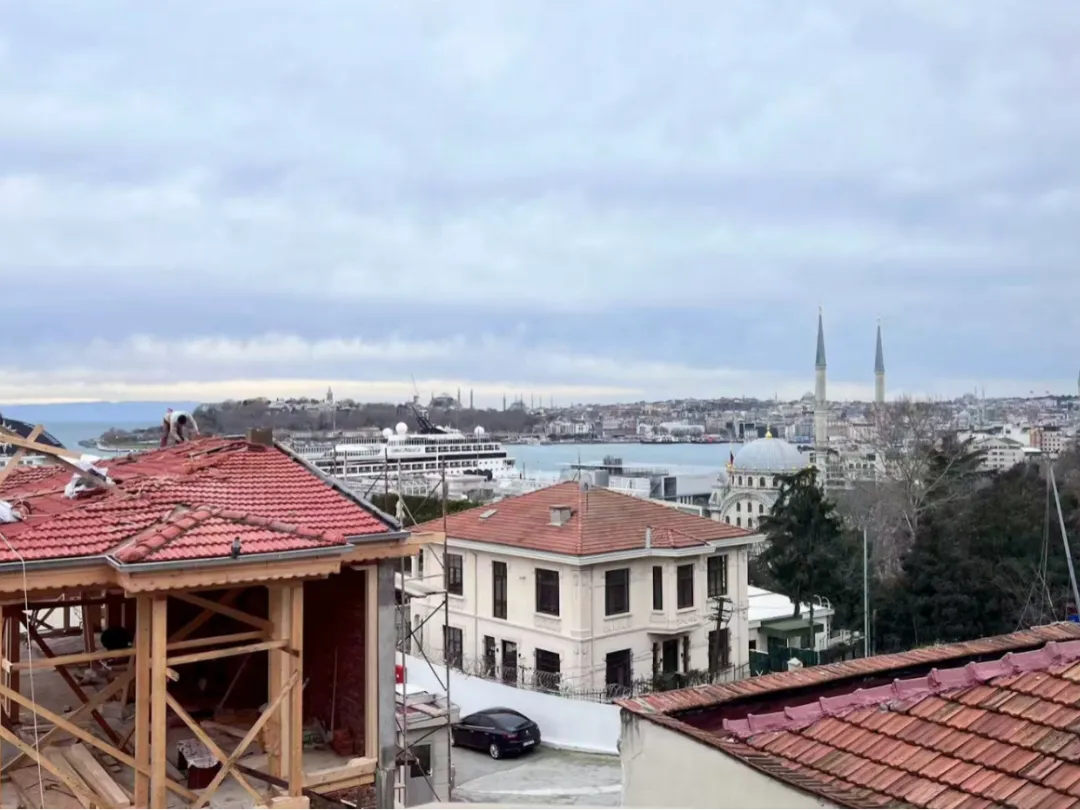
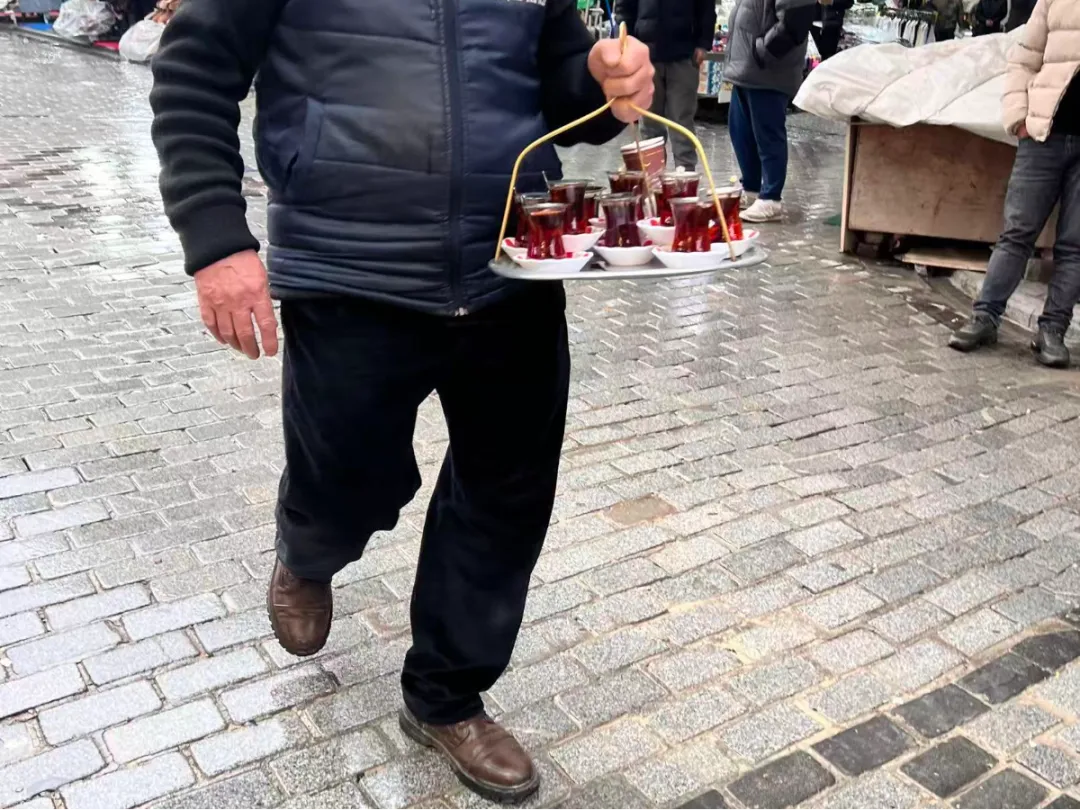
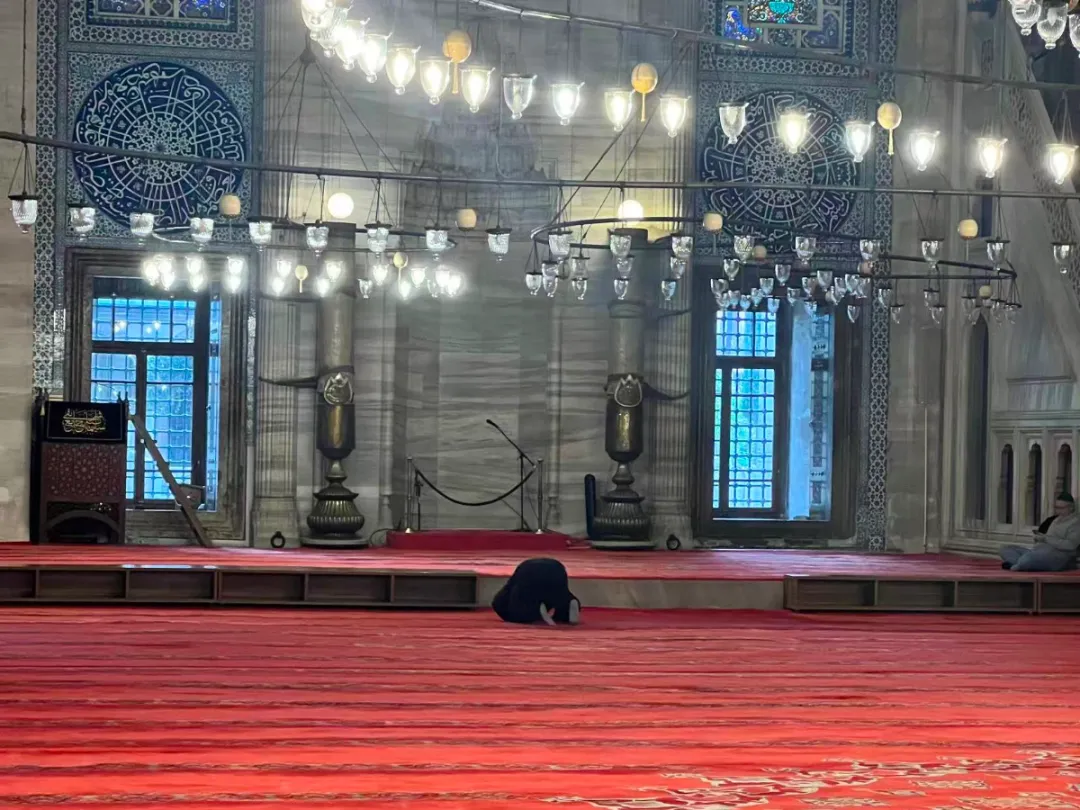
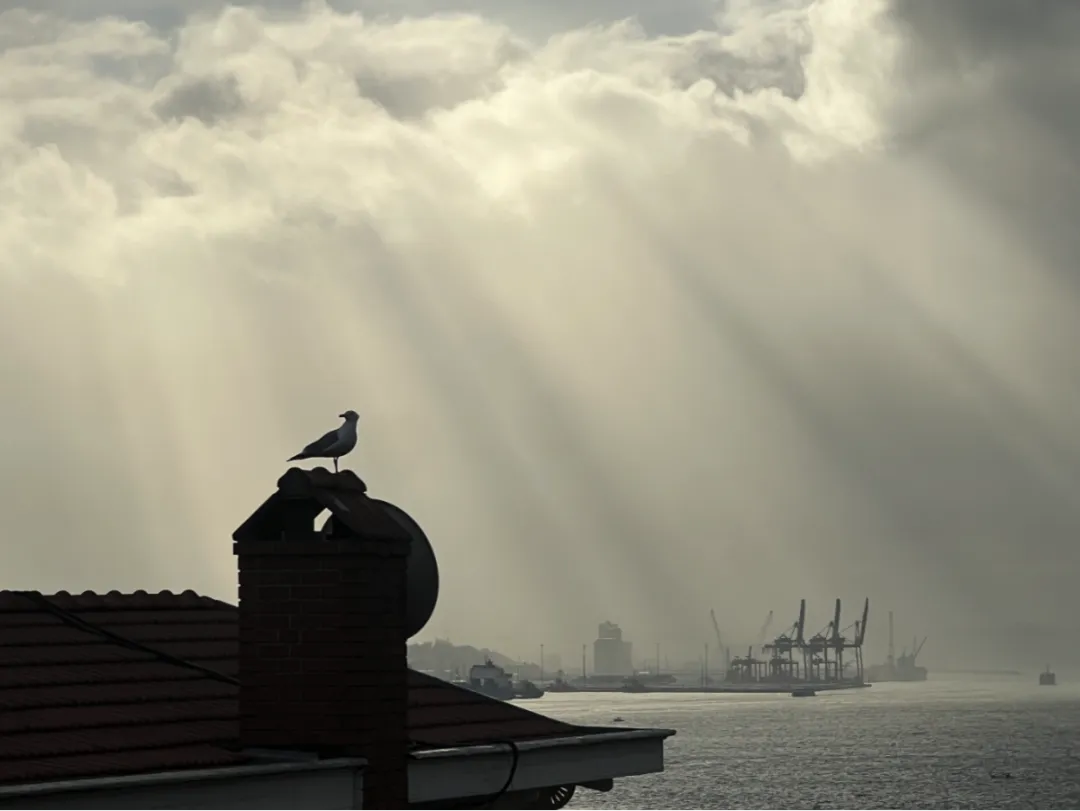
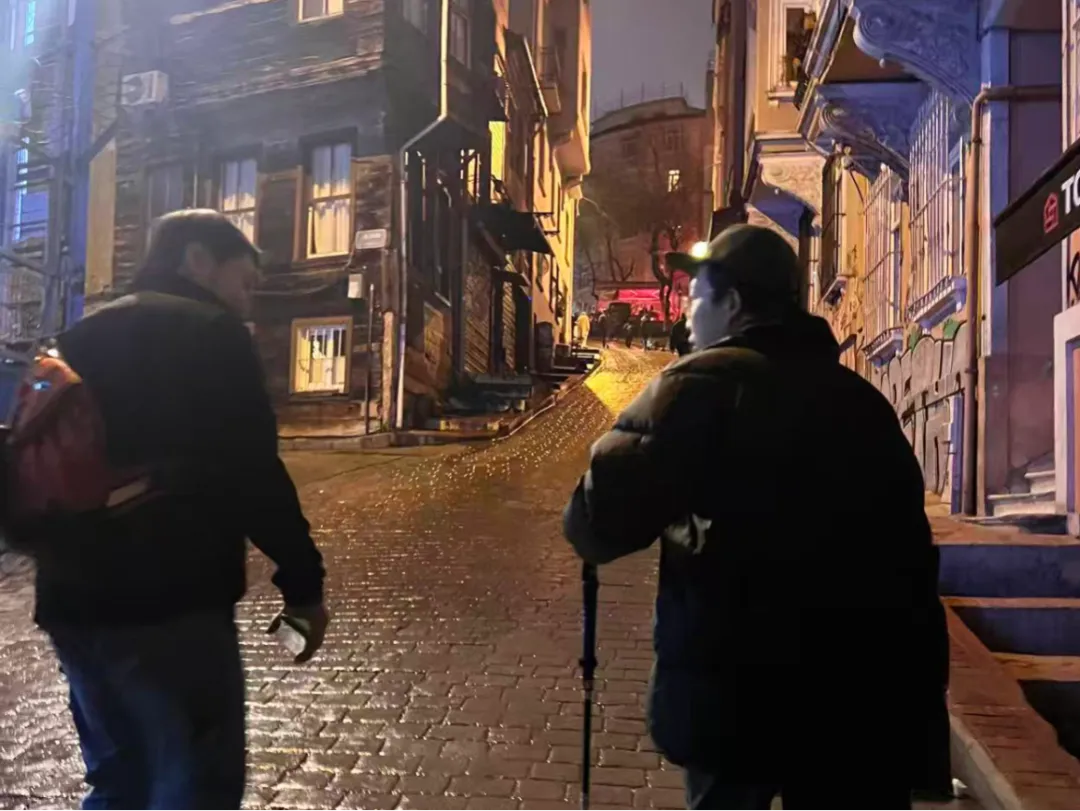
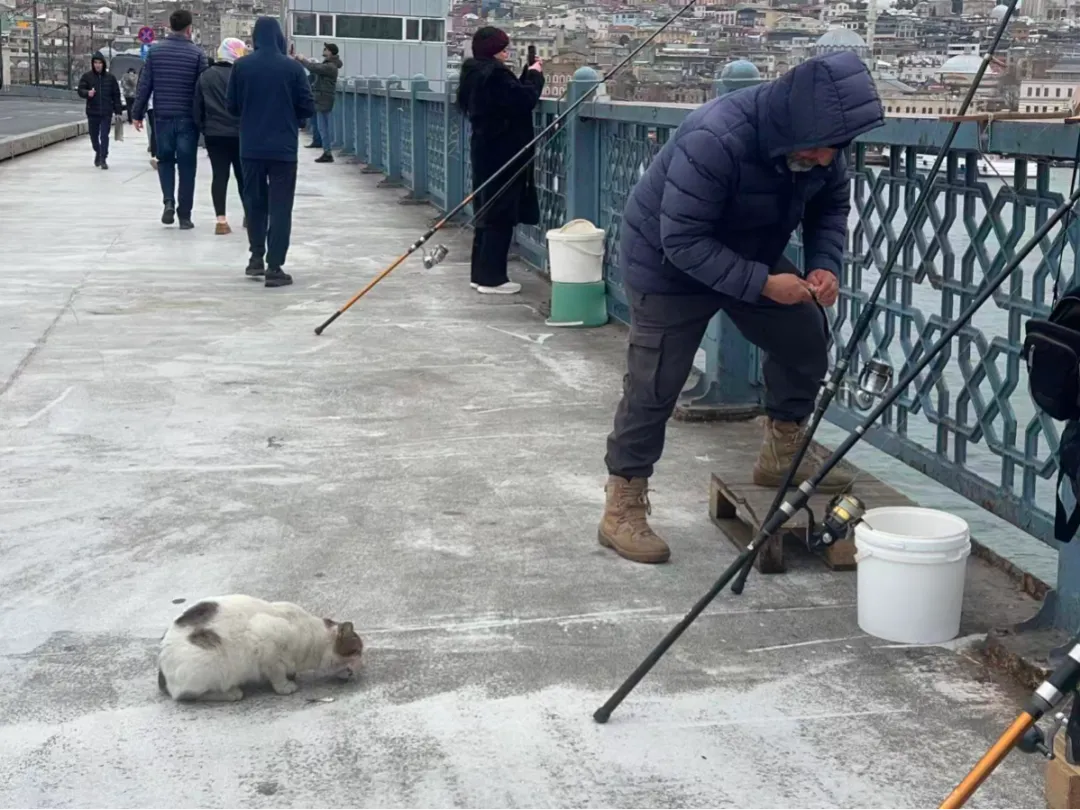
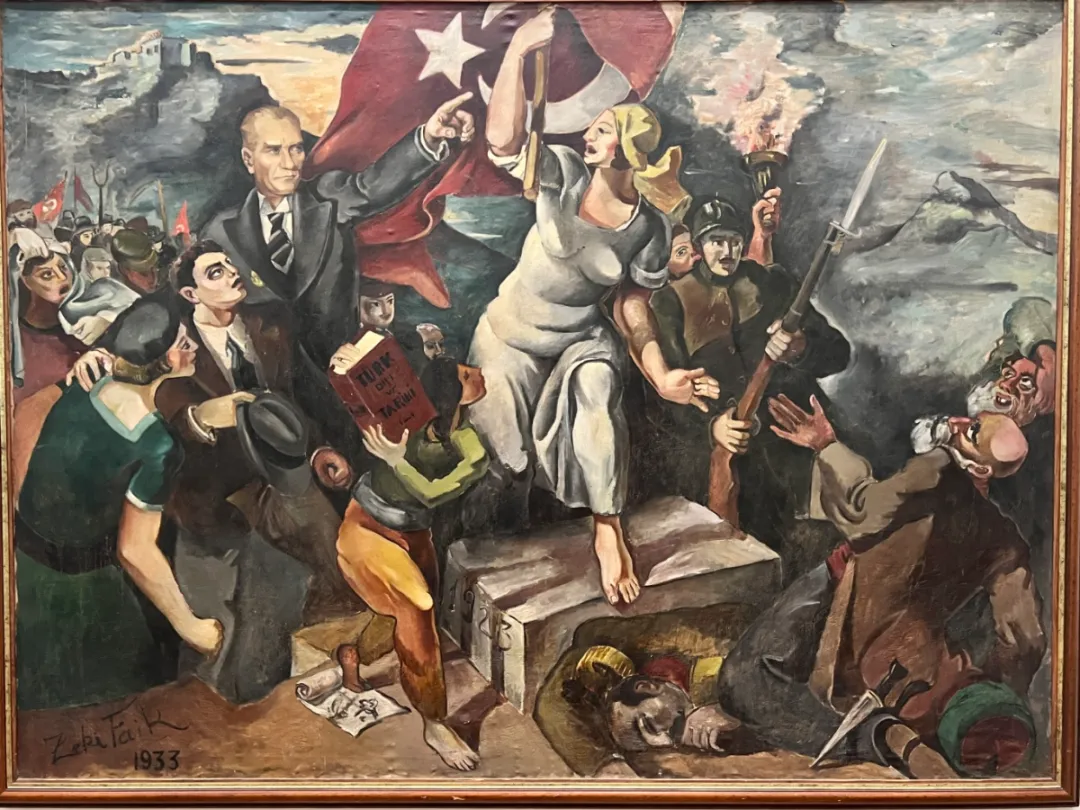
感受伊斯坦布尔的风貌 ©子芸、王超
(滑动查看更多)
之所以称“再”,一方面,是有名为“移动公园”(Moving Park)的展览在前——于驻留期间在交叉空间呈现;另一方面,是因为存在着明确的延续性,包含从异域采风到创作转换的自然过程。
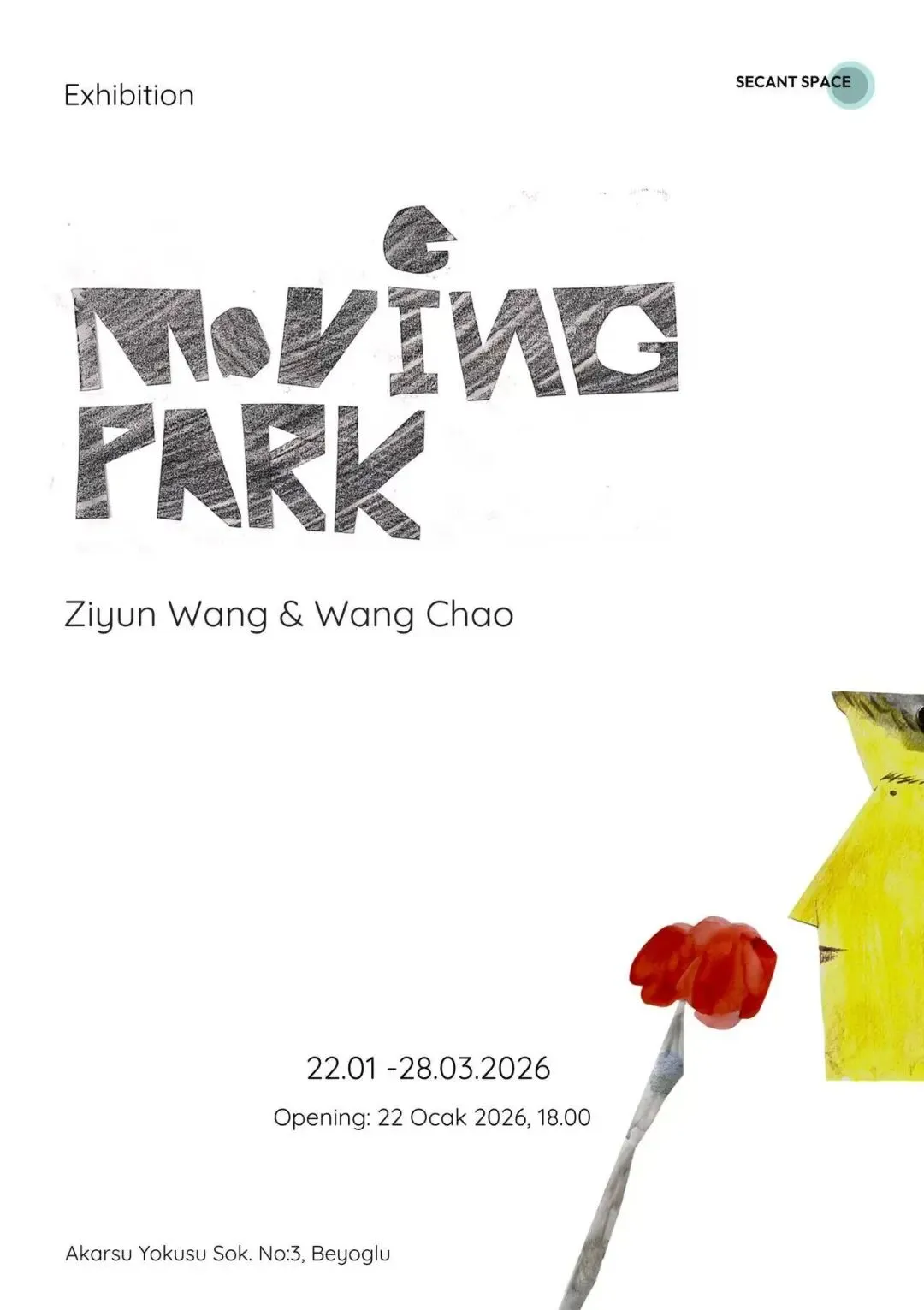
展览“移动公园”的海报
艺术驻留,根本上是一次热切投身彼端的亲历,是有可能以“生活”为更广阔接触面的,艺术所涉,是一部分。另一方面,驻留通常也意味着,艺术家要在陌生的环境中,在不充分的条件下——就譬如,子芸离开了她的画室(studio)、王超没有了木作工坊(wood workshop)——经受多线任务并行的极限挑战。这期间,“Lost and found“是心理上势必要承受的,甚至是反复多次。在这种情况下,仅凭艺术天分或学识是不够的,更为坚实的依仗,是在常态实践中凝炼的“自觉”,基于经验的自觉——一种可为个体所长持的意识与行动。
这也是策展人透过主题意欲提示的:在一件件作品的生动、感人之外,值得我们进一步考察的,是二人艺术实践中的某些特质;海外驻留的“事件性”,恰好通过特定的经历、其间的个人应对,放大了这些特质,反映为一系列更加有迹可循的意识与行动。
正如Eléonore所指出的:“移动公园”是一场“基于过程的展览“(a process-based exhibition)……艺术家灵活地将“工作空间与展览空间融为一体”(… the artists’ workspace and the exhibition space merge into one)。
在子芸和王超抵达伊斯坦布尔的第五天,展览的第一期就开幕了。当日现场,除了二人布置、展出的数件/组创作于广州——也自然流露着广府气息的作品,还有他们特意带去的荔枝红茶、果脯等特产,作为款待来宾的“special treat”;此后,随着新作的陆续产生、自当地市场觅得的新材料、新元素的不断添入,现场持续发生着变化,直至二人返程前三天,作为展览的第二期再度迎来开幕。随着新老观众纷至沓来,展览二度成为交流的现场——自有一部分对话,来得更为热络、更为深入。
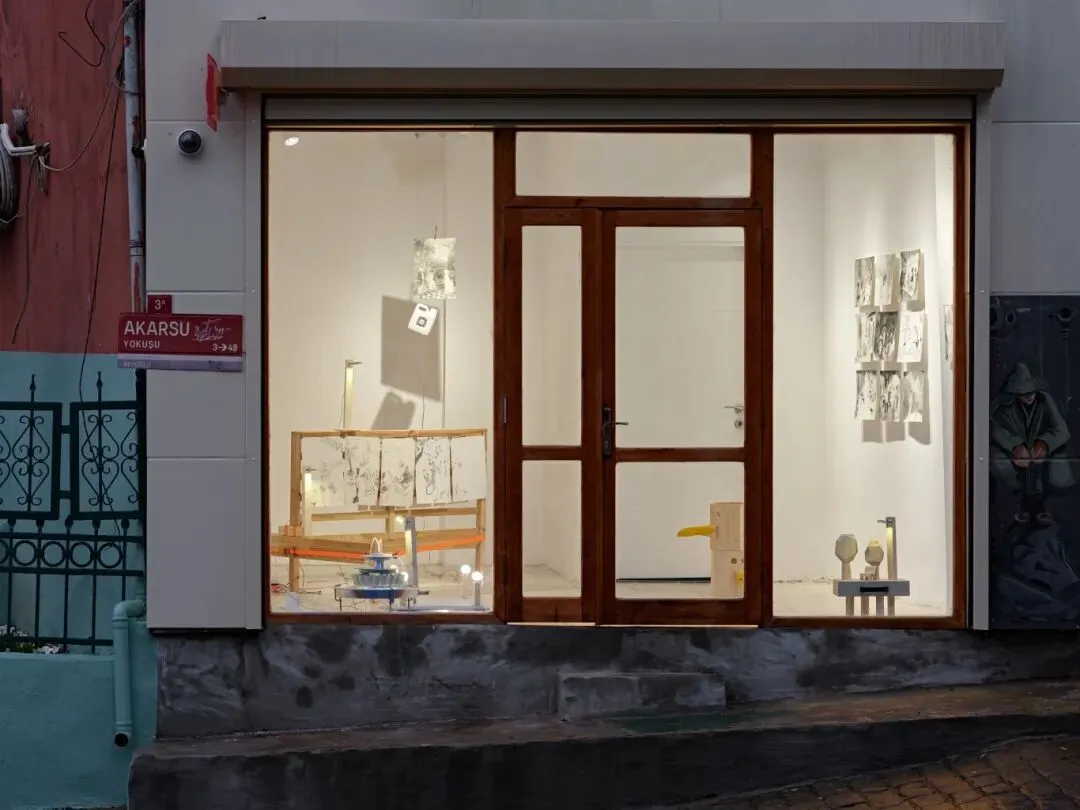
“移动公园”展览第一期的现场,于2026年1月22日开幕
@交叉空间 ©Baris Özçetin
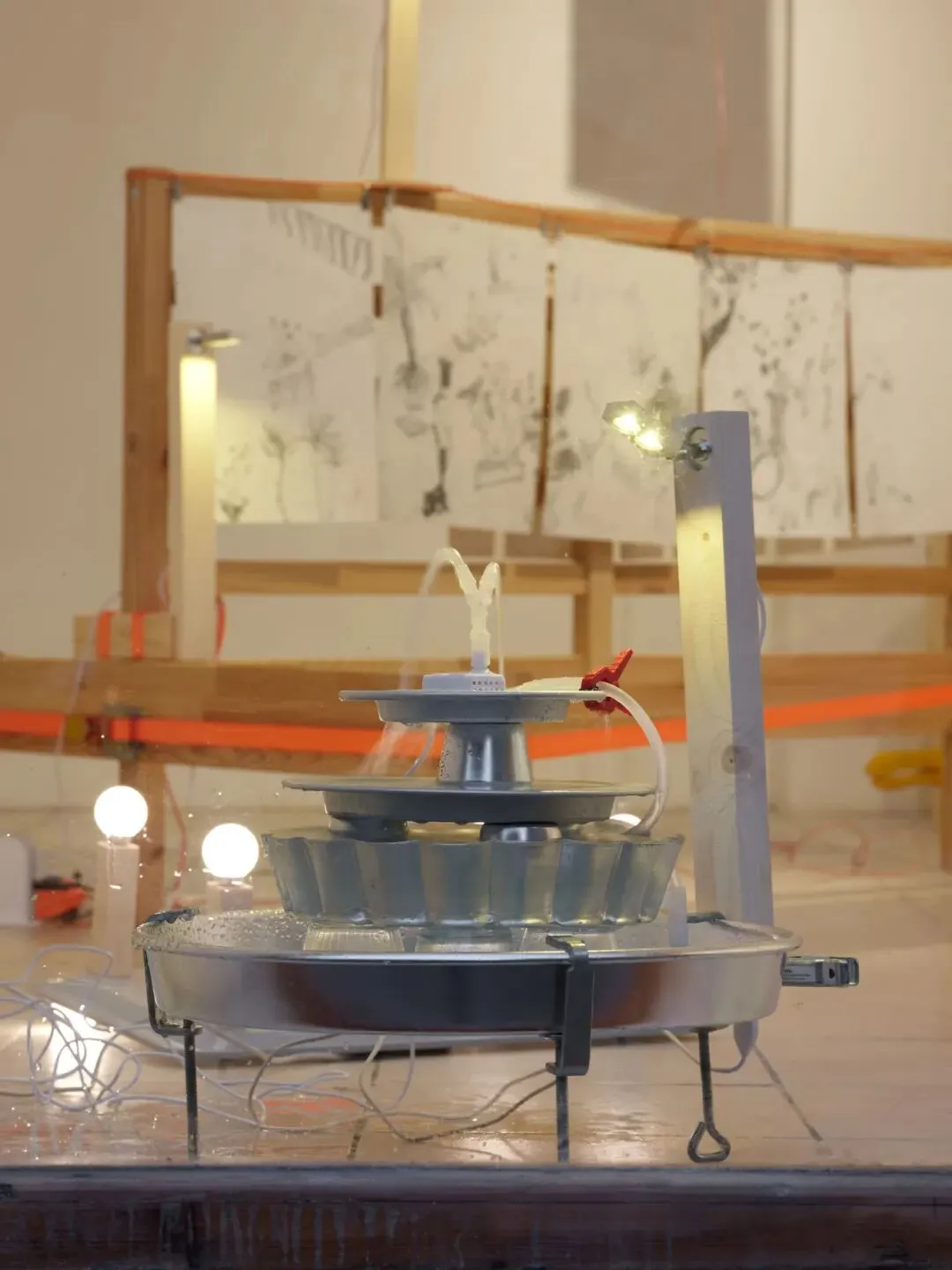
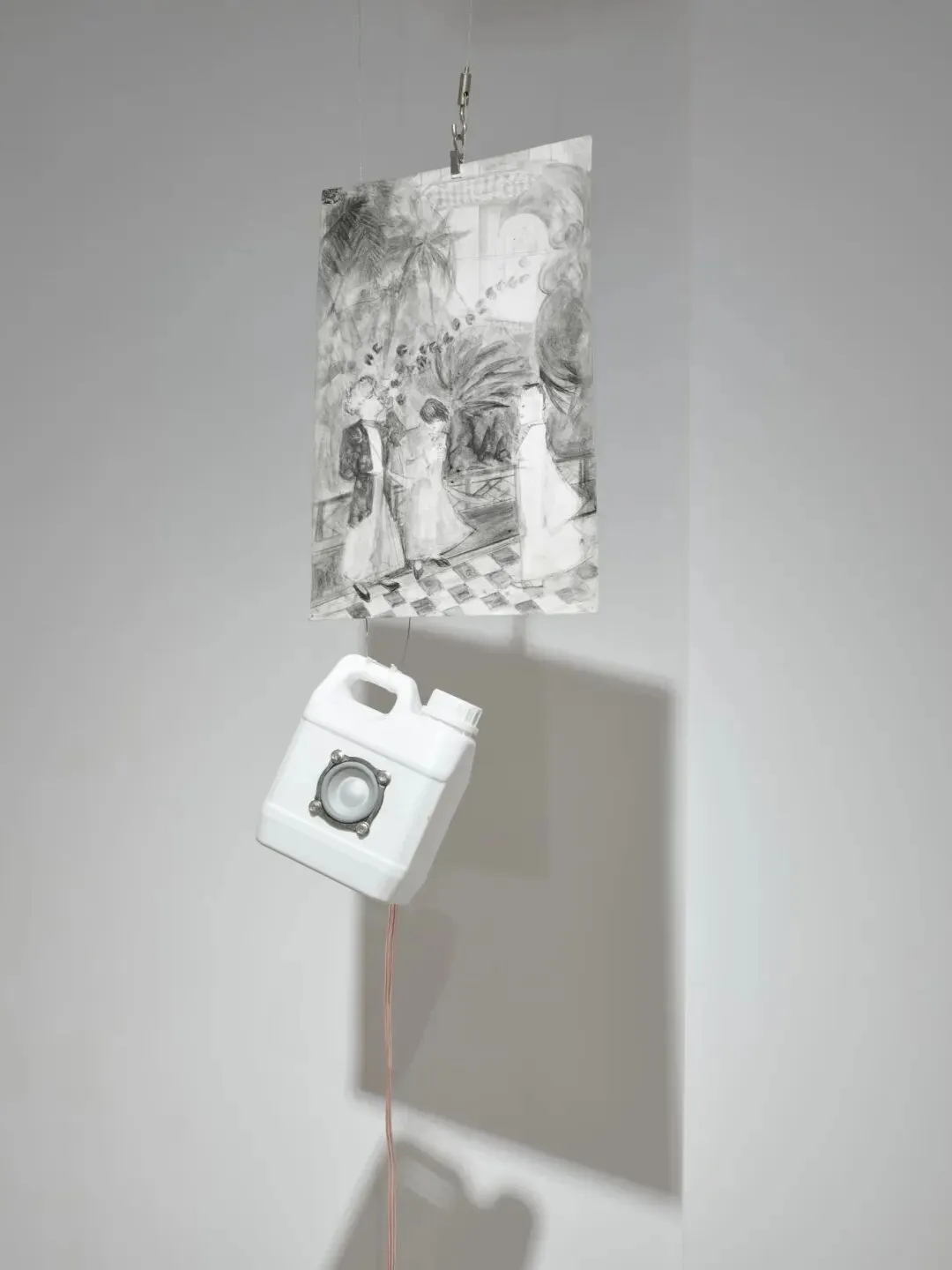
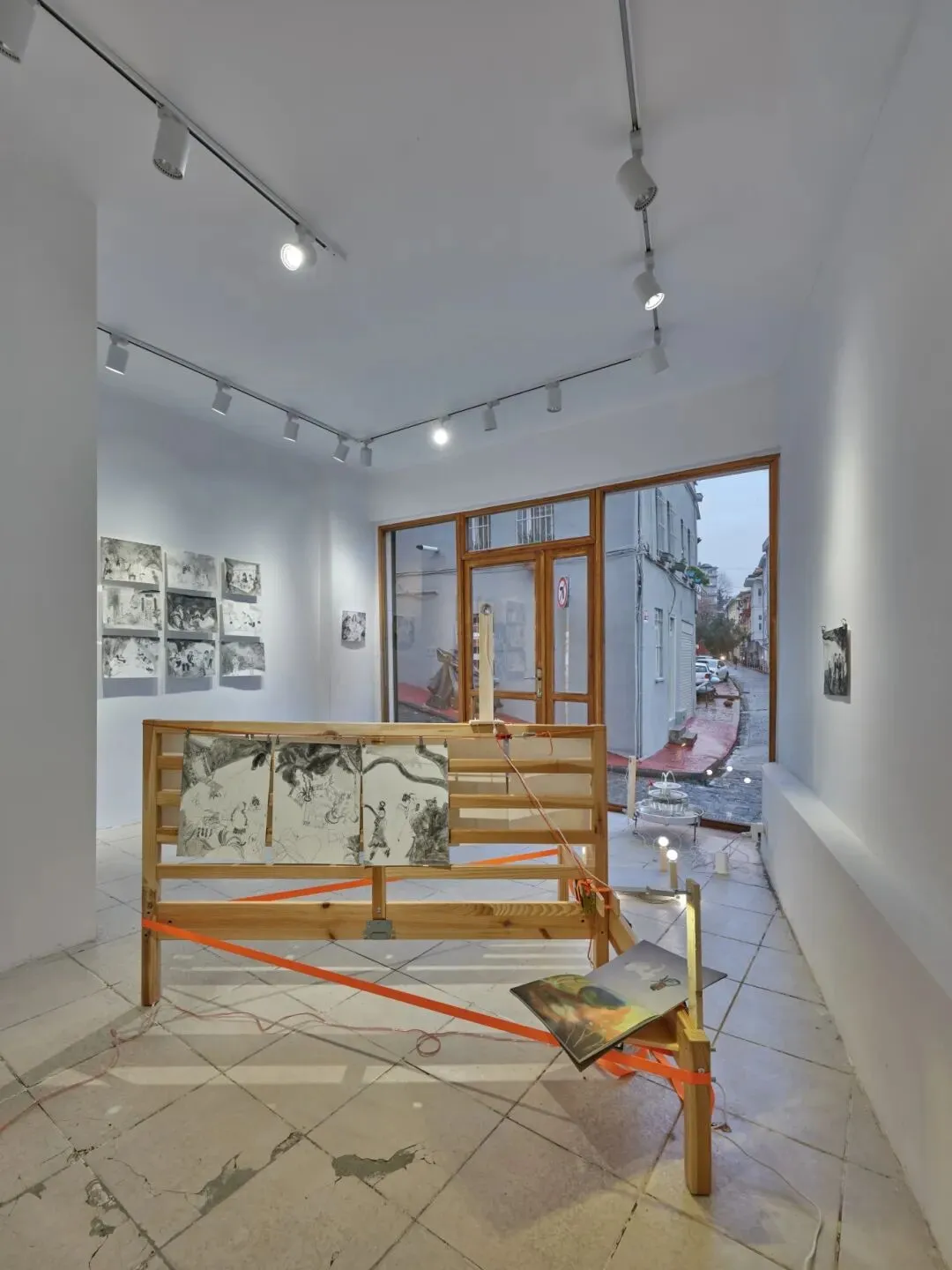
“移动公园”展览第一期的现场,2026 ©Baris Özçetin
(滑动查看更多)
此番,于新造空间呈现的“现场”,将依旧是动态多意的。两位艺术家已经携部分作品,材料和工具,提前半个月入驻。尤其对王超而言,相当一部分的展项将在现场诞生,制作—布置—调整……这样的过程循环,将有可能贯穿整个展期。
以过程为导向(process-oriented)的实践,不是对“即兴”的一味强调,也并非对正式(呈现姿态)的消解,它本质上,更可能是创作者对耕耘个人艺术素养的看重和坚守。
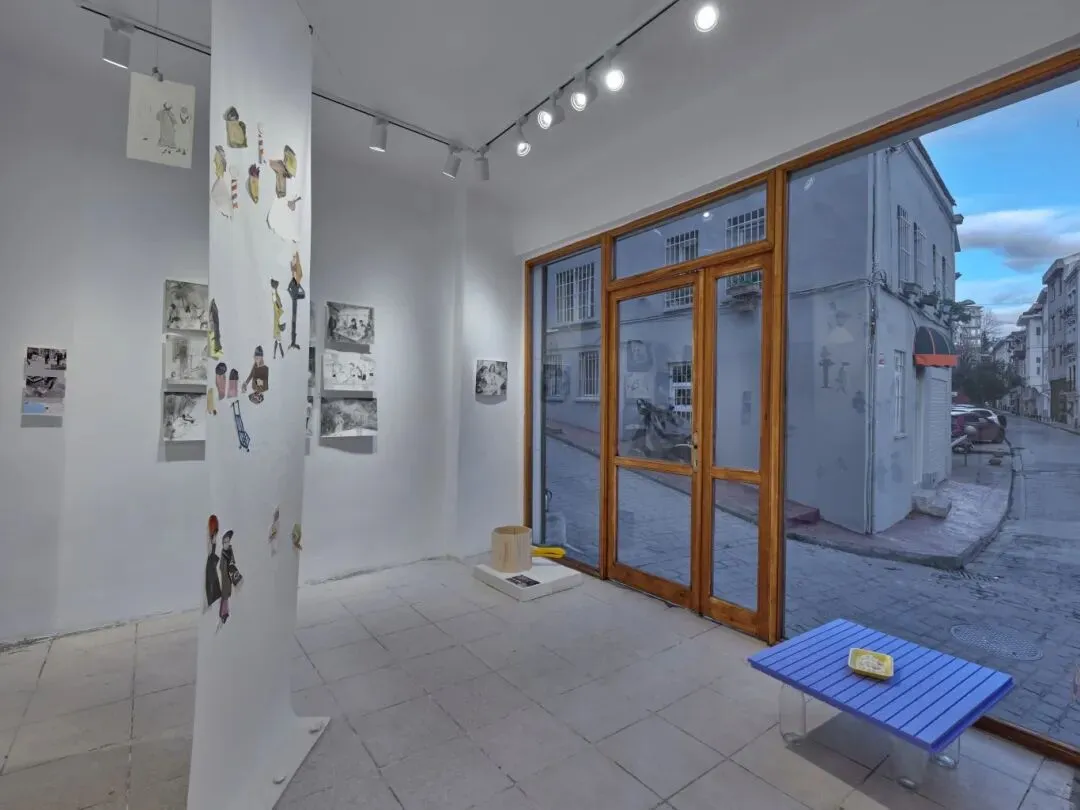
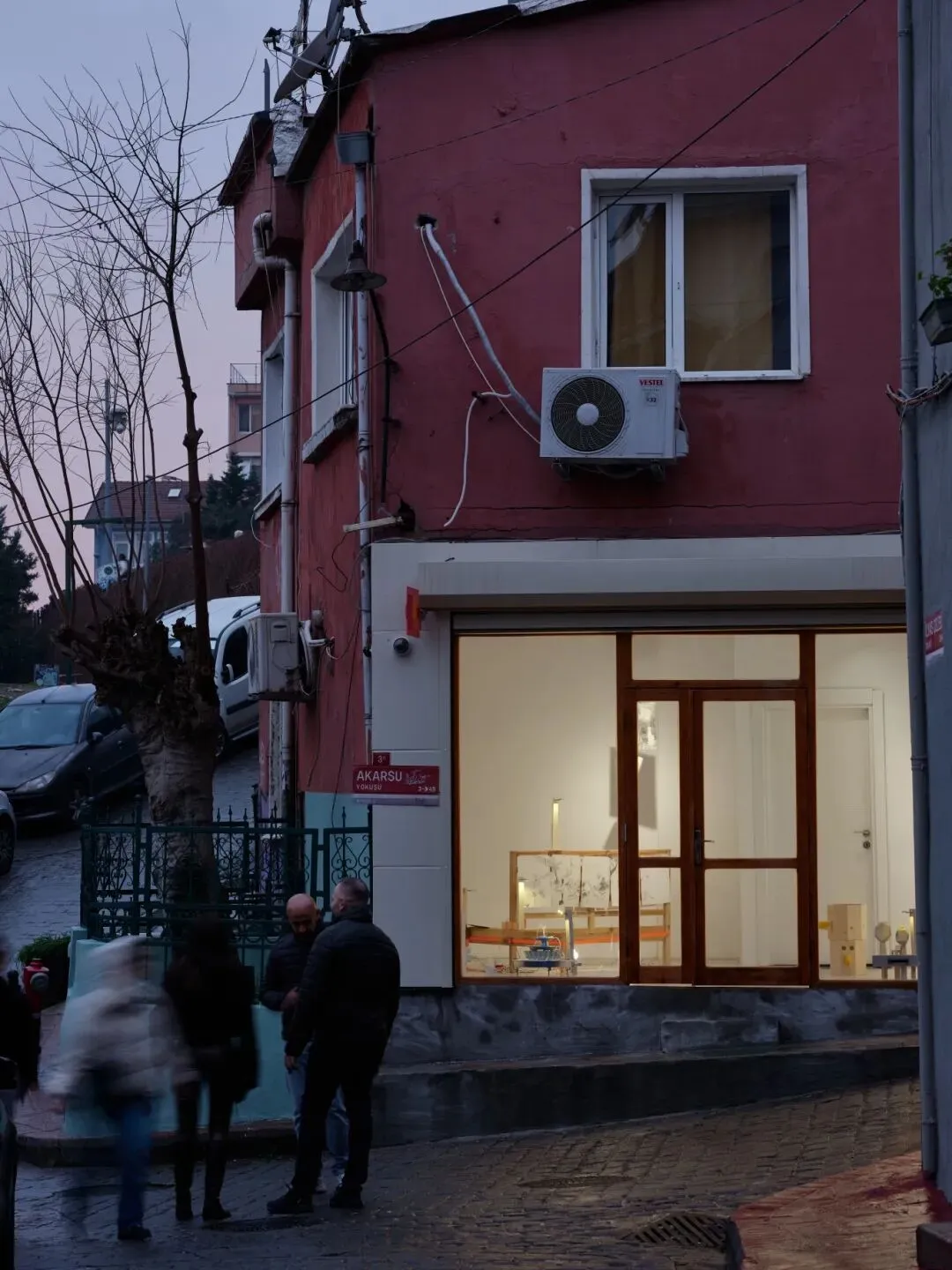
“移动公园”展览第二期的现场,于2026年2月12日开幕
@交叉空间 ©Baris Özçetin
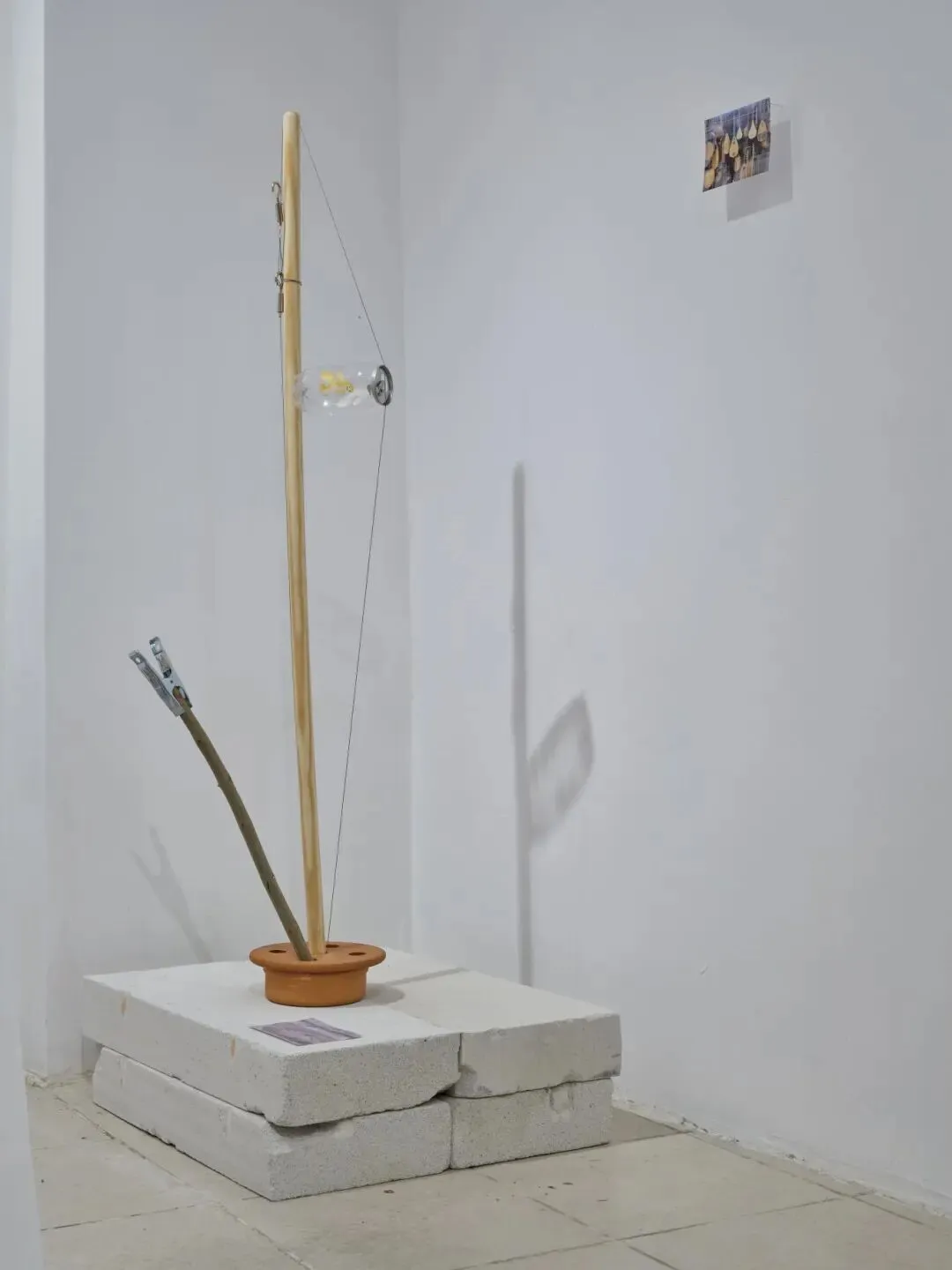
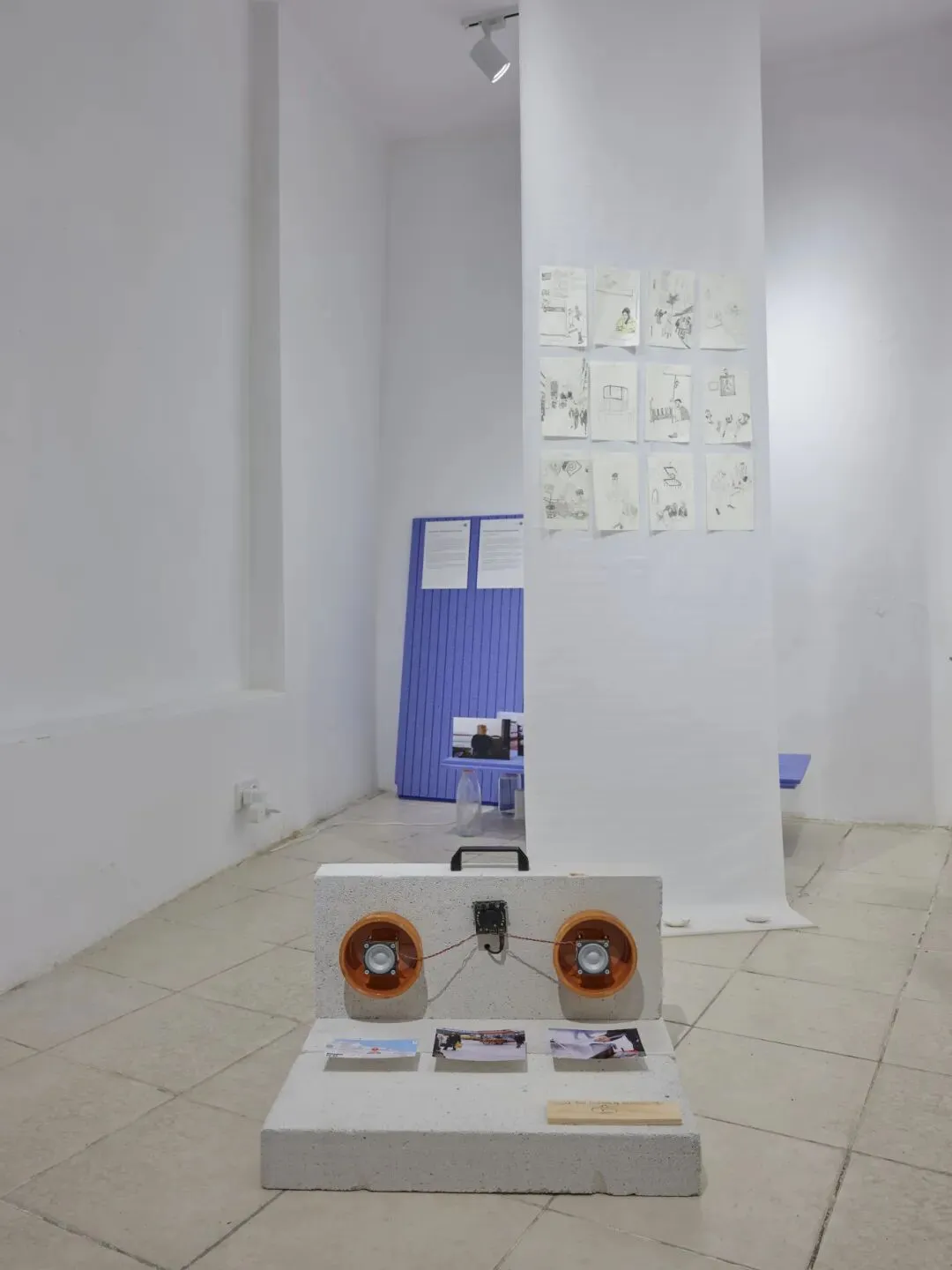
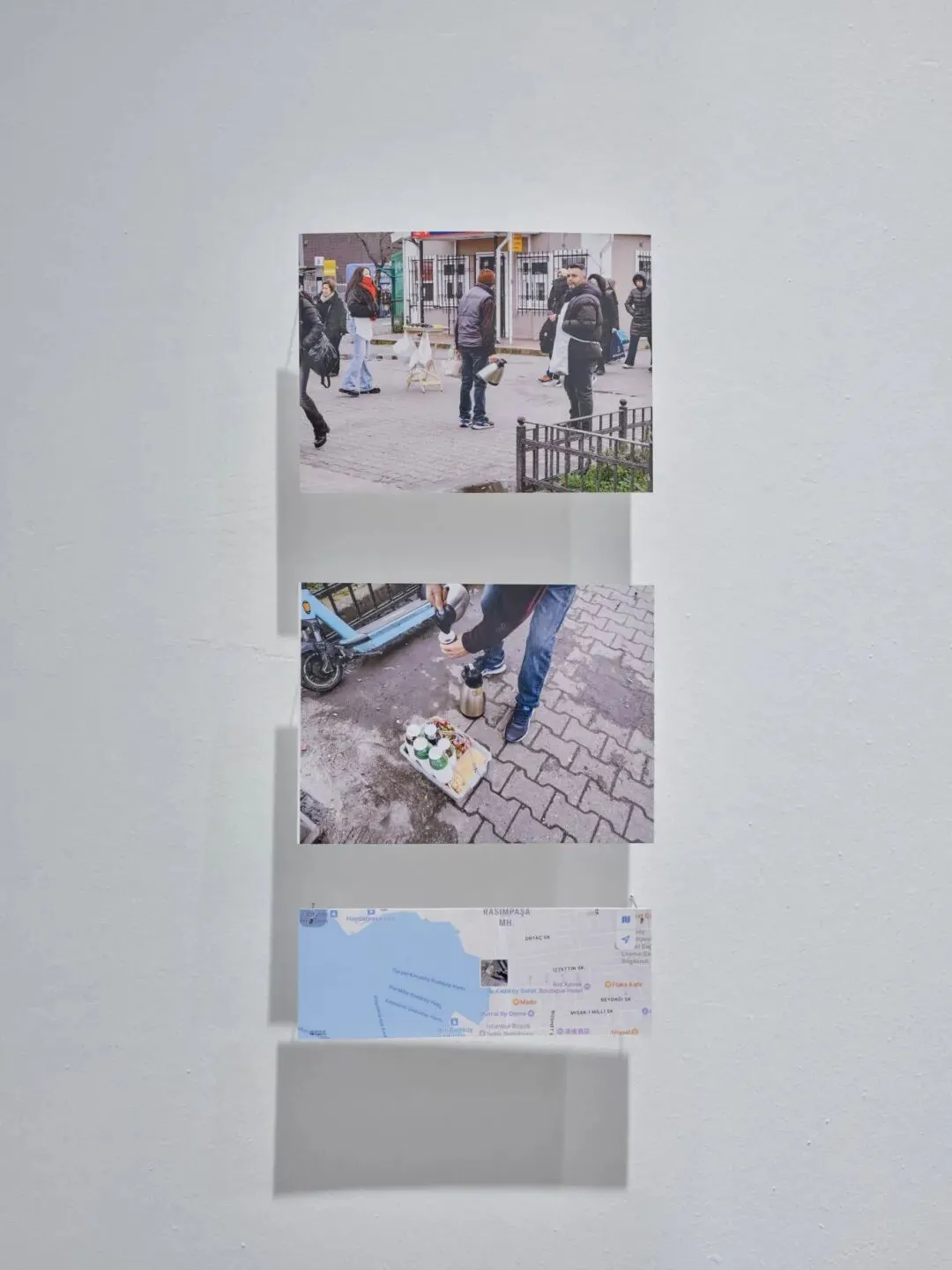
“移动公园”展览第二期的现场 ©Baris Özçetin
(滑动查看更多)
虽运用各自不同的媒介,两位艺术家有着相同的视角,并总是针对特定的生活场景,作出诙谐生动的回应。
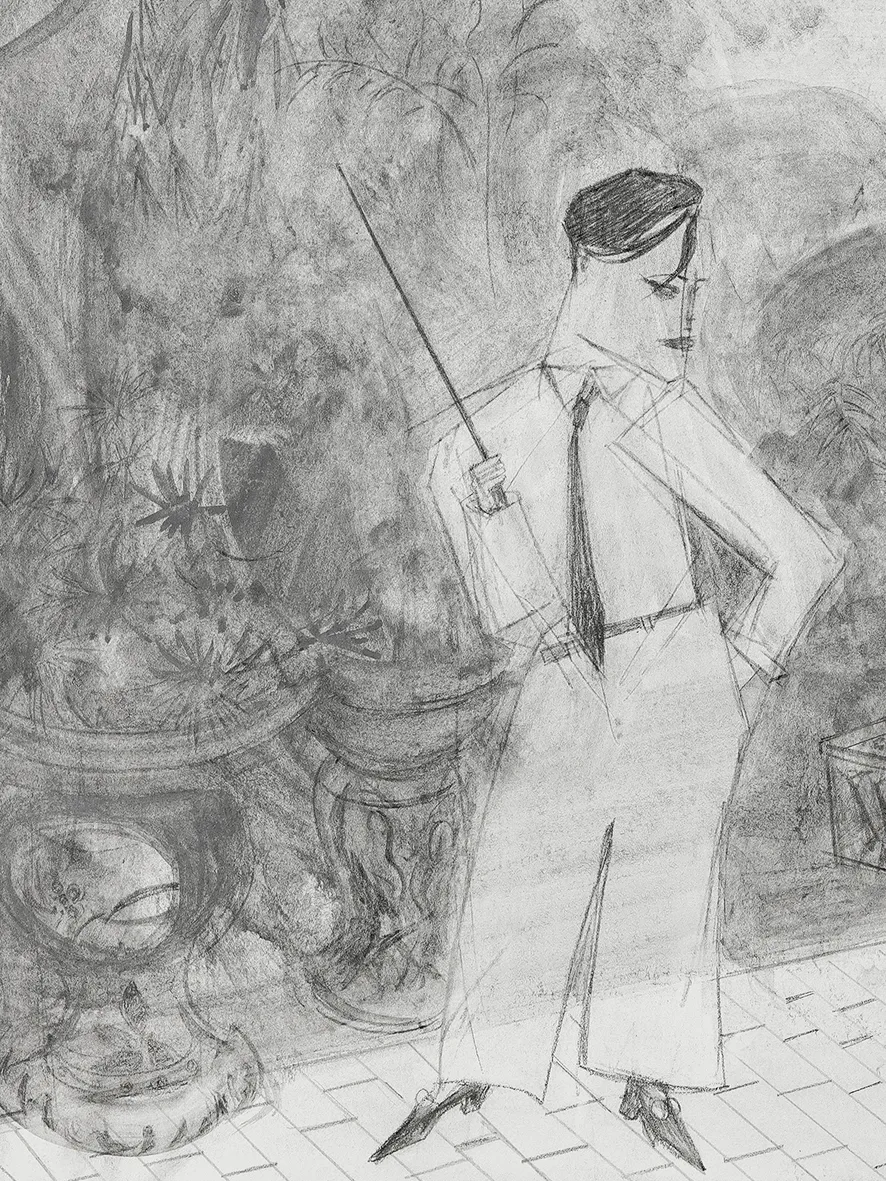
在“移动公园”第一期的现场,子芸展出了“结日”系列的部分作品,是她近年来以广州番禺,更精确地讲,以她生活的周遭——南村——为观察对象,创作的素描画作。通勤之余,她时常穿行在城中村的街巷间,观察形形色色的人和事,也会偶尔上前攀谈几句……回到画室后,她主要凭记忆来画,选择素描,一方面也是为了能快速回应最鲜活的印象。
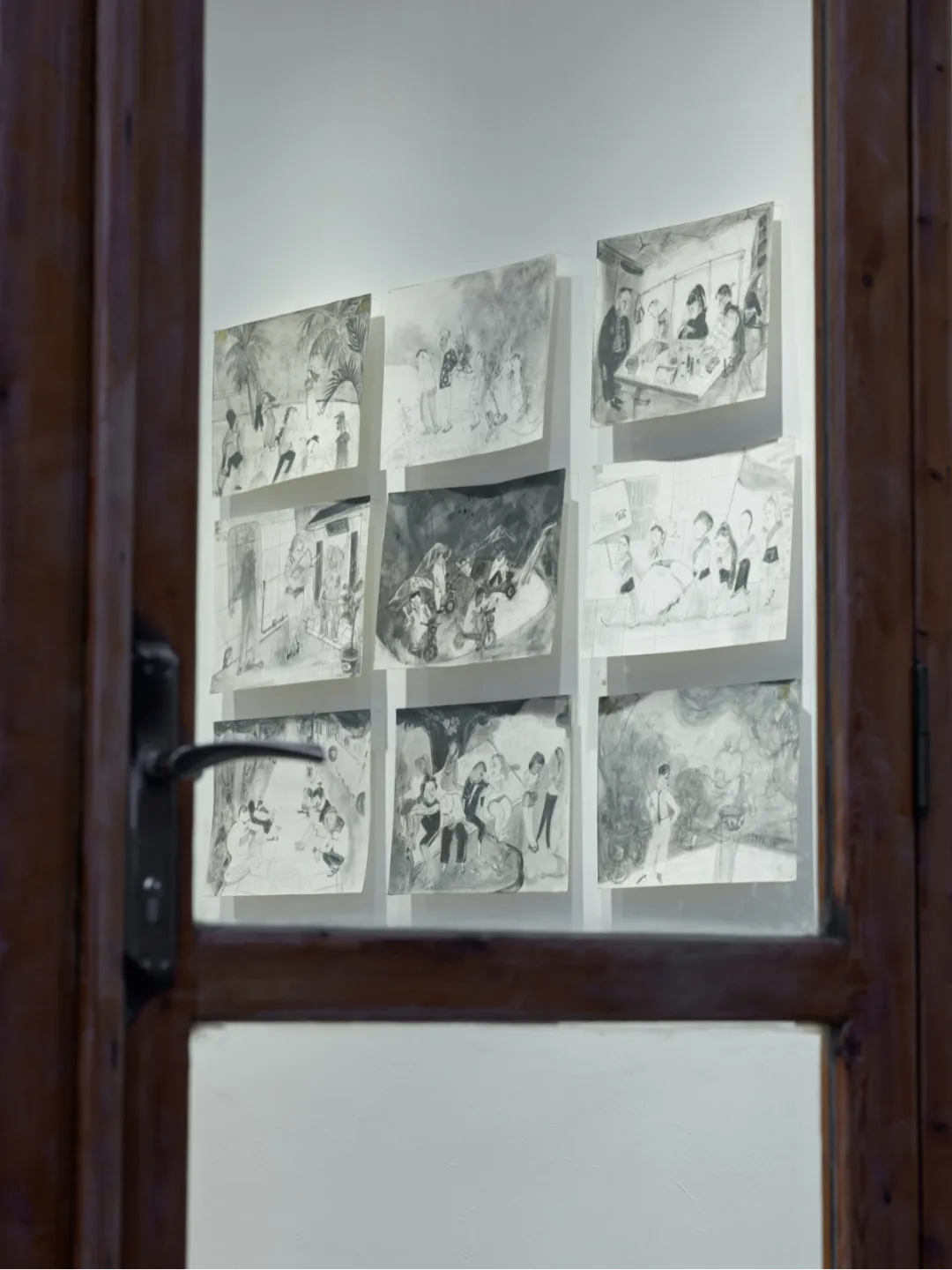
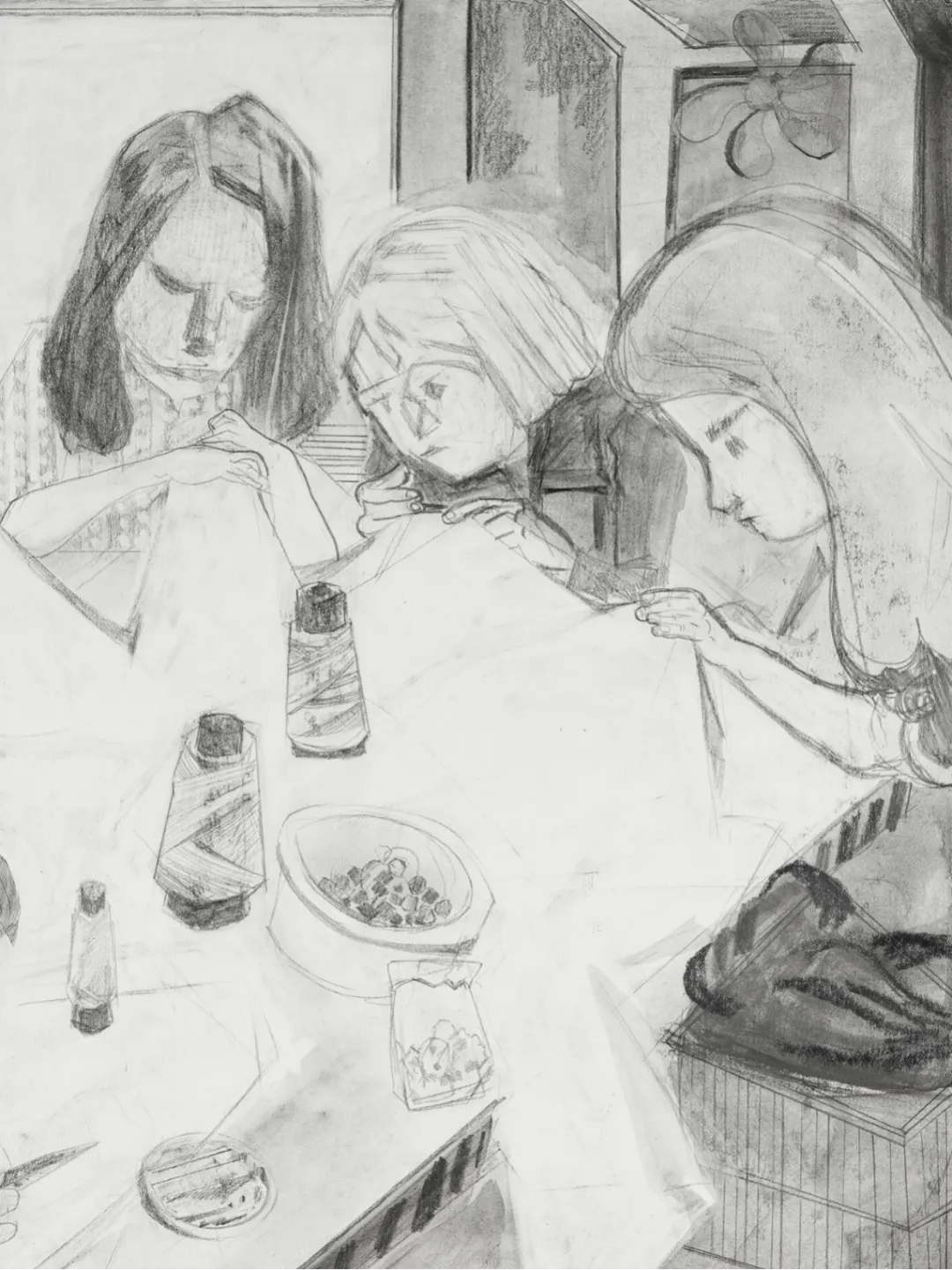
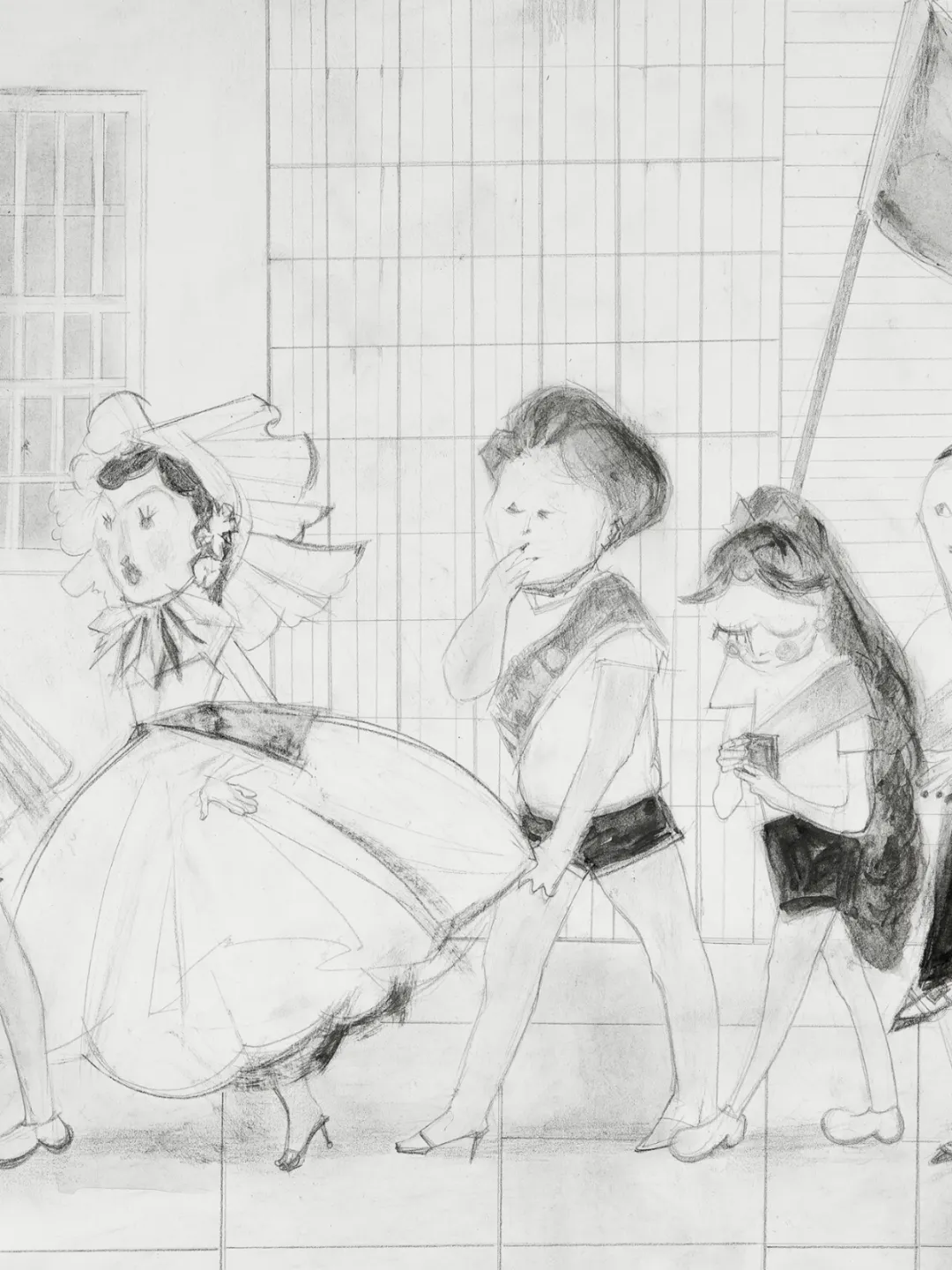
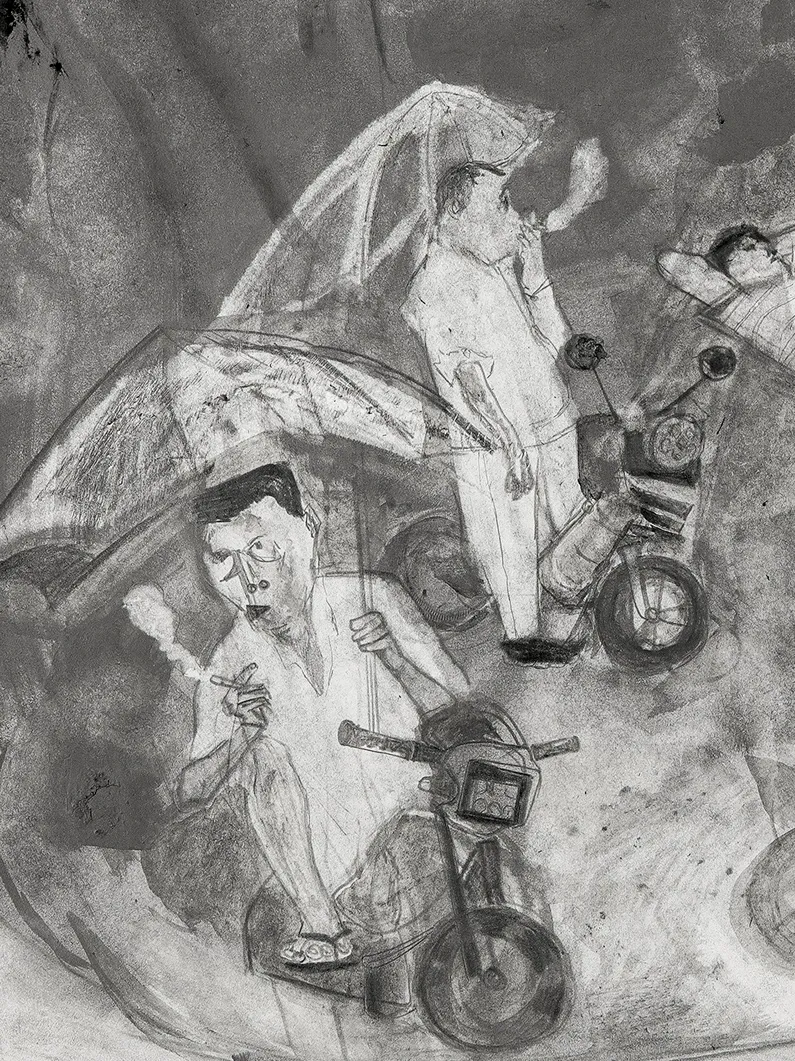
在交叉空间展出的“结日”系列作品
图1:交叉空间展览现场 ©Baris Özçetin
图2-4:“结日“系列素描作品(局部) ©子芸
(滑动查看更多)
作为具象绘画,“结日”系列并非对现实的直白描绘,而可能更接近于一种个人化的“视觉日志”。她曾在一次对谈中提及:“我……从一个自我反思式的视角出发,……带着个人反思去观察这些人。所以,这里面一定有一个借助自我对话所展开的前奏,而不是直接把现实作为客体,不加思考地去再现它。”[1]
自反式的视角不能简单看作为一种方法,它更像是一种内生的能力。此番展览,我们将会看到一批以伊斯坦布尔为背景的全新画作。不仅有数量可观的素描,还有若干幅油画,以及作为全新尝试的,结合长卷与拼贴手法的绘画装置。
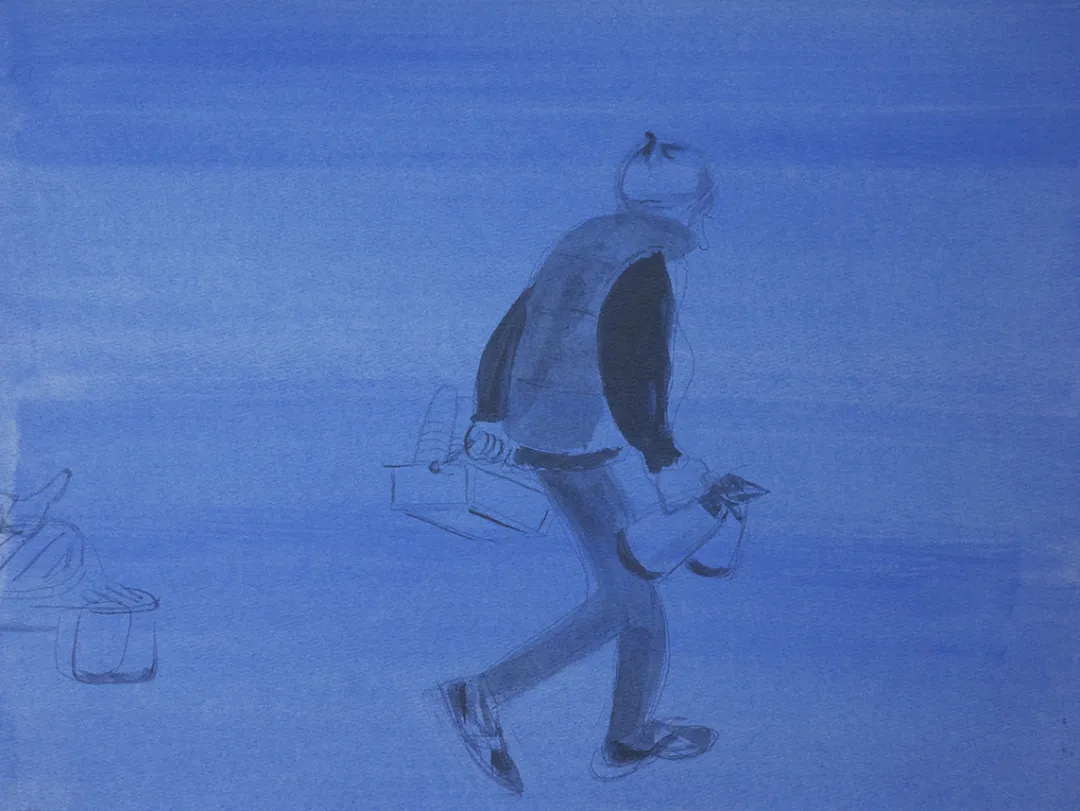
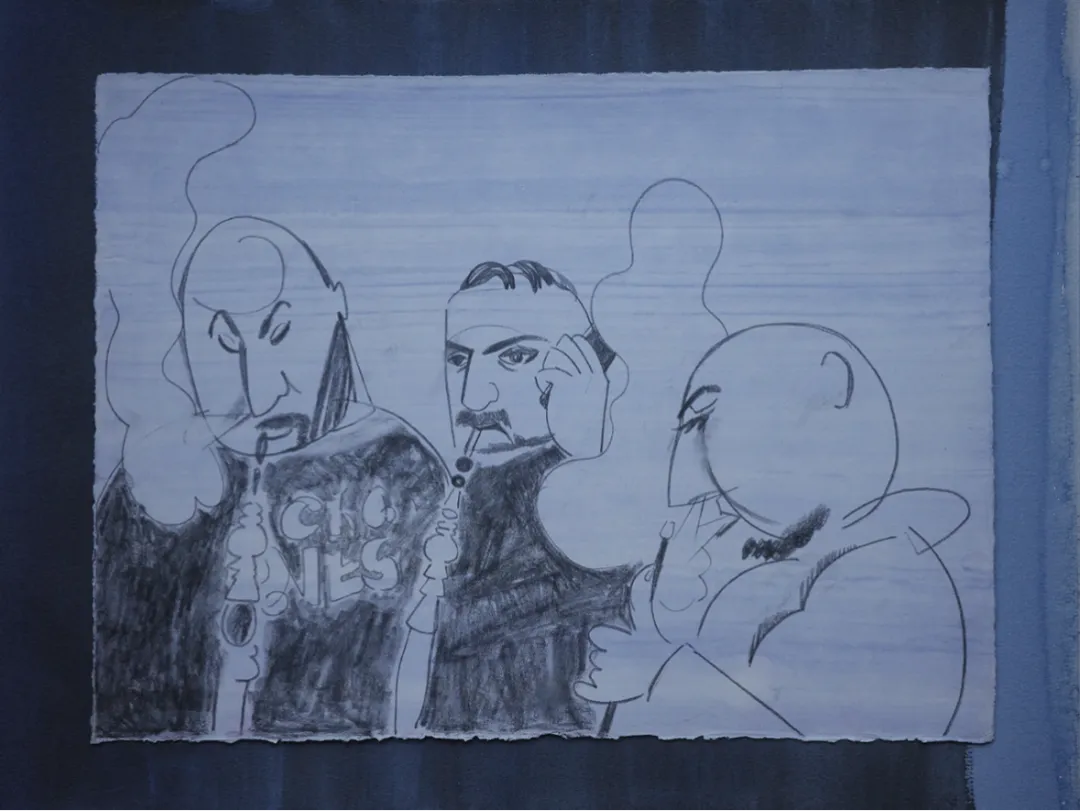
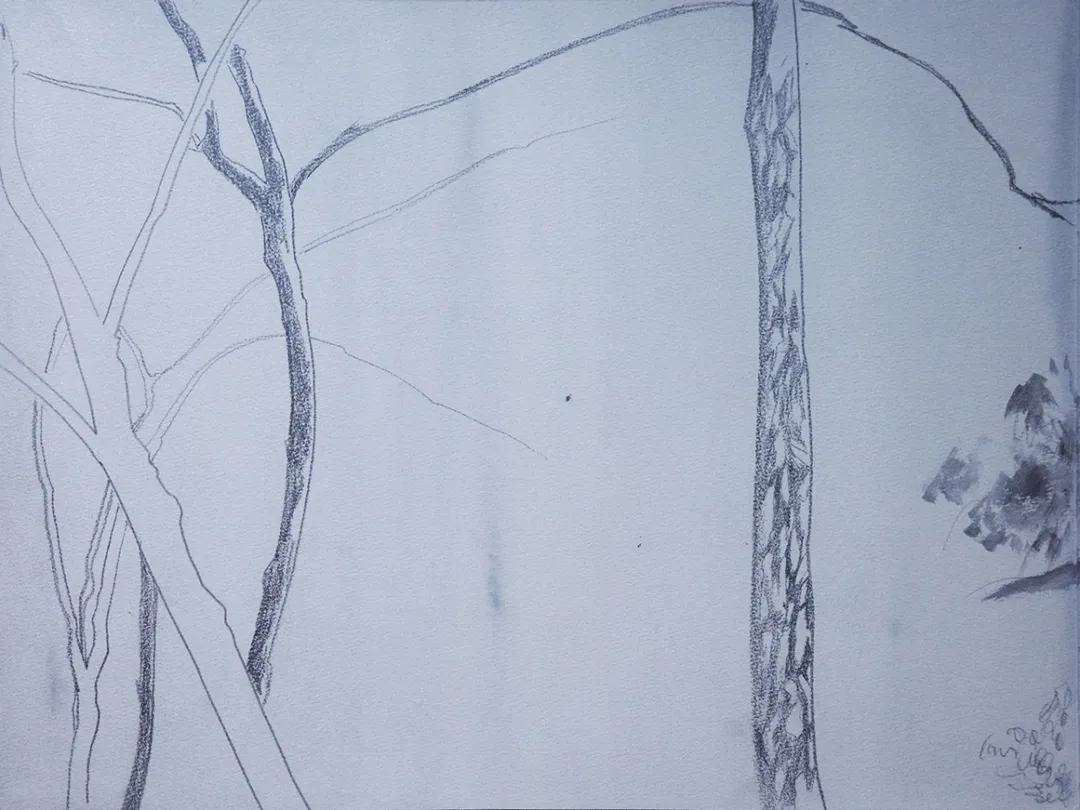
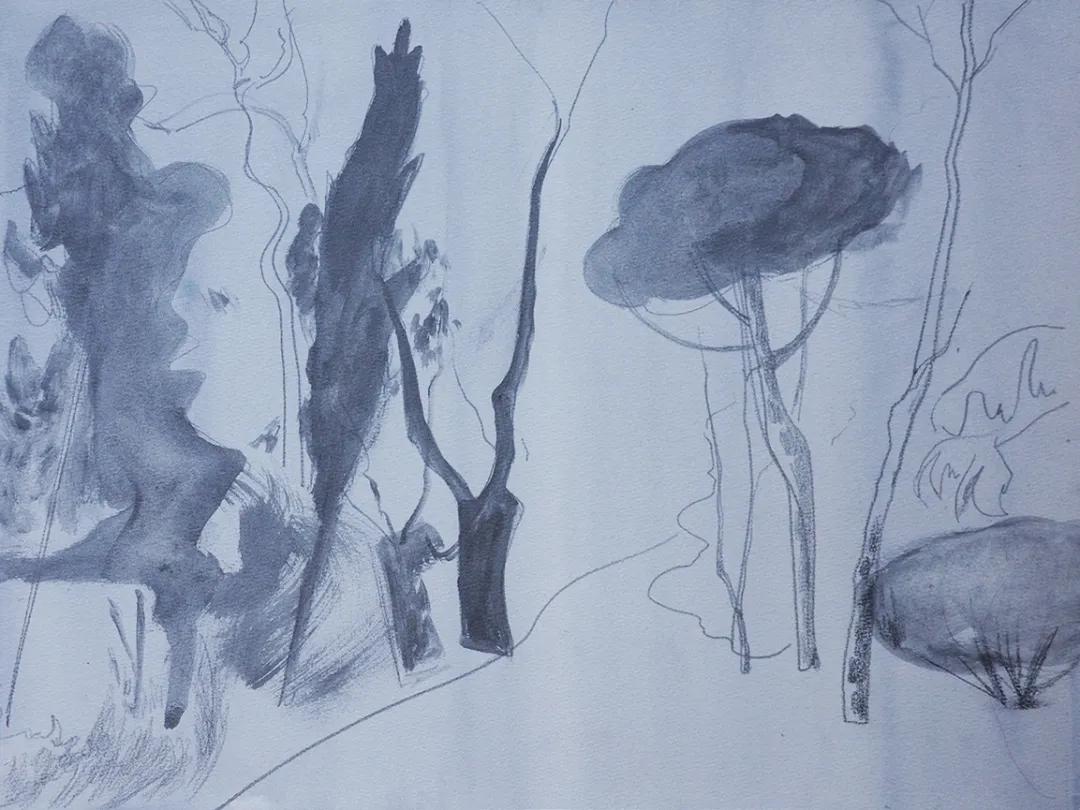
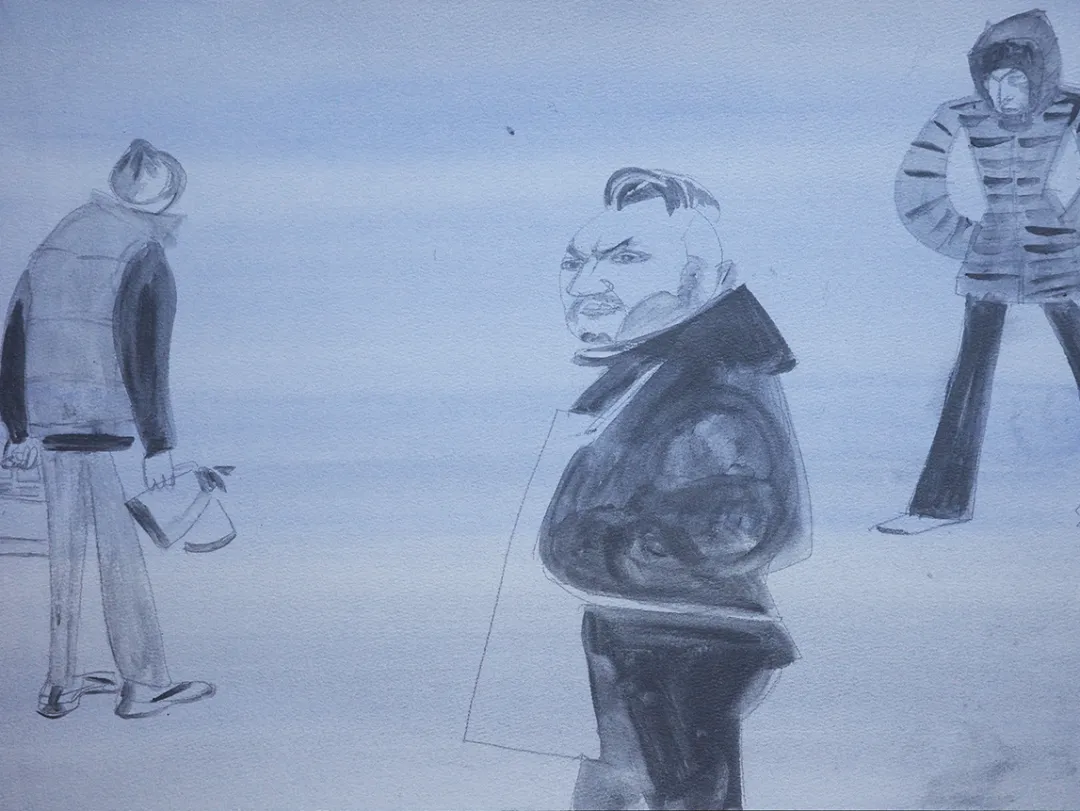
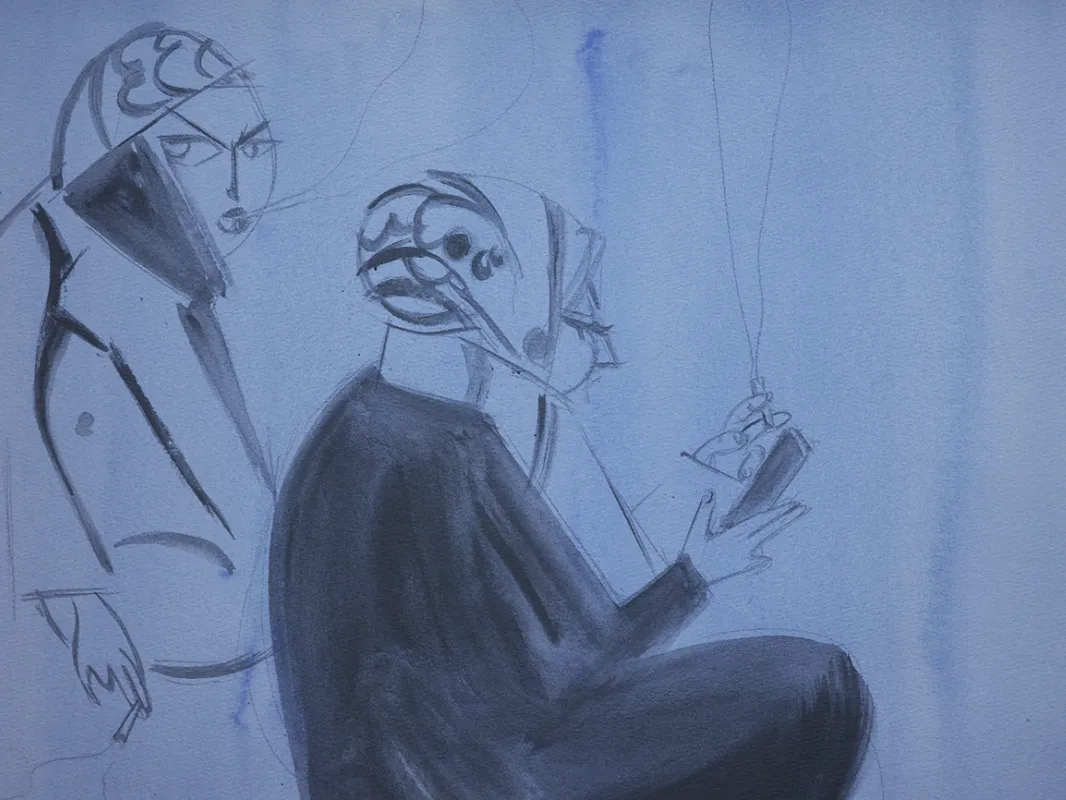
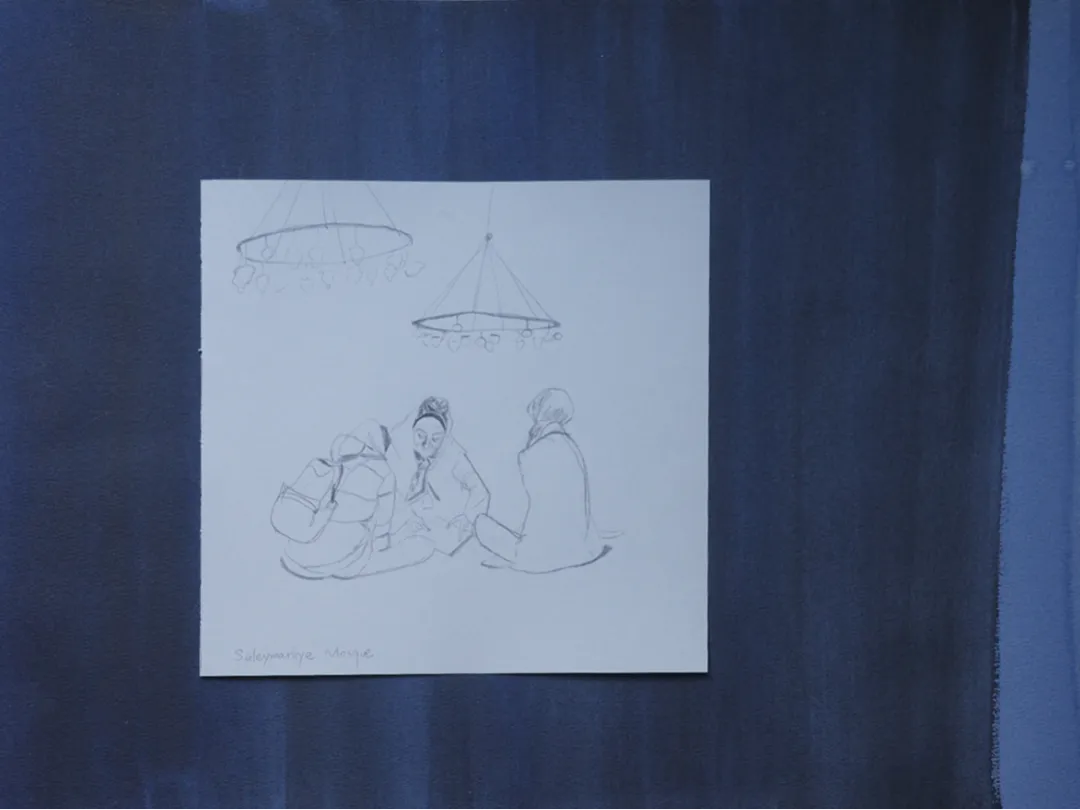
《烟与风》,长卷(局部),2026 ©子芸
(滑动查看更多)
和子芸一样,王超也喜欢在街头闲逛,常常流连忘返。最能抓住他眼球的,是那些与制作——尤其是手工制作相关的人和事:最有代表性的,是各种工艺作坊,若被陈列在橱窗里的制成品深深吸引,他会忍不住走进去想要了解更多,甚至是和那些手艺人聊上几句——作为“同行”;不仅仅是物品的制作,他的考察范围也涵盖街头美食,尤其是各种经过改造的移动餐饮摊或餐车。
可想而知,他这般兴趣在伊斯坦布尔得到了巨大的满足——取决于当地的经济现实、产业化程度,以及传统生活方式的部分保留,这些以小本生意为基础的“制作单位”依然大量存续,有的甚至相当有活力——若受国际游客的青睐。
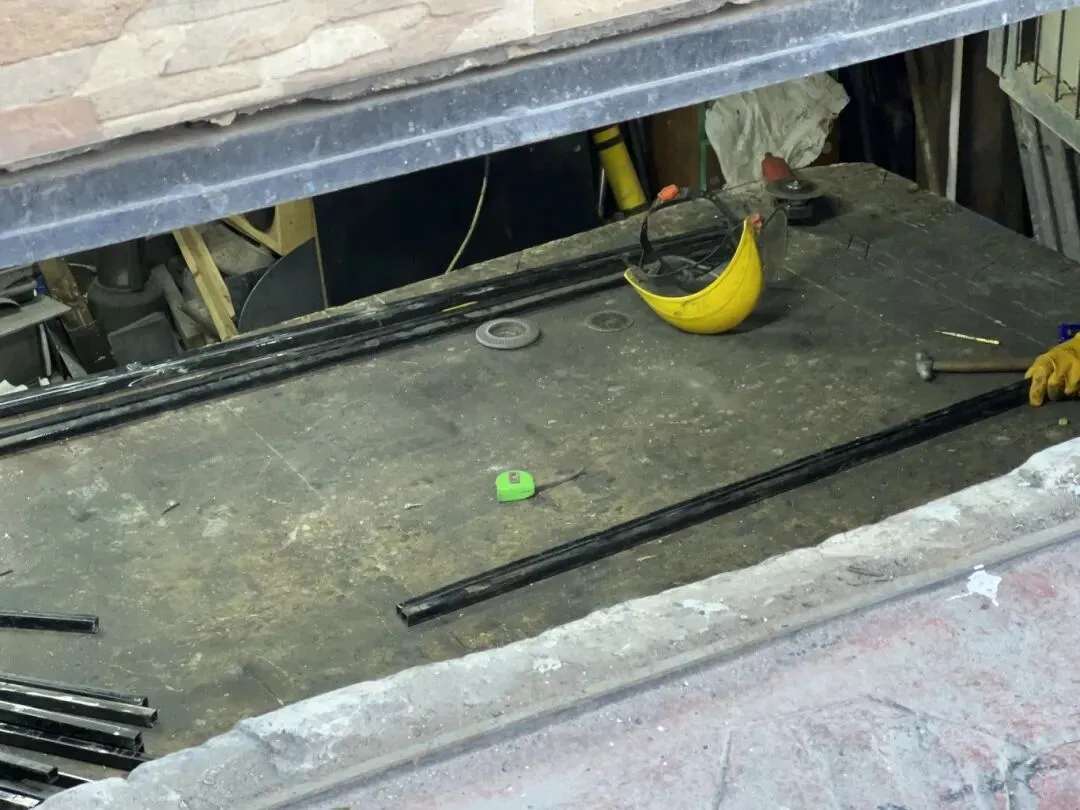
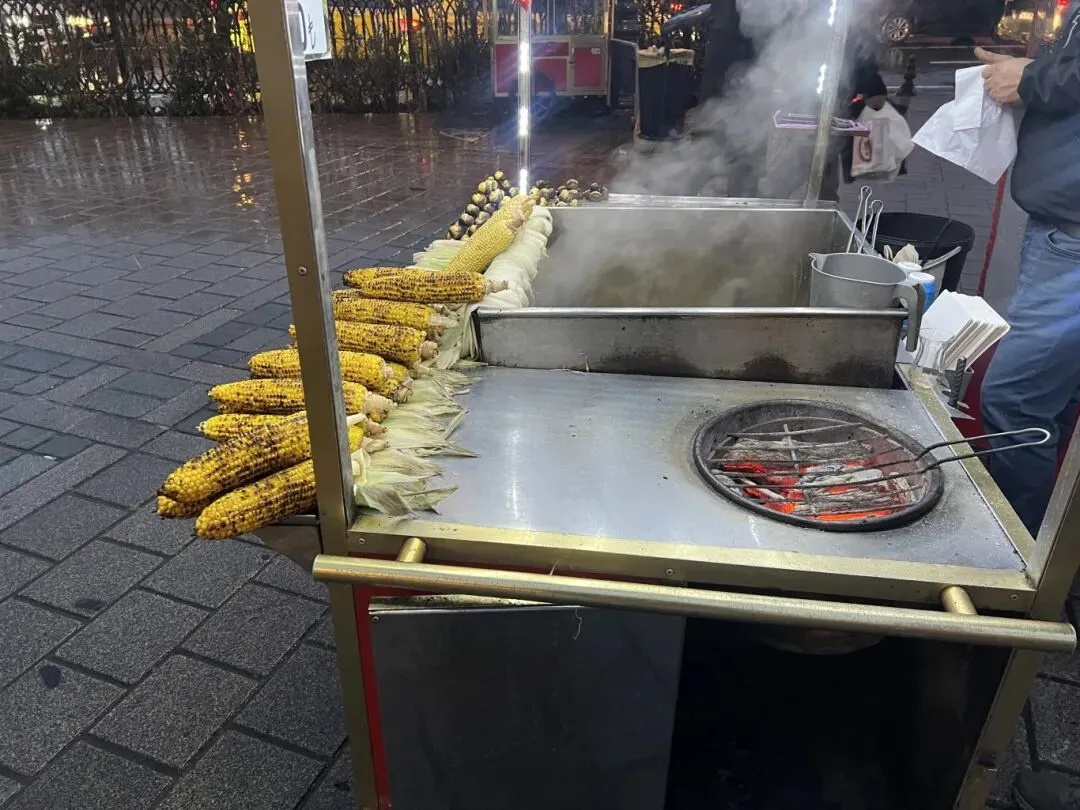
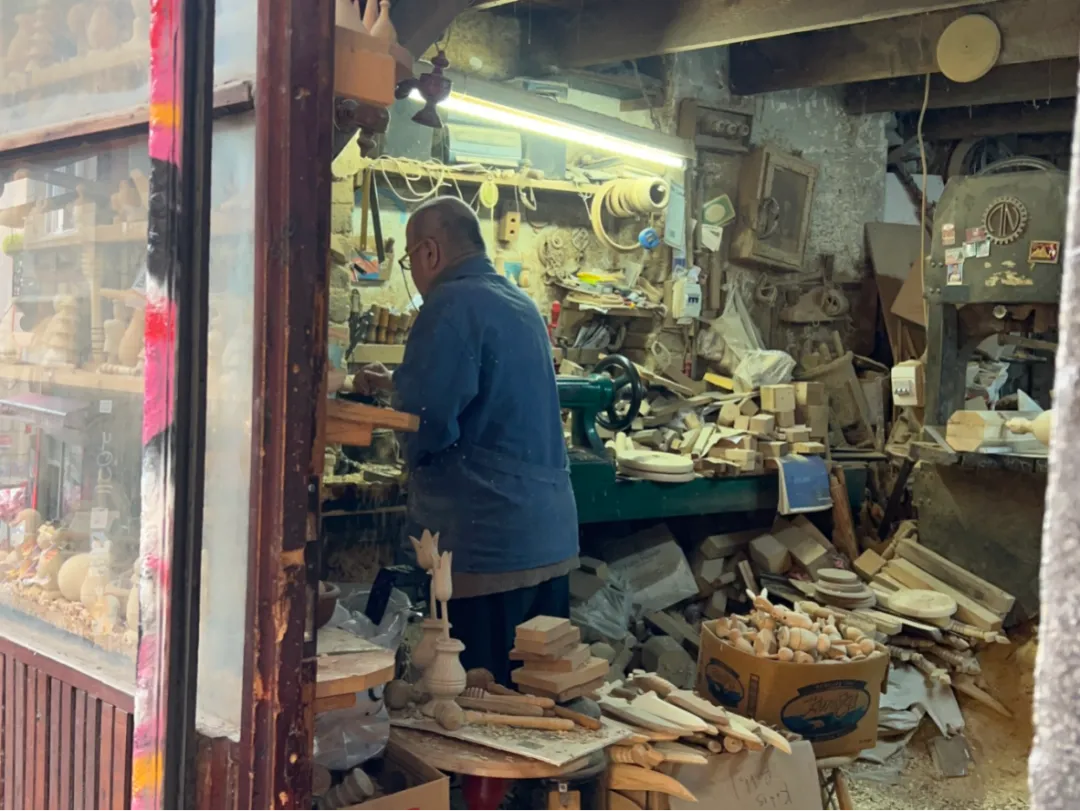
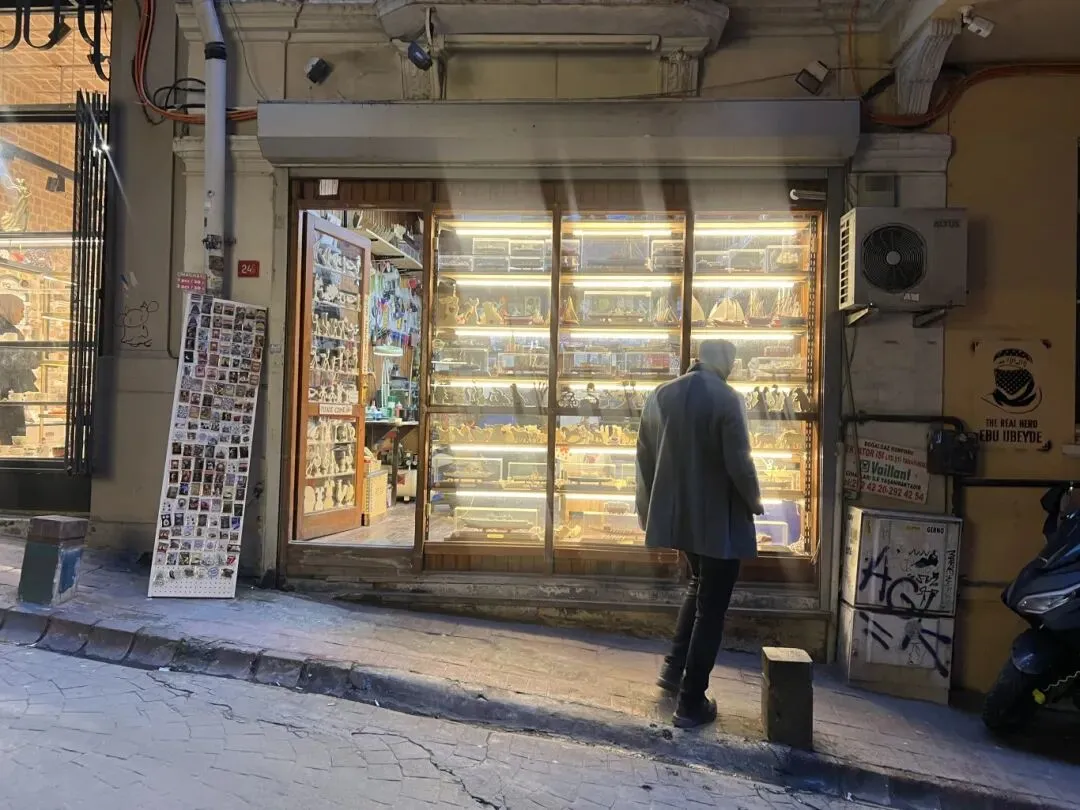
伊斯坦布尔街头的“制作单元” ©王超
(滑动查看更多)
初到伊斯坦布尔,王超就结合他从当地传统市场购入的“材料”,以及从广州带去的元件,即兴制作了一座迷你人造喷泉,布置在“移动公园”第一期的现场。不久后的一个下午,他又在与交叉空间交好的Urban Café外支了一个摊,向人们供应自制的姜撞奶——一种起源于广州番禺的传统甜品。这前前后后的劳作,像是一场一个人的“工作坊”(workshop),也是他向伊斯坦布尔市井生活的一次个人致意。
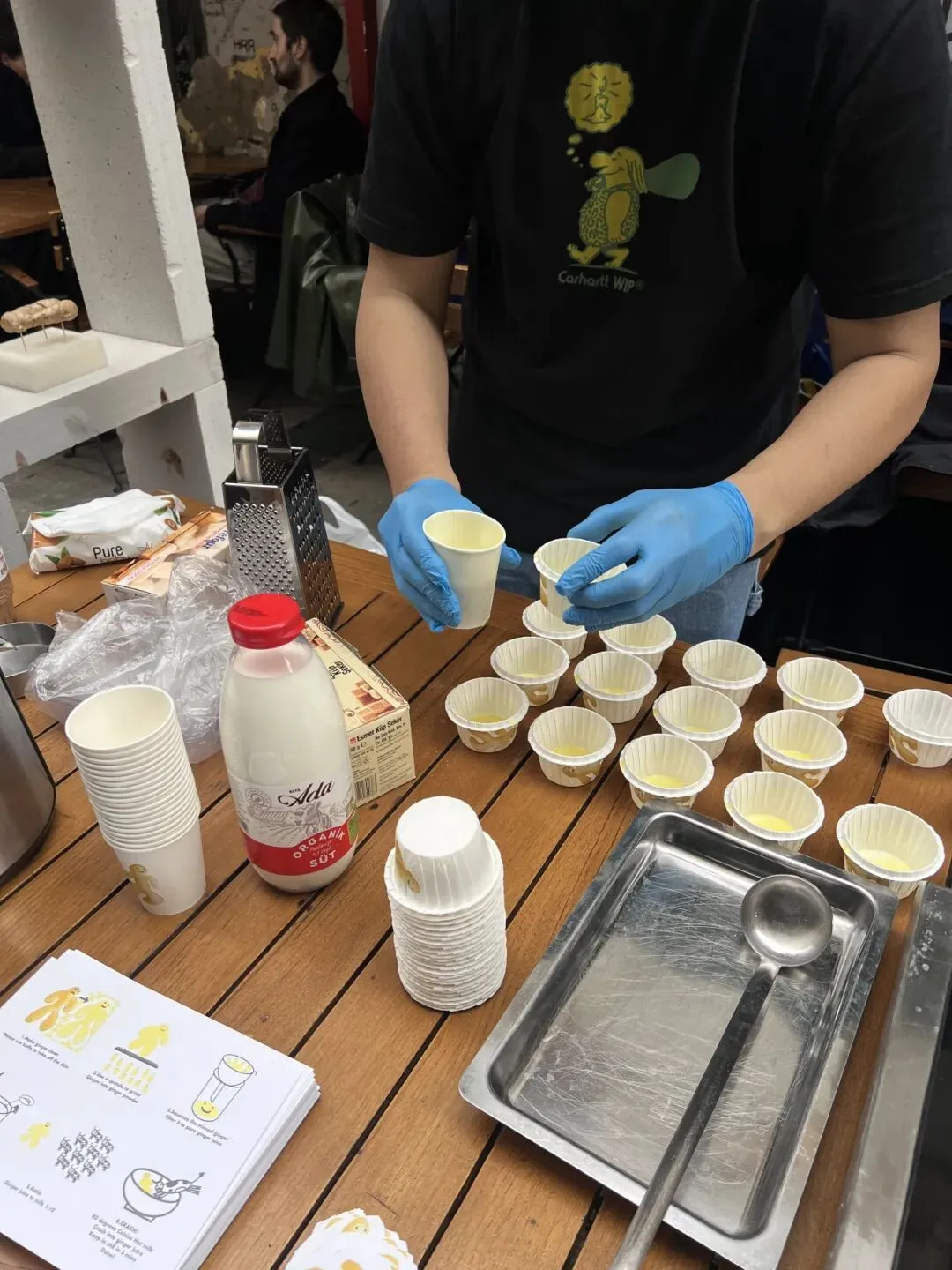
“姜撞奶”工作坊现场 ©子芸
此番展览中,他惯用的芬兰松木仍将以各种形式出现。数量最多的,应该是尺寸不一的即兴木雕——其中一个明确的形象是海鸥——驻留期间,他常一个人乘渡轮往来于博斯普鲁斯海峡各岸,在船尾将掰成小块的Simit(一种芝麻圈面包)抛投给尾随在后的海鸥;某日,他还戴上了特制的面罩——在广州设计、到伊斯坦布尔后组装,扮作“海鸥人”,穿梭在街巷间、水岸旁……
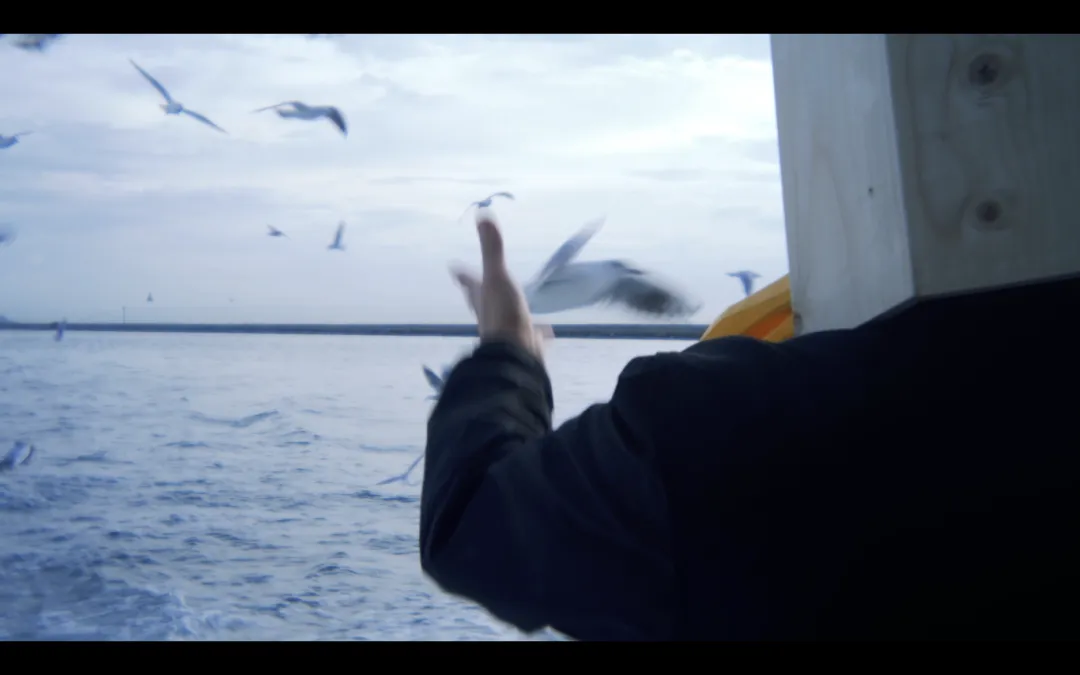
《我爱渡轮,我爱海鸥》,由王超和Marina Vysotskaia合作完成,行为及影像记录,2026
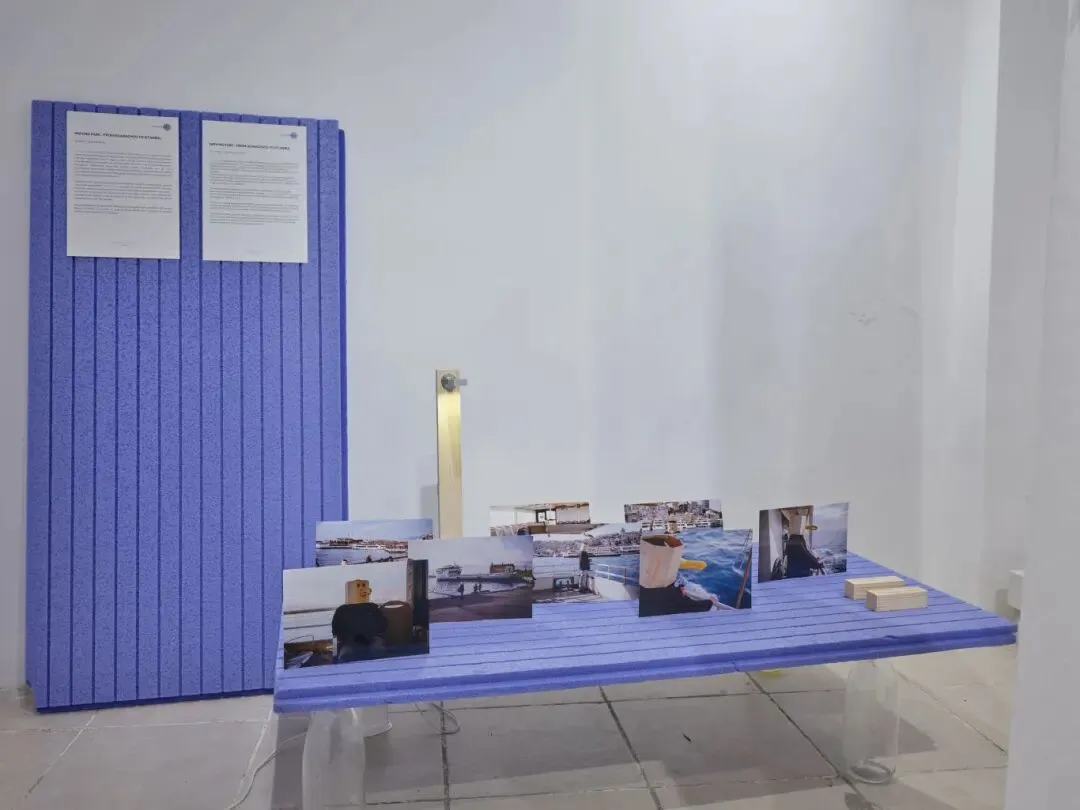
《我爱渡轮,我爱海鸥》,在“移动公园”展览现场以静态图片的形式呈现 ©Baris Özçetin
除了木雕,也有整合了不同功能模块的装置——譬如另一番模样的小喷泉、能连蓝牙的简易“音响”等等。而在作品层面之外,芬兰松还会被加工成针对具体作品的展陈道具——包括用于呈现子芸绘画作品的。
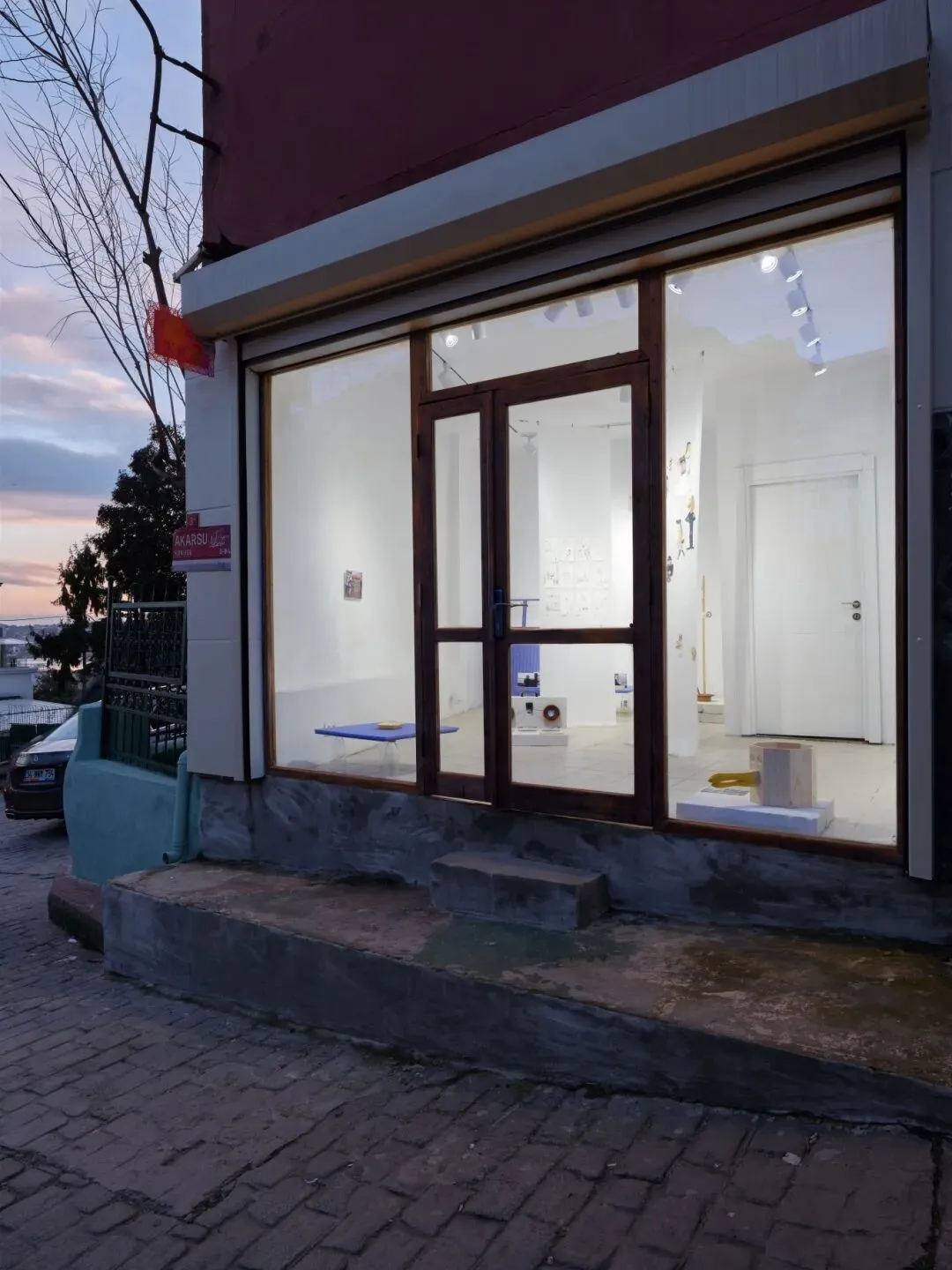
交叉空间与新造空间先后两个展览场地,有一个特别突出的相似点——都因为有大面积的玻璃可视面,而使得室内空间与街道——外部公共空间——产生了强烈的视觉联系。子芸和王超显然注意到了这点,并将通过展览的空间布局予以回应。展期内,新造空间西北角的两面落地窗前,将始终留着数栈夜灯,它们代表着对入室参观的邀请和持续交流的意愿。
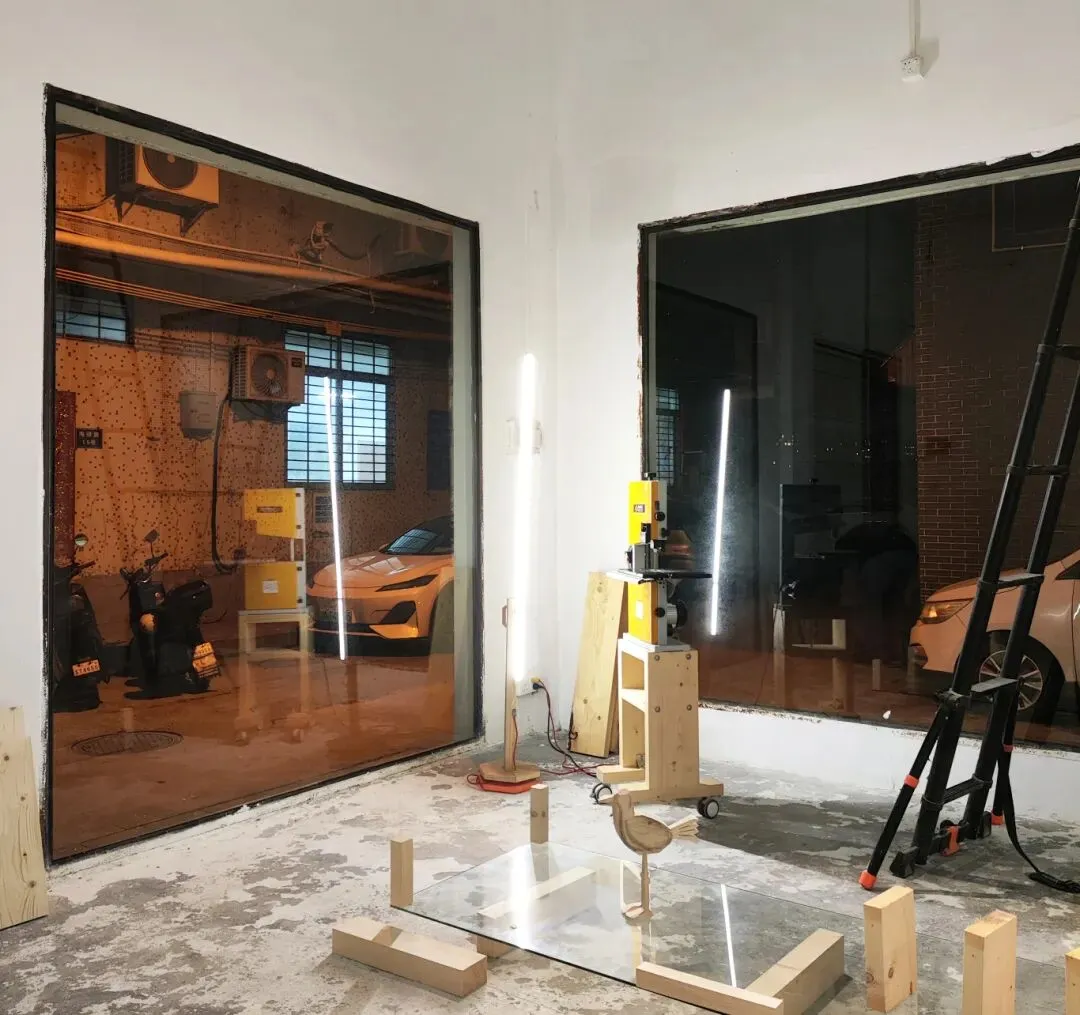
新造空间展厅西北角的两面大窗,布展初期 ©颜晓东
既然在伊斯坦布尔的开幕都有“special treat”,那回到广州了,就更不能少!为此番开幕,王超特别邀请了一位合作者,林强——昔日的“程序猿”,如今的打抛饭餐车主理人。既然是“合作”,那必定不能是单方面的:王超将根据打抛饭的作业需求,为他定制一套全新的便携出摊装备……
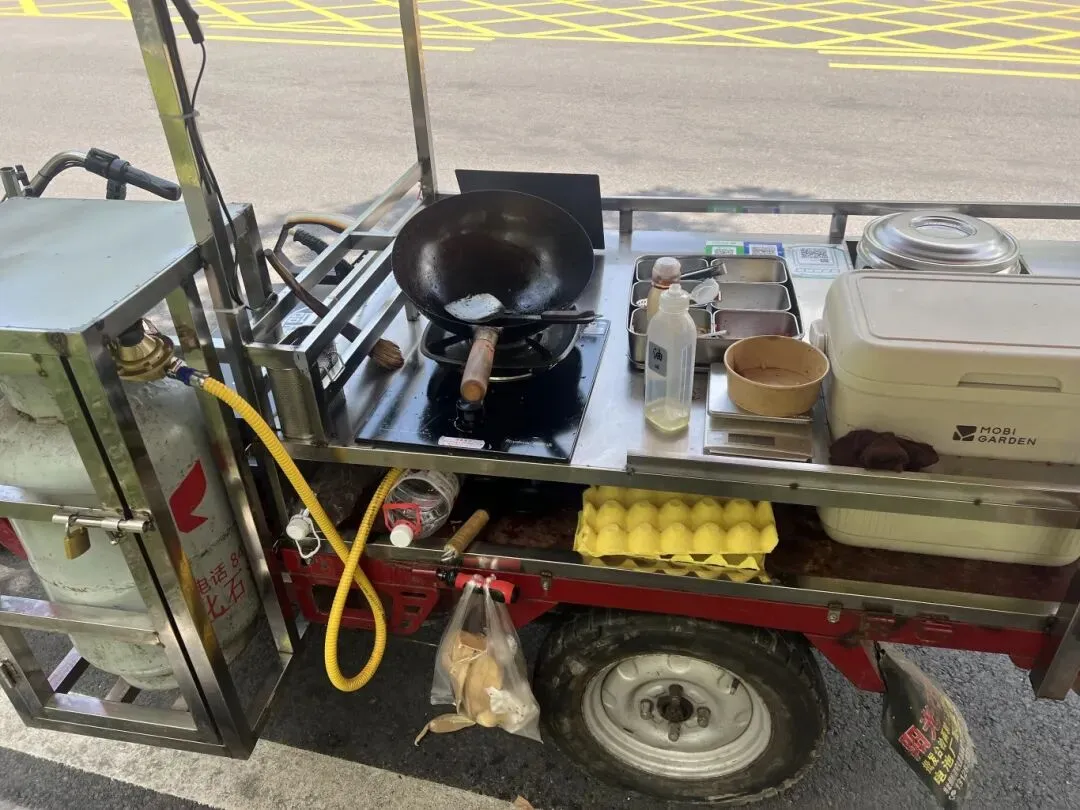
林强自己改造的打抛饭餐车 ©王超
所以,7月6日当天,务必记得早些来看展、吃饭!!
文/颜晓东
[1] 引用自子芸与策展人李佳围绕“结日”系列展开的一次对谈,2023年8月25日,原文参见《SWCAC对话|浮乡的日常-王子芸的“结日”》。

关于艺术家、策展人、合作者
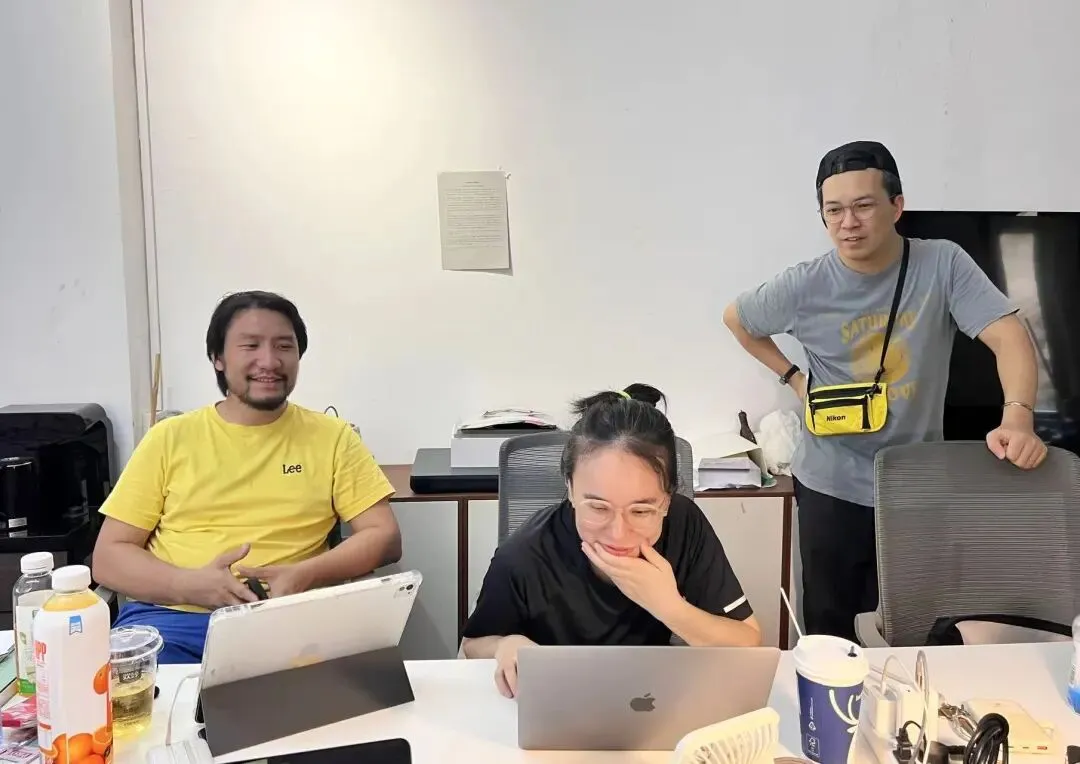
艺术家、策展人三人合影(左起:王超、子芸、颜晓东)©许冰煌
关于艺术家
出生于1986年的子芸和王超生活、工作于广州。他们的实践以游戏的方式回应特定的场所,探讨当下的生活经验。通过微妙的变化和轻柔的扰动,他们的作品试图在日常的紧绷中留置空隙。他们从日常生活、文学空间和艺术史中汲取材料、形式、质地和感觉,并将这些元素编织成可供多层解读的环境。他们的创作涵盖绘画、装置、插画和艺术家书等多种媒介。
关于策展人
颜晓东(b.1981),目前以独立策展人的身份生活、工作于深圳、上海。曾作为机构工作者、驻馆策展人,先后任职于:上海当代艺术馆、上海电子艺术节、香港录映太奇、新时线媒体艺术中心、上海喜马拉雅美术馆,以及“上海种子”项目。
其近年来主要的策展实践有:光阴如影—第二届深圳光影艺术季主题展,2021;在自然与后自然之间的我们,广州美术学院美术馆,2023。
关于特邀合作者
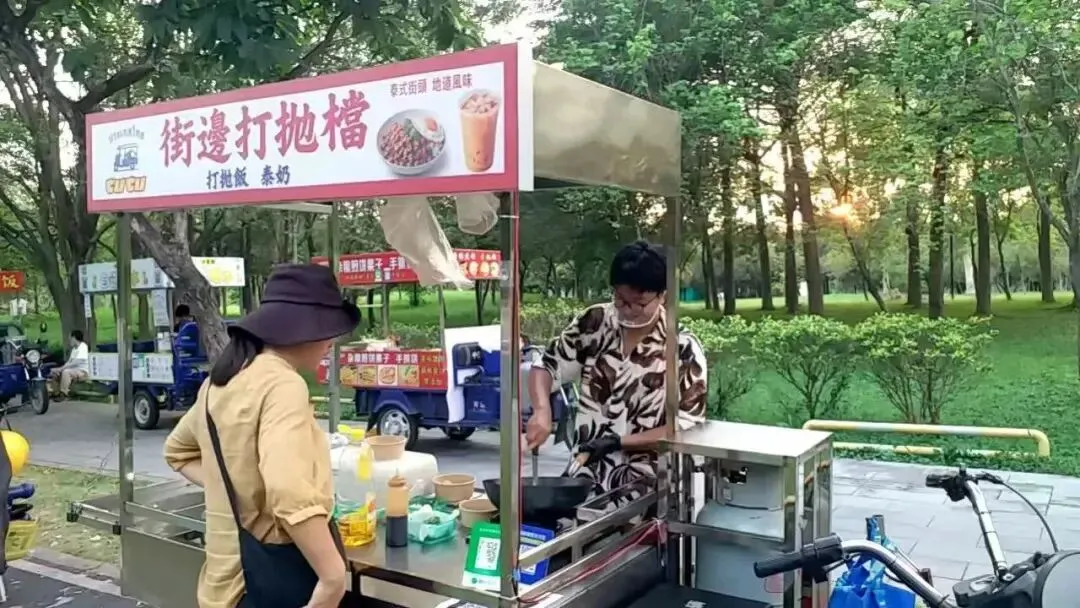
林强在出摊 ©林强
林强,原本是个程序员,现在辞职后买了一辆二手、掉了转向灯的三轮车,改成餐车后流窜在小谷围岛上四处卖打抛饭。
交叉空间(Secant Space)位于土耳其伊斯坦布尔。该机构为从事研究型实践的艺术家提供创作所需的时间、空间与条件。它既是艺术家驻地,也是策展平台与展览空间;但其工作并不局限于固定的物理场所,而是以一种开放、流动的方式,随着不同项目与合作关系展开。
作为一个结构独立的空间,交叉空间更重视那些建立在共同问题意识、持续交流与长期信任之上的合作,在长时间中陪伴艺术家。它并不将展览视为最终目标,而是将展览理解为艺术实践持续发展过程中的一个阶段。

The Moving, The Enduring …
Artist: Ziyun & Wang Chao
Curator: Art Yan
Duration: 2026.07.06 – 08.30
Opening: 2026.07.06 (Mon) 18:00
This exhibition originates from Ziyun and Wang Chao's overseas artist residency, and now marks their return to the daily artistic practice.
On the eve of the Lunar New Year, the two artists concluded their residency program in Istanbul and returned to Guangzhou after a month's absence. At that time, they already had already envisioned a follow-up exhibition. Now, this exhibition will open on July 6 at Making Space, co-presented by Making Space and Secant Space. The latter is the independent art platform that hosted their residency, founded by Eléonore Varone, a Swiss curator and art historian residing in Istanbul.
The idea of a follow-up exhibition has a twofold meaning. First, it follows Moving Park, the exhibition presented at Secant Space during the artists’ residency. Second, it reflects the continuity of a process that naturally evolves from field research in a new environment into artistic production.
Art residency, at its core, is a passionate immersion in an overseas experience. It is possible to have a broader contact through everyday life. What art involves is part of it. On the other hand, residency program usually means that the artist has to endure extreme challenges of multiple tasks running concurrently in unfamiliar environment with limited resources - for instance, Ziyun left her studio and Wang Chao no longer has access to his wood workshop. During this period, "Lost and found" is psychologically inevitable to bear, even repeatedly. In such circumstances, artistic talent or knowledge alone is insufficient; a more solid foundation lies in the "self-awareness" refined in one’s daily practice, a self-awareness based on experience - a kind of consciousness and action that can be sustained by an individual.
This is also what the curator intends to convey through the title of the exhibition: Beyond the vivid and touching aspects of each piece, what deserves further examination are certain characteristics of the two artists' respective practices; the overseas residency – as an event—amplifies these characteristics through specific experiences and personal responses, revealing forms of consciousness and action that become more visible and traceable.
Process-Oriented Practice
As Eléonore points out, "Moving Park" is a "process-based exhibition... the artists' workspace and the exhibition space merge into one”.
On the fifth day after Ziyun and Wang Chao arrived in Istanbul, the first phase of the exhibition opened. On that day, in addition to the exhibited art works they made in Guangzhou, which naturally carried the character of the Canton region, they welcomed visitors with local specialties they had brought from home, including lychee black tea and dried fruit. Subsequently, as new works were created and new materials and elements sourced from local markets were added, the exhibition continuously changed until three days before the artists' return home, when the second phase of the exhibition opened. With both new and old guests arriving, the exhibition once again became a place of exchange, where conversation grew deeper and more animated.
This time, the presentation at Making Space will again be dynamic and multi-layered. The two artists have already arrived about two weeks in advance, bringing with them some of their works, materials and tools. For Wang Chao, in particular, a significant portion of his exhibits will be created on site, the cycle of creation, setup, and adjustments will likely continue throughout the entire exhibition.
This process-oriented practice is not merely an emphasis on "improvisation," nor is it a rejection of formal presentation. Essentially, it reflects the creator's emphasis on and commitment to cultivating their personal artistic qualities.
A Self-Reflective Perspective
Although employing different mediums, the two artists share a similar perspective, and their practices respond playfully to specific sites, engaging with lived experience
In the first phase of the exhibition "Moving Park", Ziyun exhibited a selection from her "Day Ends" series, sketches she created over recent years based on observations of Nancun, the neighborhood where she lives. During her commutes, she often wandered through the streets and alleys of the urban village, observing all sorts of people and events, and occasionally striking up conversations… Back in her studio, she primarily draws from memory, using sketching as a way to respond quickly to her most vivid impressions.
As figurative drawings, the "Day Ends" series does not offer a straightforward depiction of reality; rather, it might be closer to a personal "visual diary". She once mentioned in a conversation: "I... started from a self-reflection perspective, ... observing these people through personal reflection. Therefore, there has to be a prelude that unfolds through self-dialogue, rather than directly treating reality as an object and simply reproducing it without any thought." [1]
This self-reflective perspective cannot be regarded simply as a method; rather, it is more like an inherent capacity. In this exhibition, we will see a new body of work created in the context of Istanbul. Not only will there be a considerable number of sketches, but also several oil paintings, as well as painting installations that represents a new experiment, combining long scrolls and collage techniques.
The Interplay Between Street and Shop Windows
Like Ziyun, Wang Chao enjoys strolling through streets, often lingering for a while. What truly captures his attention are the people and things related to production—especially handicrafts: most notably, various craft workshops. If he's drawn to the finished objects displayed in the shop windows, he can't help but go inside to learn more, even chatting with the artisans—as a fellow practitioner. His observations extend beyond just product manufacturing; he also explores street food, especially various modified mobile food stalls or carts.
Unsurprisingly, his interests are greatly satisfied in Istanbul — due to the local economic realities, level of industrialization, and partial preservation of traditional ways of life, these "production units" based on small-scale businesses still exist in large numbers, some even quite vibrant — particularly those frequented by international tourists.
Upon arriving in Istanbul, Wang Chao combined materials he purchased from local traditional markets with components he had brought from Guangzhou to spontaneously create a miniature fountain, which was exhibited in the first phase of "Moving Park". One afternoon not long after, he set up a stall outside the Urban Café, which has a friendly connection to Secant Space, serving people his homemade ginger milk curd—a traditional dessert from Panyu, Guangzhou. This entire process resembled a one-man workshop, a personal tribute to the everyday life of Istanbul.
In this exhibition, his signature Finnish pine will once again appear in various forms. The most numerous are likely to be impromptu wood carvings of varying sizes—one of which clearly depicts a seagull. During his stay, he often traveled alone by ferry across the Bosphorus, tossing small pieces of Simit (a type of sesame seed bread ring) to the seagulls following behind. One day, he even wore a wooden seagull mask—designed in Guangzhou and assembled in Istanbul, as he wandered through the streets and along the waterfront…
Apart from the wood carvings, there are also installations integrating different functional elements—such as a small fountain in a different guise, a simple Bluetooth speaker, and so on. Beyond the artworks themselves, the Finnish pine will also be used to create exhibition supports for specific pieces—including those used to display Ziyun's drawings and paintings.
The two exhibition venues, Secant Space and Making Space, share a striking similarity: both feature large glass facades that create a strong visual connection between the interior space and the street—the external public space. Ziyun and Wang Chao have clearly recognized this and respond to it through the exhibition layout. During the exhibition period, several stacks of nightlights will remain illuminated in front of the two floor-to-ceiling windows in the northwest corner of Making Space, representing an invitation to visit and a desire for continued interaction.
Special Treat at The Opening
Since there was a "special treat" at the opening in Istanbul, it seems only fitting to have one in Guangzhou. For this opening, Wang Chao has invited a special collaborator, Lin Qiang — a former programmer who now runs a food tricycle serving pad krapow. Since it’s a collaboration, it should not be one-sided: Wang Chao will customize a brand-new set of portable equipment for him, based on the operational needs…
So, on July 6, be sure to arrive early to see the exhibition and have a meal!!
Written by Art Yan
Proofread and polished by Eléonore Varone
[1] Quoted from a conversation between Ziyun and curator Li Jia about the "Day Ends" series. (original text in Chinese), 2023.08.25,
About Artists
Born in 1986, Ziyun and Wang Chao are an artist duo based in Guangzhou, China. Their practices respond playfully to specific sites, engaging with lived experience. Through subtle shifts and gentle disruptions, their work opens spaces of reflection within everyday tensions. Drawing on a wide range of materials, forms, textures, and sensations from daily life, literary spaces, and art history, the artists weave these references into environments open to multiple interpretations. Their artistic practice unfolds across drawing, installation, illustration, and artists’ books
About Curator:
Art Yan (b. 1981), Currently lives and works in Shenzhen and Shanghai as an independent curator.
Before his independent practice, Yan worked with a number of art institutes including: Museum of Contemporary Art Shanghai, Shanghai eARTS Festival, Videotage, Chronus Art Center, Shanghai Himalayas Museum and Shanghai Project.
His latest major curatorial practice include: Within Space-Time, We Walk Through Images – The Thematic Exhibition of The 2nd Edition of GLOW Shenzhen (2021); Us, amid Nature and After Nature, Art Museum of Guangzhou Academy of Fine Arts, Guangzhou (2023)
About Invited Collaborator
Lin Qiang, who was originally a programmer, has now quit his job and bought a second-hand tricycle with its turn signal removed. After converting it into a food truck, he roams around Xiaoguwei Island selling pad krapow.
About Secant Space
Secant Space offers time, space, and conditions for creation to artists engaged in research-based practices. Operating as an artist residency, a curatorial platform, and an exhibition space, its framework remains deliberately mobile, capable of unfolding beyond its physical location. Independent in structure, it privileges collaborations grounded in meaning and duration, accompanying artists over time. Exhibition making is understood as one stage within a broader process, not as an end in itself.
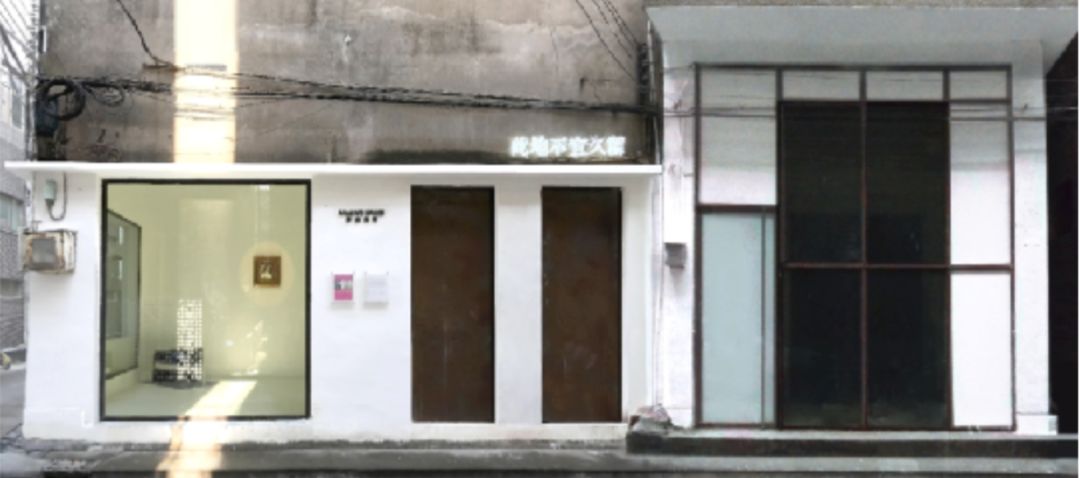
新造空间
新造空间希望着力于关注回归人的艺术和行动。关注个人在复杂环境中,认知、探索、表达、向外拓展的具体实践。关注在社会形态和文化观念急剧变化的时代,个体面对整体趋势、生存困局、主动作出的,有创见性的举动。
新造空间
MAKING SPACE
邮箱: makingspace@163.com
地址:广州番禺区新造镇兴华路5号
开放时间:每周三至周日,10:00-17:30
如需更多信息,请关注我们
For more information, please follow us
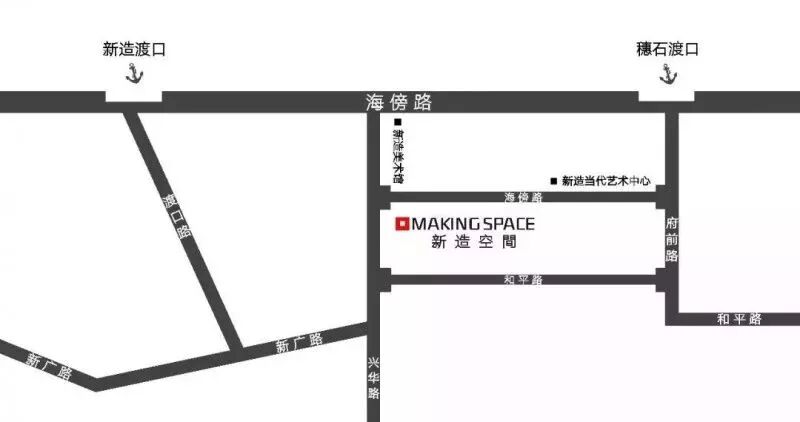
交通指引 TRAFFIC
地址 | Address
广州市番禺区新造镇兴华路5号
地铁 | Subway
4号线新造站A1口,可乘搭公交番85路
至新造市场,步行248米即可到达。
自驾车 | By car
导航 :广州番禺区新造镇兴华路5号