展览预告 | 罗伯特·博西西奥:对影
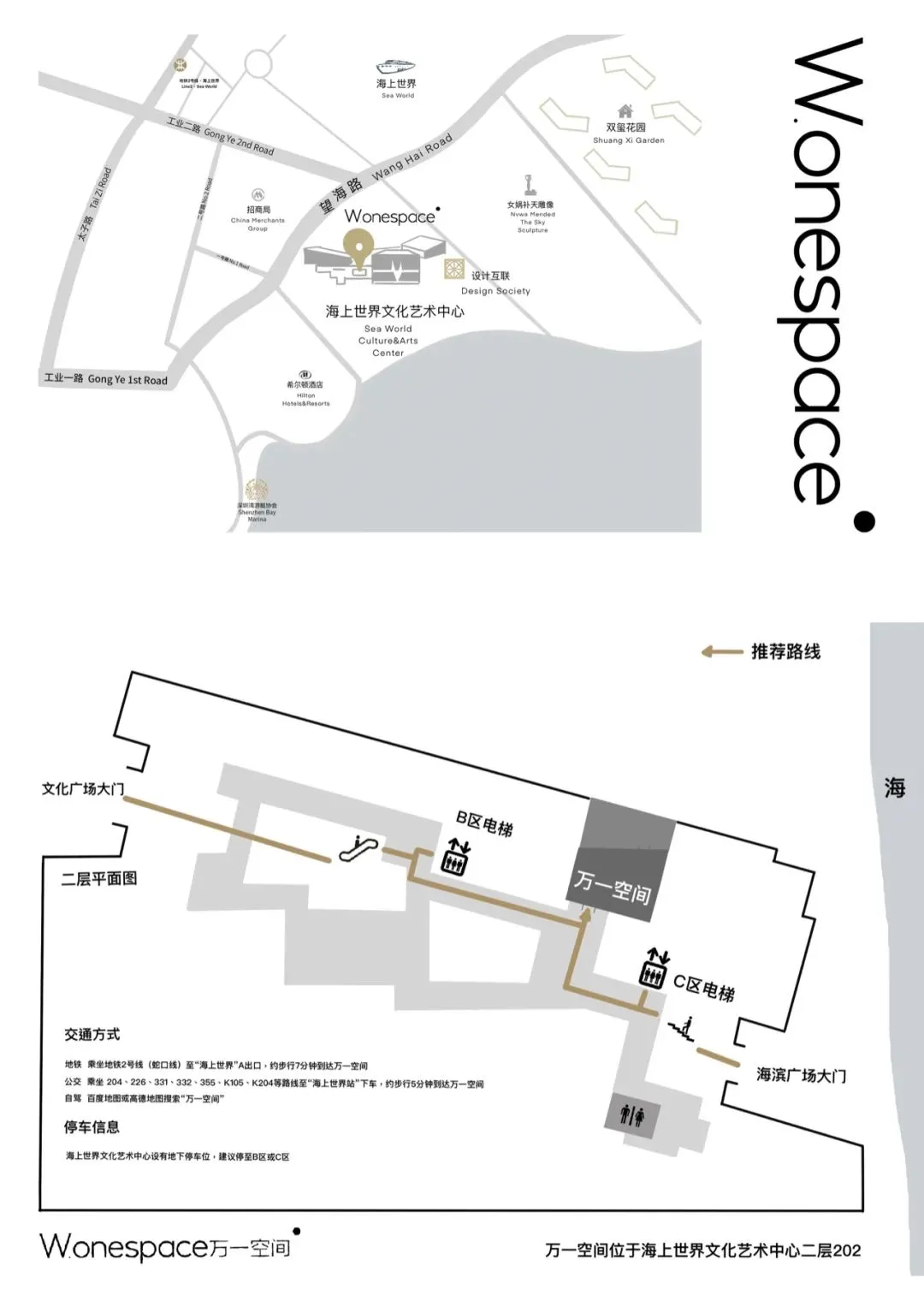
NO.202, 2nd Floor, Sea World Culture & Arts Center, Shenzhen
* Please scroll down for the English version万一空间荣幸呈现意大利艺术家罗伯特·博西西奥(Robert Bosisio)全新个展「对影」(Emergent Third)。展览将首次展出艺术家最新的拼接画(Combination)系列,并与其最具代表性的“室内空间(Interiors)”与“肖像(Portraits)”系列并置呈现,以梳理其近年来围绕色彩互动、平面构成与观看方式所展开的持续探索。 “About the concept, I try to express emotions without an object or telling a story. When I combine two together, I think a new 'third' comes out.” — Robert Bosisio “关于创作理念,我试图在不借助具体对象或叙事的情况下表达情感。当这二者被结合在一起时,我认为会诞生一个全新的‘第三种’表达。” —— 罗伯特·博西西奥展览空间分为三个板块,层层递进地展开艺术家关于绘画结构的思考。
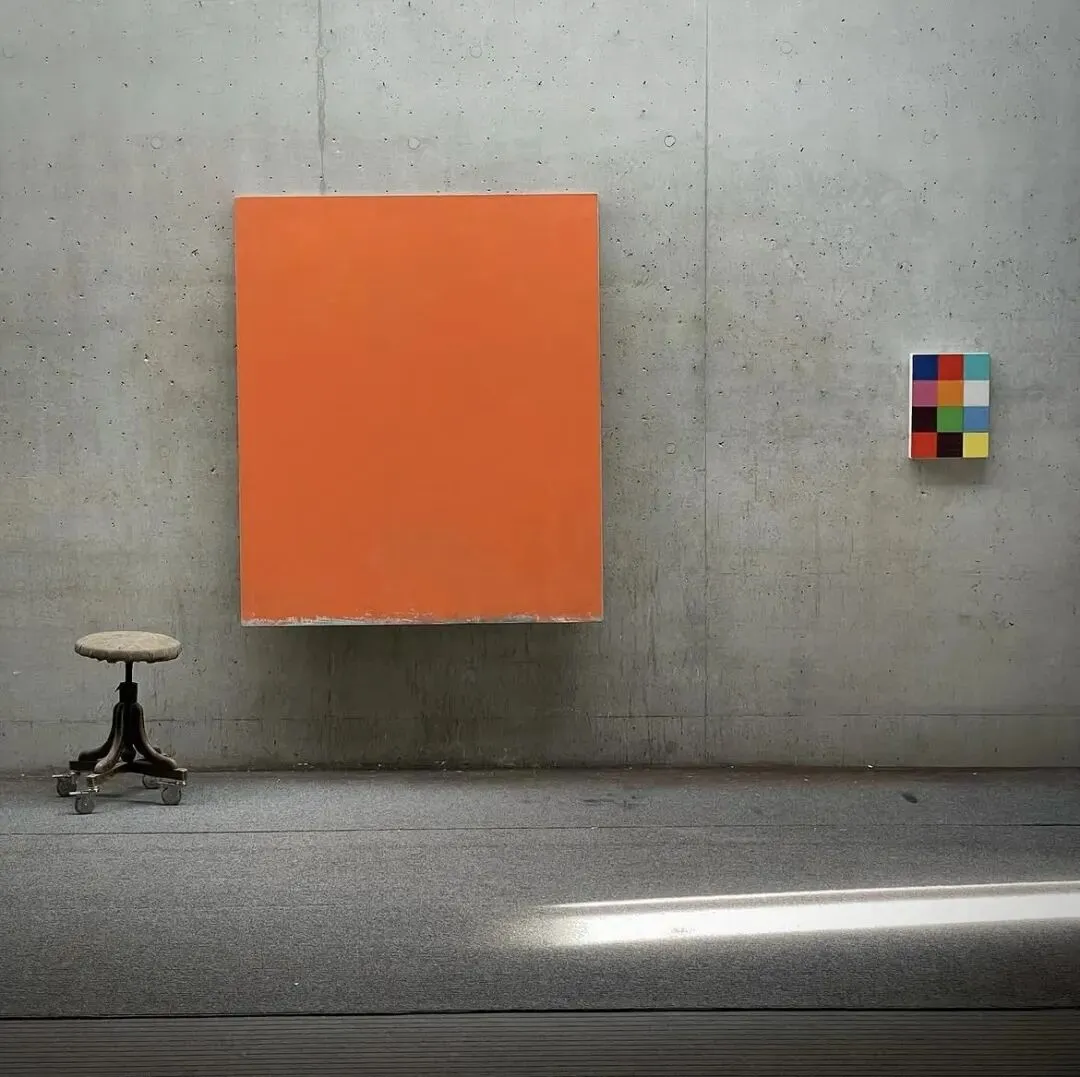
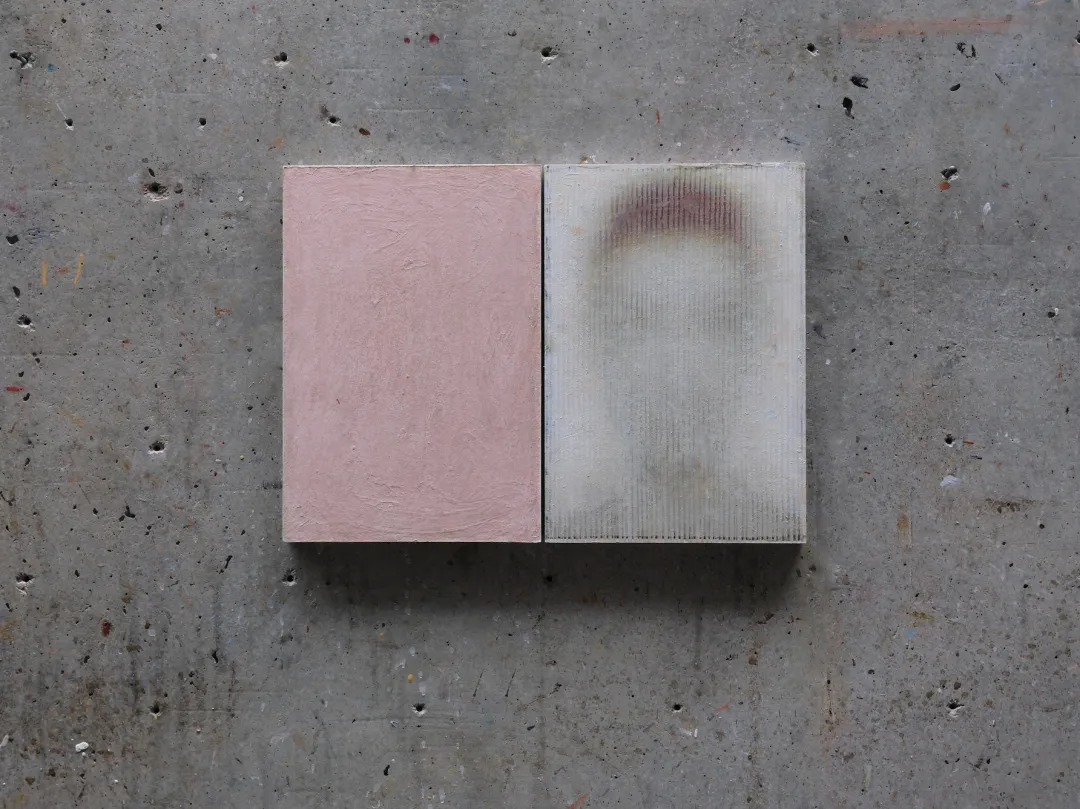
第一部分以艺术家最新的拼接画及单色画系列为主,强调颜色之间的碰撞与结合。同一空间中,两种事物的相遇往往生成第三种关系,这亦是展名「对影」的由来。博西西奥在其工作室中的水泥灰墙面上并列双画的方式,强调图像之间既彼此共存,又相互游离的状态。双画既互为镜像,又揭示着同一画面的双重结构。与过往画作相比,这批新作进一步削弱了图像叙事,提炼出一种略显俏皮的色彩效果:包括粉色,以及饱和度较高的蓝色、橙色、绿色等。其思路可追溯至约瑟夫·艾伯斯(Josef Albers)在《色彩互动学》(Interaction of Color)中提出的观点,即色彩始终处于流动之中,且不断受到邻近颜色的影响。不同的色彩关系不仅改变空间与深度,也直接影响观者的心理感知。A Corner of Robert Bosisio’s Studio ©Robert Bosisio
此处亦将从工作室视角呈现单色画系列何以发端。这部分近似阿比·瓦尔堡(Aby Warburg)《记忆女神图集》(Der Bilderatlas Mnemosyne)中对于图像关系的研究方式。而不同于瓦尔堡偏向具象叙事的图像系统,博西西奥的抽象色块与图像拼接更接近一种带有节奏感的视觉调度。艺术家通过研学古典画作、反复退远观看,并借助镜像等“第三视角”不断审视作品,以拉开自己与原初激情之间的距离。于他而言,作品成立的前提,是其在不同角度下始终保持中立。260305
罗伯特·博西西奥 Robert Bosisio
45 × 71 cm
纸本综合材料,装裱于画板 Mixed media on paper, mounted on panel
2026
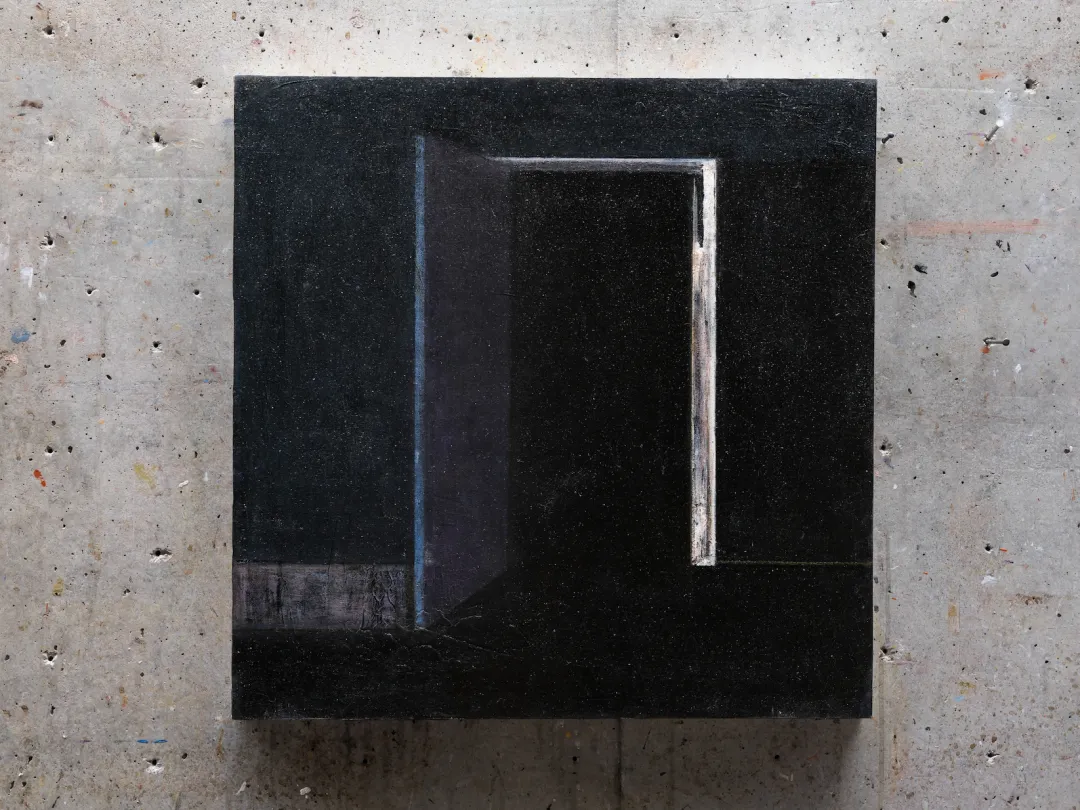
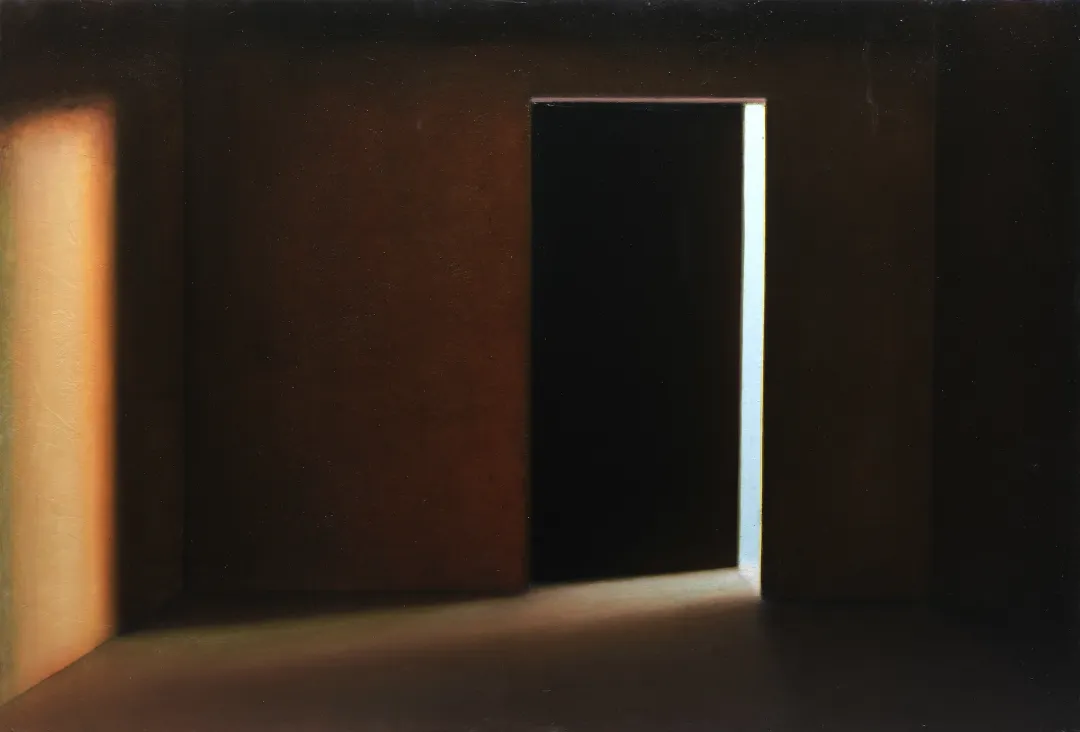
第二部分将其经典“室内”与“肖像”系列交错陈列,重新回到艺术家长期研究的空间结构与光影秩序。文艺复兴时期关于色彩与明暗的研究在他的绘画中持续显现——正色(浅)、负色(深)与中间色彼此交融,门、地平线与人物轮廓与被压低至近乎寂静的环境色调及细微光线碰撞,形成显性的引导线,使观者的视线始终循环于画面内部。与此同时,博西西奥持续在材料与表面之间展开实验,包括油彩、醇酸树脂、蜡、砂子、湿壁画、纸本贴画布、木板与亚麻布等媒介的综合运用。对他而言,一个稳定而准确的底衬,往往决定了后续画面的光感与质地。
260105
罗伯特·博西西奥 Robert Bosisio
60 × 60 cm
布面综合材料 Mixed media on canvas
2026
同样,博西西奥不断在锐化与虚化之间调整画面,使图像与色调居于平衡。作品中没有过分复杂的色彩堆砌,也没有层叠不尽的景深结构,一切回归到简单、冷静与真实之中。近看时,他克制却自由的施笔,回应了提香(Tiziano Vecellio)晚年“浊色法(broken color)”中未调和的中间色;而当观者退远观赏时,这些断续色彩又会在视觉中自动融合,形成单一图像的叙述性幻觉。那些柔和的边缘、朦胧的轮廓与氤氲光晕始终徘徊于画布之上,在画框边沿内无尽往回。
第三部分则进一步趋于安静与缓慢。以经典“室内空间”作品为主,整体色调从前半段较为跳跃的色彩实验,逐渐收束至低饱和度与柔和光线之中,仿若渐进式步入一处冥想的空间。面对足以包裹身体的大尺幅绘画,艺术家选择刻意拉开与情绪之间的距离,而观者则被迫直面自身感知。260304
罗伯特·博西西奥 Robert Bosisio
176.5 × 260 cm
布面油彩、醇酸树脂、颜料 Oil, alkyd resin, and pigment on canvas
2026
展览聚焦于一种在“相对”之中不断生成的观看状态,即并置与偏移、映照与反射。当颜色与图像相遇,它们既彼此独立,又互相牵引,不断生成第三种新的感知经验。无需语言介入,那些看似安静的画面,始终在光影与色彩交织间唤起画外人悲伤、狂喜、荒凉或未知的情绪回响。观者的视线长久停留于其中,直至边界消散、时间趋缓。在持续的凝视之中,观者与画面彼此映照,人将重新从颜色与光影中感知自身与世界之间幽微而寂静的联系,进入完全向内返照的、沉思的自由。
W.ONESPACE is honored to present “Emergent Third”, a new solo exhibition by Italian artist Robert Bosisio. This exhibition marks the debut of the artist’s latest “Combination” series, presented alongside his most representative “Interiors” and “Portraits” works. These works trace his sustained exploration in recent years of chromatic interaction, pictorial composition, and modes of perception.“About the concept, I try to express emotions without an object or telling a story. When I combine two together, I think a new ‘third’comes out.” The exhibition unfolds across three chapters, progressively expanding the artist’s reflections on pictorial structure.The first section centers on Bosisio’s latest “combination” and monochrome paintings, foregrounding the collision and convergence of color. Within a shared spatial field, the encounter between two entities often generates a third relation — a notion that also gives rise to the exhibition title, “Emergent Third.” By presenting paired paintings side by side against the cement-gray walls of his studio, Bosisio emphasizes a condition in which images simultaneously coexist and drift apart. Thesediptychsboth as mirrors of one another and as revelations of the dual structure embedded in a single image. Compared to his earlier works, these new paintings further diminish narrative content, distilling a subtly playful chromatic sensibility instead: pinks, along with highly saturated blues, oranges and greens. This approach can be traced back to Josef Albers’ proposition in Interaction of Color, where color is understood as perpetually in flux and continuously affected by adjacent hues. Such shifting chromatic relationships alter not only spatial depth, but also the viewer’s psychological perception.This segment also traces the emergence of the monochrome series from the perspective of the studio itself. In certain respects, it recalls Aby Warburg’s Der Bilderatlas Mnemosyne and its investigation into relationships between images. Yet unlike Warburg’s more figurative and narrative-based visual system, Bosisio’s abstract fields of color and image juxtapositions approach a form of rhythmic visual orchestration. Through sustained study of classical painting, repeated acts of stepping back from the canvas, and the use of mirrors and other “third perspectives,” artist continually reassesses the work to distance himself from its original emotional impulse. For Bosisio, a painting succeeds only when it maintains a sense of neutrality from every point of view.The second section interweaves Bosisio’s iconic “Interiors” and “Portraits” series, returning to his longstanding investigation into spatial structure and the order of light and shadow. Renaissance studies of color and chiaroscuro continue to resonate throughout his paintings — positive tones (light), negative tones (dark), and intermediary hues merge into one another, while doors, horizons, and bodily contours intersect with subdued, near-silent atmospheric tones and delicate traces of light. These elements generate visible lines of guidance that continually circulate the viewer’s gaze within the pictorial space. Meanwhile, Bosisio persistently experiments with material and surface, integrating oil paint, alkyd resin, wax, sand, fresco techniques, paper mounted on canvas, wood panels and linen. For him, the stability and precision of the underlying support often determine the subsequent luminosity and texture of the image.Likewise, Bosisio continuously negotiates between sharpness and dissolution, allowing image and tonality to remain in equilibrium. His works avoid excessive chromatic accumulation and endless perspectival depth, returning instead to simplicity, restraint and clarity. Viewed up close, his controlled yet liberated brushwork recalls Titian’s late “broken color” technique with itsunblendedintermediary tones; from a distance, these fragmented colors visually merge into the illusion of a singular image. Soft edges, blurred contours, and diffused halos of light linger across the canvas, endlessly receding in the boundaries of the frame.The third section moves further toward stillness and slowness. Composed primarily of the classic “Interiors” works, the overall tonality gradually withdraws from the more vibrant chromatic experiments of the earlier sections into subdued saturation and softened light, as though slowly entering a meditative space. Confronted with monumental paintings large enough to envelop the body, the artist deliberately distances himself from emotion, while the viewer is compelled to confront the conditions of their own perception.The exhibition ultimately focuses on a mode of seeing that continually emerges through relations of juxtaposition and displacement, reflection and mirroring. When color and image encounter each another, they remain both independent and mutually entangled, constantly generating new perceptual experiences. Without the need for language, these seemingly quiet images evoke echoes of sorrow, ecstasy, desolation, or unknown emotions through the interplay of light and color. The viewer’s gaze lingers within them until boundaries dissolve and time slows. Through prolonged contemplation, viewer and image become reflections of one another, and one rediscovers, through color and light, the subtle and silent connection between the self and the world — entering a state of inward contemplation and freedom.请向下滑动文字 Please swipe down the text
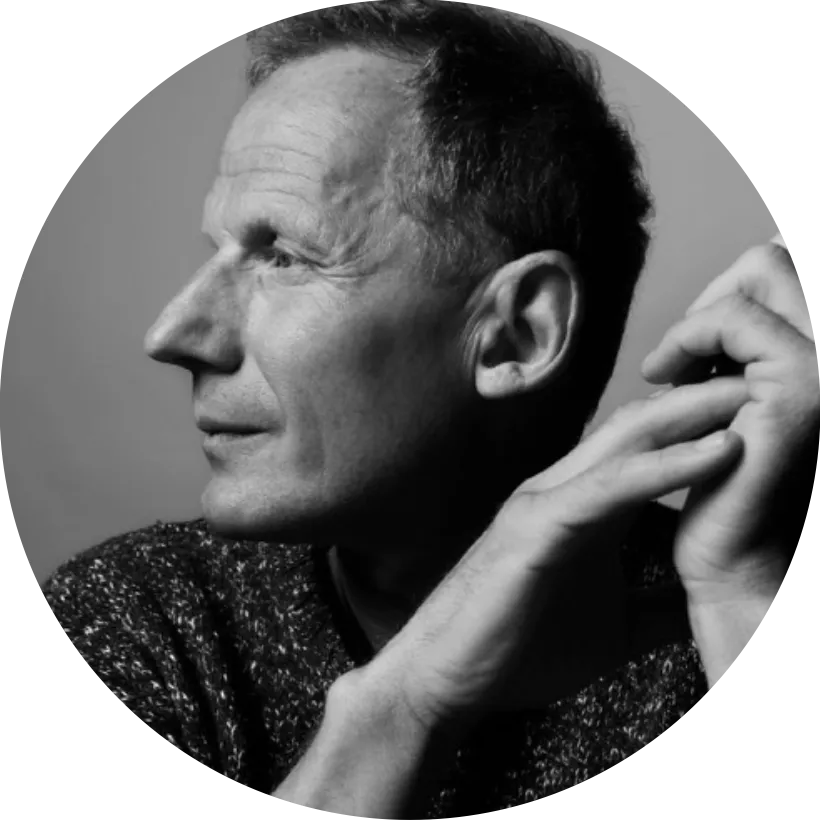 罗伯特·博西西奥(Robert Bosisio)1963年出生于意大利特罗德纳,1988年毕业于维也纳应用艺术大学,师从维也纳行动主义代表人物阿道夫·弗罗纳(Adolf Frohner)教授,现生活与工作于意大利特罗德纳和德国柏林。博西西奥的作品曾数次参与国际重要艺术展览,例如54届威尼斯双年展(La Biennale di Venezia, 2011),英国肖像大赛(BP Portrait Award, 2020)等。其作品也被多家艺术机构以及私人藏家收藏,例如Hugo Voeten基金会等,广受赞誉的奥斯卡获奖电影导演维姆·文德斯(Wim Wenders)也是博西西奥在欧洲的重要藏家之一。“让我的画面保持简单、冷静与真实对我来说很重要。”博西西奥以严肃的方式捍卫绘画的正当性,以独立与恳切的视角探索了绘画的边界。Robert Bosisio was born in Trodena nel parco naturale, northern Italy, in 1963, and graduated fromthe University of Applied Arts Vienna in 1988. He was taught by Professor Adolf Frohner (1934-2007), a representative of Viennese Actionism. He currently lives and works in Trodena nel parco naturale, Italy and Berlin, Germany.Robert Bosisio's paintings have been exhibited in many critical international exhibitions, such as the 54th International Art Biennale Exhibition Venice, the 2020 British Portrait Competition, etc. They are also collected by art institutions and personal collectors, such as the Hugo Voeten Foundation and best director of the Cannes Film Festival, Wim Wenders, who is also one of the most important European collectors of Robert Bosisio."What matters to me is that my paintings remain simple, quiet and objective."("Mir ist es wichtig,daB meine Bilder einfach, ruhig und sachlich bleiben.") Robert Bosisio seriously defends thelegitimacy of painting, exploring its boundaries from an independent and earnest perspective.
万一空间是由三位90后艺术从业者在深圳创立的艺术空间。其诞生于疫情席卷全球的2020年,在后疫情时代涌现对艺术与生命的全新思考。空间致力于消解当代与古代的边界,融合美学研究逻辑下的现当代与古代艺术,构建一个不同国家、时期和形式的艺术在同一语境下共容的场域。W.ONESPACE is an art gallery founded in Shenzhen by three Generation Y art practitioners. It was established in 2020 during the outbreak of the COVID-19 pandemic. New perspectives on art and life have emerged in this post-pandemic era. W.ONESPACE aims to melt the boundaries between present, future and the past by mixing contemporary and ancient art under the logic of aesthetic research, thus bringing together arts of different countries, different periods and different forms to interact and express in unity as ONE.
weonspice为一个灵感、冲动和际遇碰撞交错的实验场,这里有灵机一动、不切实际或偶尔严肃的思考和行动。