
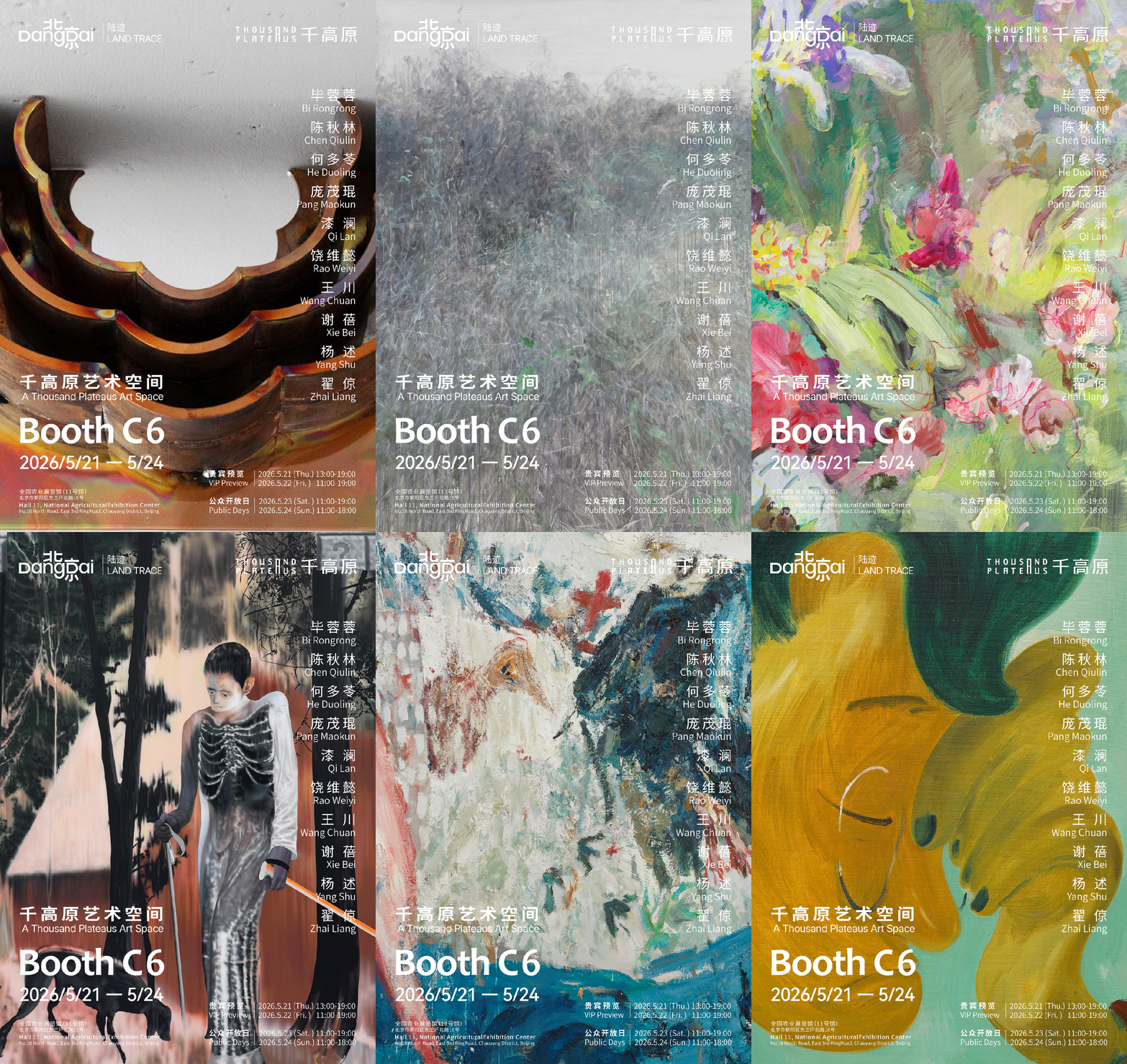
2026北京当代艺术博览会
2026 Beijing Dangdai Art Fair
展位号 Booth | C6
千高原艺术空间欣然宣布参加2026北京当代艺术博览会,我们将于2026年5月21日至5月24日呈现毕蓉蓉、陈秋林、何多苓、庞茂琨、漆澜、饶维懿、王川、谢蓓、杨述、翟倞等艺术家的绘画、摄影作品,展位号 C6。
A Thousand Plateaus Art Space is pleased to announce its participation in the 2026 Beijing Dangdai Art Fair. From May 21st to May 24th, we will present paintings by artists Bi Rongrong, Chen Qiulin, He Duoling, Pang Maokun, Qi Lan, Rao Weiyi, Wang Chuan, Xie Bei, Yang Shu, Zhai Liang at Booth C6.
亮点推荐
Highlights
毕蓉蓉
Bi Rongrong
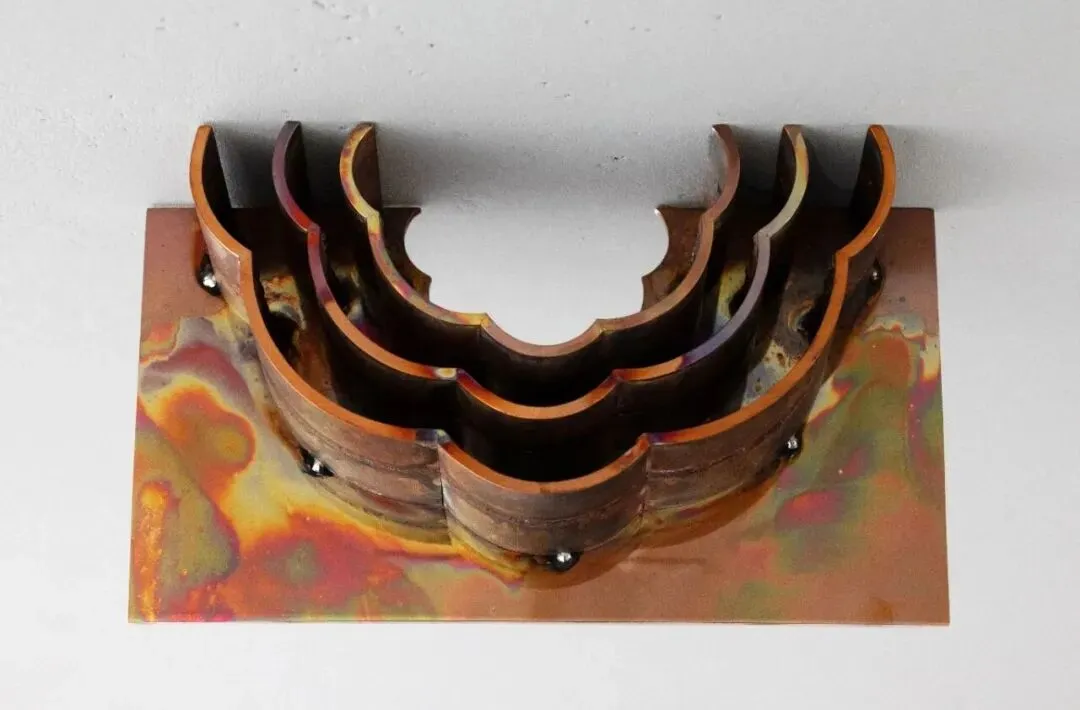
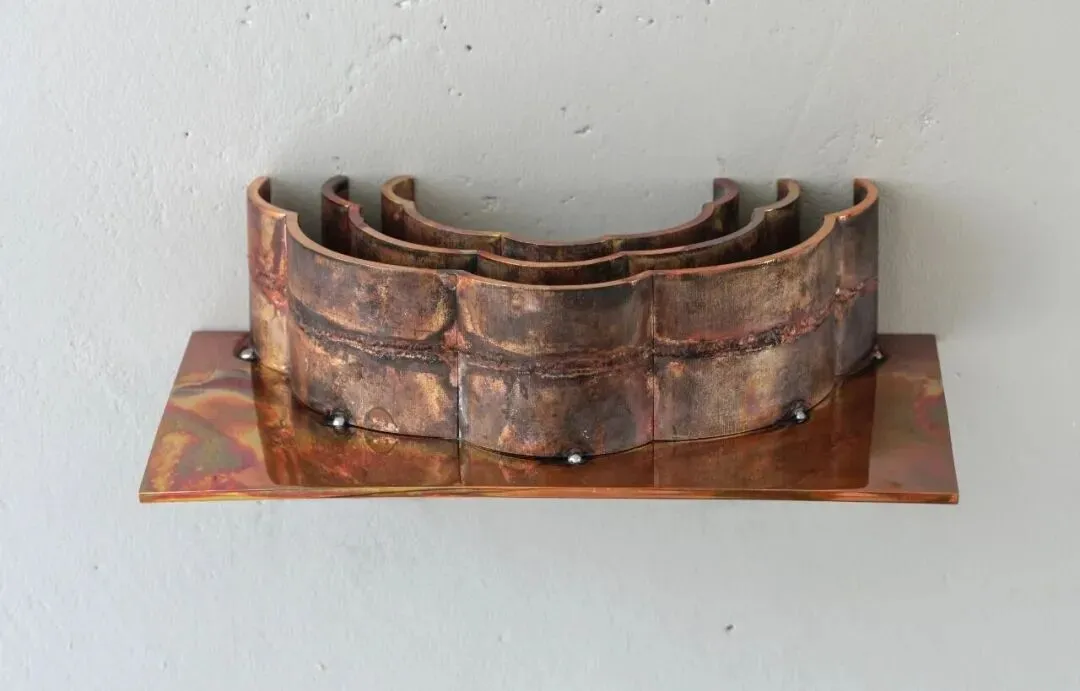
▲毕蓉蓉,南方·北方--移动的建筑-八极纹,紫铜板,铜板上纳米清漆,8(H) × 33(W) × 18(D) cm,2026 ©艺术家及千高原艺术空间
Bi Rongrong, The South · The North – Moving Architecture –Half of the Eight-directional Pattern, Copper plate, nano-varnish on copper plate, 8(H) × 33(W) × 18(D) cm, 2026 © Courtesy of the Artist and A Thousand Plateaus Art Space
系列作品《南方· 北方》(The South · The North, 2026) 延续了艺术家“希克奖2025”作品《去连接、去凿洞、去抽纱》(To Connect, To Cut, To Draw, 2025) 中对纹样的研习,以铜板、回收的牦牛帐篷布、机器织物和手工织物为创作媒介,反复探索柔软与坚硬的两种材质之间所代表着的不同劳作方式之间的互换、互补与互通。作品中,金属结构这类工业元素与柔韧的织物和纤维相结合,创造出介于刚性和脆弱性之间的形态。通过艰苦的工艺——弯曲、焊接、缝合和编织——这些作品凸显了身体与物质之间的物理互动。这些动作将时间和精力铭刻在材料表面,使之既成为结构又成为皮肤。通过并置,毕蓉蓉探索了材料如何承载劳动的痕迹,同时处理强度与脆弱性、持久性与转变之间的张力。
陈秋林
Chen Qiulin
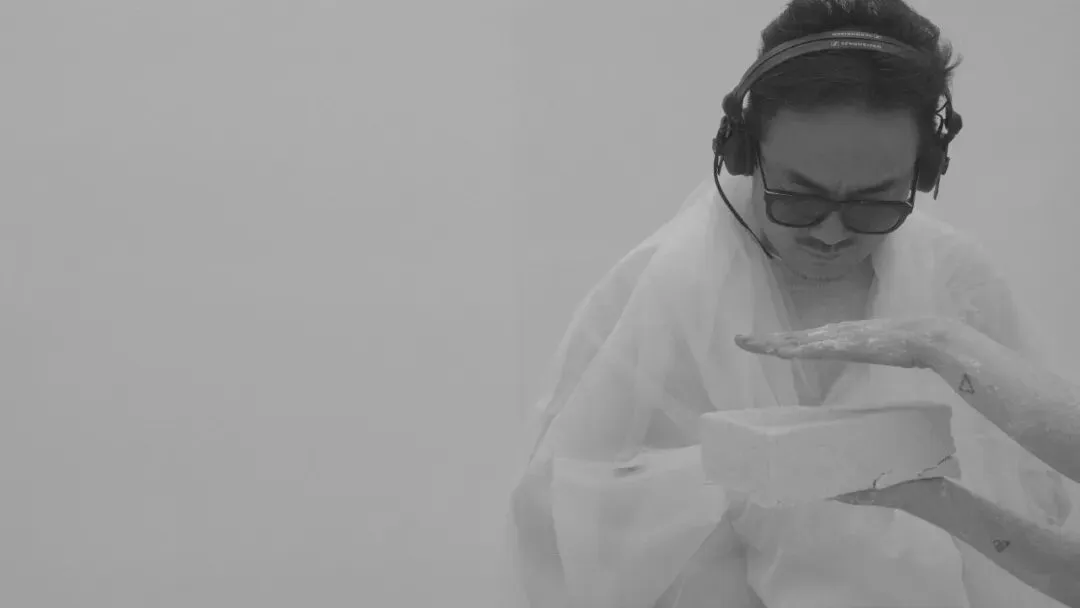
▲陈秋林,溺– 行为表演摄影14,哈内姆勒摄影纯棉美术纸,艺术微喷,50.5 × 90 cm,2021 ©艺术家及千高原艺术空间
Chen Qiulin, Drown - performance photograph 14, Hahnemuehle Photo Rag 308gsm, Giclée Print, 50.5 × 90 cm, 2021 © Courtesy of the Artist and A Thousand Plateaus Art Space
陈秋林,1975年生于湖北省宜昌市,现工作生活于成都。2000年毕业于四川美术学院版画系。她的作品涵盖录像、摄影、装置和雕塑在内的各种媒介,创作始终处于一种不断发展和推进的状态中,在频繁论述的问题中引入全新的观点和视角,对于社会问题拥有独特的敏感度。
《溺》(Drown, 2021)延续了陈秋林自2003年来对以豆腐作为创作媒介及文化符号的创作探索。作品通过豆腐,这一极具代表性的东方食物,投射出艺术家对其所在本地文化及身份的思考。 现场那从用以制作豆腐的模具中抽象而出的木质装置与当时全球疫情下的地缘禁锢建立起微妙的联系, 伴随女性表演者在该木质装置中的肢体实验 —— 她的肢体与豆腐进行不断触碰、交缠与对抗,呈现给我们的是一场悲壮的抗争,仿佛像折断翅膀的鸟儿却依旧逆风而行。而那因肢体在对抗过程中发出的哼唱与声响, 骤然撕裂了那份无力的脆弱与挣扎,从女性的角度揭示了当代社会下的脆弱与抗争。
何多苓
He Duoling
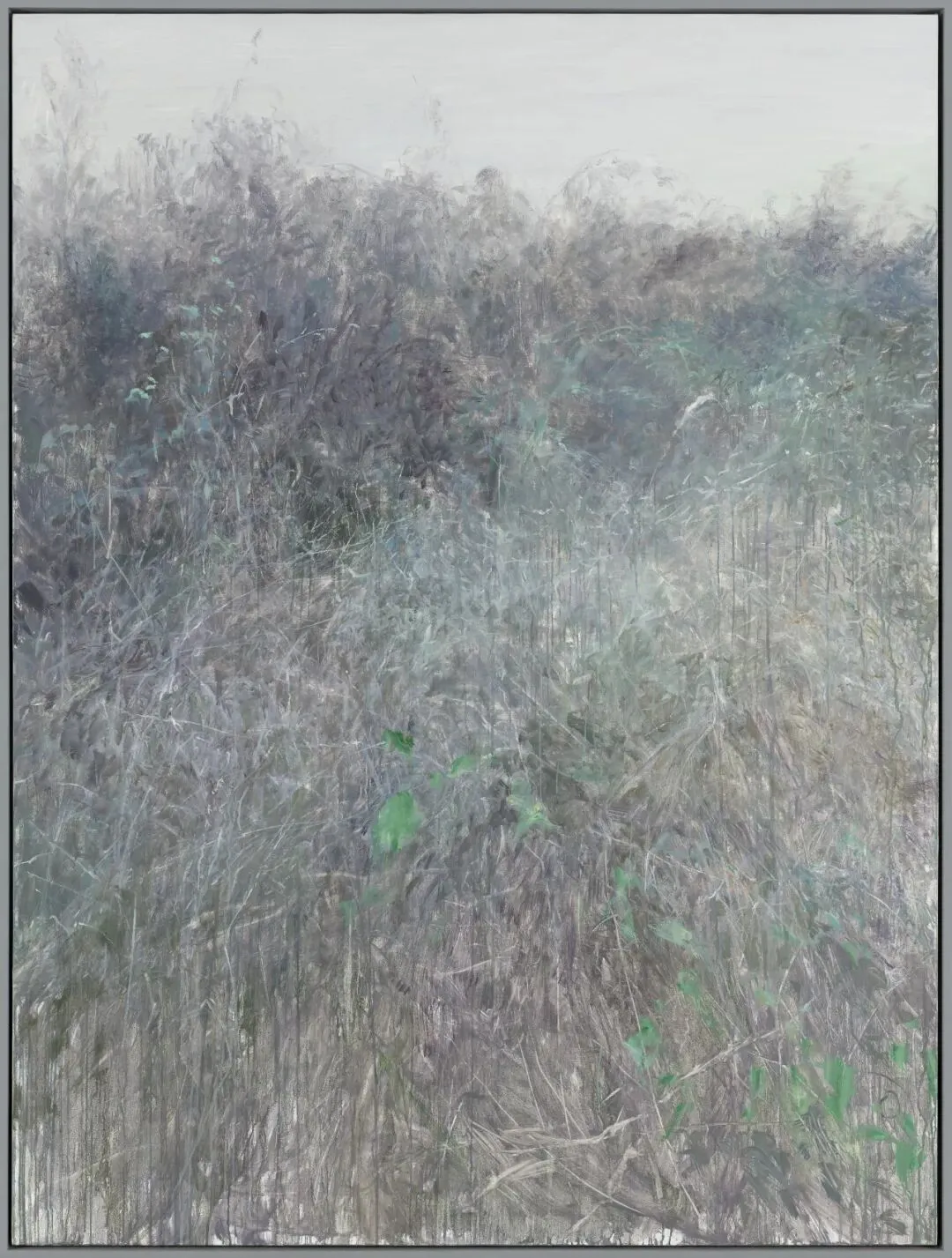
▲何多苓,原上草No.2,布面油画,200 × 150 cm,2020 ©艺术家及千高原艺术空间
He Duoling, Grass on the Meadow No.2, Oil on canvas, 200 × 150 cm, 2020 © Courtesy of the Artist and A Thousand Plateaus Art Space
何多苓,1948年出生于四川成都,1977年考入四川美术学院油画专业,1979年进入四川美术学院油画系研究生班学习,毕业后在成都画院从事油画创作,现工作生活于成都、深圳。何多苓是中国当代抒情现实主义油画画家的代表,他的艺术深具诗性,重绘画性,于唯美与优雅中透出感伤,追求无拘无束的自由。他造型功底扎实,笔下人物与景象生机勃勃。在形式语言上,他对单纯感的追求与中国传统水墨异曲同工,洗练中见细致,单纯中显复杂,透露出超然的精神境界。
《原上草》(Grass on the Meadow)系列是何多苓在特殊时期创作的作品。当时艺术家大部分时候只能在工作室的院子里作画。为了寻找绘画素材,他会独自驱车前往成都的郊区寻找风景与灵感。他发现成都的郊野变成了一个没有人烟的城市,像某种后人类时代下荒芜的世界。因此,何多苓尝试在画面上将这种空寂表达出来,一种真正的“空”。
何多苓将该系列称为“不是风景的风景”。他认为从风景画的角度来看,黑乎乎的树林和荒草是不具有美感的,但艺术家相信草是一种具体的存在。成都郊区的野草生长得极为茂密,且蔓延无际。它们有自己的节奏与韵律,在彼此适应中争夺着能量与地盘,几乎将天空遮蔽,这呼应着人类的生存处境。何多苓始终以平等的宇宙观审视自然与生命,这种观念正是源自中国古代哲学与美学对他的深层滋养。
庞茂琨
Pang Maokun
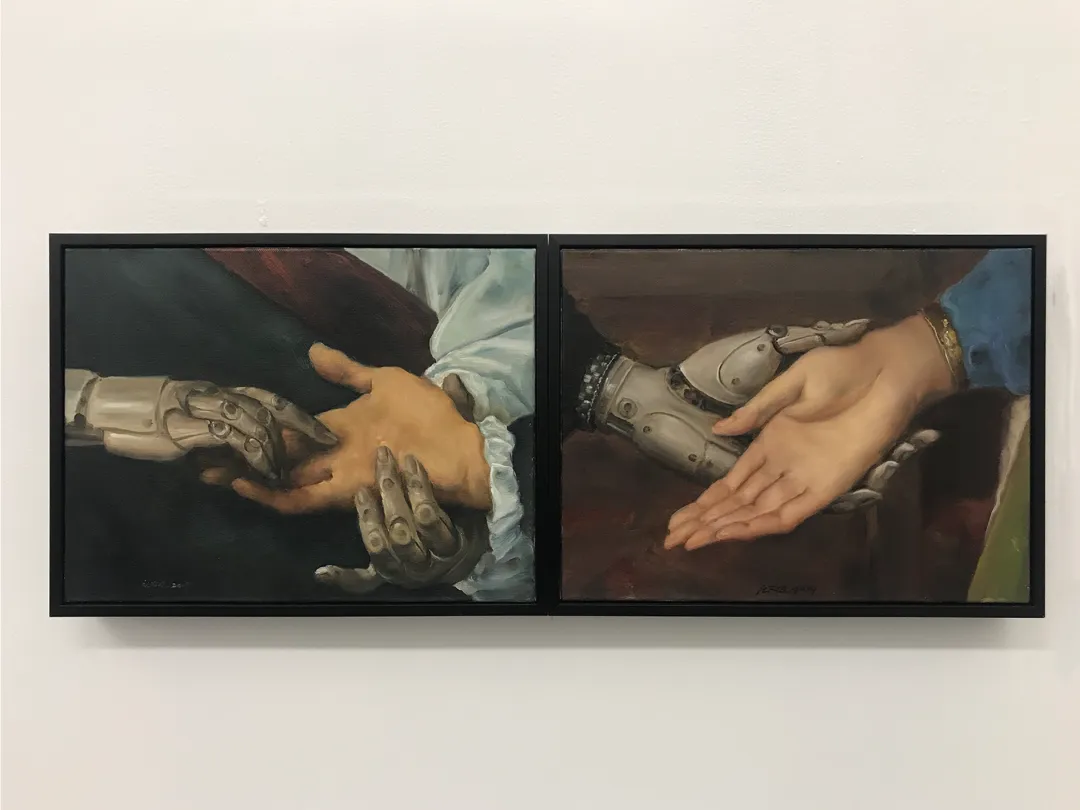
▲庞茂琨,命运· 牵手,布面油画,30 × 40 cm × 2,2019 ©艺术家及千高原艺术空间
Pang Maokun, Dustiny · Hand in hand, Oil on canvas, 30 × 40 cm × 2, 2019 © Courtesy of the Artist and A Thousand Plateaus Art Space
庞茂琨,1963年生于重庆,1978年至1981年就读于四川美术学院附中,1981年至1988年就读于四川美术学院油画系并获油画专业硕士学位,现为中国美术家协会副主席、重庆文联副主席、重庆美术家协会主席、中国美术家协会油画艺委会主任、四川美术学院博士生导师、上海大学美术学院博士生导师、西安美术学院博士生导师。
漆澜
Qi Lan
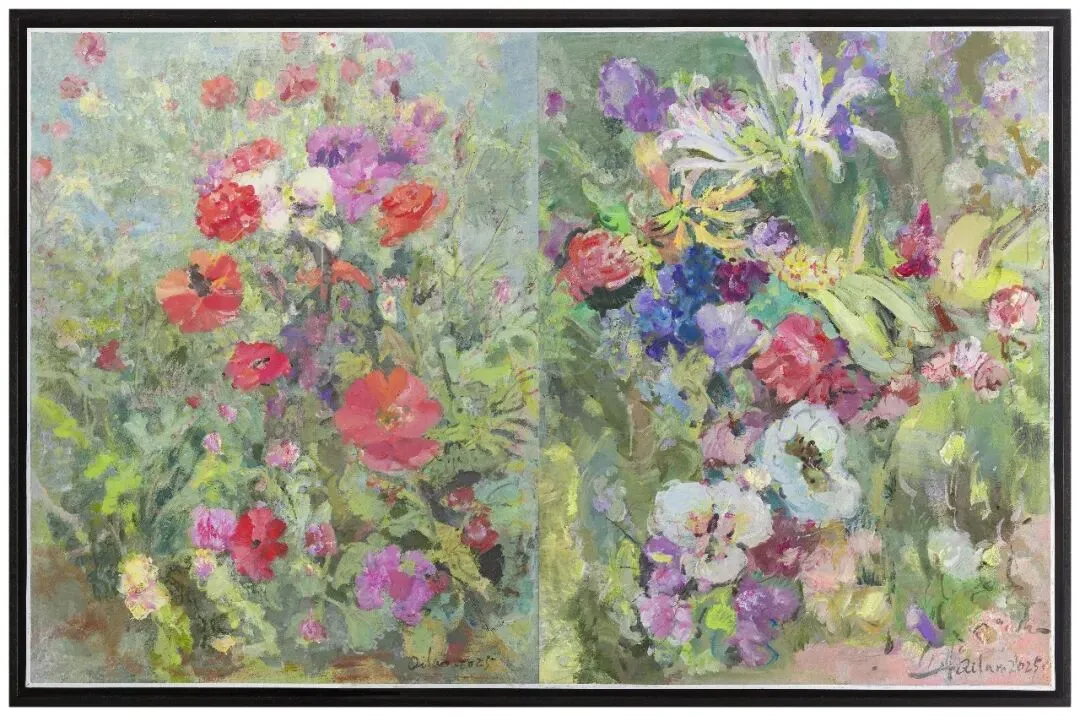
▲漆澜,致巴黎2025之一,纸本综合材料,69.2 × 107.5 cm (w/fr: 74 × 112 × 6 cm),2025 ©艺术家及千高原艺术空间
Qi Lan, To Paris 2025 No.1, Mixed media on paper, 69.2 × 107.5 cm (w/fr: 74 × 112 × 6 cm), 2025 © Courtesy of the Artist and A Thousand Plateaus Art Space
漆澜,1973年生于四川安岳,1996年毕业于重庆西南师范大学美术学院中国画专业;2001年毕业于南京艺术学院美术学院中国画系获硕士学位,师从方骏教授;2007年师从王孟奇教授攻读美术学博士学位。2001-2018年供职于上海书画出版社,曾任《艺术当代》杂志副主编。现为职业艺术家,生活、工作于上海、重庆。
《致巴黎》(To Paris, 2025)系列作品灵感源自于2025年漆澜与家人的法国之行。在过去几年中,艺术家对“花朵”这一母题的持续创作直接对应着他对语言与形式、生命与美学的认知。他曾以致敬之名,与赵之谦、黄宾虹、德拉克洛瓦、塞尚、博纳尔以及凡·高等先贤对话,如果说那时还带有古人的影子的话,那么在近作中则倾向于自我语言建构的成分更多。该系列不仅再次表现出艺术家对花朵符号的偏爱,同时更加突出了其自我经验与记忆是如何自然而然地在画面上生根发芽、开枝散叶。这推动了他那略显晦涩的语言探索呈现出更加清晰合理的逻辑,也必将成为他语言探索中的重要支点。
饶维懿
Rao Weiyi
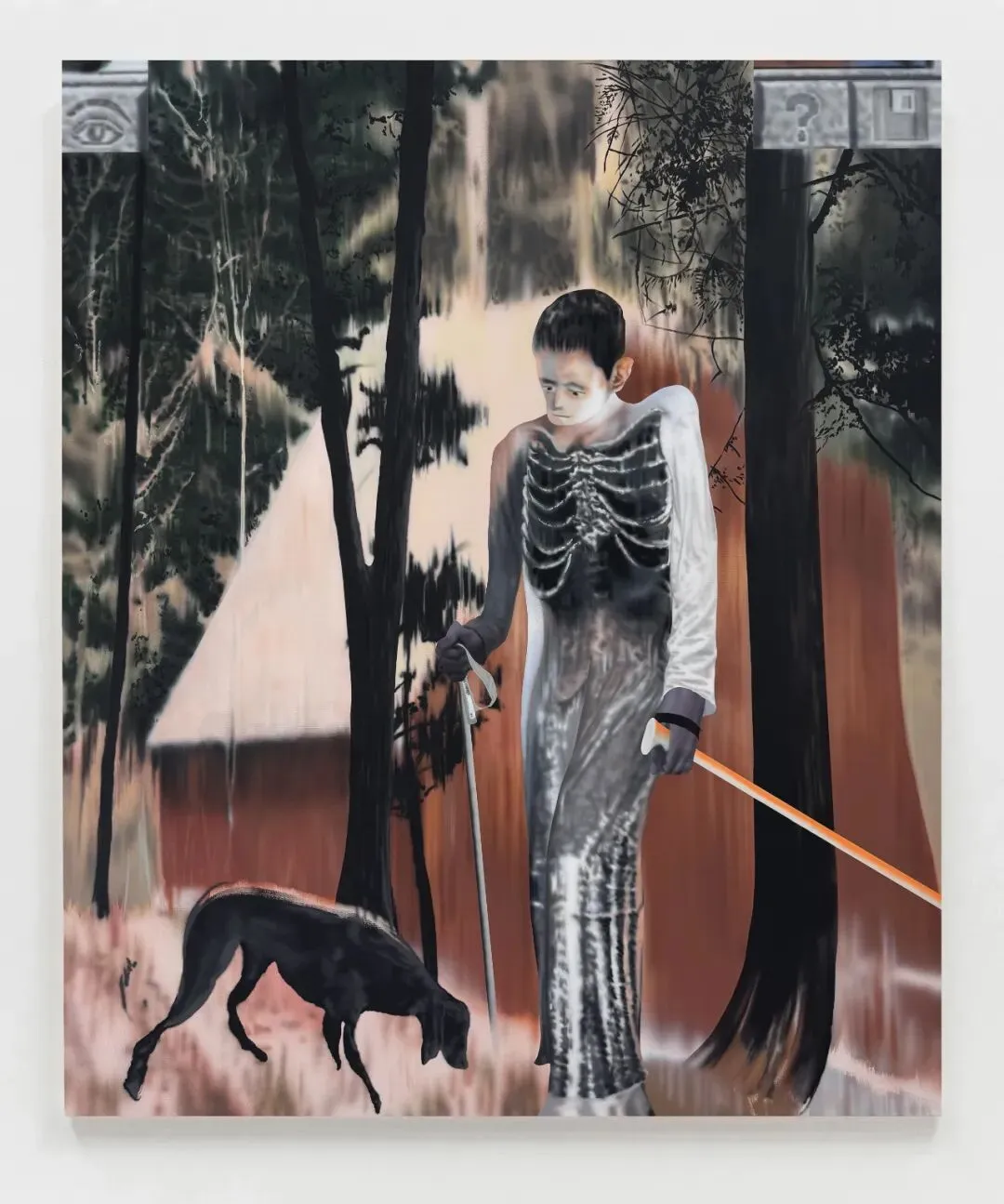
▲饶维懿,轻度疲惫,布面丙烯,180 × 150 cm,2026 ©艺术家及千高原艺术空间
Rao Weiyi, Mild fatigue, Acrylic on canvas, 180 × 150 cm, 2026 © Courtesy of the Artist and A Thousand Plateaus Art Space
饶维懿,1993年出生于湖南,2016年获得四川美术学院油画系学士学位,2020年获得四川美术学院油画系硕士学位。饶维懿是年轻一代新锐画家的代表之一,是2020年保时捷研究奖学金、第三届宝龙艺术大奖银奖的获得者,并于同年荣获四川美术学院造型艺术学院“礼物”提名奖;于2019年入选第十届新星星艺术家TOP100。他将网络文化和社会生态作为自身的长期议题。把网络图像的独特质感转换为实验性的绘画语言,以个人的视角通过虚构或超文本叙事的方式来体现当下某些忧虑和拘谨的情感特征。他的画面时常带有超现实的情景,但这些情景都以平实的,毫无戏剧冲突的方式呈现,就像娓娓道来的独白,没有任何说服性的力量,却让人以共情的方式身临其境。
王川
Wang Chuan
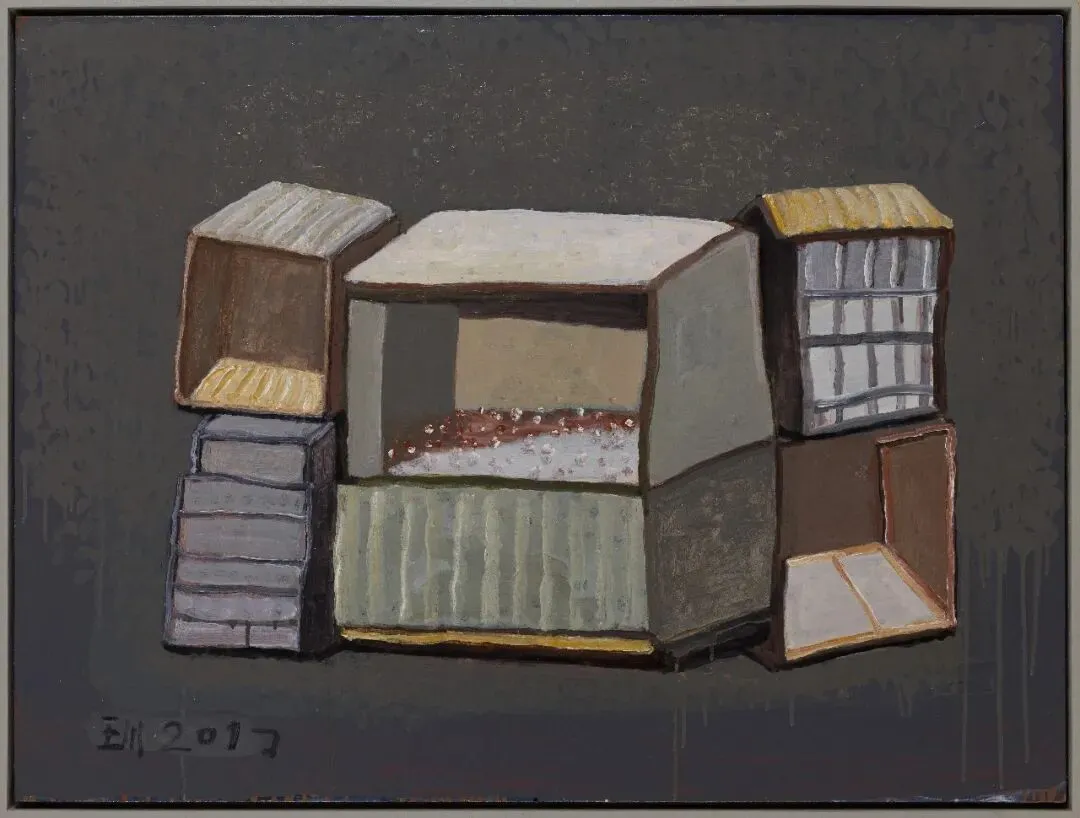
▲王川,2017 Box,布面丙烯,90 ×120 cm,2017 ©艺术家及千高原艺术空间
Wang Chuan, Acrylic on canvas, 90 ×120 cm, 2017 © Courtesy of the Artist and A Thousand Plateaus Art Space
王川, 1953年出生于四川成都,1982年毕业于四川美术学院中国画系,现工作生活于成都、深圳、纽约。作为“伤痕美术”的代表人物之一,他的创作经历了从写实绘画、表现主义向极少主义的深刻转变。这一转向的契机,源于1990年代末一场重病。在身体的痛苦中,王川通过对东方哲学的体悟,实现了精神上的顿悟式转折——他开始意识到,身体只是灵魂的暂居之所,终将消逝,而精神得以延续。
《2017 Box》属于其“Box(盒子)”系列的重要阶段性创作,以简化的几何结构与层叠色块构成画面,通过“盒子”这一视觉母题探讨边界、容器与内部空间的关系。作品弱化叙事性,以结构性的绘画方式营造出介于秩序与不确定之间的视觉场域,使观看更接近一种对空间与关系的感知经验。该系列延续艺术家对抽象绘画的长期探索,并融入近似冥想的内在性表达,通过反复的形式建构与消解,使“盒子”既可被理解为空间结构,也可视为心理或认知的隐喻容器,在开放性与不确定性中展开对绘画本体的持续探讨。
谢蓓
Xie Bei
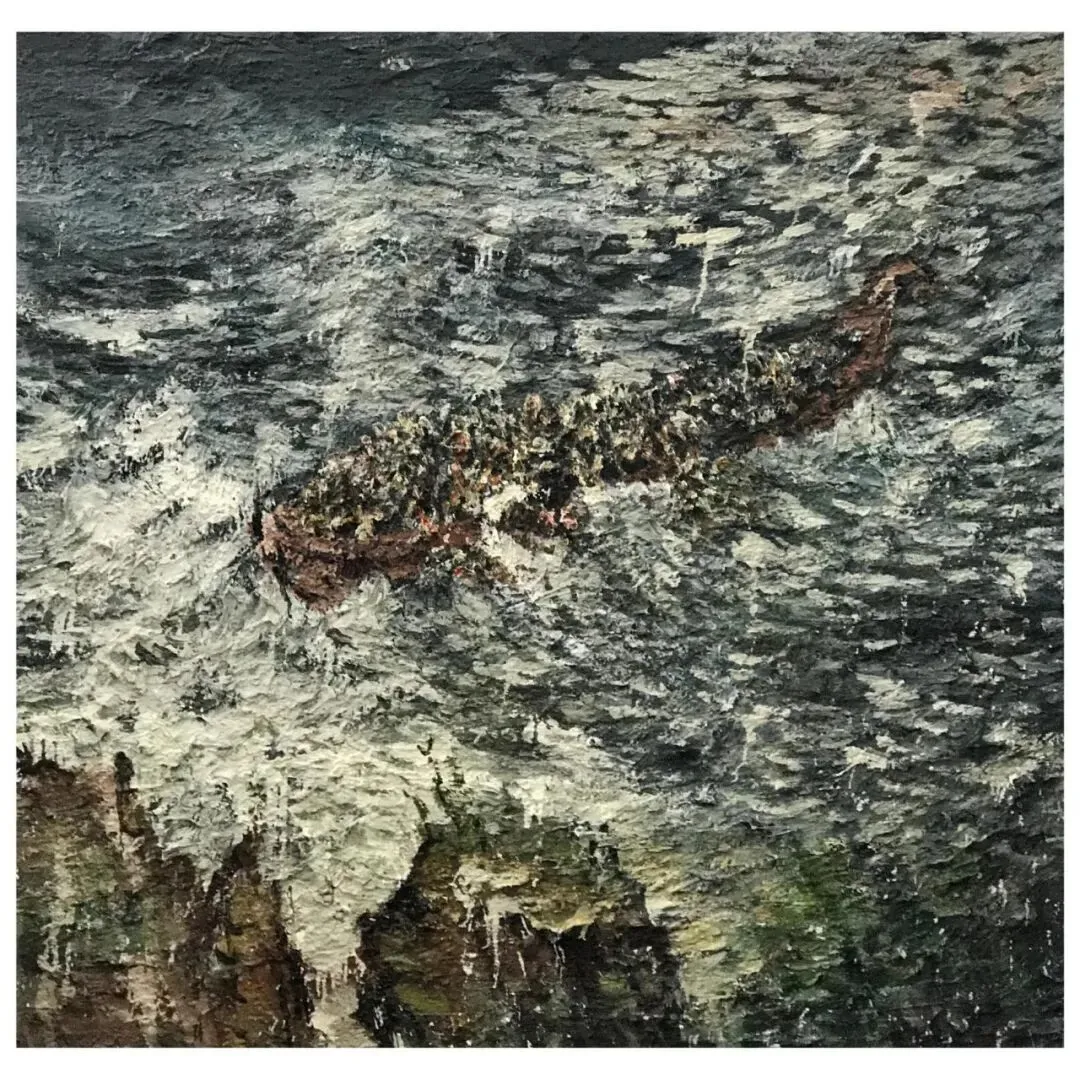
▲谢蓓,观·山水,布面油画,200 × 200 cm,2011-2017 ©艺术家及千高原艺术空间
Xie Bei, Observation· Landspace, Oil on canvas, 200 × 200 cm, 2011-2017 © Courtesy of the Artist and A Thousand Plateaus Art Space
谢蓓,1964年出生于重庆,1988毕业于四川美术学院油画系,现工作生活于重庆。谢蓓的艺术创作见证一种拥抱即兴、偶然与独立的自由本质,他以表现主义的笔触糅合超现实主义的意向,将文学、诗歌、自然、战争与情感的碎片熔铸为历史复杂脉络的探寻。
《观·山水》(Observation · Landscape, 2011–2017)是“观景”系列中的作品之一,灵感源于艺术家旅途中对自然景观与现实经验的感知投射。其系列作品并不指向对具体风景的再现,而是一种抽象性的表达方式,将社会、现实与个体处境的感受直接转化为画面语言。在《观·山水》的画面结构中,画面中心神似行舟的主体与四周环绕的山水并非具体描绘,而更接近一种被转化的意象:流动、碰撞,与浪潮般的笔触交织,构成一种不稳定的场域。山水不再只是自然风景,而更像一种社会现实与精神处境的隐喻。
杨述
Yang Shu
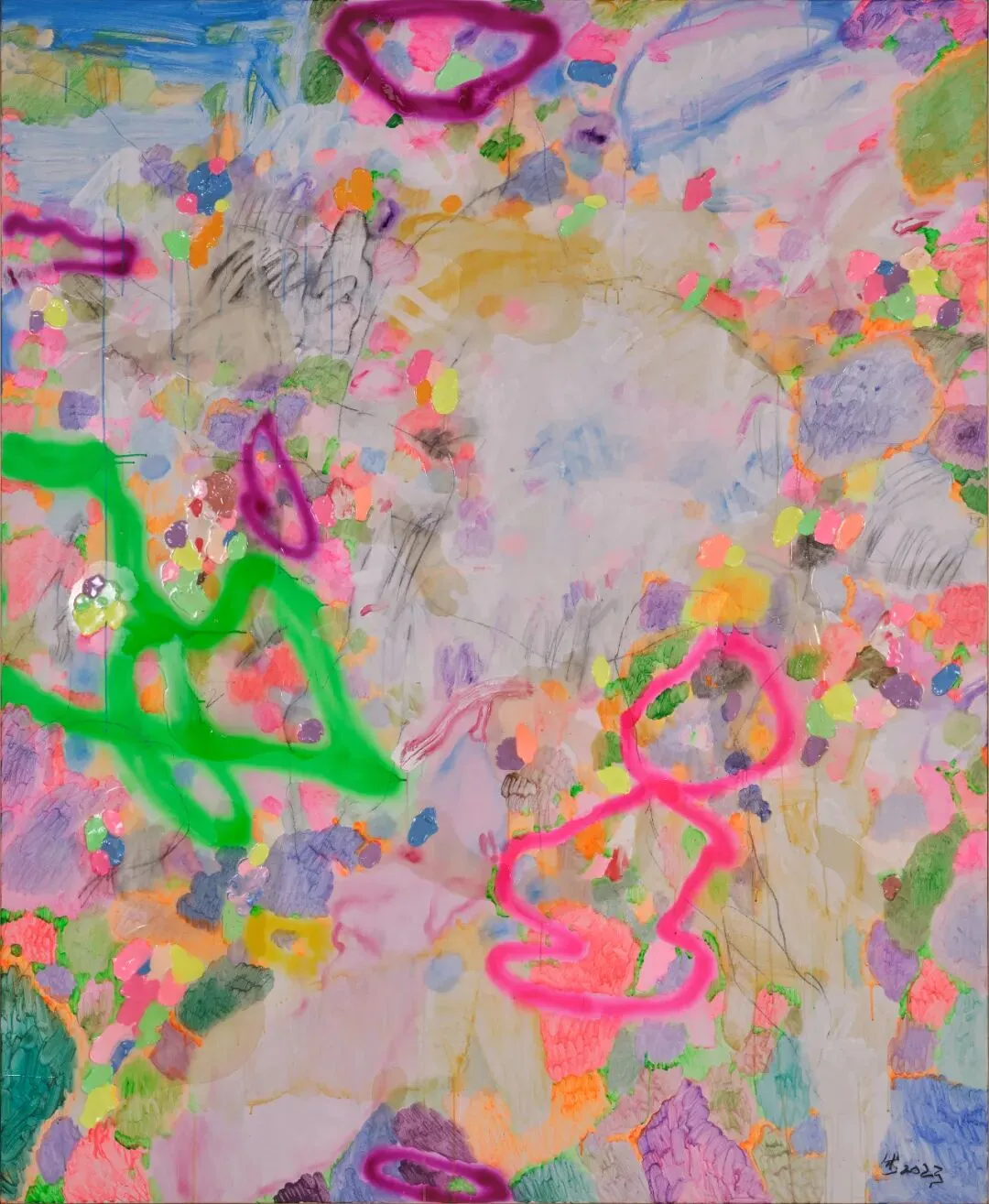
▲杨述,无题2023Y3,布面丙烯树脂,彩色泥,220 × 180 cm,2023 ©艺术家及千高原艺术空间
翟倞
Zhai Liang
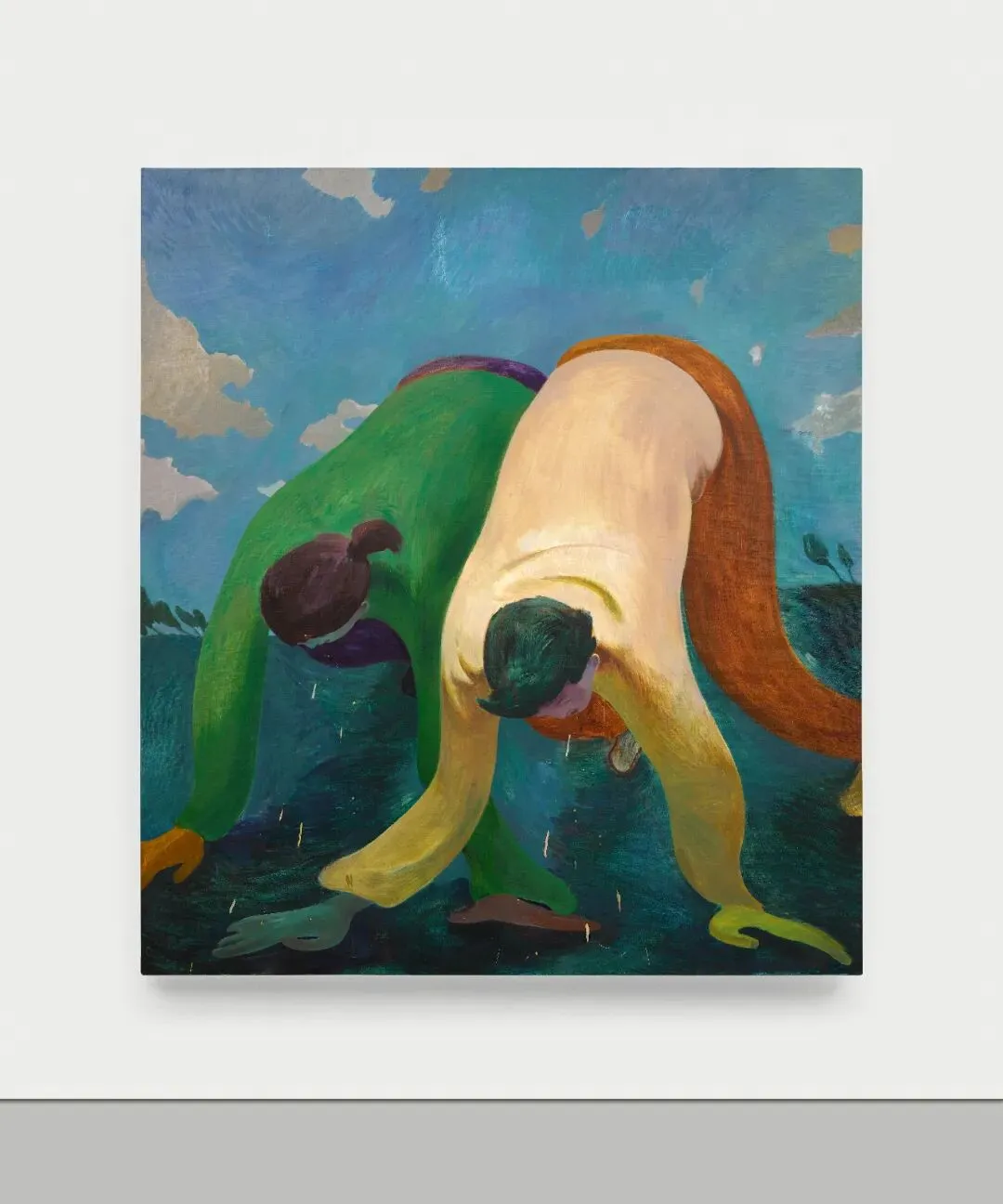
▲翟倞,要是有一种醉是因为知识而醉就好了,布面油画,235 × 210 cm,2025 ©艺术家及千高原艺术空间
Zhai Liang, How wonderful it would be to be intoxicated on knowledge, Oil on canvas, 235 × 210 cm, 2025 © Courtesy of the Artist and A Thousand Plateaus Art Space
翟倞(b. 1983)出生于山西,2006年获四川美术学院油画系学士学位,2009年获中央美术学院油画系硕士学位,现工作生活于上海。翟倞将知识视为绘画的养分,他在庞杂的知识系统里面跳跃式地选择主题,偶然遇见的一个故事、一个词语、一句歌词也都能成为激发他想象力的诱因。
《要是有一种醉是因为知识而醉就好了》(How wonderful it would be to be intoxicated on knowledge, 2025)该作品描绘呕吐的瞬间,并借标题提出假设:如果醉意来自知识,生活会如何改变?这与翟倞广泛的阅读经验相呼应,他吸收哲学、文学和媒介学理论,思考知识如何改变感官,进一步发出对生活本身的追问。
Bi Rongrong
Bi Rongrong (b. 1982, Ningbo, Zhejiang) received her MFA in Chinese Landscape Painting from Sichuan University in 2008, and later obtained an MA in Painting from the Frank Mohr Institute in the Netherlands. She currently lives and works in Shanghai. In 2024, she was shortlisted for the SIGG PRIZE 2025 at M+, Hong Kong, and in 2022 became one of the three global winners of the inaugural Spirit of Ecstasy Challenge under Rolls-Royce’s “Muse” art initiative.
The series The South · The North (2026) continues the artist’s investigation into patterns and ornamentation initiated in her SIGG PRIZE 2025 work To Connect, To Cut, To Draw (2025). Using copper plates, recycled yak-tent fabric, machine-made textiles, and handwoven materials, Bi repeatedly explores the interchange, complementarity, and interconnectivity between soft and hard materials, as well as the distinct modes of labor they embody. Industrial elements such as metal structures are combined with flexible fabrics and fibers to create forms that oscillate between rigidity and fragility. Through labor-intensive processes—including bending, welding, stitching, and weaving—the works foreground the physical interaction between body and material. These gestures inscribe time and labor onto the surfaces of the materials, allowing them to function simultaneously as structure and skin. Through juxtaposition, Bi investigates how materials bear traces of labor while negotiating tensions between strength and vulnerability, permanence and transformation.
Chen Qiulin
Chen Qiulin (b. 1975, Yichang, Hubei Province) graduated from the Printmaking Department of Sichuan Fine Arts Institute in 2000 and currently lives and works in Chengdu. Her practice spans video, photography, installation, and sculpture. Her artistic exploration remains in a constant state of development and transformation, introducing new perspectives into frequently discussed issues while demonstrating a distinctive sensitivity toward social realities.
Drown (2021) continues Chen Qiulin’s long-term exploration, initiated in 2003, of tofu as both artistic medium and cultural signifier. Through tofu—an iconic East Asian food—the artist projects reflections on local culture and identity. The wooden structures abstracted from tofu molds establish a subtle resonance with the geopolitical confinements intensified during the global pandemic. Within these structures, female performers engage in bodily experiments, repeatedly touching, entangling, and confronting the tofu. What unfolds is a tragic yet resilient struggle, like a bird with broken wings still moving against the wind. The humming and sounds produced during these confrontations abruptly rupture the sense of helpless fragility, revealing from a female perspective the vulnerability and resistance embedded within contemporary society.
He Duoling
He Duoling (b. 1948, Chengdu, Sichuan) entered the Oil Painting Department of Sichuan Fine Arts Institute in 1977 and later joined its postgraduate program in 1979. After graduation, he worked at the Chengdu Painting Academy and currently lives and works in Chengdu and Shenzhen. As a representative figure of Chinese contemporary lyrical realism, He’s art is deeply poetic and painterly, revealing melancholy beneath elegance and beauty while pursuing an unrestrained sense of freedom. His strong command of form imbues figures and landscapes with vitality. In terms of formal language, his pursuit of purity resonates with traditional Chinese ink aesthetics—refined yet intricate, simple yet complex—revealing a transcendent spiritual dimension.
The Grass on the Meadow series was created during a special period when the artist could spend most of his time painting only within the courtyard of his studio. In search of inspiration, He often drove alone to the outskirts of Chengdu. He discovered that the suburban landscape had transformed into a depopulated terrain, resembling a desolate post-human world. Through these paintings, He sought to convey this profound emptiness—a genuine “void.”
He describes the series as “landscapes that are not landscapes.” From the perspective of conventional landscape painting, dark woods and wild grass might not appear beautiful. Yet the artist believes that grass possesses a concrete existence. The weeds in Chengdu’s outskirts grow densely and endlessly, carrying their own rhythms and energies as they compete for space and survival, nearly obscuring the sky itself. This echoes the condition of human existence. He has always approached nature and life through an egalitarian cosmology, deeply nourished by ancient Chinese philosophy and aesthetics.
Pang Maokun
Pang Maokun (b. 1963, Chongqing) studied at the Affiliated High School of Sichuan Fine Arts Institute from 1978 to 1981, and later at the Oil Painting Department of Sichuan Fine Arts Institute from 1981 to 1988, where he received his MFA in Oil Painting. He currently serves as Vice Chairman of the China Artists Association, Vice Chairman of the Chongqing Federation of Literary and Art Circles, Chairman of the Chongqing Artists Association, Director of the Oil Painting Art Committee of the China Artists Association, and doctoral supervisor at Sichuan Fine Arts Institute, Shanghai University Academy of Fine Arts, and Xi’an Academy of Fine Arts.
The diptych Destiny · Hand (2019) derives from Pang’s “Folded Portrait” series initiated in 2017. Destiny references Caravaggio’s The Fortune Teller (1595), while Hand draws from Jan van Eyck’s The Arnolfini Portrait (1434), a Northern Renaissance portrait in which gestures symbolize contract and human relations. Over the past decade, Pang has traced his gaze back to Renaissance classical art while simultaneously turning toward the future of human civilization. By introducing technological elements such as robotic hands, he disrupts classical visual order, constructing a composite spatiotemporal structure in which past and present collide and permeate one another.
Today, our relationship with the world of objects has become increasingly complex, while deeper structures are undergoing fundamental transformation. The rise of technological supremacy once again provokes existential questions, rendering previously unquestioned certainties unstable. The work asks: when automation and artificial intelligence become capable of replacing human labor with greater efficiency, and humanity itself appears redundant, who then becomes humanity’s true adversary—the exploiters within humanity, or the artificial beings created through new technologies?
Qi Lan
Qi Lan (b. 1973, Anyue, Sichuan) graduated from the Chinese Painting Department of Southwest China Normal University in 1996 and later received an MA in Chinese Painting from Nanjing University of the Arts in 2001 under the supervision of Professor Fang Jun. In 2007, he pursued doctoral studies under Professor Wang Mengqi. From 2001 to 2018, he worked at Shanghai Calligraphy and Painting Publishing House and served as Associate Editor-in-Chief of Art Contemporary. He is currently a full-time artist living and working in Shanghai and Chongqing.
The series To Paris (2025) was inspired by Qi Lan’s family trip to France in 2025. Over the past several years, the artist’s continuous engagement with the motif of the “flower” has directly reflected his understanding of language and form, life and aesthetics. Through works dedicated to figures such as Zhao Zhiqian, Huang Binhong, Delacroix, Cézanne, Bonnard, and Van Gogh, he has entered into dialogue with artistic predecessors. If those earlier works still carried traces of historical influence, his recent works place greater emphasis on the construction of a personal visual language.
This series once again reveals the artist’s affinity for floral symbolism while further emphasizing how personal experience and memory naturally take root and branch outward within the pictorial space. It pushes his previously elusive linguistic exploration toward a clearer and more coherent logic, becoming an important point of support within his evolving artistic language.
Rao Weiyi
Rao Weiyi (b. 1993, Hunan) received his BFA from the Oil Painting Department of Sichuan Fine Arts Institute in 2016 and his MFA from the same department in 2020. Rao is regarded as one of the representative emerging painters of his generation. He was awarded the Porsche Young Chinese Artist Research Grant and the Silver Prize of the Third Powerlong Art Award in 2020, and also received the “Gift” Nomination Award from the School of Plastic Arts at Sichuan Fine Arts Institute. In 2019, he was selected for the Top 100 of the Tenth New Star Art Award.
Rao takes internet culture and social ecology as his long-term subjects. He transforms the distinctive texture of online imagery into an experimental painterly language, using fictional or hypertextual narratives from a personal perspective to express contemporary emotions of anxiety and restraint. His paintings often contain surreal situations, yet these scenes are presented in an understated and undramatic manner, like a quietly unfolding monologue. They possess no overt persuasive force, yet immerse viewers through empathy.
“This walk is not an outdoor excursion, but a daily spiritual journey undertaken alone…” Moving through the dark forest in the image, whether alienated or not, he has already resolved to go alone. This time, there is no god whispering at his side—only a tangible sense of solitude. Yet he neither rejects nor fears it; instead, he seems almost willing to sink into it. Within that solitude, he discovers a certain sense of calmness and ease.
Wang Chuan
Wang Chuan (b. 1953, Chengdu, Sichuan) graduated from the Chinese Painting Department of Sichuan Fine Arts Institute in 1982 and currently lives and works in Chengdu, Shenzhen, and New York. As one of the representative figures of Scar Art, his practice underwent a profound transformation from realism and expressionism toward minimalism. This shift emerged from a serious illness in the late 1990s. Through physical suffering and a deeper understanding of Eastern philosophy, Wang experienced a spiritual awakening, realizing that the body is merely a temporary vessel for the soul—destined to disappear—while spirit endures.
2017 Box belongs to a significant phase within Wang’s “Box” series. Constructed through simplified geometric structures and layered color fields, the work uses the visual motif of the “box” to investigate relationships between boundary, container, and interior space. By reducing narrative elements, Wang creates a visual field suspended between order and uncertainty, bringing viewing closer to an experience of perceiving space and relational structures.
The series continues the artist’s long-term exploration of abstraction while incorporating a meditative inwardness. Through repeated processes of formal construction and dissolution, the “box” can be understood simultaneously as a spatial structure and as a metaphorical container of psychology or cognition, sustaining an open-ended inquiry into the ontology of painting.
Xie Bei
Xie Bei (b. 1964, Chongqing) graduated from the Oil Painting Department of Sichuan Fine Arts Institute in 1988 and currently lives and works in Chongqing. His artistic practice embodies a free spirit that embraces improvisation, contingency, and independence. Combining expressionistic brushwork with surrealist imagery, he fuses fragments of literature, poetry, nature, war, and emotion into explorations of the complex trajectories of history.
Observation · Landscape (2011–2017) is part of Xie Bei’s “Landscape Viewing” series, inspired by the artist’s perceptual responses to natural scenery and lived experience encountered during his travels. Rather than depicting specific landscapes, the series adopts an abstract mode of expression, directly transforming sensations of society, reality, and individual existence into painterly language.
Within the compositional structure of Observation · Landscape, the boat-like form at the center and the surrounding mountains and waters are not literal representations, but transformed imagery. Currents, collisions, and wave-like brushstrokes intertwine to construct an unstable visual field. Here, landscape no longer functions merely as natural scenery, but becomes a metaphor for social reality and psychological conditions.
Yang Shu
Yang Shu (b. 1965, Chongqing) received his BFA from the Oil Painting Department of Sichuan Fine Arts Institute in 1985 and his MFA in 1988, after which he remained at the institute as a faculty member. In 1995, he participated in a one-year residency at the Rijksakademie van beeldende kunsten in the Netherlands. He currently lives and works in Chongqing. Yang is not only an early pioneer of experimental painting in China, but also one of the indispensable figures in shaping the narrative of Chinese contemporary art. His innate formal sensibility and rigorous academic training in realism have enabled him to develop a deep understanding of abstraction, structure, and color.
In Untitled 2023Y3 (2023), Yang once again employs acrylic as his primary medium, constructing a visual field where chromatic rhythm and material texture intertwine through scattered brushstrokes and random accumulations. In his recent practice, the pictorial space has become softer and more intimate, with formerly intense color contrasts transforming into luminous halos. His brushwork has also become increasingly delicate and complex, as marks of varying lengths form an overall rhythm and emotional atmosphere while retaining a sense of mysterious silence and determination.
Zhai Jing
Zhai Jing (b. 1983, Shanxi) received his BFA from the Oil Painting Department of Sichuan Fine Arts Institute in 2006 and his MFA from the Oil Painting Department of the Central Academy of Fine Arts in 2009. He currently lives and works in Shanghai. Zhai regards knowledge as nourishment for painting. Within vast and complex systems of knowledge, he selects themes in a discontinuous and associative manner—an accidental story, a phrase, or a lyric can all become triggers for his imagination.
How Wonderful It Would Be to Be Intoxicated on Knowledge (2025) depicts a moment of vomiting while proposing, through its title, a hypothetical question: what would life become if intoxication were caused by knowledge itself? This reflects Zhai’s broad reading across philosophy, literature, and media theory, through which he considers how knowledge reshapes sensory perception and further raises questions about life itself.
北京当代艺术博览会
Beijing Dangdai Art Fair
开放时间Opening Time
贵宾预览| VIP Preview
2026.5.21(周四 Thu.) 13:00-19:00
2026.5.22(周五 Fri.)11:00-19:00
公众开放日| Public Days
2026.5.23(周六Sat.)11:00-19:00
2026.5.24 (周日Sun.)11:00-18:00
展览地址| Venue
全国农业展览馆11号馆,北京市朝阳区东三环北路16号
Hall 11, National AgriculturalExhibition Center, No.16 North Road, East 3rd RingRoad, Chaoyang District, Beijing
闭展前30分钟停止入场
Admission closes 30 minutes before closing time
千高原艺术空间 | A Thousand Plateaus Art Space
A Thousand Plateaus Art Space was founded in 2007 in Chengdu, China. It is a professional gallery committing to presenting and promoting China’s contemporary art. Equipped with exhibition halls for artworks and collections and a screening room for videos and discussions, it focuses on researching, presenting and promoting outstanding works and experimental projects of China’s contemporary art and culture by carrying out domestic and international projects.
A Thousand Plateaus Art Space devotes itself to presenting works by emerging artists who have outstanding talent and merit, and to discovering and promoting new creative artists. To date, it has represented and cooperated with over 30 artists of all ages. Using exhibitions, art fairs, academic discussions, publications and so forth, it is dedicated to establishing the communication channels between artists and the society, institutions and collectors. The gallery also organizes artwork sales, tailored art projects, collection management consultings, art education projects and curatings.
▲向下滑动查看更多
更多讯息请关注