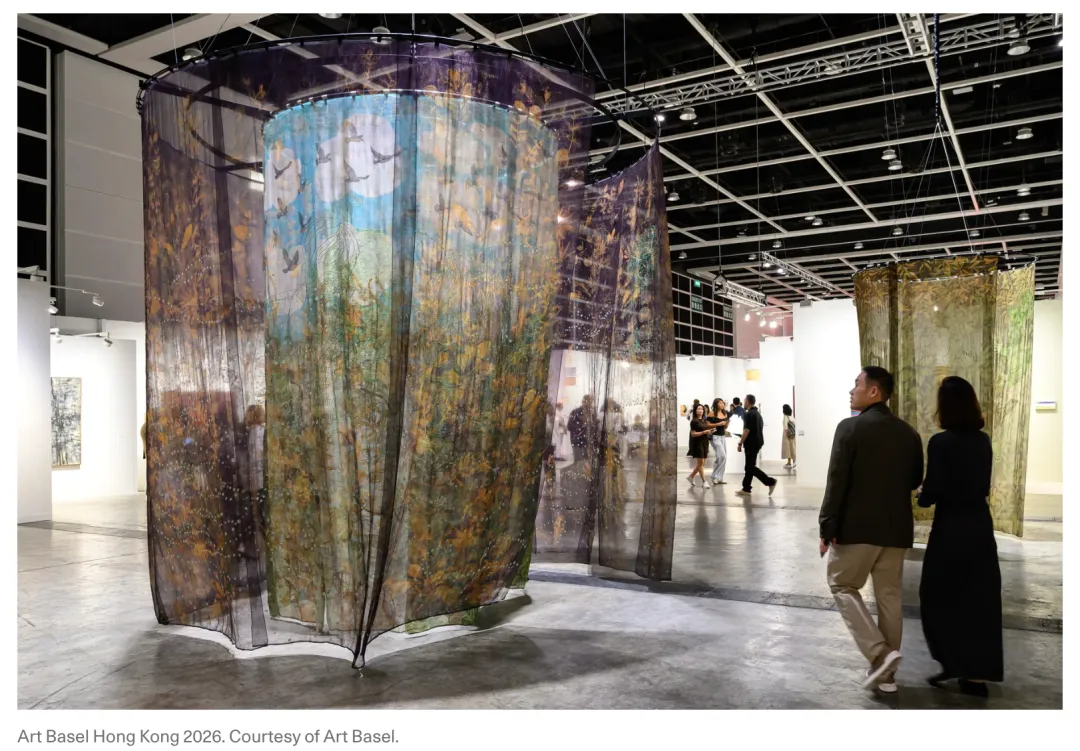
|博览会|Art Basel Hong Kong 2026『香港巴塞尔』(上)
刚刚落幕的香港巴塞尔内地画廊参展数量达到30家,创下历史新高。这是什么概念呢?疫情后内地画廊参加香港巴塞尔的数据---23年19家、24年20家、25年23家,到今年跃升至30家。香港巴塞尔的成本比内地任何艺博会都高得多。展位费、作品运输费、人员差旅......每一项都是不小的支出。即便选择最小的展位,成本也得30万起步,大展位则高达80到100万。内地不少画廊依然认为香港巴塞尔有它不可缺席的地位。但我的感觉是,今年是内地画廊征战香港巴塞尔的分水岭。卖的好,明年的内地画廊可能会继续扩容,卖的不好数量恐怕会急剧收缩。不少画廊甚至把今年后续所有的艺博会的计划压注在了香港巴塞尔。一边是高昂的成本,未知的市场反馈。一边是亚洲艺术格局重构的窗口期。往前走是放手一搏,退一步可能错失良机,怎么选都拧巴,却又都想豪赌一把。明明成本高到离谱,为什么还要冒着血亏的风险来参展?这背后的心态特别微妙。在疫情前,我们提起内地画廊参加香港巴塞尔总绕不开"陪跑"两个字。那时候欧美大画廊是主角,我们是配角。但今年当内地画廊参加数量超过十分之一时,另一种声音又出现了:巴塞尔堕落了。其实今年增加的不只是内地画廊,韩国东南亚的画廊也在显著增加,这是不是意味着亚洲艺术市场格局到了重新洗牌的时候,巴塞尔的全球化策略开始失效,艺博会进一步地方化了?以前大家觉得哪怕是去陪跑,至少有欧美大藏家在场。但近年全球艺术市场都进入理性调整期,藏家决策周期越拉越长,欧美买家也已不是主力。也就是说,过去支撑香港巴塞尔的那套逻辑正在慢慢失效。那么接下来谁能接这个盘?内地买家能成为本土画廊的坚实后盾吗?他们又是否需要特意远赴香港为本土艺术买单?放宽筛选标准,降低品位门槛,藏家不一定买单。继续端着身段,参展画廊又未必有商业回报。商业从来不讲情怀,只看结果。今年有没有实打实的成交,有没有新的藏家进来,这些才是决定明年数字的关键。是30家上升至35家,还是退回20家,甚至更少。拥有56年历史的巴塞尔艺博会,曾经为了守住自己塑造的品位势必会牺牲一部分画廊的商业利益。可当他的展位也开始面临卖不动的困境时。香港巴塞尔或许真的走到了前所未有的尴尬期。The 13th edition of Art Basel Hong Kong concluded on March 29, drawing over 91,500 visitors (1,500 more than the reported figure from 2025) across its five-day run at the Convention and Exhibition Centre. The record attendance underscored the city’s resilience as an art-market hub amid a complex geopolitical landscape.This position was further cemented by a landmark five-year contract between Art Basel and the Hong Kong government, guaranteeing the fair’s exclusivity to the city within the region. Supported by a HK$150 million grant from the Mega Arts and Cultural Events Fund—the same body responsible for attracting major events like Coldplay and the Hong Kong Sevens to the city—the agreement marks the first time such a formal, long-term commitment has been signed since Art Basel’s first Hong Kong fair in 2013.Beyond the fair venue, Hong Kong’s creative energy spilled into the streets thanks to an array of grassroots projects, standout shows, alternative art fairs, and assorted festivities.Inside the convention center, 240 galleries from 41 countries and territories reported steady sales. Notably, the fair saw an increased presence of galleries from second-tier Chinese cities, while many prominent ones were granted prime booth locations. This strategic shift highlights Art Basel’s efforts to cultivate the untapped potential of collectors from across Chinese mainland wider regions.