
小酒馆LittleS将于2026年4月12日至7月26日推出艺术家张晓个展“天上人间”。透过对日常的人和事的微观描述,反映当下的中国社会,这是贯穿张晓一直以来的创作的脉络。本次展览将以全新的方式展出艺术家近年来的多媒介创作,并且延续了张晓对中国乡村社会的持续关注。
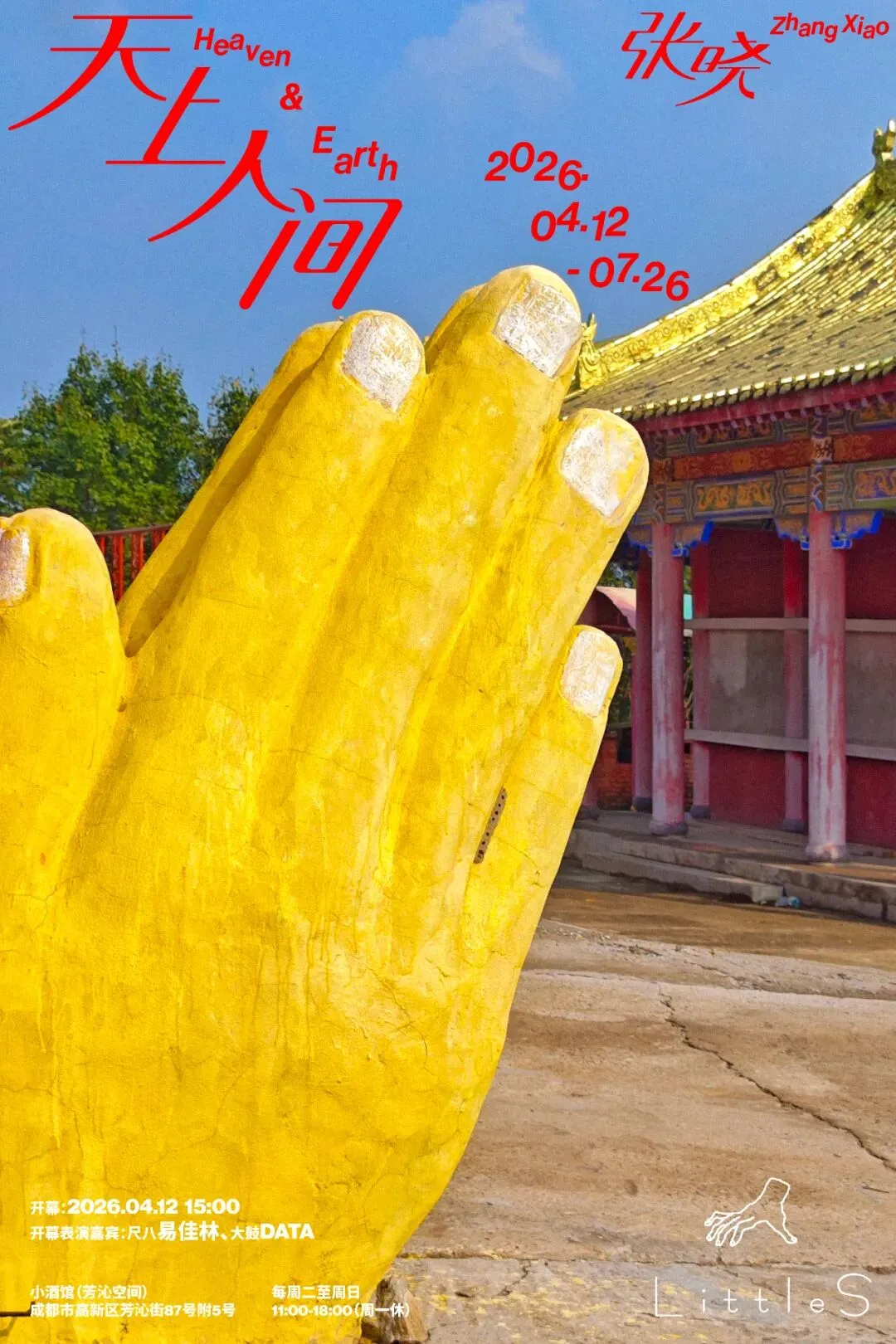
平面设计 / 唐朝 TANGCHAO
天上人间
张晓
我们始终生活在两种秩序之间——仰望的天空,与脚下的人间。展览通过展厅上与下两部分垂直空间叙事构筑起一场关于信仰、生存与当代欲望的视觉叙事。上层空间的神话符号溯源与下层空间的现实困境解构形成观念对话。“天上”与“人间”共同指向当代人在精神信仰与生存压力之间的存在困境。
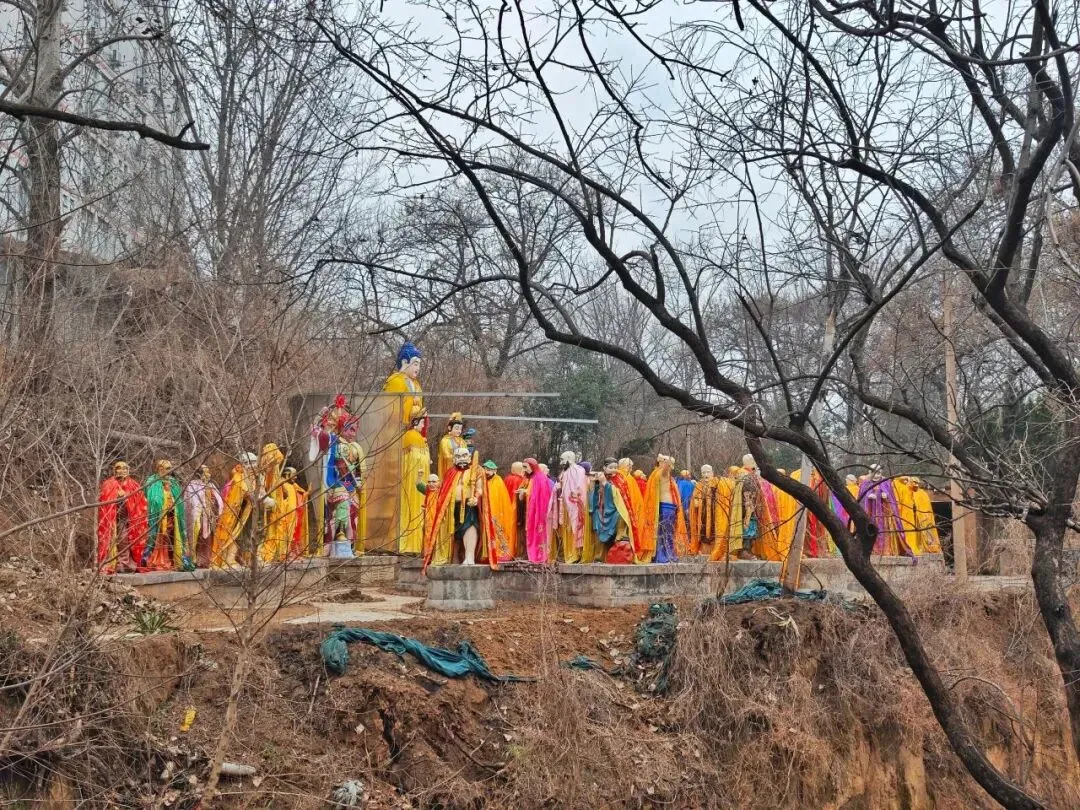
天上人间 No. 12 © 张晓
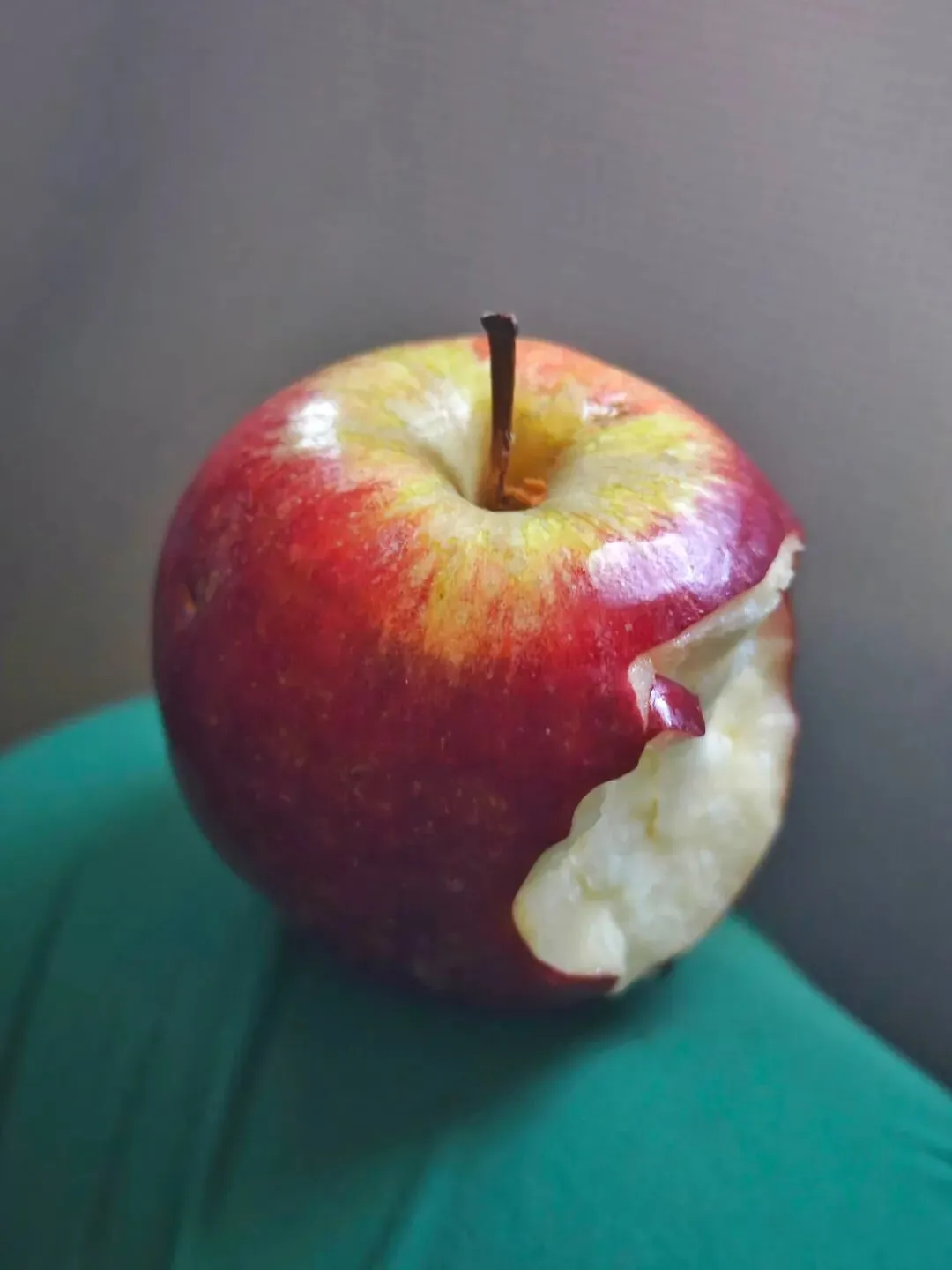
“天上”,作为整个展览的引子,聚焦了东西方神话符号的跨文化对话。伊甸园中被咬过的苹果与女娲蛇身造型形成符号学意义上的并置:前者作为西方文明中欲望觉醒与认知越界的象征,后者则指向东方创世神话中生命塑造与秩序修复的母题。苹果与女娲这两个主题也是艺术家在过往创作里持续关注的,一个是来自艺术家故乡的支柱型产业,另一个则是对于艺术家故乡之外更大的乡村社会的持续观察。这种跨文化符号的并置并非简单的意象叠加,而是通过空间叙事构建人们对“天上”——即精神源头与理想彼岸的集体想象。
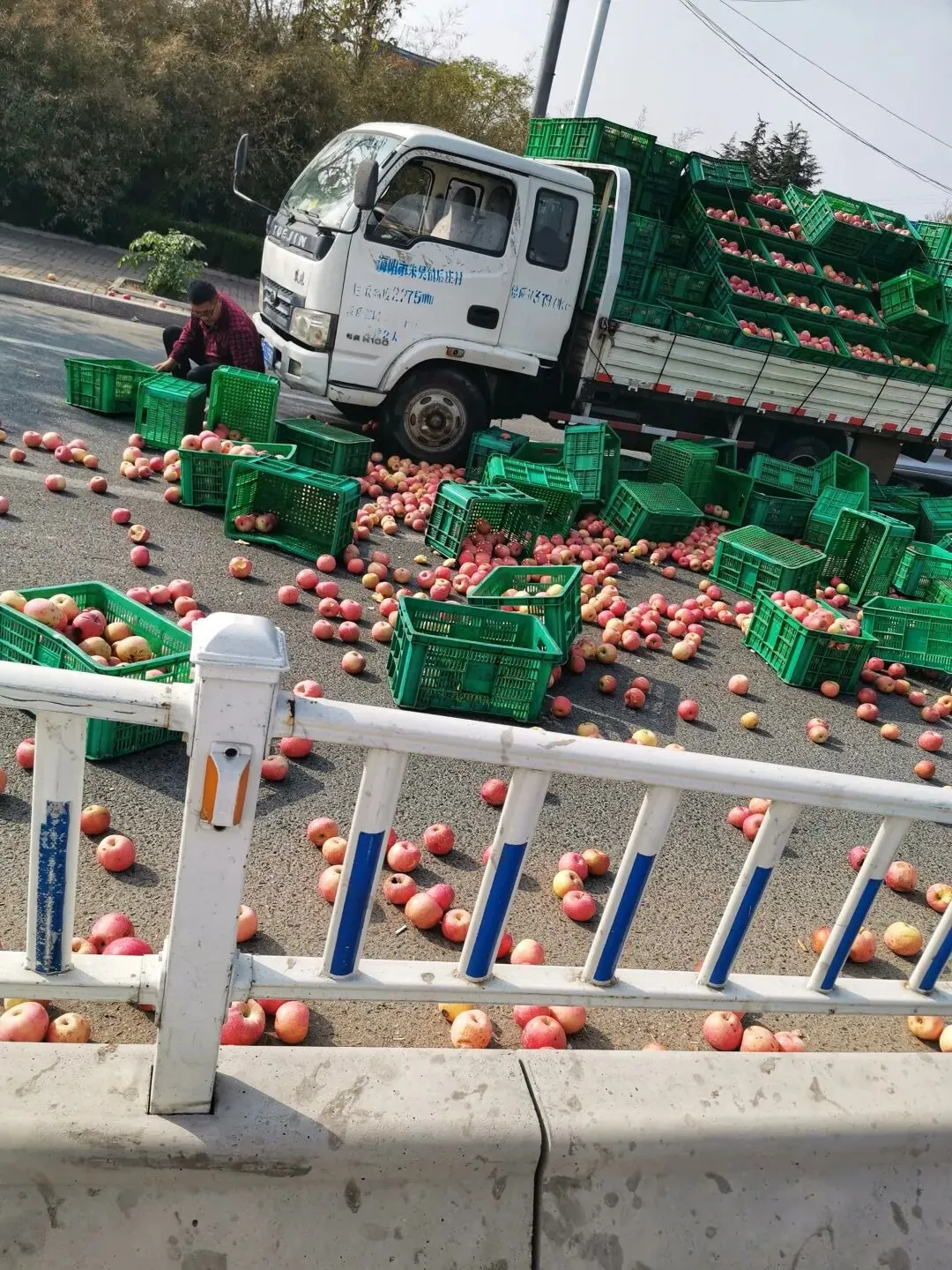
天上人间 No. 16 © 张晓
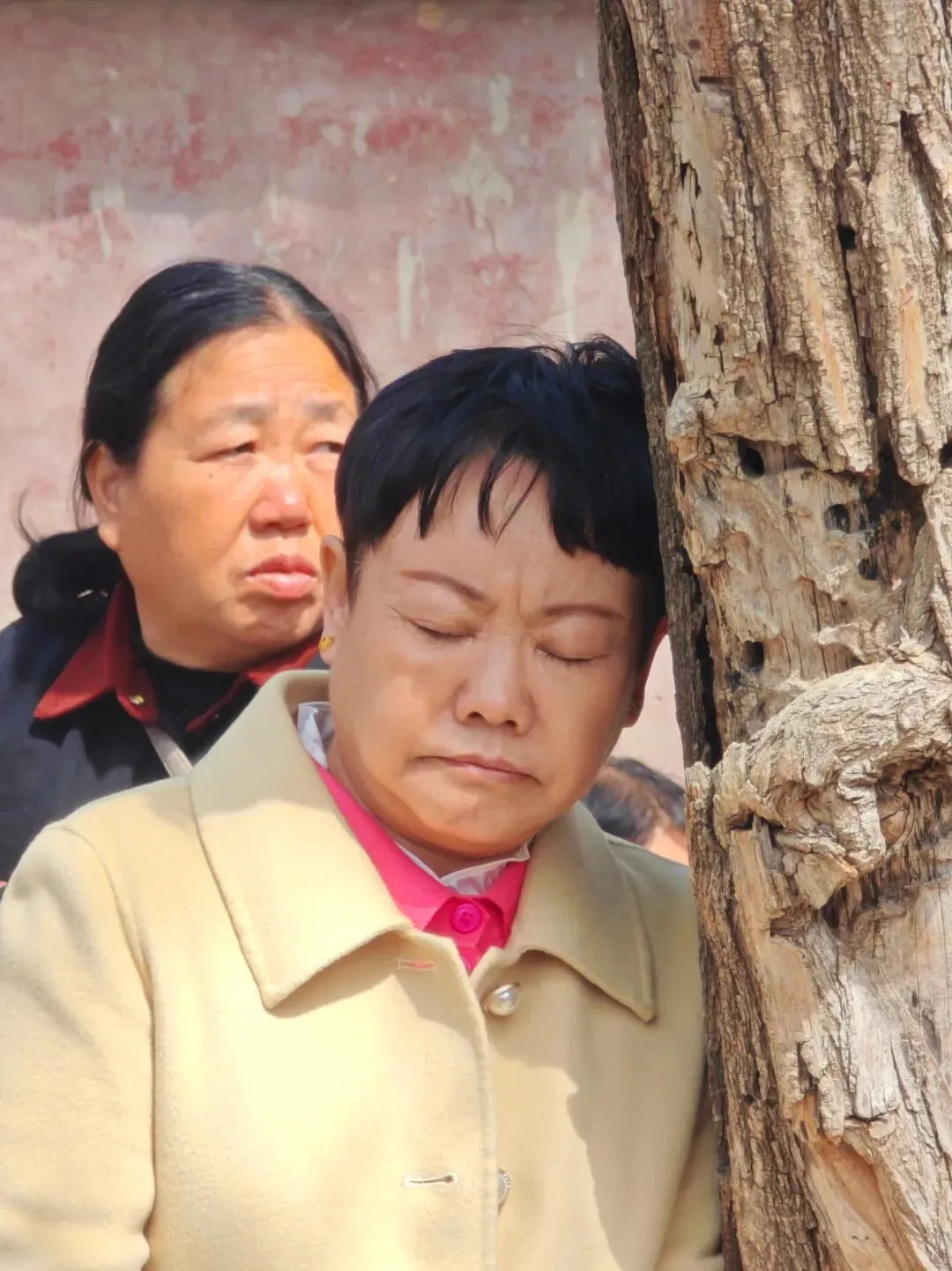
“人间”,则以摄影与雕塑和录像为媒介,解构经济快速发展背景下的时代困境。墙面上呈现的是中国乡村真实而残酷的生活景象——那些在经济高速发展的宏大叙事中被遮蔽、被忽略的存在。然而,这些影像并未完全裸露在观众面前。巨大的红色落地窗帘悬挂于墙面,覆盖其上。窗帘表面悬挂着我们所熟悉的繁华景象:城市的霓虹、乡村的丰收、热闹与幸福的表象。而真正的残酷被藏在帘子背后。观众若要面对现实,必须主动掀开这层装饰性的叙事。我们所见的繁华,往往是刻意展现的美好,而真正的生存重量,永远藏在帷幕之后,不被轻易窥见。这种遮蔽与展示的关系,构成了对当代视觉政治的质问——我们究竟在看什么?又被允许看见什么?
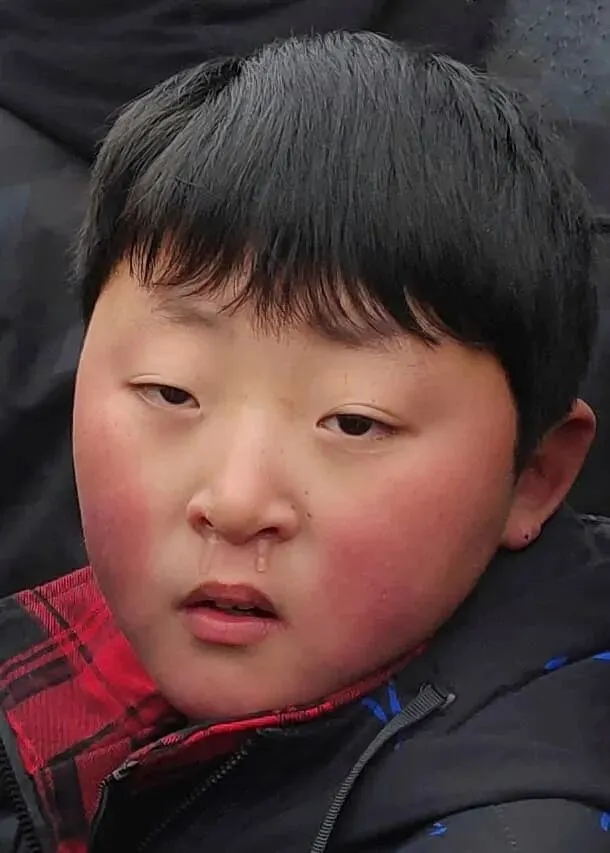
天上人间 No. 36 © 张晓
而视频作品则直接投射于红色帘布之上,不停地循环播放着中国城乡地区的狂欢场景与荒诞日常——这些集体无意识的躁动与看似无聊的片段,在红色滤色下被赋予诡异的视觉质感,既强化了现实的荒诞性,又暗示狂欢背后的血色隐喻,形成影像与载体的双重叙事。
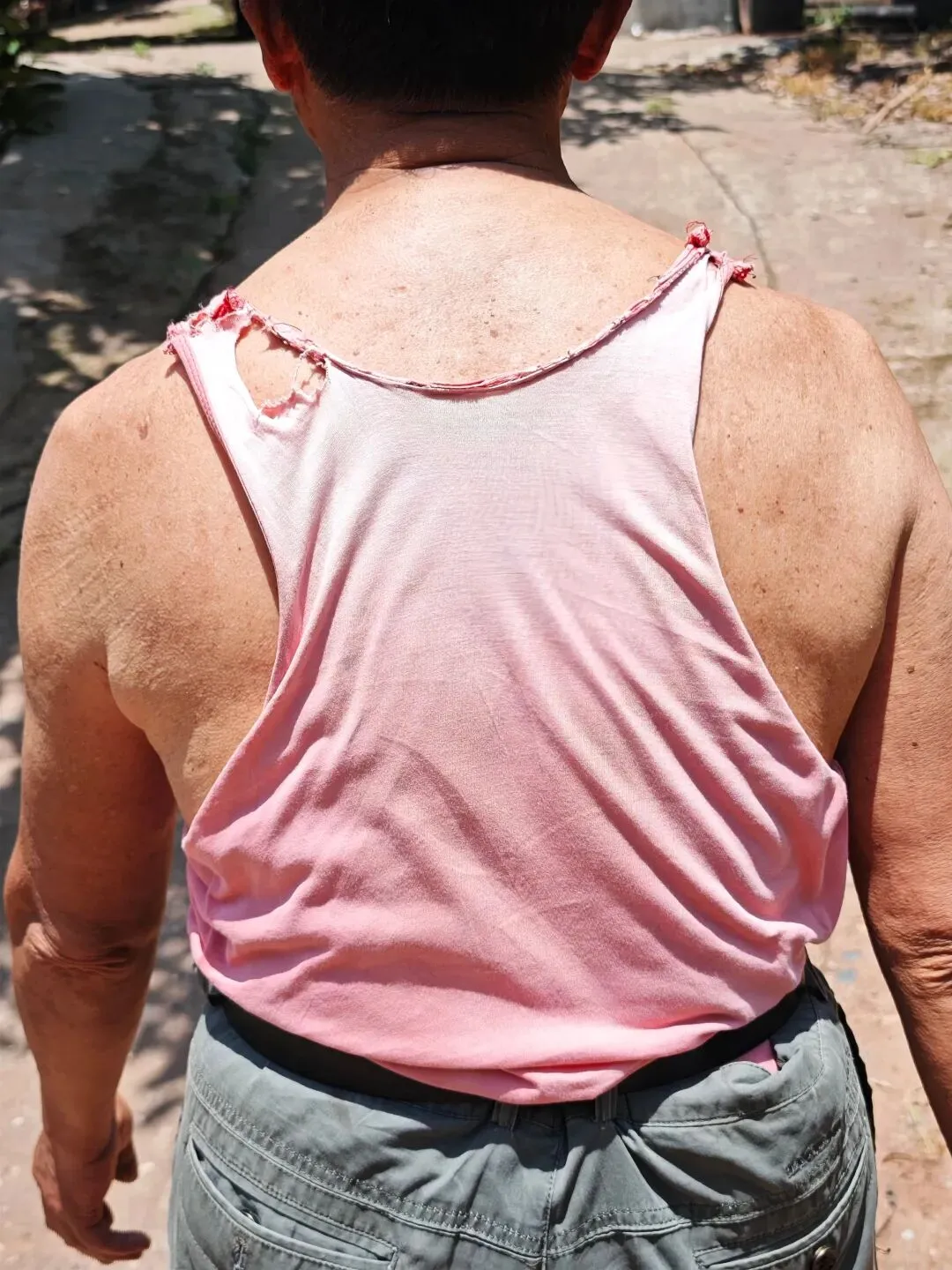
天上人间 No. 47 © 张晓
以不干胶的形式展出的摄影作品,与小酒馆墙壁上历经岁月沉淀的摇滚乐队贴纸混杂共生,在展厅的角落与墙面,这些如同“街头牛皮癣”的影像,肆意粘贴在各处,带着粗粝的市井气息,像是人间无法抹去的印记,琐碎、真实,又带着难以言说的沧桑,映射着底层生活的烟火与无奈。既延续了空间原有的摇滚反叛基因,又将日常生活的琐碎焦虑转化为对现实场域的直接介入,实现摇滚精神与现实批判的跨时空对话。
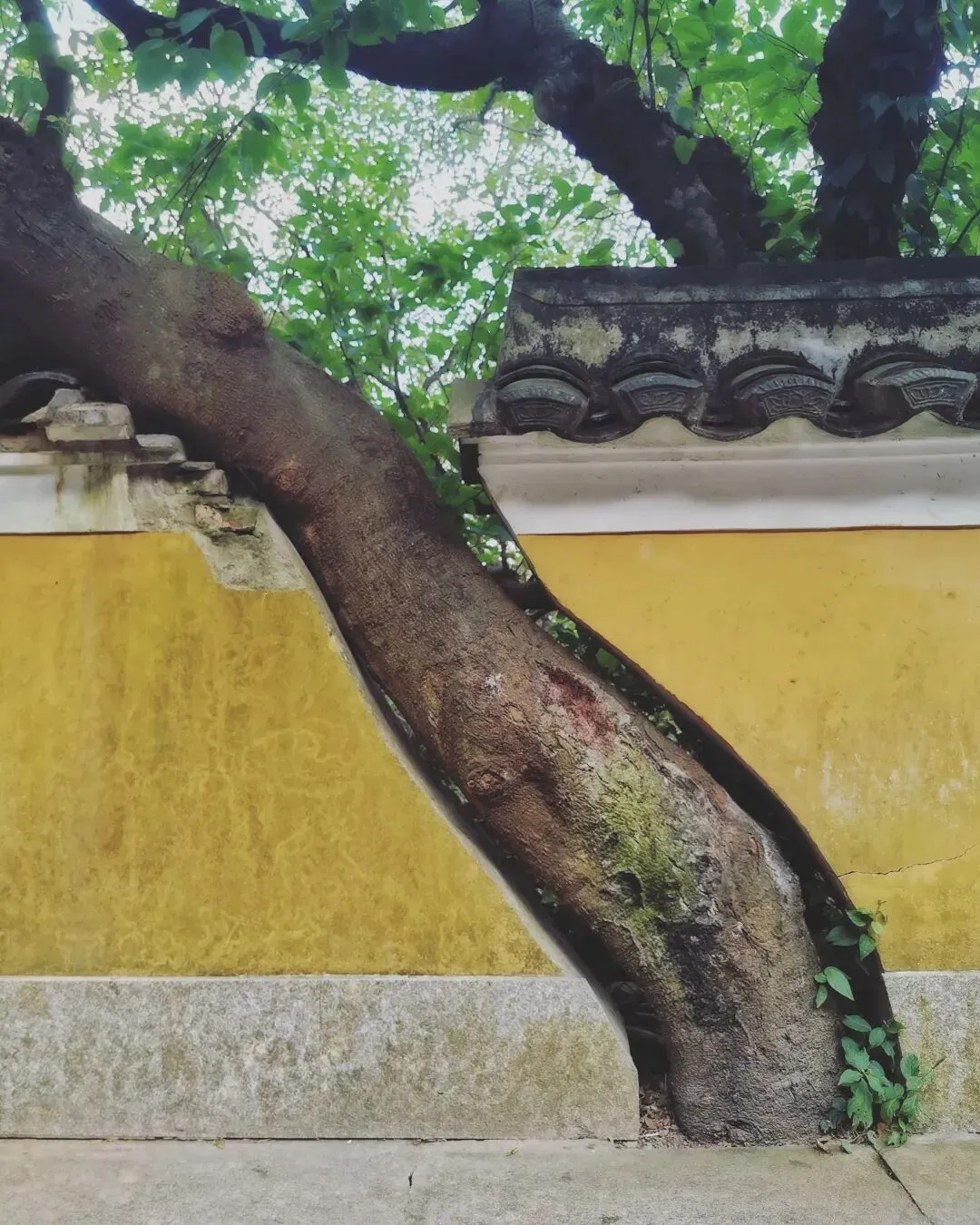
天上人间 No. 55 © 张晓
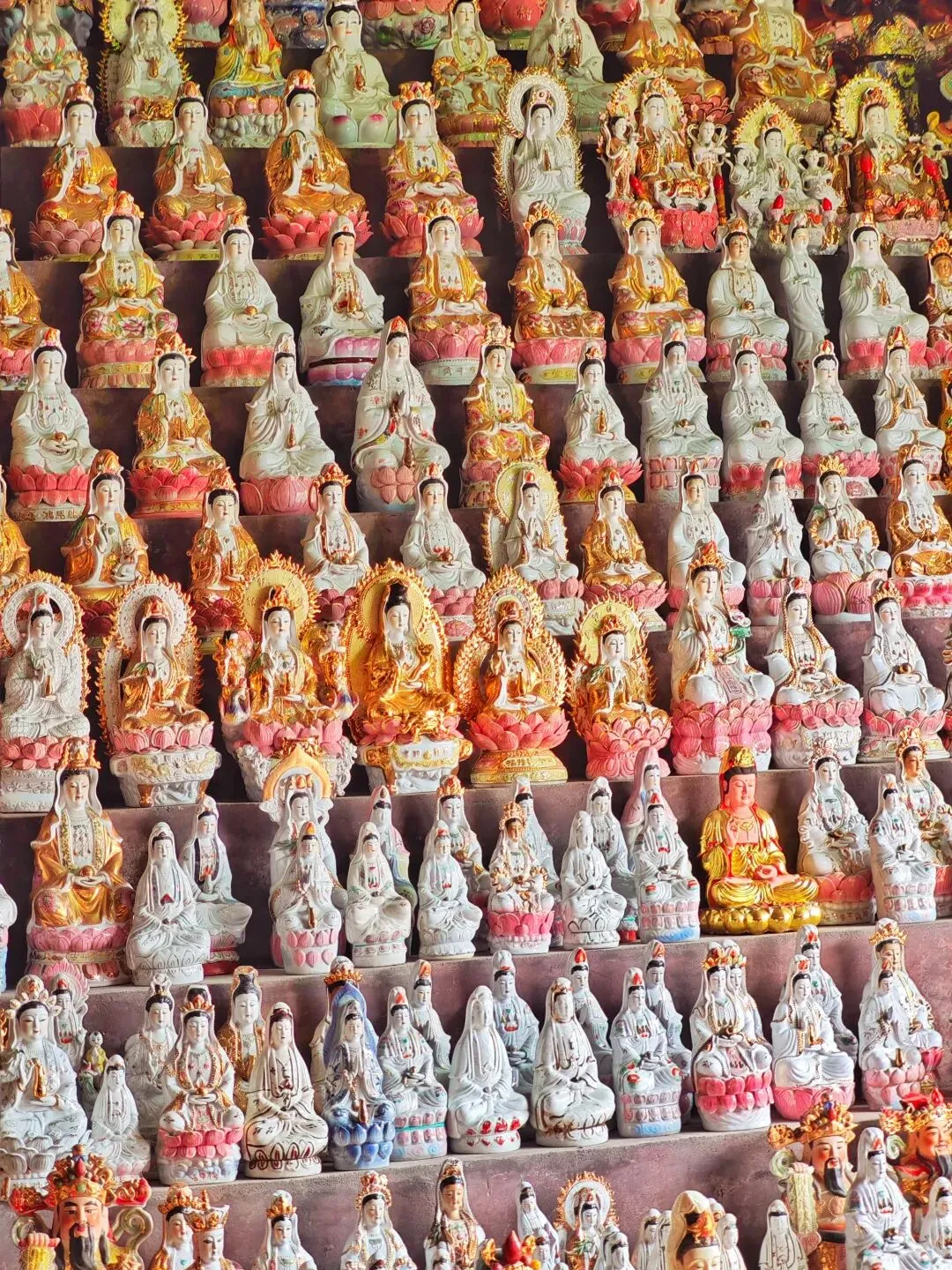
咖啡桌上的雕塑则构成另一重叙事——艺术家创造出一系列当代的“菩萨”,它们回应着这个时代人们具体的欲望与困境,是为今人所造的怪力乱神。这些雕塑如山峦般堆叠于桌面之上,层层累积,仿佛一座由当代祈愿筑成的巴别塔。在人间困境与精神焦虑的驱动下,人类不断制造新的信仰对象,试图重新抵达天界。然而,这种堆叠既像希望的建构,也像欲望的膨胀;既是通天之路,也可能是再次坍塌的危险的开始。
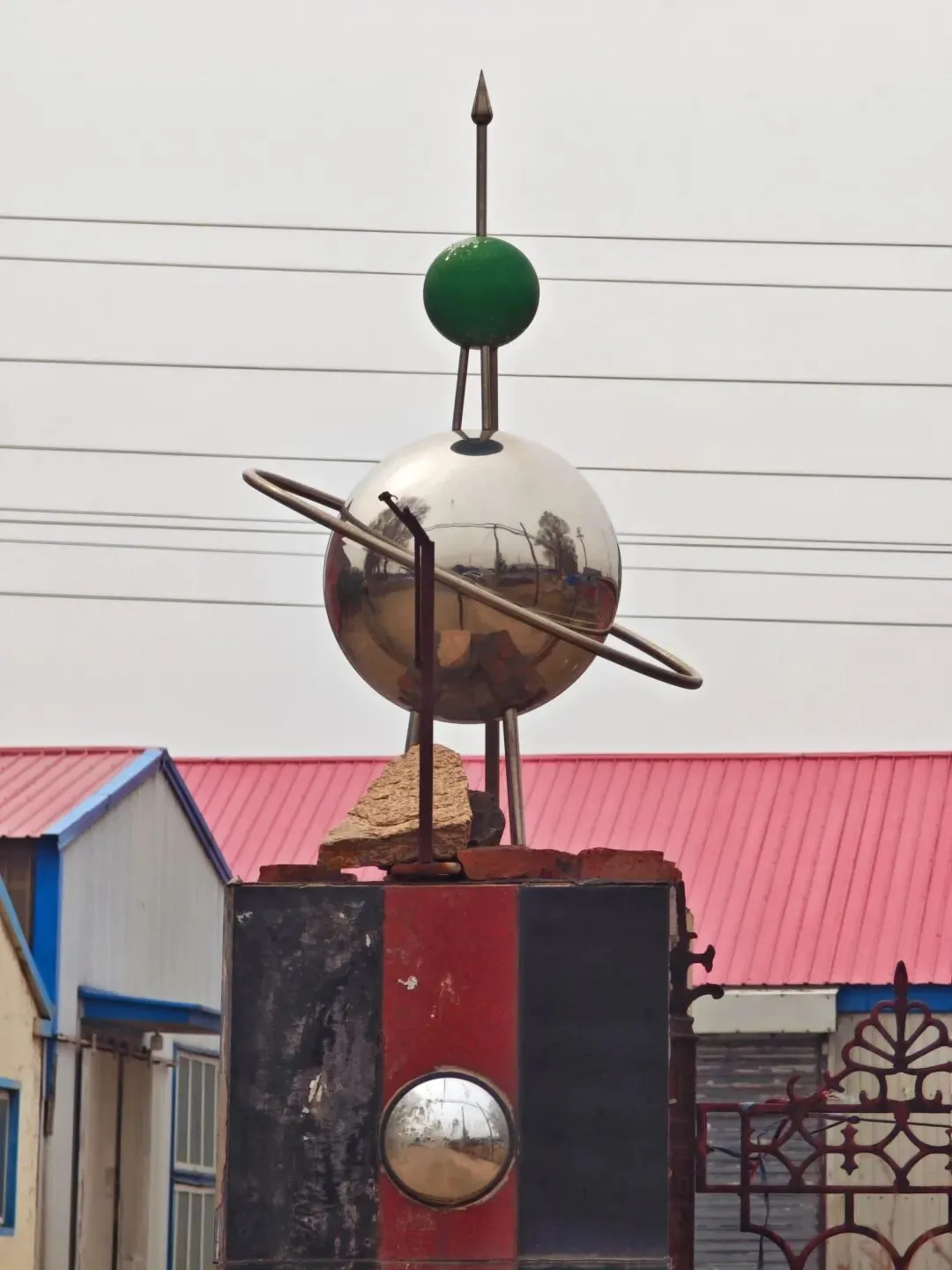
天上人间 No. 117 © 张晓
在展厅的柜子里,还陈列着艺术家多年收藏的木头手枪。枪支在现实中象征暴力与权力,是被严格规训与禁止的物件;然而这里出现的,却是民间匠人手工制作的木质玩具——有的出自手艺人的巧手,有的来自长辈为孩子削刻的礼物。它们质朴、笨拙,却带有一种隐秘的锋芒。这些木头枪既是玩具,也是象征:它们承载着底层民众对于“权力”的想象,是在现实缺席中被创造出来的替代物。当真正的力量无法触及,人们便用艺术的形式去雕刻出它的形状;当权力不可拥有,便成为一种既天真又沉重的愿望。
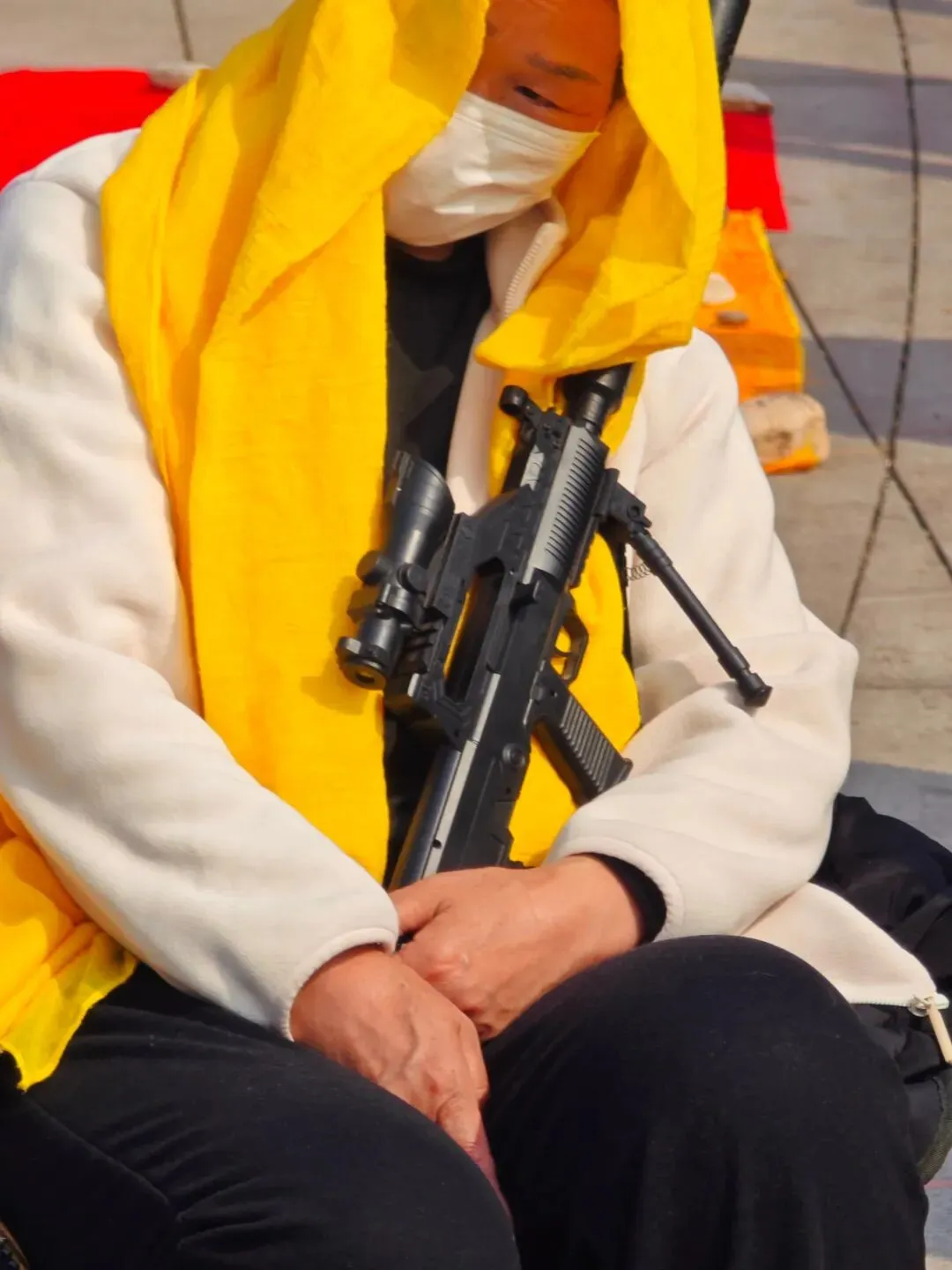
天上人间 No. 129 © 张晓
天上与人间,并非上下之隔,而是同一现实的两面。神话从未远去,它只换上了当代的面容,藏身于帘幕之后、广告之下,以及我们每一次隐秘的祈愿之中。观众在“天上”与“人间”两层空间中的移动,实际上是在追问:在快速发展的时代背景之下,我们究竟更接近上天,还是更远离真实?
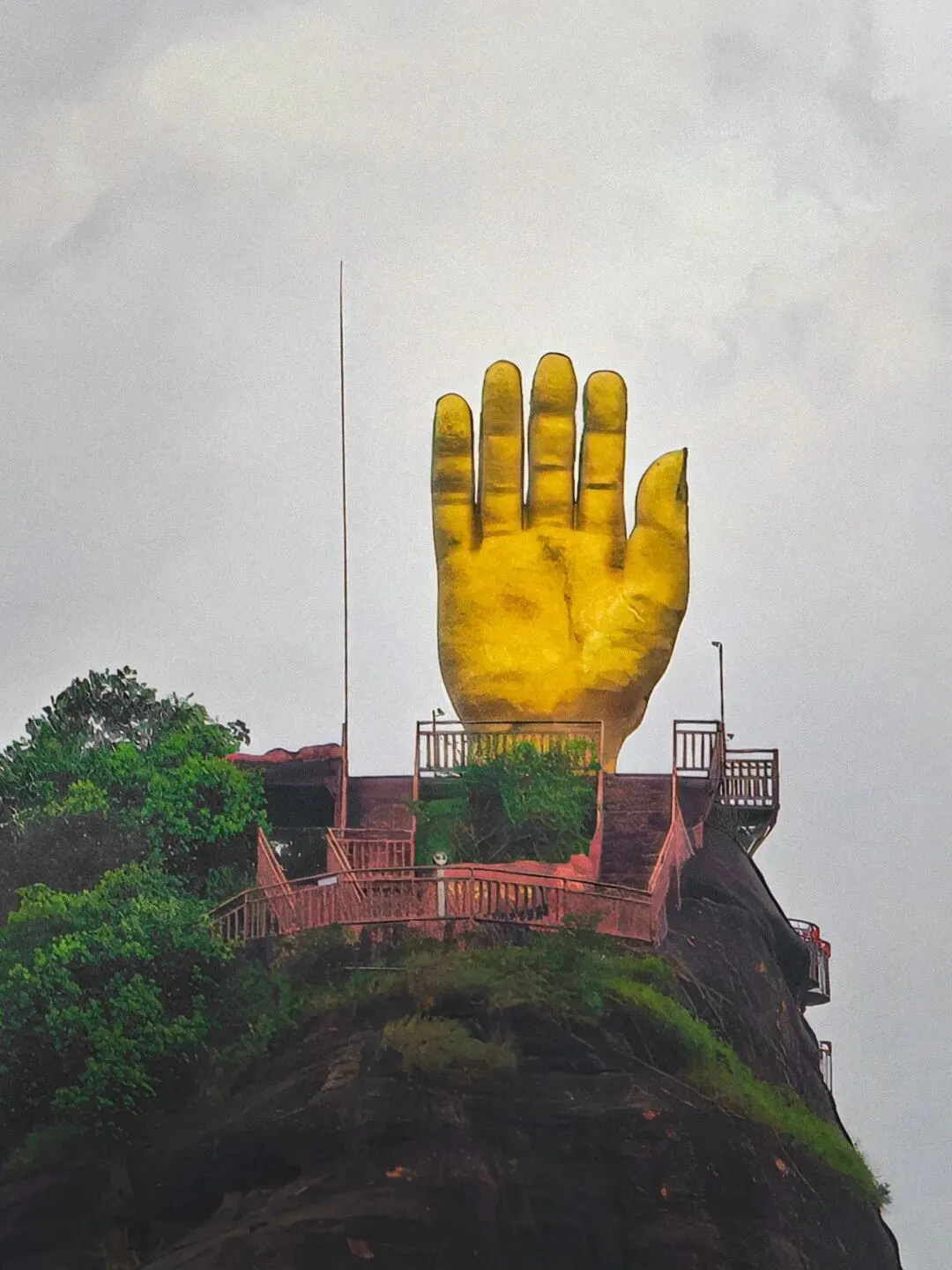
天上人间 No. 223 © 张晓
当红色帘幕被掀起,当人造神祇被仰视,我们或许会意识到——真正需要被审视的,并非天上与人间的距离,而是我们如何在欲望、遮蔽与信仰之间,为自己建造世界。
Heaven & Earth
Zhang Xiao
LittleS presents Heaven & Earth, a solo exhibition by artist Zhang Xiao, running from April 12 to July 26, 2026. Through intimate portrayals of everyday life, Zhang Xiao’s work reflects the nuances of contemporary Chinese society—a thread that has consistently shaped his artistic journey. This exhibition offers a fresh presentation of his recent multimedia creations, continuing his thoughtful exploration of rural life in China.
We inhabit, always, a space between two orders—the sky we look up to, and the human world beneath our feet. Through a vertical spatial narrative unfolding across the upper and lower levels of the exhibition, this project constructs a visual inquiry into faith, survival, and contemporary desire. The mythological symbolism traced in the upper space enters into a conceptual dialogue with the deconstruction of lived realities in the lower space. “Heaven” and “Earth” together point to the existential condition of contemporary individuals, suspended between spiritual belief and the pressures of survival.
天上人间 No. 259 © 张晓
“Heaven,” as the prologue of the exhibition, centers on a cross-cultural dialogue of mythological symbols from East and West. The bitten apple from the Garden of Eden and the serpentine form of Nüwa are placed in a semiotic juxtaposition: the former, in Western civilization, signifies the awakening of desire and the transgression of knowledge; the latter points to the themes of creation and the restoration of order in Eastern cosmogony. Apples and Nüwa have also been recurring subjects in the artist’s long-term practice—one rooted in a pillar industry of his hometown, the other emerging from his sustained observation of broader rural societies beyond it. This juxtaposition is not a simple layering of imagery, but a spatially constructed reflection on “Heaven” as a collective imagination of spiritual origin and an idealized elsewhere.
天上人间 No. 378 © 张晓
“Earth,” by contrast, unfolds through photography, sculpture, and video to deconstruct the conditions of an era shaped by rapid economic development. The walls present stark and unembellished scenes of life in rural China—existences often obscured or omitted within grand narratives of growth. Yet these images are not fully exposed to the viewer. Large red floor-length curtains hang before them, concealing what lies beneath. On the surface of these curtains appear familiar images of prosperity: urban neon lights, rural abundance, scenes of liveliness and happiness. The underlying harshness is hidden behind this veil. To confront reality, the viewer must actively draw the curtain aside. What is visible is often a curated prosperity; the true weight of existence remains behind the stage, rarely seen. This interplay of concealment and display raises a question about contemporary visual politics: what do we actually see, and what are we permitted to see?
天上人间 No. 398 © 张晓
The video works are projected directly onto the red curtains, looping scenes of festivity and absurd everyday moments from both urban and rural China. These fragments—restless, collective, seemingly trivial—are filtered through red, acquiring an uncanny visual texture. The effect both intensifies the absurdity of reality and suggests a latent undertone of violence, producing a dual narrative between image and surface.
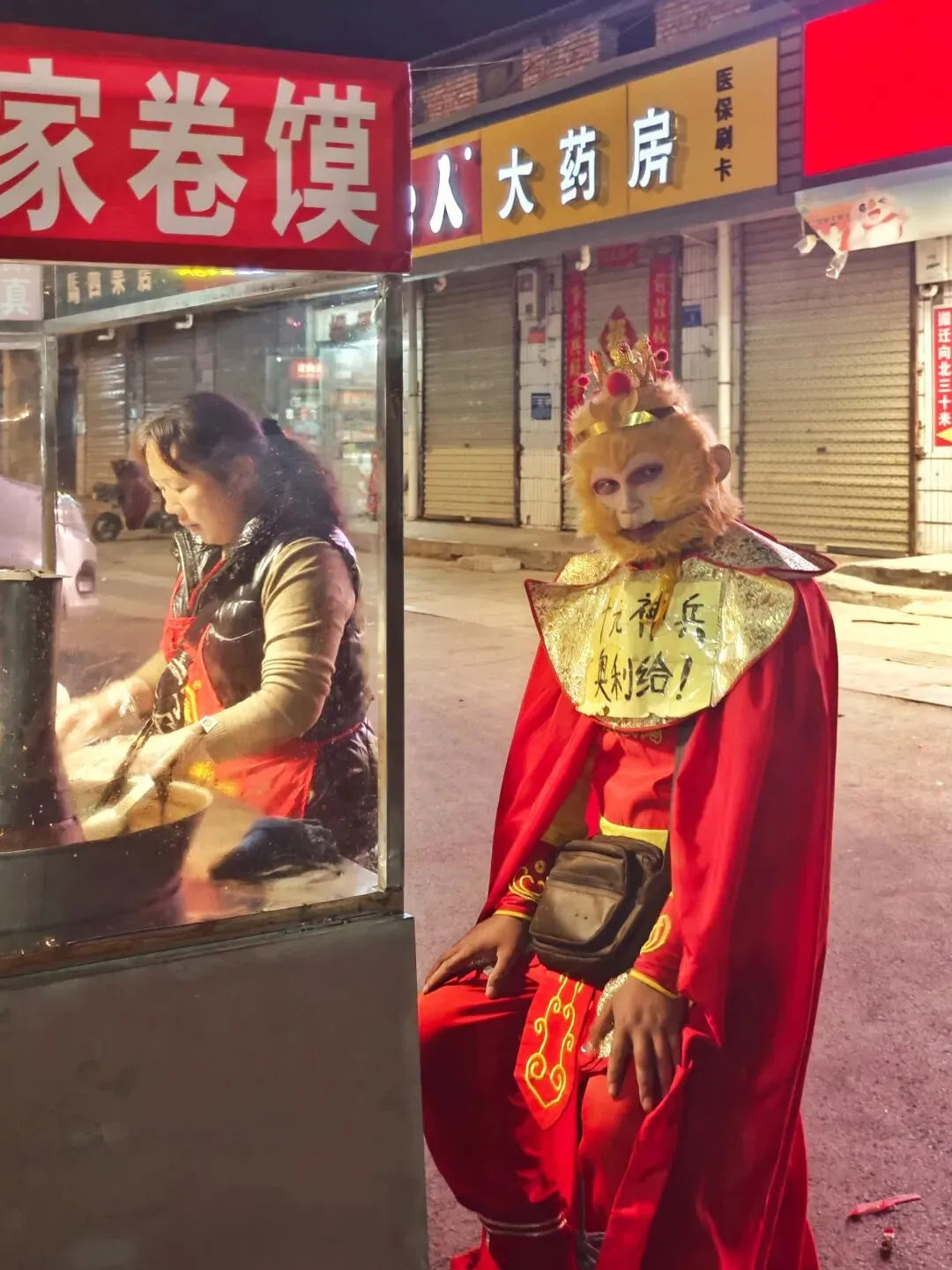
天上人间 No. 401 © 张晓
Photographic works presented in the form of adhesive prints intermingle with the aged rock band stickers embedded in the walls of LittleS. Scattered across corners and surfaces, these images resemble the stubborn residue of street posters—raw, pervasive, and unapologetically vernacular. They carry the texture of everyday life: fragmented, immediate, and marked by an unspoken weariness. In doing so, they echo the lived realities of those at the margins, while extending the site’s existing ethos of rock rebellion into a direct engagement with social conditions. This creates a cross-temporal dialogue between subcultural resistance and contemporary critique.
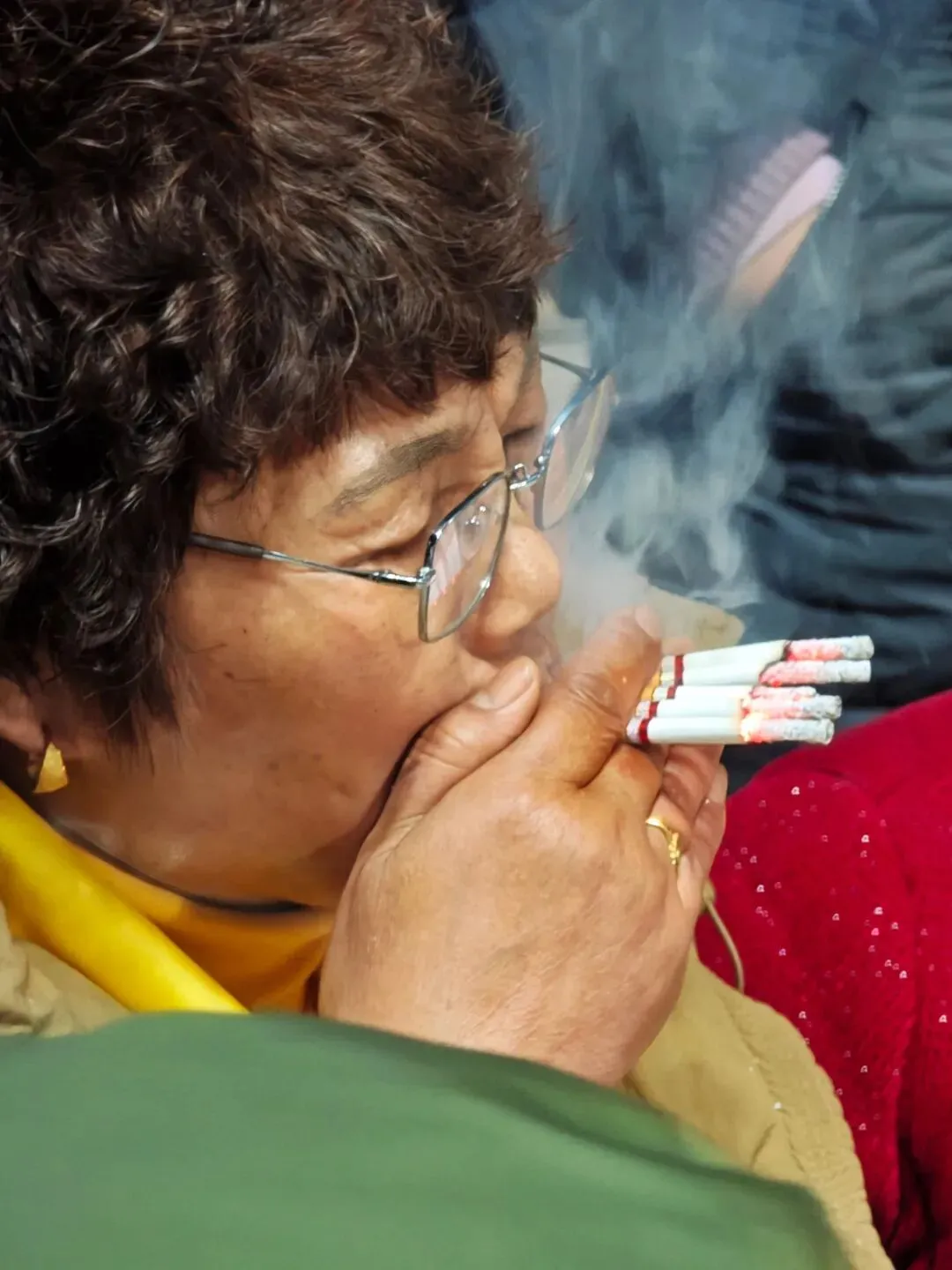
天上人间 No. 433 © 张晓
On the coffee tables, sculptural works form another layer of narrative. The artist creates a series of contemporary “Bodhisattvas,” figures that respond to present-day desires and predicaments—Guai Li Luan Shen (strange deities) fashioned for modern times. These sculptures accumulate like mountainous forms upon the tables, resembling a Babel tower built from collective wishes. Driven by existential anxiety and material pressures, people continually produce new objects of belief, attempting to re-approach the heavens. Yet this accumulation is ambivalent: it suggests both the construction of hope and the expansion of desire; it is at once a path upward and the potential beginning of collapse.
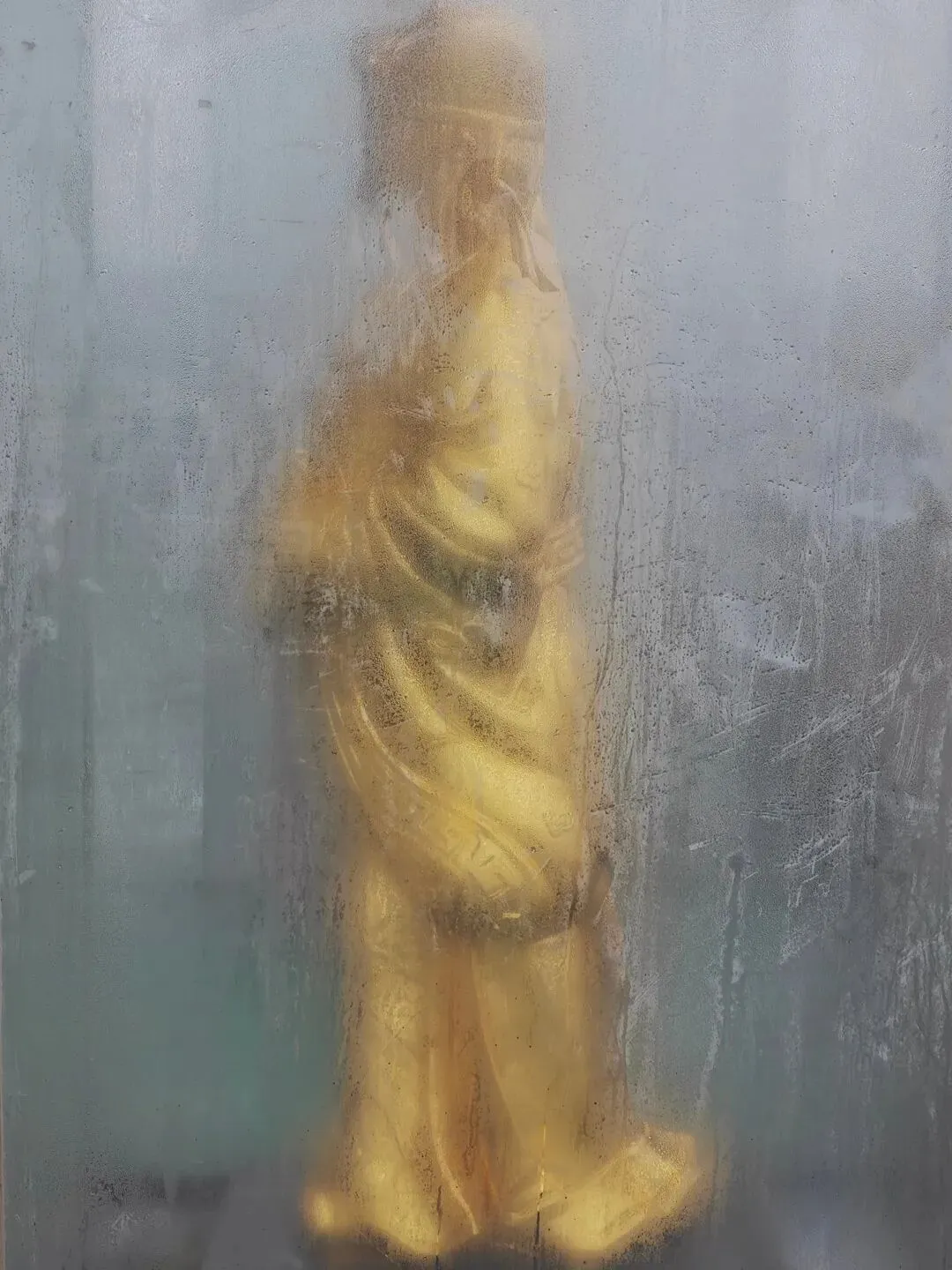
天上人间 No. 449 © 张晓
Inside the cabinets, the artist displays a long-term collection of wooden toy guns. In reality, firearms signify violence and power—objects subject to strict regulation and prohibition. Here, however, they appear as handcrafted items made by folk artisans or carved by elders for children. They are simple, even clumsy, yet possess a quiet sharpness. These wooden guns function both as toys and as symbols: they embody an imagined access to power among those for whom it remains out of reach. When real force is inaccessible, it is shaped through craft; when power cannot be possessed, it persists as a desire—both naive and heavy.
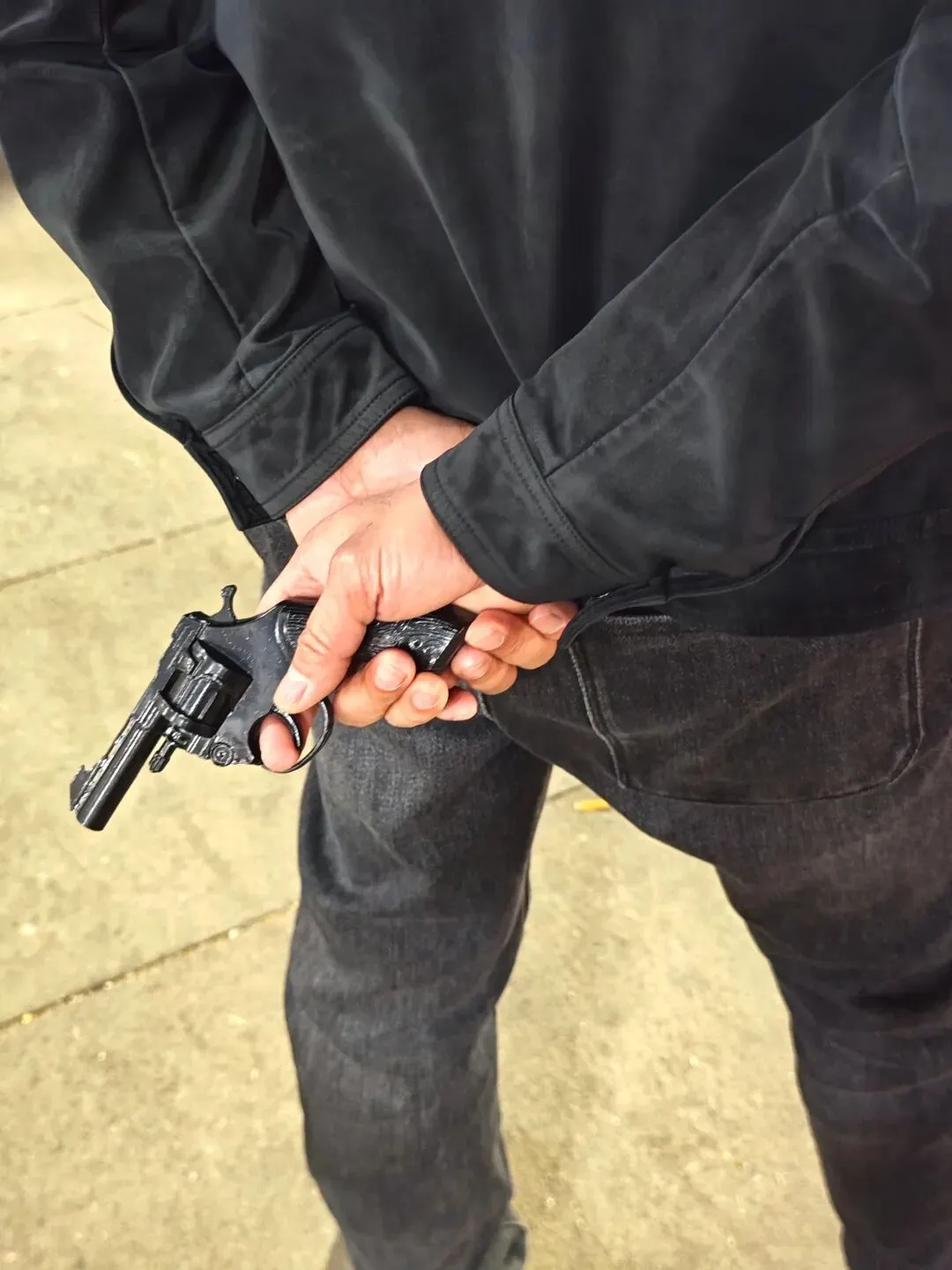
天上人间 No. 541 © 张晓
“Heaven” and “Earth” are not divided by vertical distance, but are two aspects of the same reality. Myth has never disappeared; it has merely assumed contemporary forms, concealed behind curtains, beneath advertisements, and within our most private acts of longing. As viewers move between the two spatial realms, they are led to ask: in an age of rapid development, are we drawing closer to “Heaven”, or further away from the real?
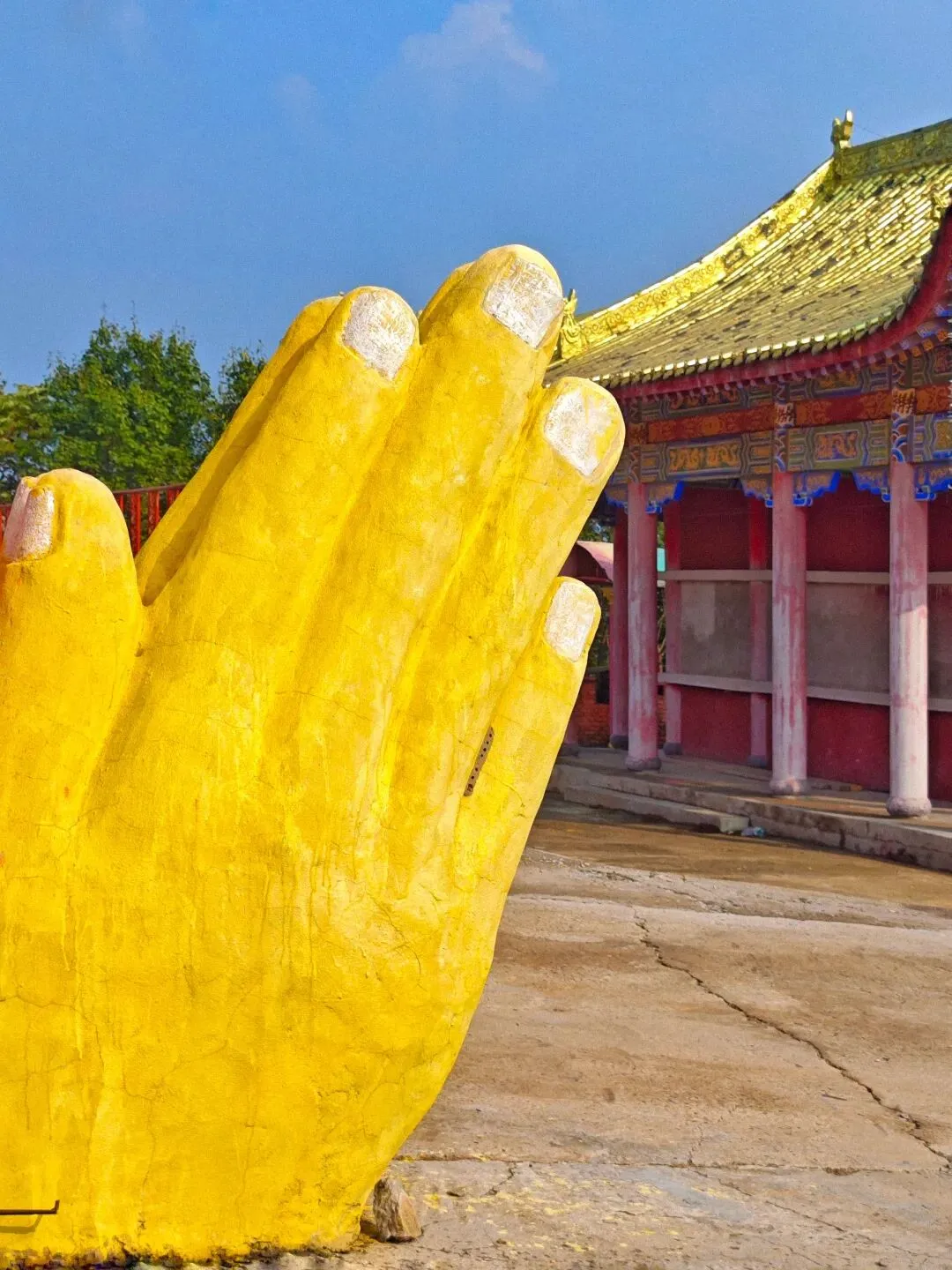
天上人间 No. 681 © 张晓
When the red curtain is drawn aside, when these constructed deities are gazed upon, we may come to realize that what demands reflection is not the distance between “Heaven” and “Earth”, but how we build our own worlds amid desire, concealment, and belief.
开幕式嘉宾
尺八:易佳林
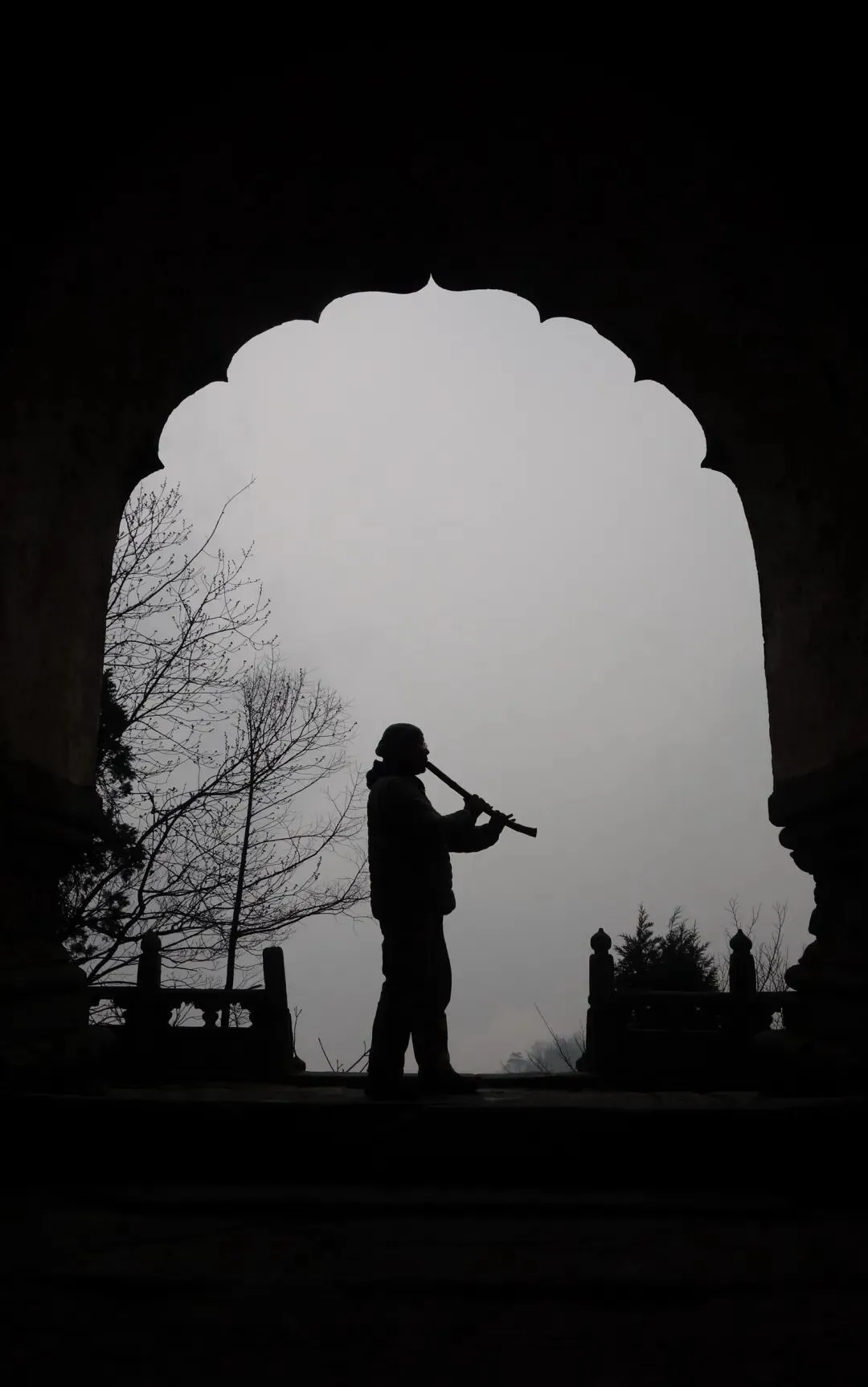
易佳林,尺八全方位研究者,重庆尺八非物质文化遗产代表性传承人、浙江农林大学竹子研究所客座研究员、中国林学会竹子分会理事,在尺八的演奏、作曲、制作、系统教学领域全面深耕,创建了中国中文尺八指法谱系“山河谱”,领衔开发世界首款尺八智能AI自学应用APP-易学尺八,出版了尺八独奏创作专辑《寻声》、《四时杂兴》,并参与纪录片《尺八·一声一世》纪录片拍摄。
大鼓武士: DATA
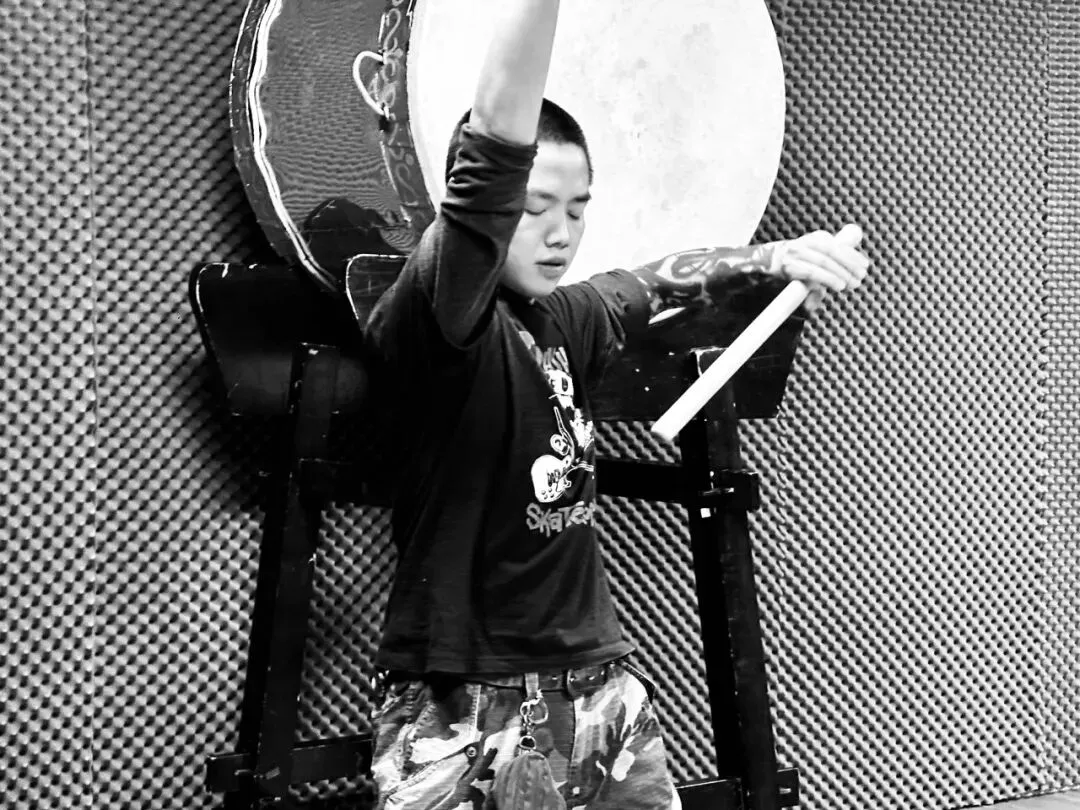
击鼓者,如是觉心
一念起,一念落
念念相续,声生不息
不动如山,动如雷霆
平面设计/唐朝 TANGCHAO
文案、摄影/张晓
排版/十六
小酒馆芳沁空间
是小酒馆LittleBar的衍生品牌和概念空间
我们关注青年艺术文化,鼓励原创
不定期举办各类展览、艺术活动及沙龙
↓↓关注我们,了解更多活动信息↓

联系我们:添加小酒馆芳沁空间官方小助理

开放时间:每周二至周日11:00-18:00(周一休)
地址:成都市高新区芳沁街87号附5号
