

从黄埔古港的千帆竞发,到琶洲展馆的万商云集,千年商都广州始终是中国与世界对话的窗口。而广交会,正是这扇窗口上最璀璨的玻璃——透过它,世界看见“广货”的过去、现在与未来。
第139届广交会春交会即将启幕。自1957年创办至今,这张“中国第一展”的金字招牌从未中断,它不仅是中国外贸的“晴雨表”“风向标”,更是“广货”走向世界、连接全球的第一窗口。
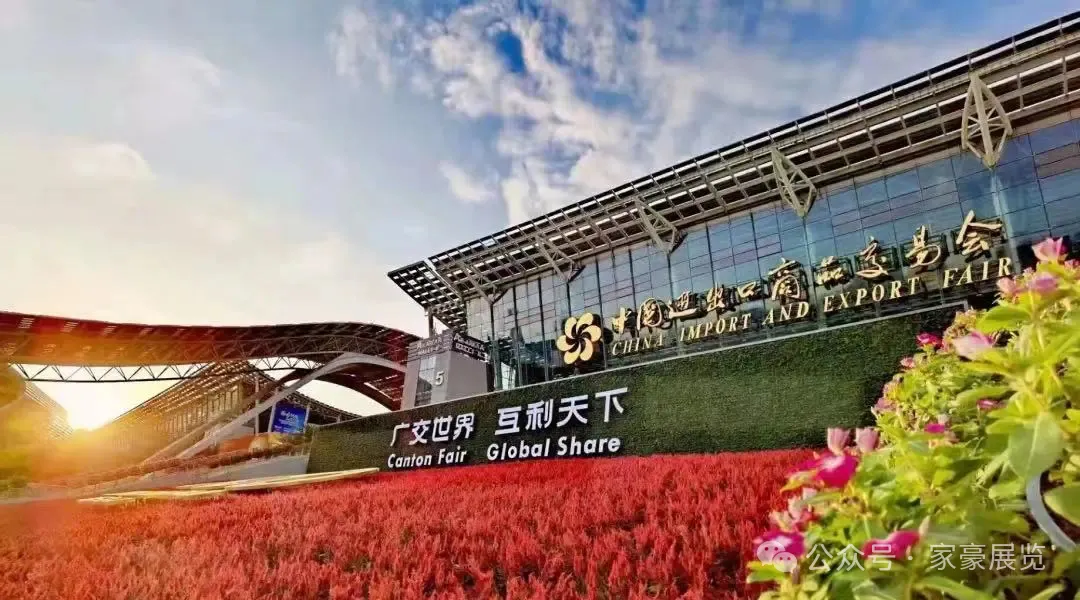
*图片来源:家豪展览公众号
点击展开英文版
Click to expand for English version
缘起广州,千年商都的天然使命
广交会为什么诞生于广州?答案,藏在两千年的海上丝绸之路里。
新中国成立初期,为打破西方世界对我国实行经济封锁、换取国家建设急需的外汇,广交会应运而生。而广州凭借深厚的对外贸易传统成为不二之选——早在清代,广州便是中国唯一对外贸易口岸,十三行商馆区的繁华,早已为这座城市刻下“联通世界”的烙印。
1957年4月25日,首届中国出口商品交易会在广州中苏友好大厦拉开帷幕,展出商品1万多种,成交1754万美元。从此,广交会开启了联通中国与世界的辉煌历程。
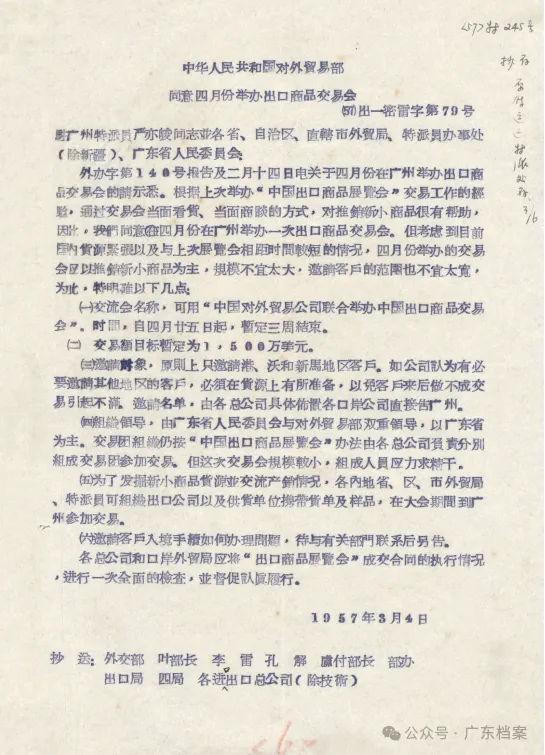
《中华人民共和国对外贸易部同意四月份举办出口商品交易会》(1957年3月4日)
这份文件的下发,标志着广交会正式诞生
*图片来源:广东档案公众号
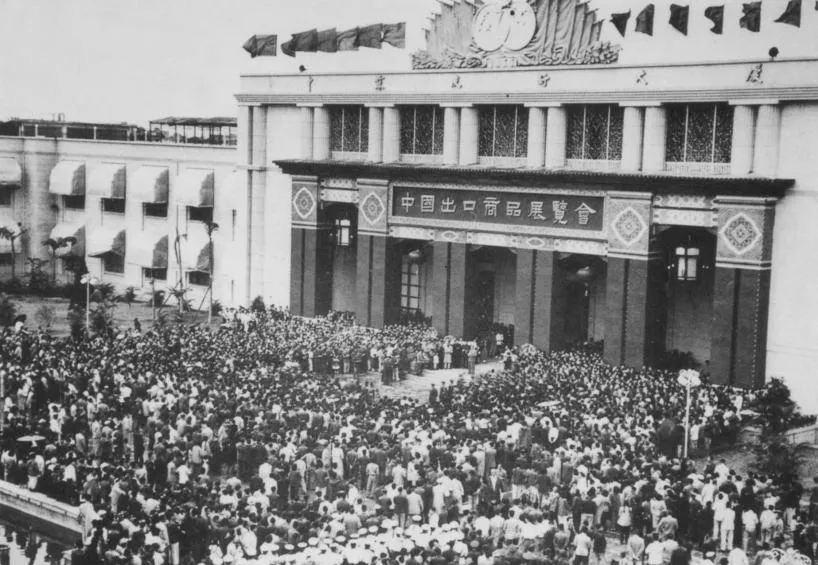
1957年春,第一届广交会在广州中苏友好大厦开幕
*图片来源:平安锡盟公众号
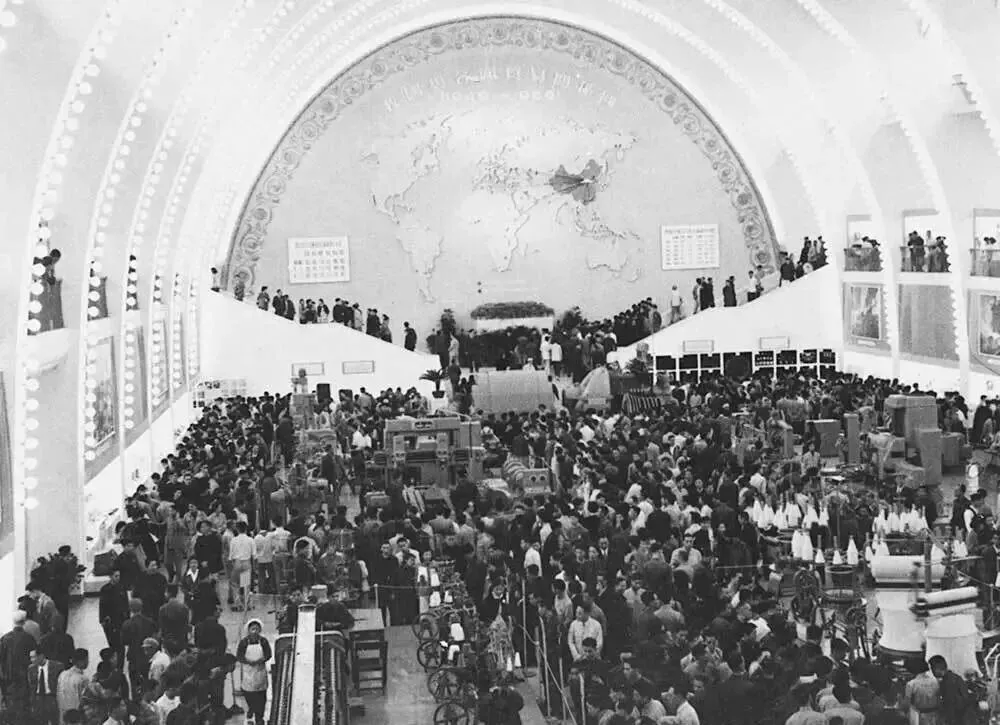
首届广交会盛况
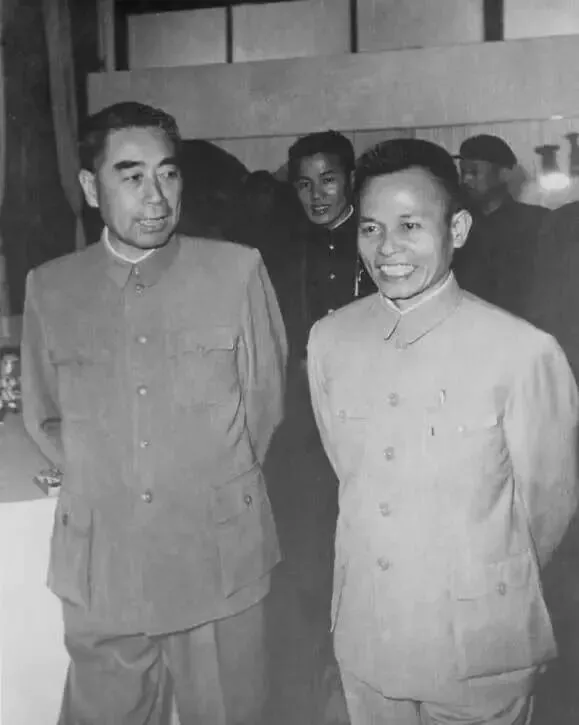
周恩来视察第一届广交会
*图片来源:私途 Canton Tour公众号

Born in Guangzhou: A Natural Role Rooted in History
Why was the Canton Fair established in Guangzhou? The answer lies in over two thousand years of the Maritime Silk Road.
In the early years of the People’s Republic of China, the fair was created to break economic blockades and earn much-needed foreign exchange for national development. Guangzhou, with its deep-rooted trading tradition, was the natural choice. As early as the Qing dynasty, it was China’s sole port for foreign trade, and the prosperity of the Thirteen Factories district had already cemented its identity as a city connected to the world.
On April 25, 1957, the first China Export Commodities Fair opened at the Sino-Soviet Friendship Building in Guangzhou, showcasing over 10,000 products and securing $17.54 million in transactions. From that moment, the Canton Fair began its remarkable journey of linking China with the global economy.
点击展开英文版
Click to expand for English version

历史回响,三代“广货”的出海记
六七十年代:巧夺天工的外销艺术品
上世纪六七十年代,广交会上最受外商追捧的,是精美绝伦的广东传统工艺品。
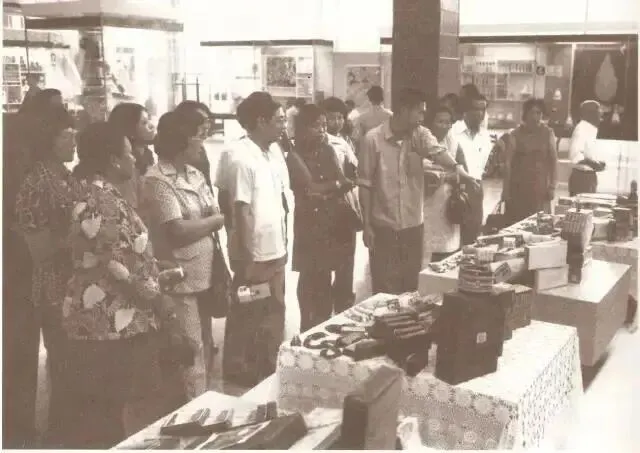
1961年第10届广交会,客商挑选轻工商品
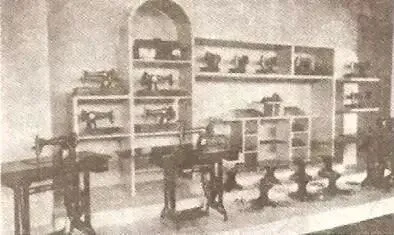
1961年第10届广交会展出的缝纫机
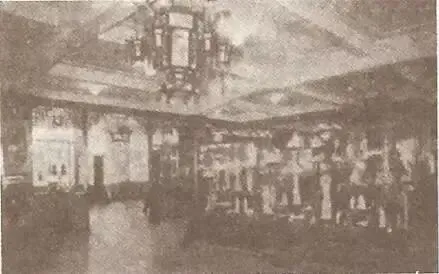
1961年第10届广交会,工艺陈列馆大厅陈列的象牙工艺品
*图片来源:旧爱广州公众号
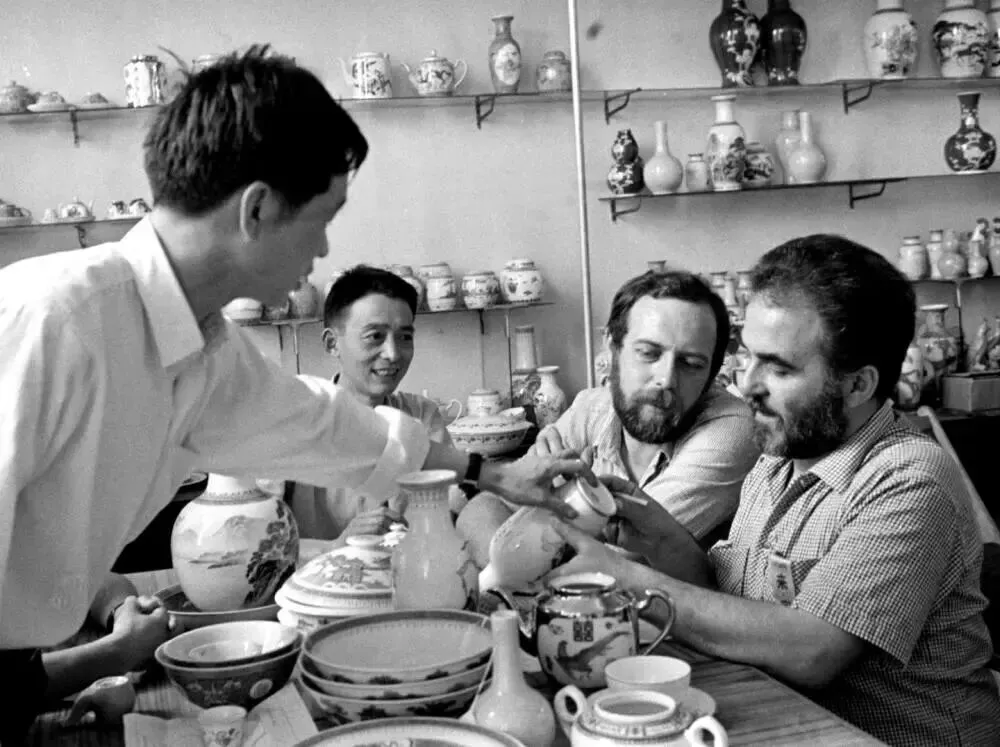
1978年春季广交会,意大利客商在洽谈选购驰名中外的景德镇瓷器
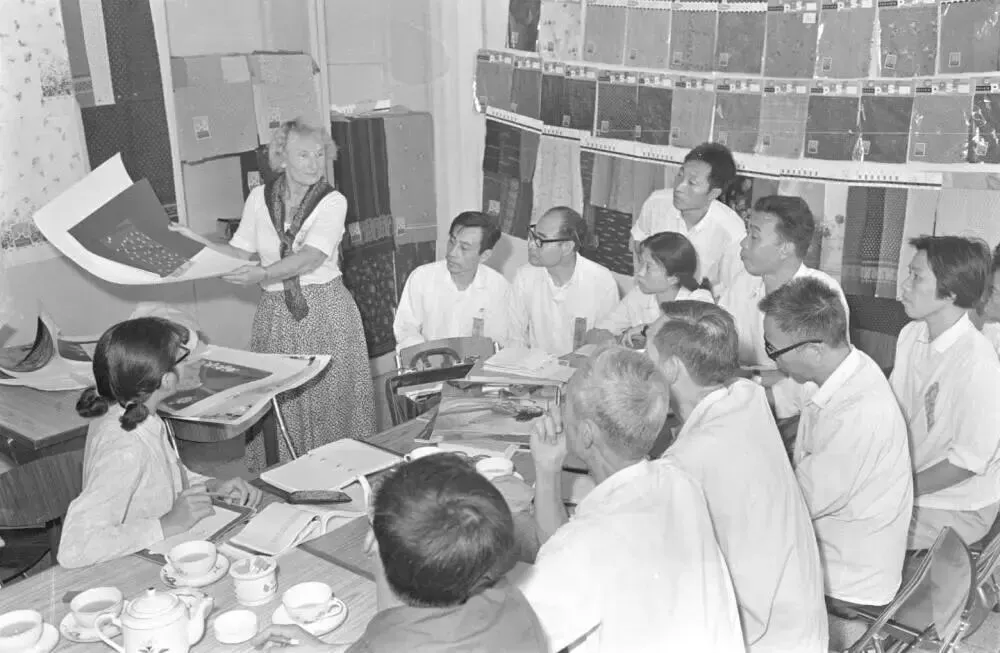
1978年秋季广交会,纺织品交易团工作人员请西德客商介绍西德丝绸花色样品,以便使出口商品产销对路
*图片来源:新华视界公众号
广绣以构图饱满、色彩艳丽著称,融合西洋画风的绣品成为西方贵族争相珍藏的珍品;广彩将景德镇白胎瓷按西方审美加彩烘烧,其中的徽章瓷,更是欧美显贵彰显身份的象征;牙雕则以镂空劈丝工艺令世界惊叹,薄如纸、玲珑剔透的象牙球,被誉为“东方艺术的顶峰”。
这些“广东制造”,既是中华传统工艺的杰出代表,也是中西审美融合的典范。
*图片来源:小红书博主@Shu的艺术札记
*图片来源:悦读&趣看展公众号
*图片来源:小红书博主@FUN TOMATO GO PEE
Echoes of History: Three Generations of “Made-in-Guangzhou”
1960s–1970s: Masterpieces of Export Craftsmanship
In the 1960s and 70s, the most sought-after exhibits at the Canton Fair were exquisite traditional Guangdong handicrafts.
● Guangzhou embroidery (Yue embroidery), known for its rich composition and vivid colors, blended Western artistic styles and became prized by European collectors.
● Guangcai porcelain combined Jingdezhen porcelain bodies with Guangzhou decoration tailored to Western tastes; its armorial porcelain became a symbol of status among European elites.
● Ivory carvings, famed for their intricate openwork techniques, amazed the world—delicate ivory balls, as thin as paper, were hailed as the pinnacle of Eastern artistry.
These products represented not only the finest of Chinese craftsmanship but also a fusion of Eastern and Western aesthetics.
点击展开英文版
Click to expand for English version
八十年代:“广东制造”的崛起
改革开放的春风吹遍南粤,广交会也见证了现代工业文明的崛起。
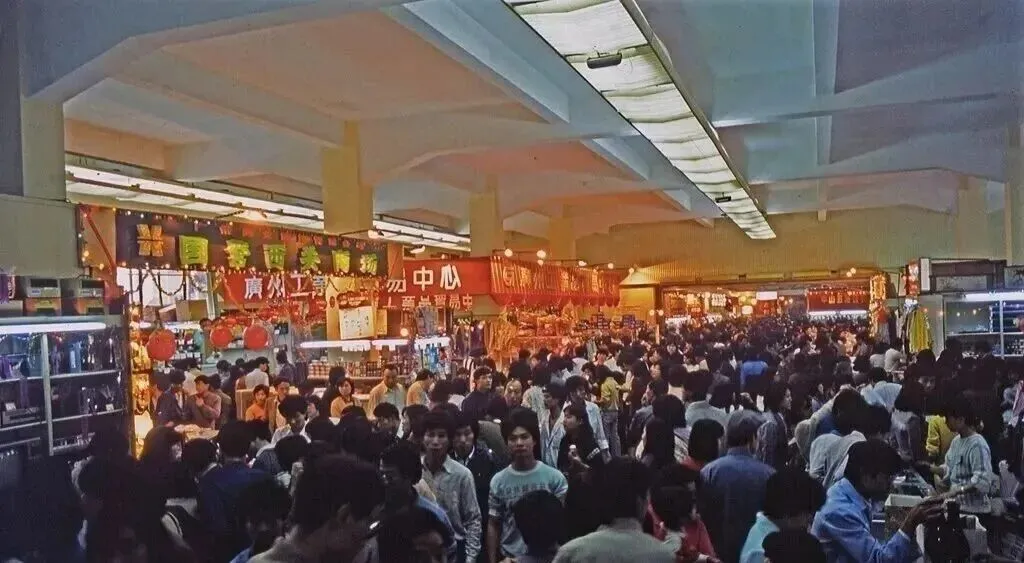
八十年代广交会
*图片来源:商业记录者景先生公众号
珠江冰箱厂(科龙前身)从这里走向世界,将中国冰箱推向全球市场;万宝电器同样借助广交会,让“中国造”家电走进千家万户。与此同时,生产企业、民营企业纷纷登上广交会舞台。美的、科龙等一批日后享誉全球的品牌,也是在此起步腾飞。
数据显示,从1978年到1999年,广交会成交额稳步提升了近5倍。成为“广东制造”走向世界的最强助力。
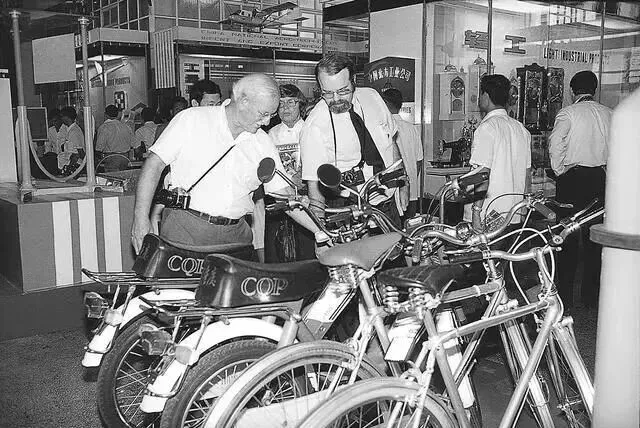
1982年第52届广交会,客商在选购摩托车、自行车
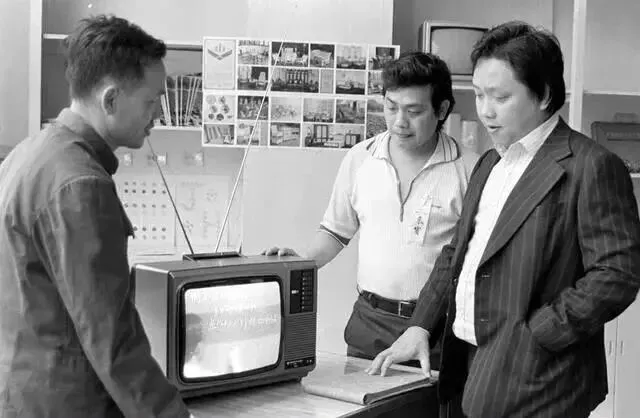
1983年第53届广交会,工作人员向客商介绍中日合资生产的福日牌电视机
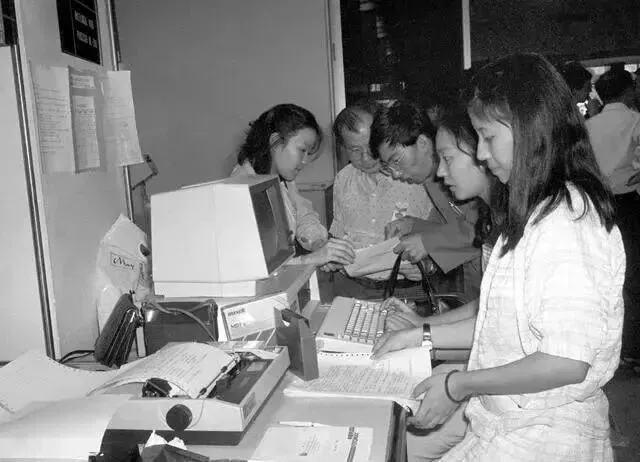
1984年第56届广交会展示的电脑
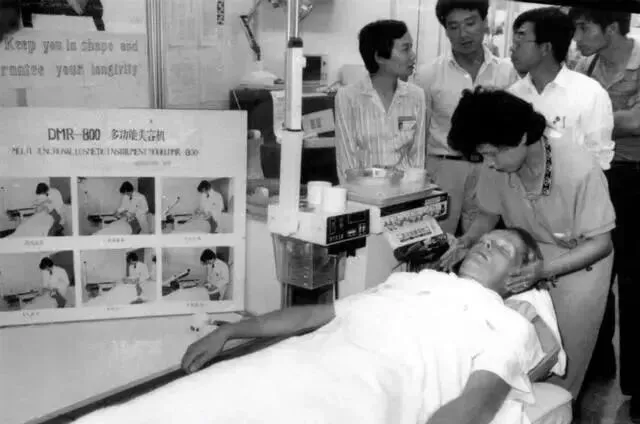
1988年第64届广交会,一款多功能美容仪首次在医药保健品交易团的展厅里展出
*图片来源:旧爱广州公众号
1980s: The Rise of “Made in Guangdong”
With the advent of reform and opening-up, the Canton Fair witnessed the rise of modern industry.
● Pearl River Refrigerator Factory (predecessor of Kelon) expanded globally from this platform, bringing Chinese appliances to international markets.
● Wanbao Appliances also leveraged the fair to introduce Chinese-made home appliances worldwide.
At the same time, state-owned and private enterprises began to take center stage. Brands like Midea and Kelon, now globally recognized, began their ascent here.
From 1978 to 1999, transaction volumes at the Canton Fair increased nearly fivefold, making it a powerful engine driving “Made in Guangdong” onto the world stage.
点击展开英文版
Click to expand for English version
如今:“广州智造”引领创新
今日的广交会上,“广货”已完成从“制造”到“智造”的华丽转身。
智能家居大放异彩:可无缝嵌入各种空间的智能控制系统、自带感应功能的按摩浴缸,让境外采购商眼前一亮。
时尚设计融合“新国风”:以天然大理石与环保漆打造的浴室柜,兼顾美观与绿色理念。
文创礼品创意无限:采用回收咖啡渣制成的环保面料、可再生聚酯纤维制作的毛绒礼品,既满足国际市场的可持续发展需求,也展示了广州文创的鲜活活力。
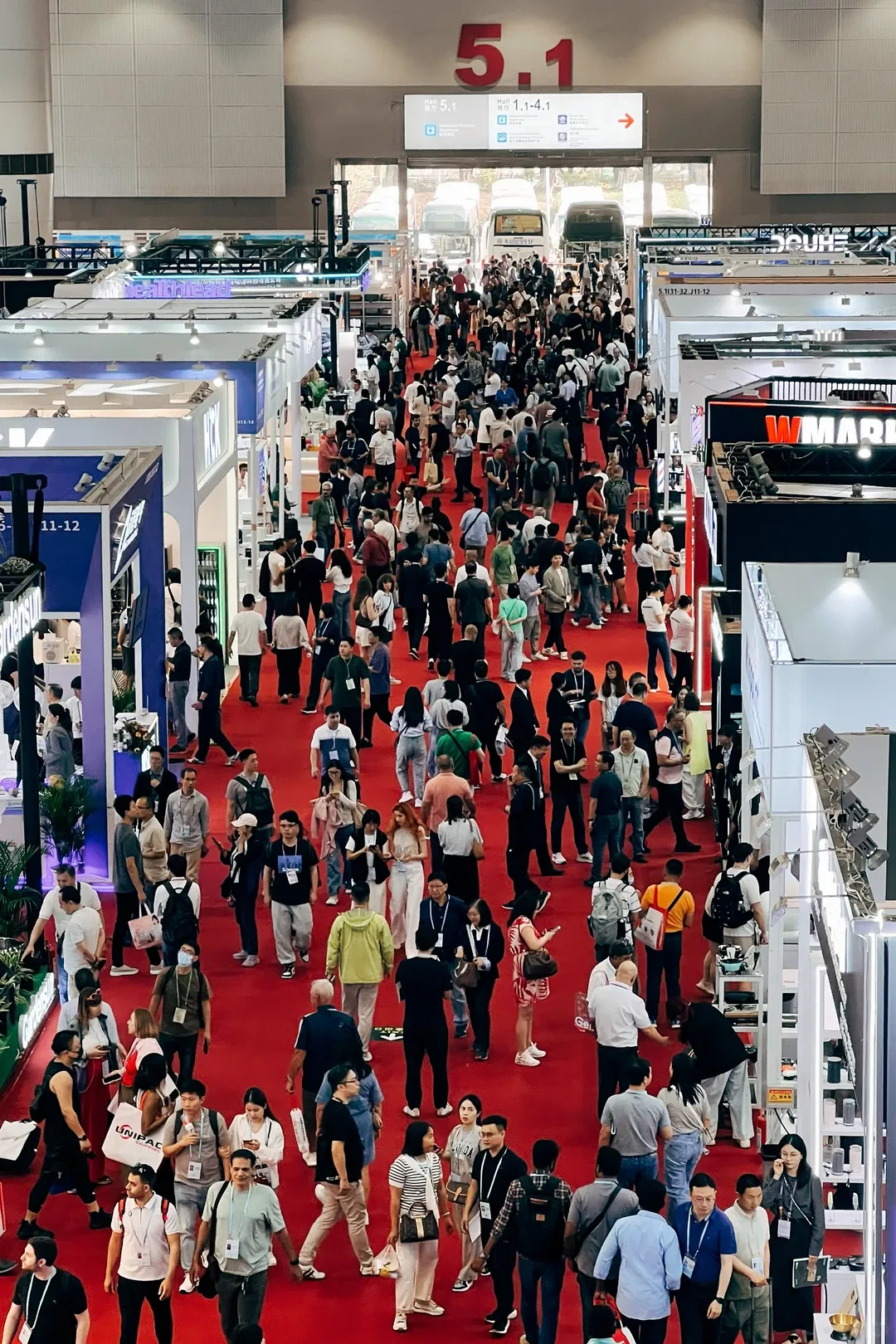
*图片来源:小红书博主@爱啡客
第138届广交会上,拥有国家级高新技术企业等称号的优质企业超2900家,广州正以创新和绿色为双翼,向世界展示“中国品质”的新高度。

Today: “Smart Manufacturing in Guangzhou”Leads Innovation
At today’s Canton Fair, “Made-in-Guangzhou” has evolved into “Smart Manufacturing in Guangzhou.”
● Smart home solutions impress global buyers with integrated control systems and sensor-equipped products like intelligent massage bathtubs.
● Contemporary design meets “New Chinese Style”, combining materials like natural marble with eco-friendly finishes.
● Creative cultural products showcase sustainability, including fabrics made from recycled coffee grounds and plush items using renewable polyester fibers.
At the 138th Canton Fair, more than 2,900 high-quality enterprises, including national high-tech companies, participated. Guangzhou is now showcasing a new standard of Chinese quality, driven by innovation and sustainability.
点击展开英文版
Click to expand for English version

从“卖全球”到“买全球”
广交会见证了中国外贸的深刻变革。
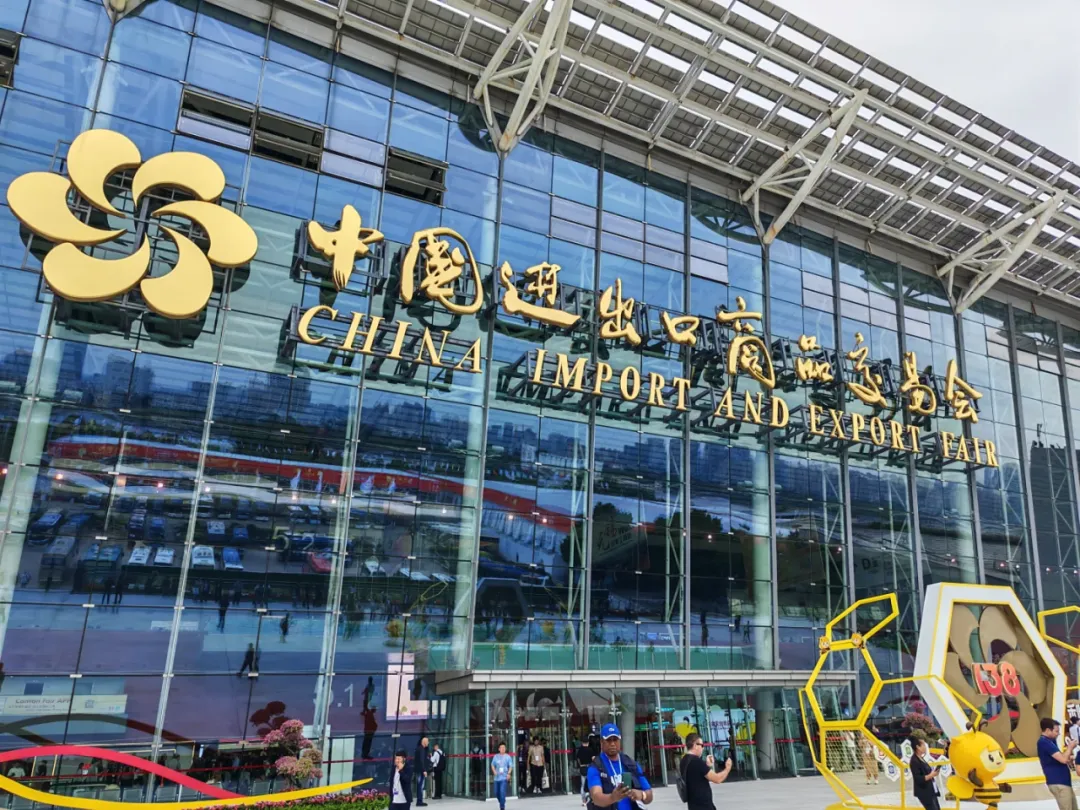
从早期年出口成交额占全国30%以上,到2001年中国加入世界贸易组织后,广交会迎来黄金发展期。从2007年第101届起,“中国出口商品交易会”更名为“中国进出口商品交易会”,增设进口展区,由单一出口平台变为进出口双向交易平台。
*图片来源:小红书博主@芝士界-Nina
这一字之变,标志着中国外贸从“扩大出口”到“进出口平衡发展”的重大转变。如今,来自40个国家和地区的企业参加进口展,土耳其地毯、韩国化妆品、马来西亚咖啡……这些来自全球的优质商品,通过广交会进入中国百姓家庭,让“买全球”成为现实。
从1957年1200多位采购商到如今每届近20万境外采购商,从最初9600平方米展馆到如今超150万平方米的琶洲国际会展中心,广交会的成长轨迹正是中国外贸发展的缩影。
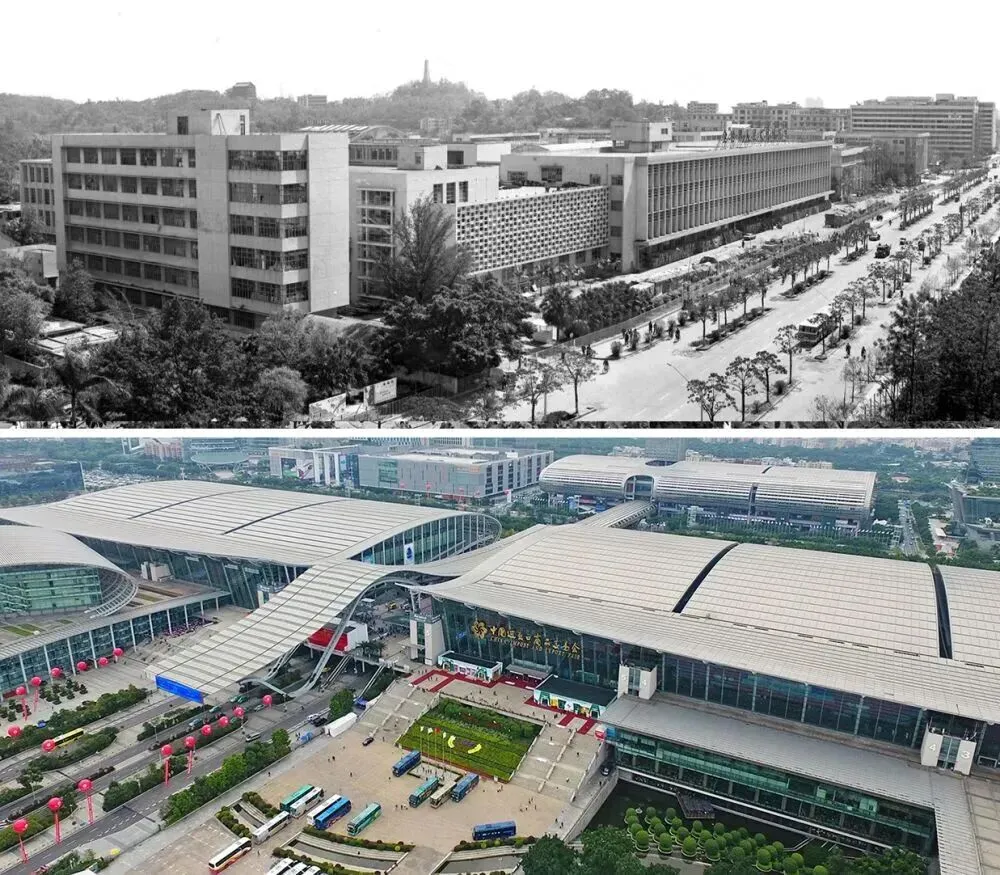
上图:中国出口商品交易会原会址:流花湖畔的广州对外贸易中心。
下图:中国进出口商品交易会会址:广州琶洲会展中心。
*图片来源:新华视界公众号
而“广货”,也在这波澜壮阔的历程中不断蜕变,从广绣广彩的传统工艺,到万宝电器的现代制造,再到智能家居的科技创新,始终与世界潮流同频共振。
第139届广交会即将启幕。琶洲展馆内,广州企业已准备就绪,他们带来的不仅是优质产品,更是千年商都的创新活力、开放胸襟与中国品质的底气。
世界通过这扇窗,看见中国制造的实力与品质;中国通过这扇窗,拥抱世界的机遇与精彩。

From “Selling to the World” to “Buying from the World”
The Canton Fair has also witnessed a profound transformation in China’s foreign trade.
In its early years, export transactions accounted for over 30% of China’s total exports. After China joined the World Trade Organization in 2001, the fair entered a golden era of growth.
In 2007 (the 101st session), it was renamed from the China Export Commodities Fair to the China Import and Export Fair, adding an import exhibition section and transforming into a two-way trade platform.
This subtle name change marked a major shift—from prioritizing exports to balancing imports and exports. Today, companies from over 40 countries and regions participate in the import section, bringing products like Turkish carpets, Korean cosmetics, and Malaysian coffee into Chinese households—making “buying from the world” a reality.
From more than 1,200 overseas buyers in 1957 to nearly 200,000 per session today, and from an exhibition space of 9,600 square meters to over 1.5 million square meters at the Pazhou Complex, the Canton Fair’s growth mirrors the rise of China’s foreign trade.
Meanwhile, “Made-in-Guangzhou” has continuously evolved—from traditional crafts like embroidery and porcelain, to modern manufacturing, to cutting-edge smart innovation—always in step with global trends.
As the 139th Canton Fair approaches, exhibitors in Pazhou are ready. What they bring is not just high-quality products, but also the enduring spirit of Guangzhou: innovation, openness, and confidence in Chinese quality.
Through this window, the world sees the strength and sophistication of Chinese manufacturing—and through the same window, China embraces the opportunities and possibilities of the world.
点击展开英文版
Click to expand for English version