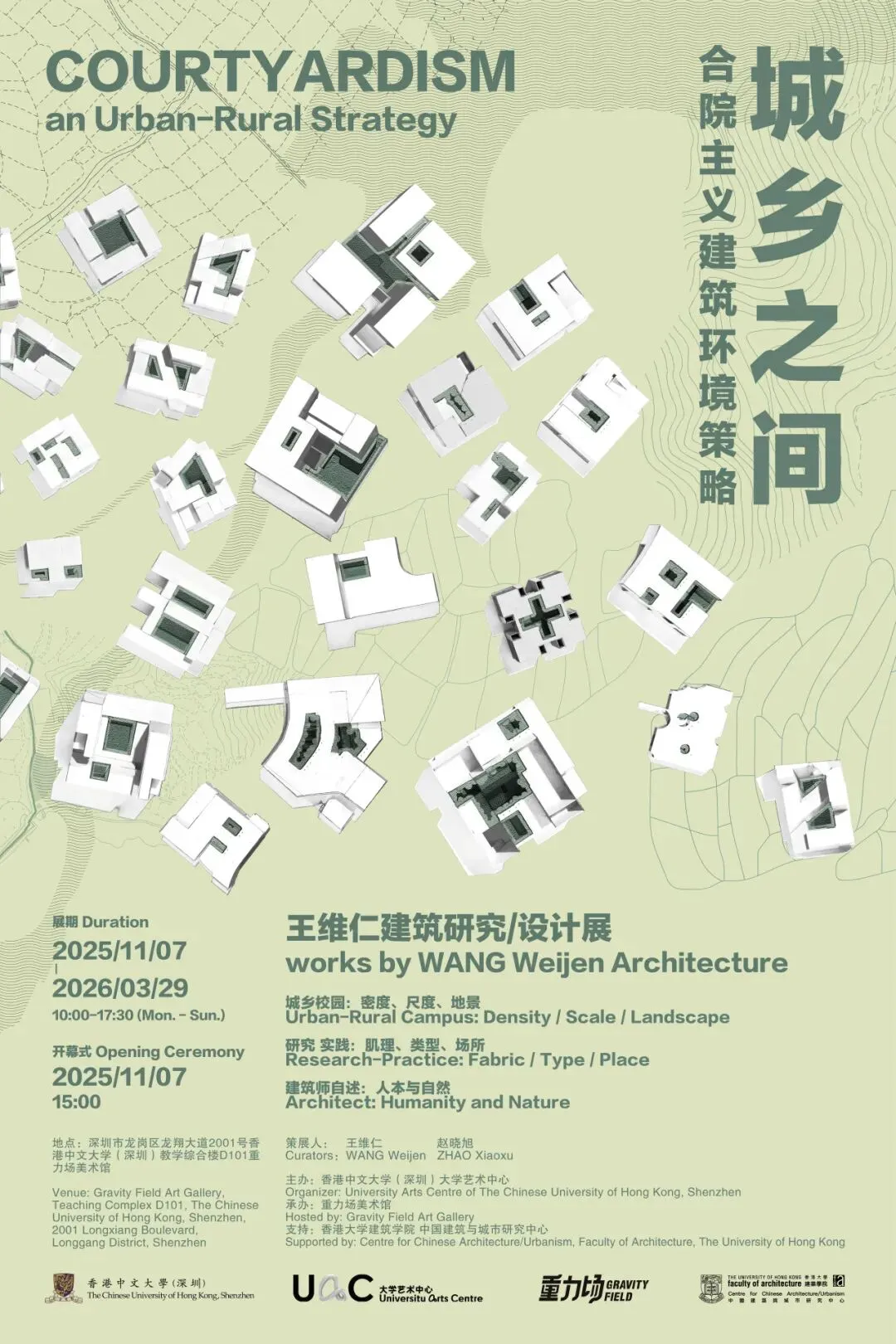
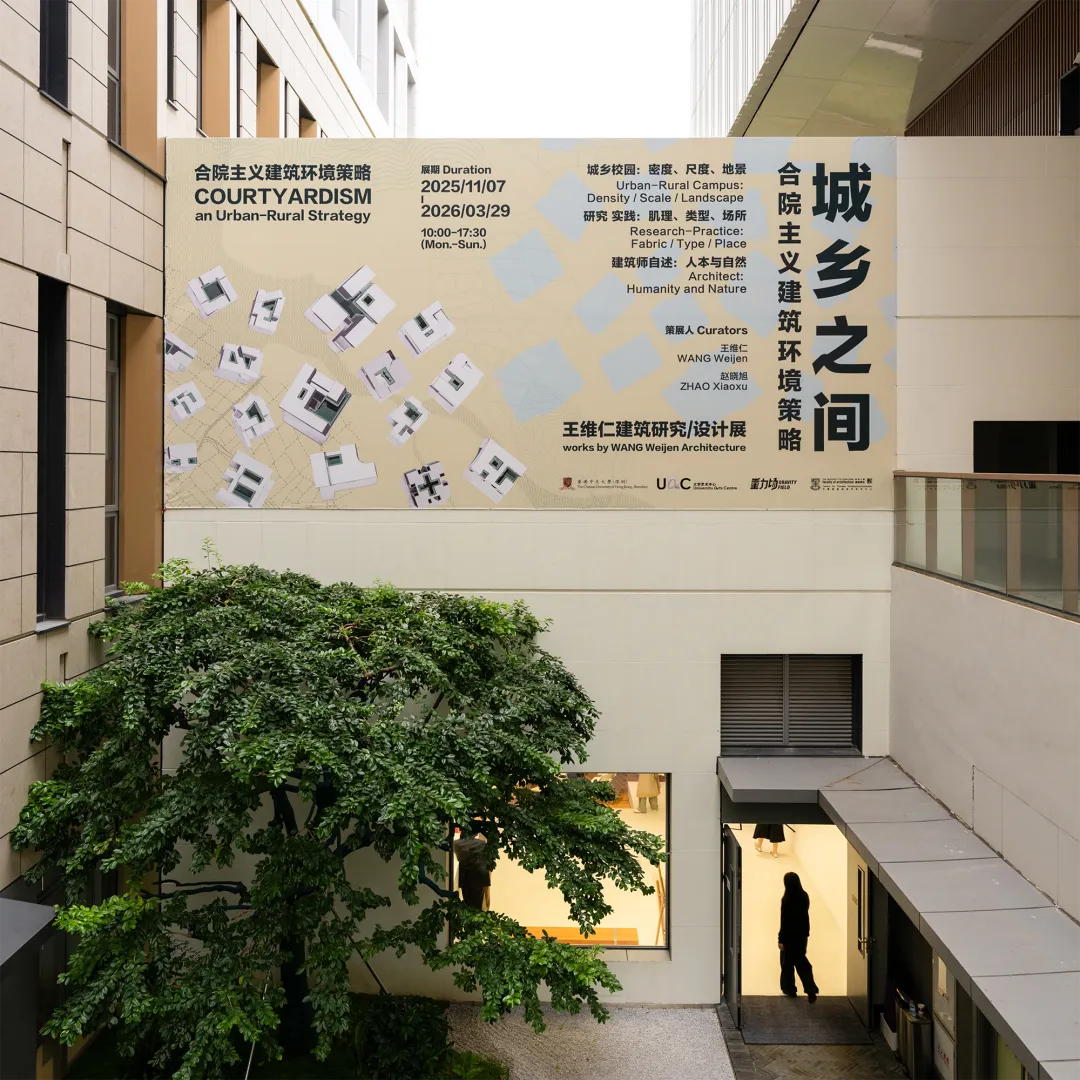
城乡之间:合院主义建筑环境策略
王维仁建筑研究/设计展
Courtyardism: an Urban-Rural Strategy
works by WANG Weijen Architecture
—
策展人 Curators
王维仁 WANG Weijen、赵晓旭 ZHAO Xiaoxu
展期 Duration
2025.11.07—2026.03.29(春节假期2026.02.10—02.26闭馆)
10:00—17:30(周一至周日 Mon.—Sun.)
地点 Venue
香港中文大学(深圳)重力场美术馆 Gravity Field Art Gallery, CUHK Shenzhen前言
Preface
—
在中国快速变迁的城乡环境中,建筑如何彰显空间的场所特性与人文精神?面对大体量、多功能、高密度的需求,建筑如何调控尺度,建立单体与群体的关系,促进建筑景观与自然环境的互动?
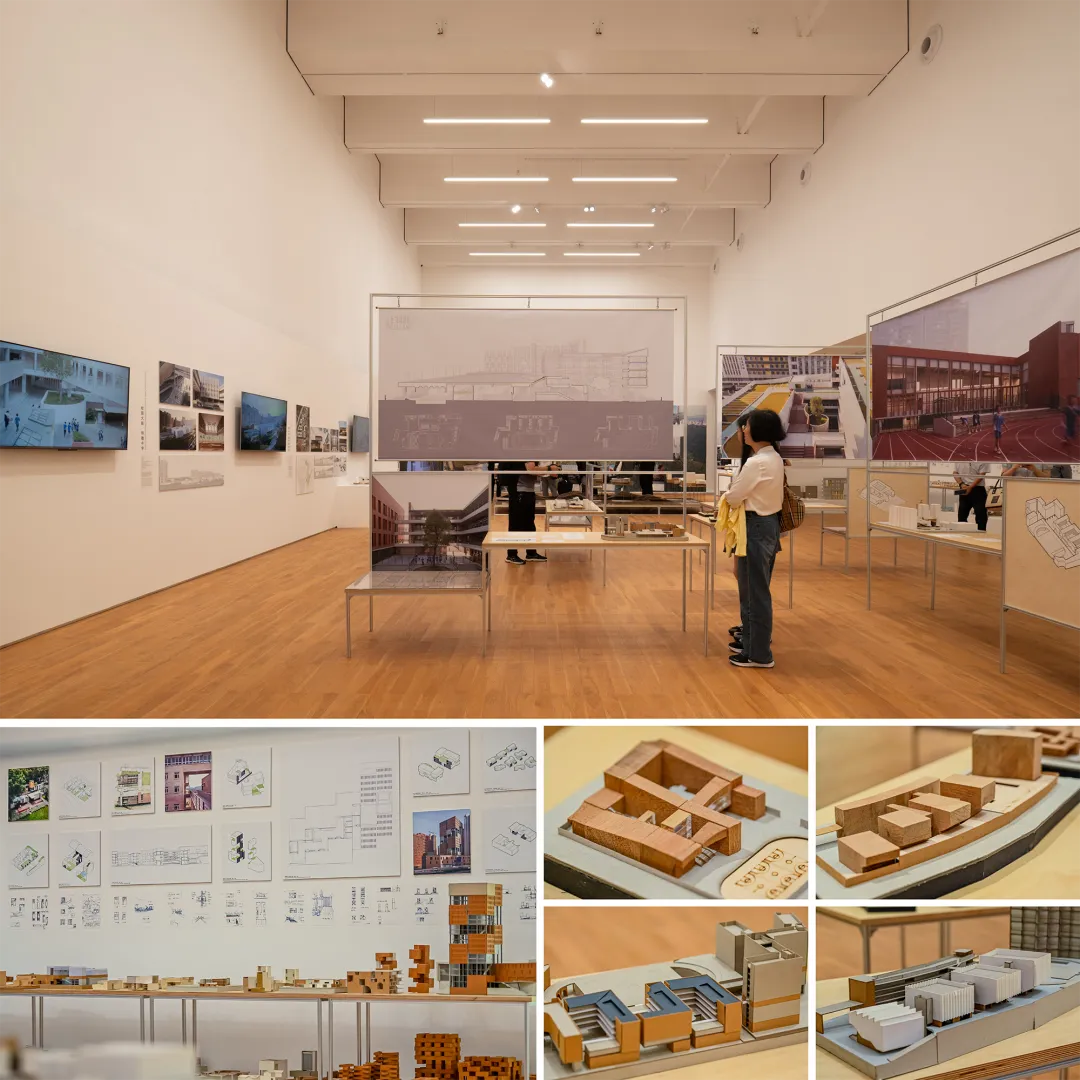
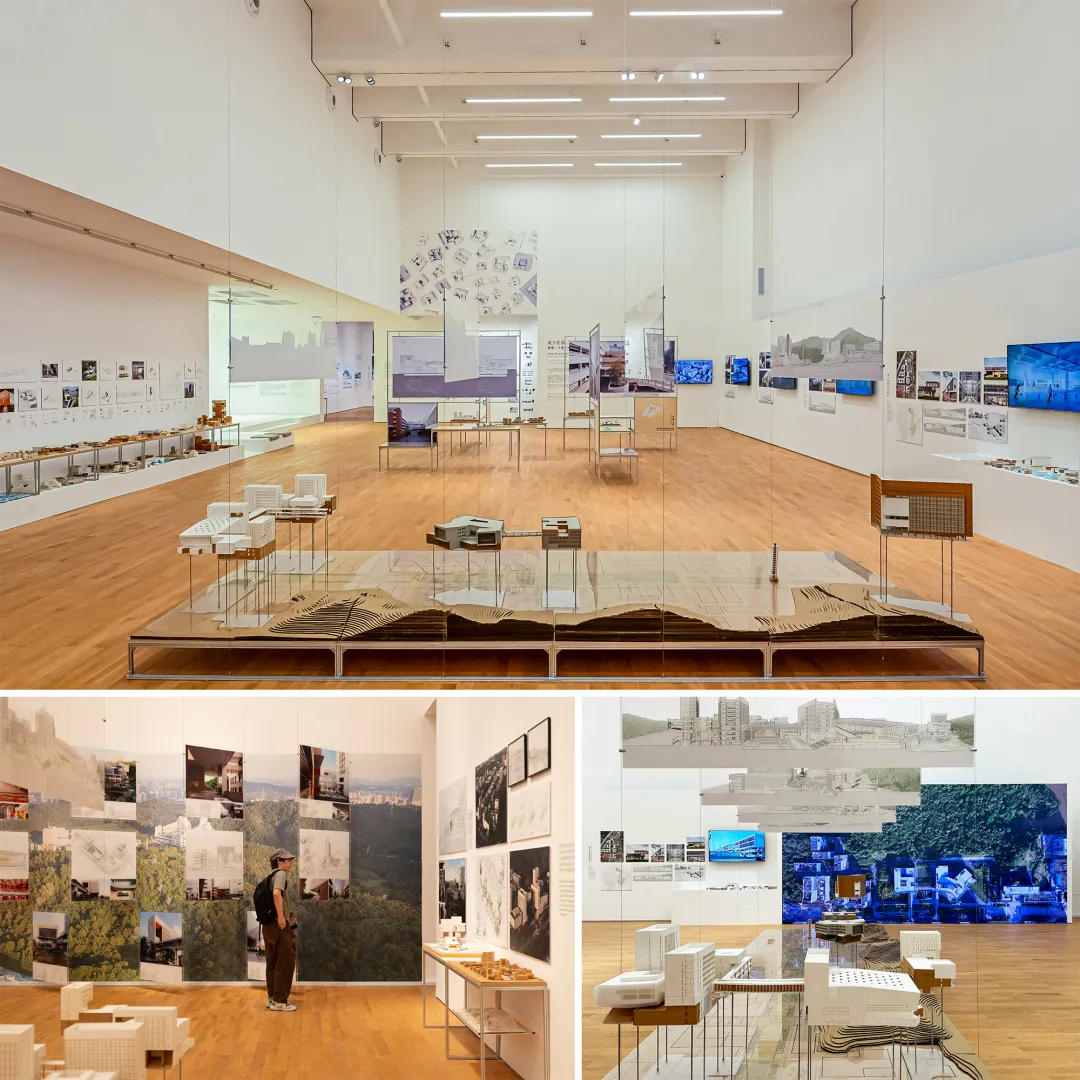
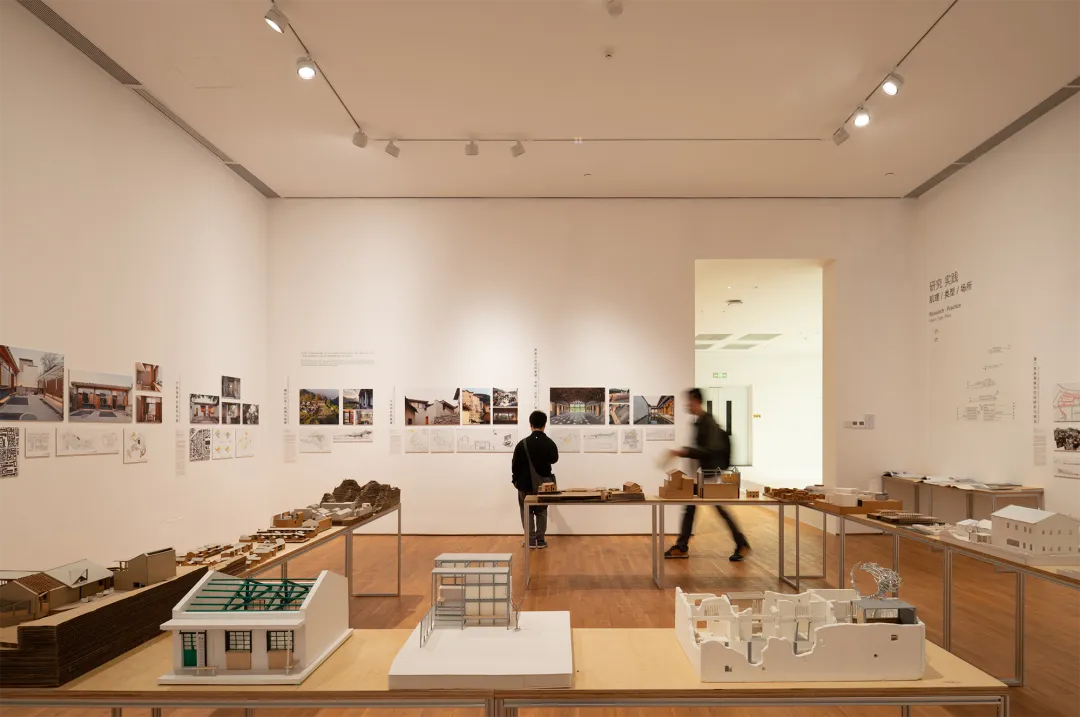
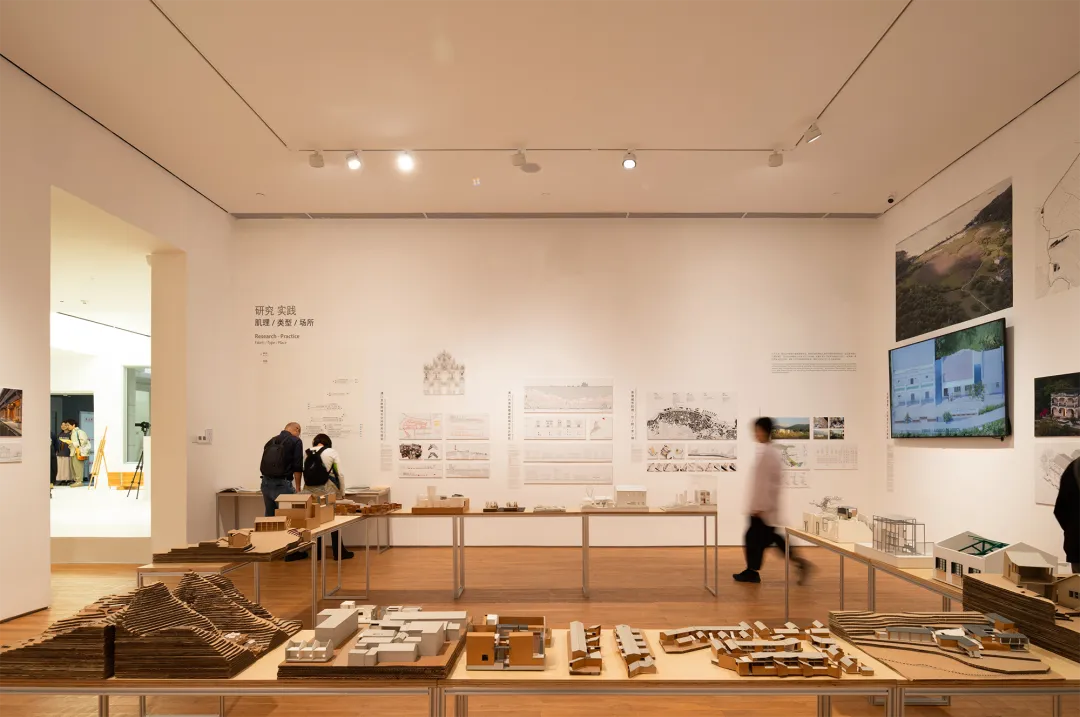
本次展览以“城乡校园:密度、尺度、地景”“研究实践:肌理、类型、场所”与“建筑师自述:人本与自然”三部分展开,从多重视角呈现王维仁建筑设计研究室近二十年来,以合院主义为建筑环境策略所展开的城乡实践。除了城乡校园与社区建筑的设计实践,展览也梳理了研究室在城乡环境中持续的田野式调查与研究,体现建筑师对人本尺度、生态自然与社区场所的坚持,以及游走于城乡之间的工作日常。
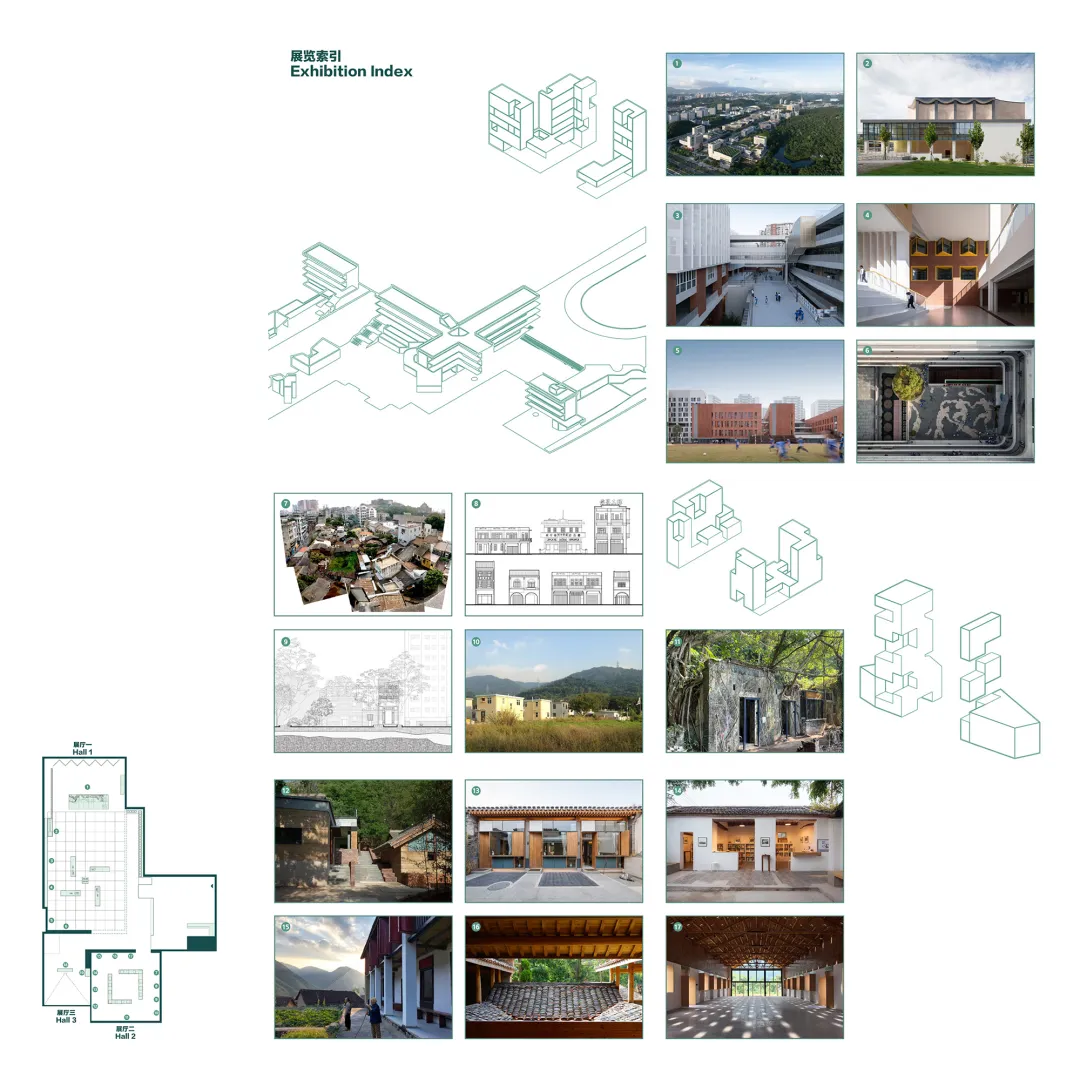
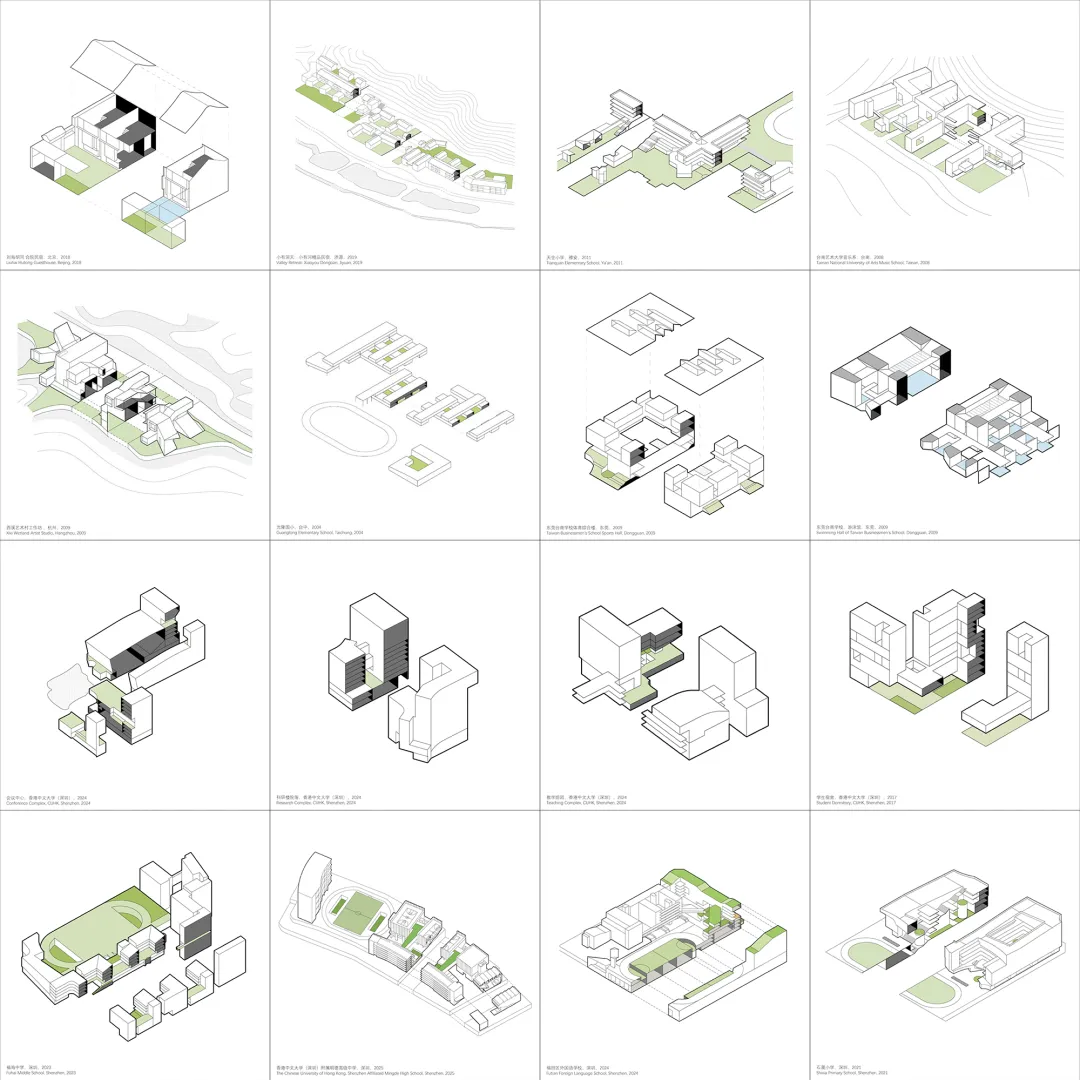
“城乡校园”探讨合院主义作为跨文化空间原型:合院,在当代高密度城市,如何发展为一种多层立体城市空间系统,协调建筑的空间尺度与自然景观。透过研究室近年完成的校园设计包括香港中文大学(深圳),深圳石厦小学、明德高中、福海中学、福田外国语学校以及松阳丽水学院,展览进一步探讨合院主义作为一种类型学的剖面设计方法,如何通过叠加与交错、围合与连接、序列与过渡、大树与水塘,形成有效的空间策略,维系建筑的人本和生态环境的可持续。
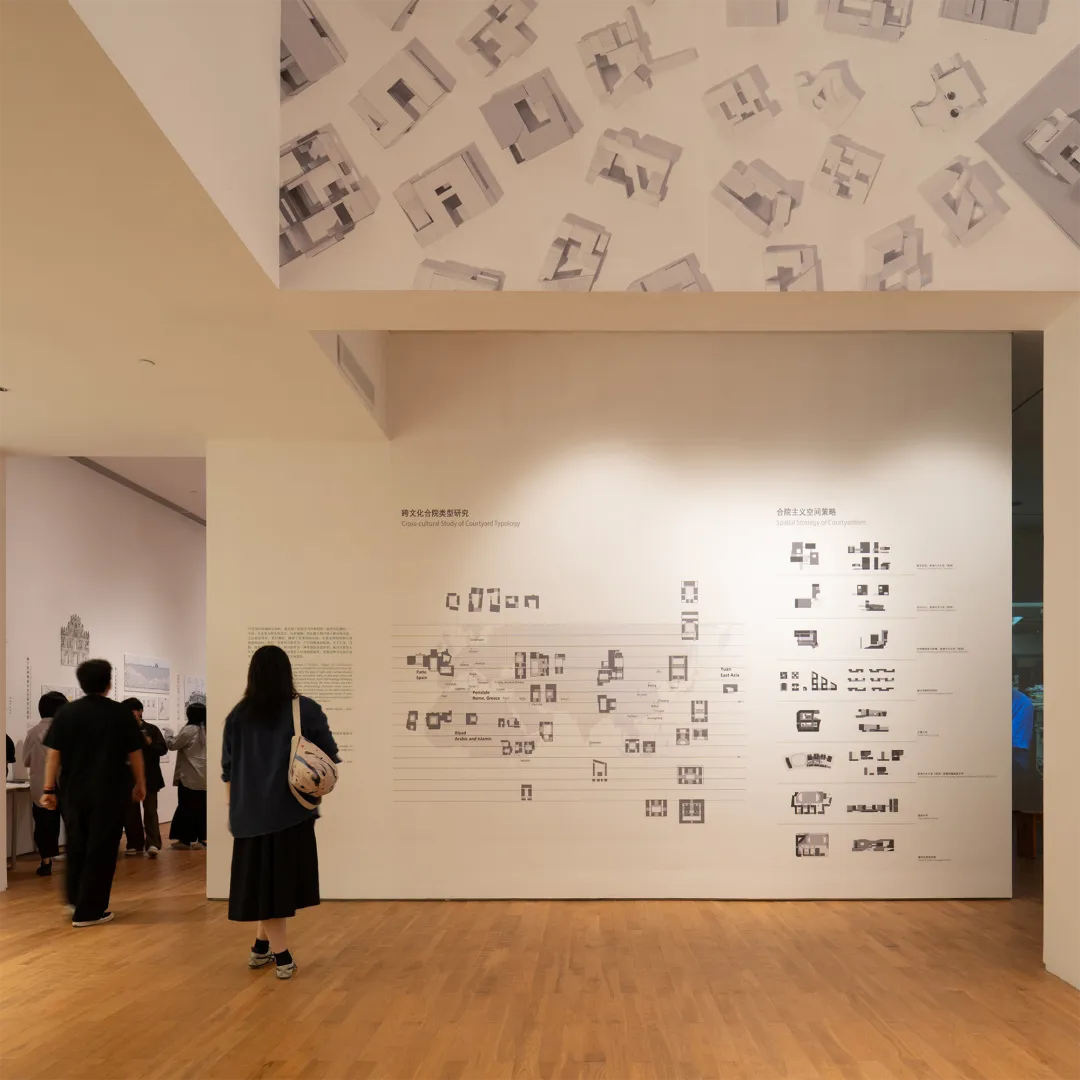
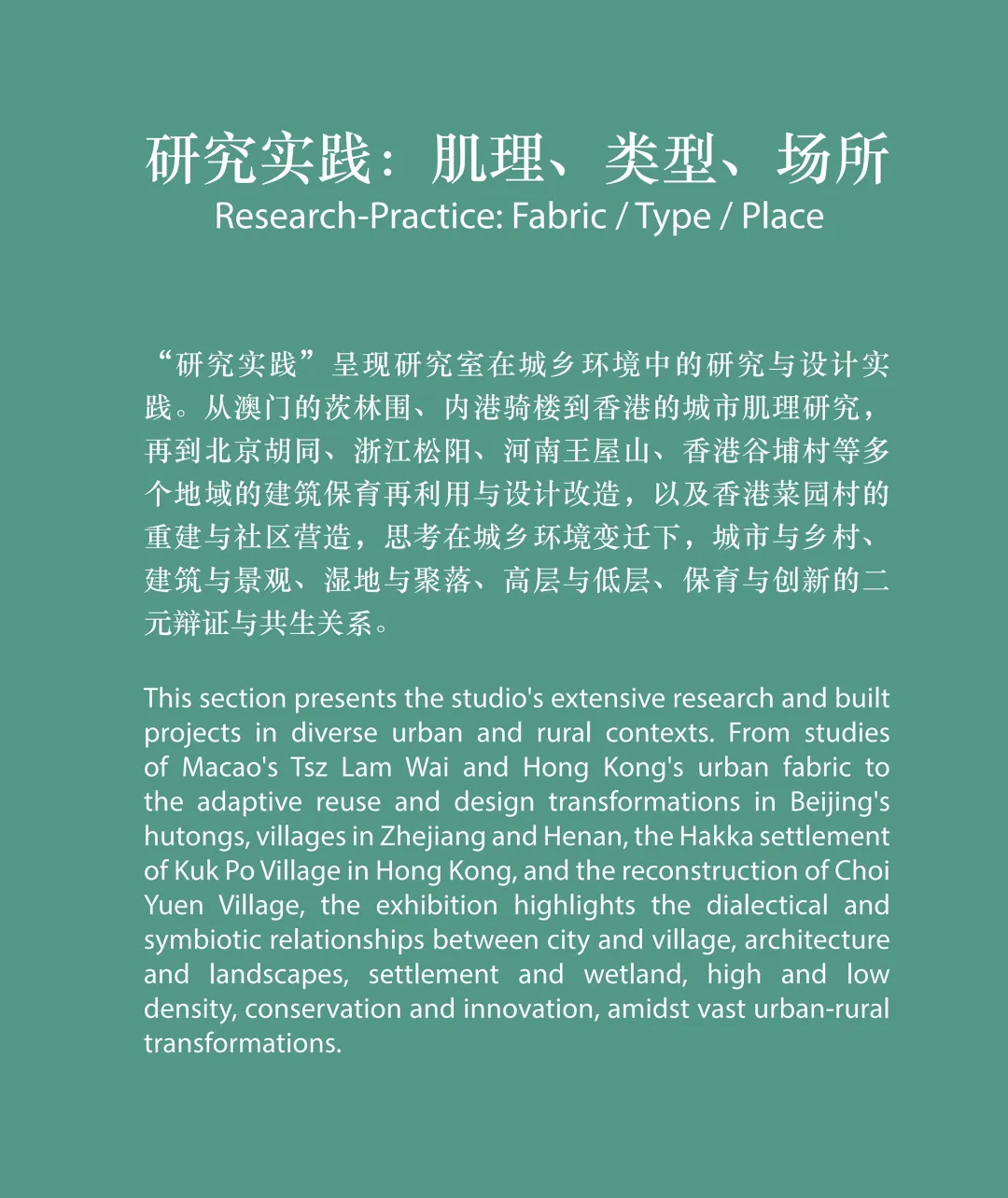
“研究实践”呈现研究室在城乡环境中的研究与设计实践。从澳门的茨林围、内港骑楼到香港的城市肌理研究,再到北京胡同、浙江松阳、河南王屋山、香港谷埔村等多个地域的建筑保育再利用与设计改造,以及香港菜园村的重建与社区营造,思考在城乡环境变迁下,城市与乡村、建筑与景观、湿地与聚落、高层与低层、保育与创新的二元辩证与共生关系。
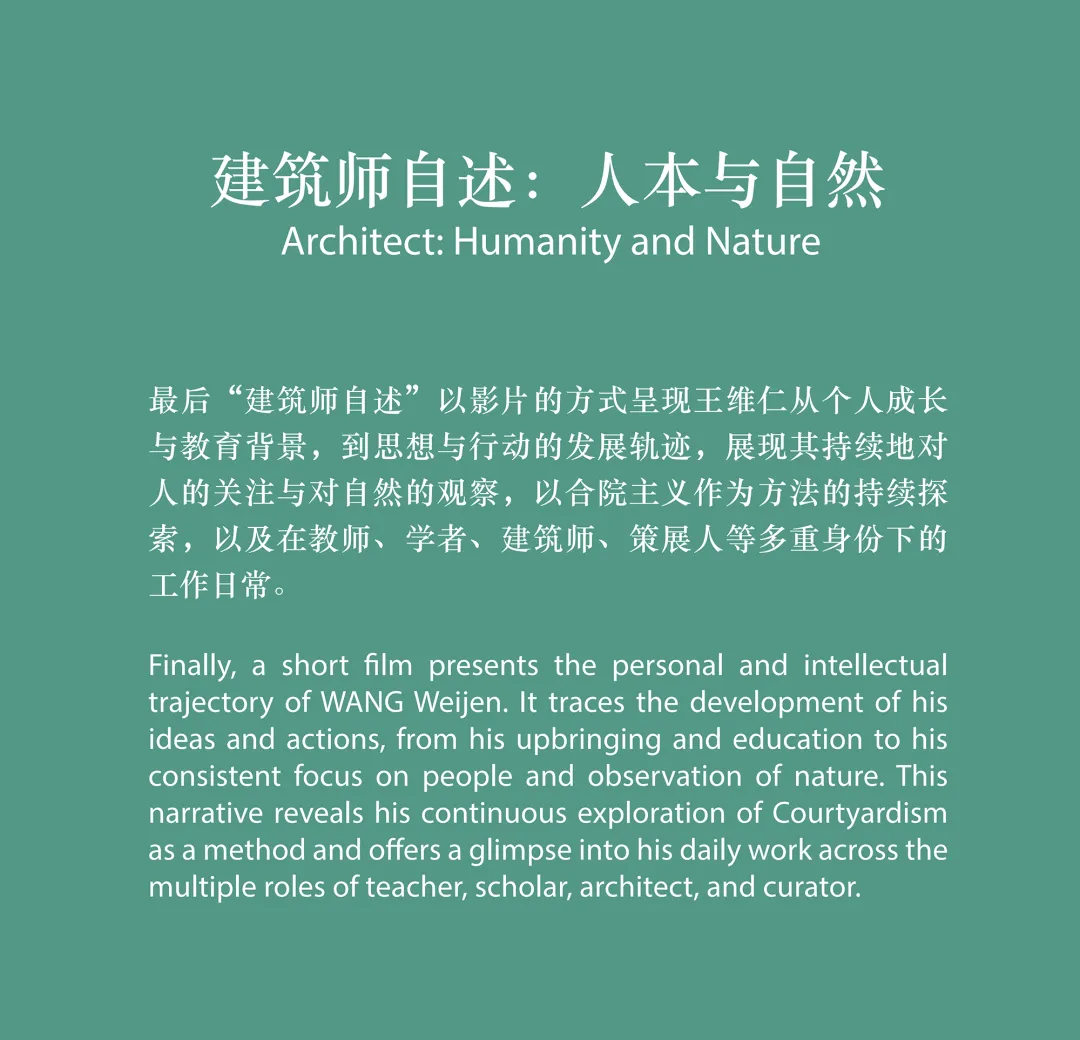
最后“建筑师自述”以影片的方式呈现王维仁从个人成长与教育背景,到思想与行动的发展轨迹,展现其持续地对人的关注与对自然的观察,以合院主义作为方法的持续探索,以及在教师、学者、建筑师、策展人等多重身份下的工作日常。
向上滑动阅览
This exhibition asks how architecture can sustain places in the rapidly changing urban-rural environments of China. Facing challenges of large-scale multifunctionality and high-density demands, how architecture can moderate scale, establish meaningful relationships between individuals and clusters, and foster interactions between the built and the natural environment.
Presenting nearly two decades of works by WANG Weijen Architecture in rural and urban contexts which centred on the strategy of Courtyardism as an approach to the built environment from multiple perspectives, this exhibition is organized into three sections. Beyond design practice in campuses and community buildings across urban and rural contexts, the exhibition also traces the studio's ongoing field research and investigations in these environments. Together, they reflect the architect's commitment to human scale, ecological balance and community space, as well as the everyday practice of navigating between the urban and the rural contexts.
Urban-Rural Campus: Density / Scale / Landscape
This section explores Courtyardism as a cross-cultural prototype which can be developed into a multi-layered three-dimensional system of architectural urbanism, coordinating scale while accommodating nature in contemporary high-density cities. Through a series of campus designs including The Chinese University of Hong Kong, Shenzhen, four schools in Shenzhen, and the Lishui University in Songyang, the exhibition explores how Courtyardism as typology can be developed into a sectional design method, through overlapping and interweaving, enclosure and connecting, sequence and transition, trees and ponds, establishing an effective spatial strategy for sustaining architectural and natural environments.
Research-Practice: Fabric / Type / Place
This section presents the studio's extensive research and built projects in diverse urban and rural contexts. From studies of Macao's Tsz Lam Wai and Hong Kong's urban fabric to the adaptive reuse and design transformations in Beijing's hutongs, villages in Zhejiang and Henan, the Hakka settlement of Kuk Po Village in Hong Kong, and the reconstruction of Choi Yuen Village, the exhibition highlights the dialectical and symbiotic relationships between city and village, architecture and landscapes, settlement and wetland, high and low density, conservation and innovation, amidst vast urban-rural transformations.
Architect: Humanity and Nature
Finally, a short film presents the personal and intellectual trajectory of
WANG Weijen. It traces the development of his ideas and actions, from his upbringing and education to his consistent focus on people and observation of nature. This narrative reveals his continuous exploration of Courtyardism as a method and offers a glimpse into his daily work across the multiple roles of teacher, scholar, architect, and curator.
关于策展人
About the Curator
—
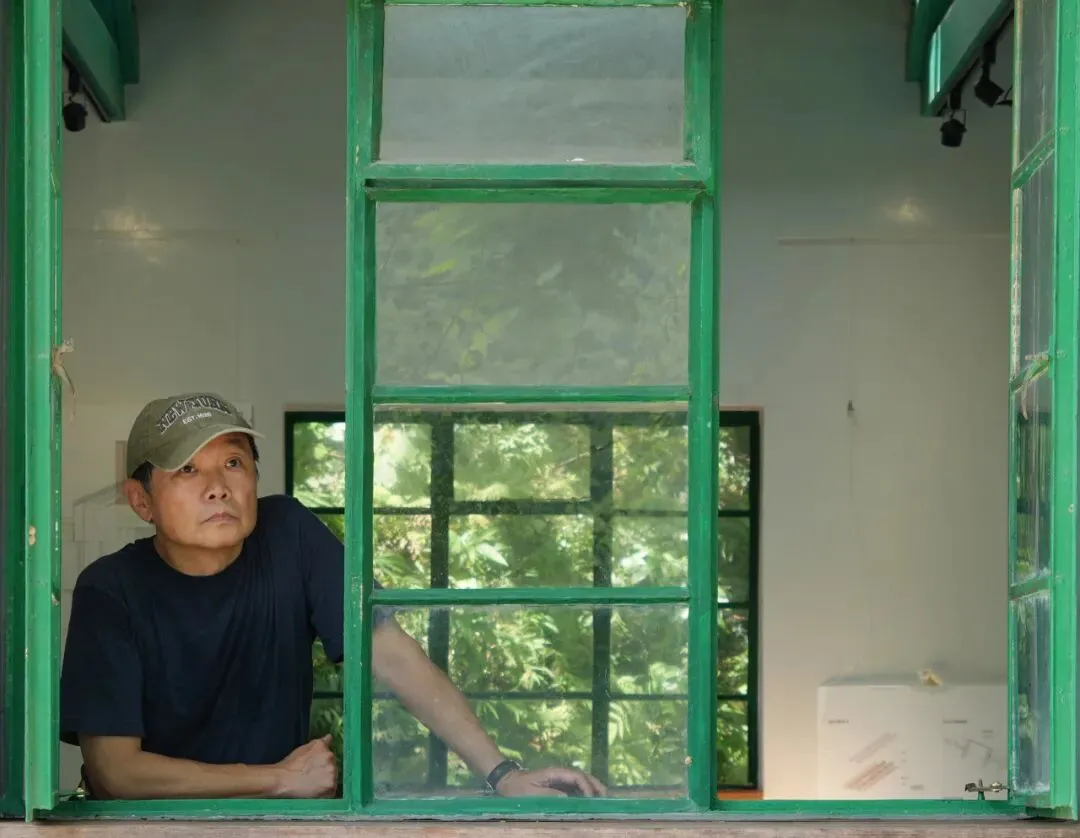
王维仁
WANG Weijen
王维仁,香港大学建筑学院李景勋建筑设计教授席,王维仁建筑设计研究室主持人及中国建筑城市研究中心主任。强调建筑与自然和文化地景的结合,其设计与研究关注高密度城市、乡村保育与可持续环境。曾任香港大学建筑系系主任、2023年任伯克利加州大学弗里曼讲座教授、2018年威尼斯建筑双年展香港馆策展人、2007年香港深圳城市建筑双城双年展策展人。王维仁建筑设计研究室成立于旧金山,1994年迁到香港。设计着重类型学、城市肌理、公共空间,以及它们和人文与自然的互动,项目涵盖校园、社区及城乡文化建筑,作品曾获包括香港建筑师学会、香港城市设计学会、美国建筑师学会、AR公共奖、WA中国建筑奖等奖项,并被收录于肯尼思 · 弗兰普顿2020年再版的《现代建筑:一部批判的历史》。
向上滑动阅览
WANG Weijen is the Andrew KF LEE Professor in Architecture Design at The University of Hong Kong and Principal Architect of WANG Weijen Architecture and Director of Centre for Chinese Architecture/Urbanism (CCAU). Integrating architecture with landscape and community, his practice responds to high-density urban context, rural conservation, and sustainable environments. Previously served as Head of the Department of Architecture, he was the 2023 Howard Freeman Visiting Professor at UC Berkeley, curator of 2018 Venice Architecture Biennale for HK Exhibition and 2007 Hong Kong Biennale of Architecture and Urbanism. WANG Weijen Architecture started in San Francisco and moved to Hong Kong in 1994. Their projects address typology, urban fabric, public spaces, and their interaction with humanity and nature, covering campuses, community and culture buildings. Their works have received awards from HKIA, HKIUD, AIA Hong Kong, AR, WA, and were reviewed by Kenneth Frampton in Modern Architecture: A Critical History (2020).
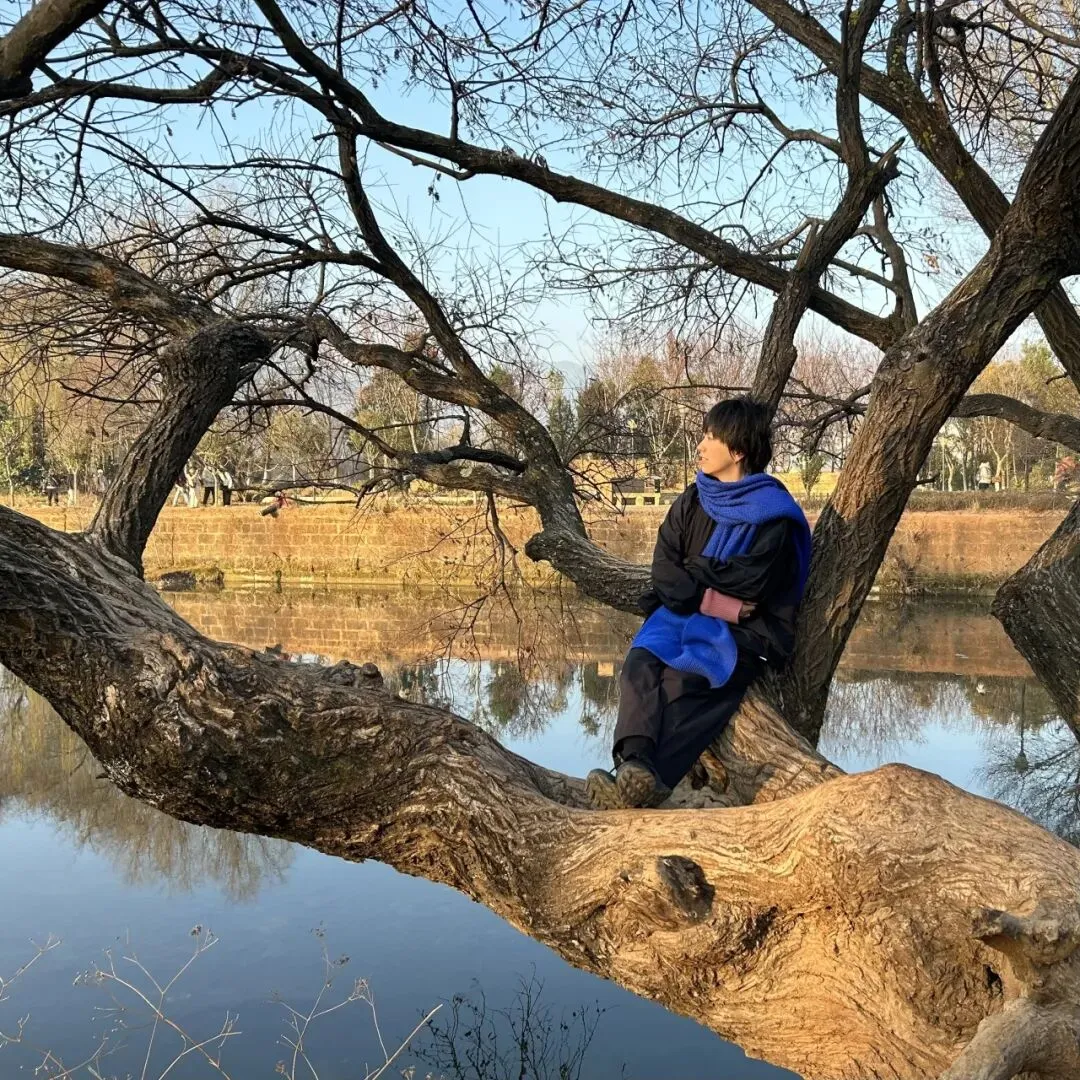
赵晓旭
ZHAO Xiaoxu
荷兰代尔夫特理工大学,建筑学、城市规划与建造科学硕士,香港中文大学建筑学学士。现居香港,香港大学建筑学在读博士生。研究关注香港城市空间肌理、乡村聚落等不同形态的人居环境及历史演化。实践涉及研究、策展、出版及建筑设计。喜用文字绘画描摹日常,亦乐于游逛见闻。
向上滑动阅览
Master of Science in Architecture, Urbanism and Building Sciences, Delft University of Technology, The Netherlands. Bachelor of Architecture, The Chinese University of Hong Kong. She is now undertaking PhD programme in Architecture at The University of Hong Kong. Her researches focus on the urban fabric of the city and the historical evolution of diverse human settlements and environments, including rural villages. Practice involves research, exhibition curation, publishing, and architectural design. Drawn to unfamiliar horizons, she enjoys traveling around and archiving daily experiences through writing and drawing.
展览内容Exhibition Content
—
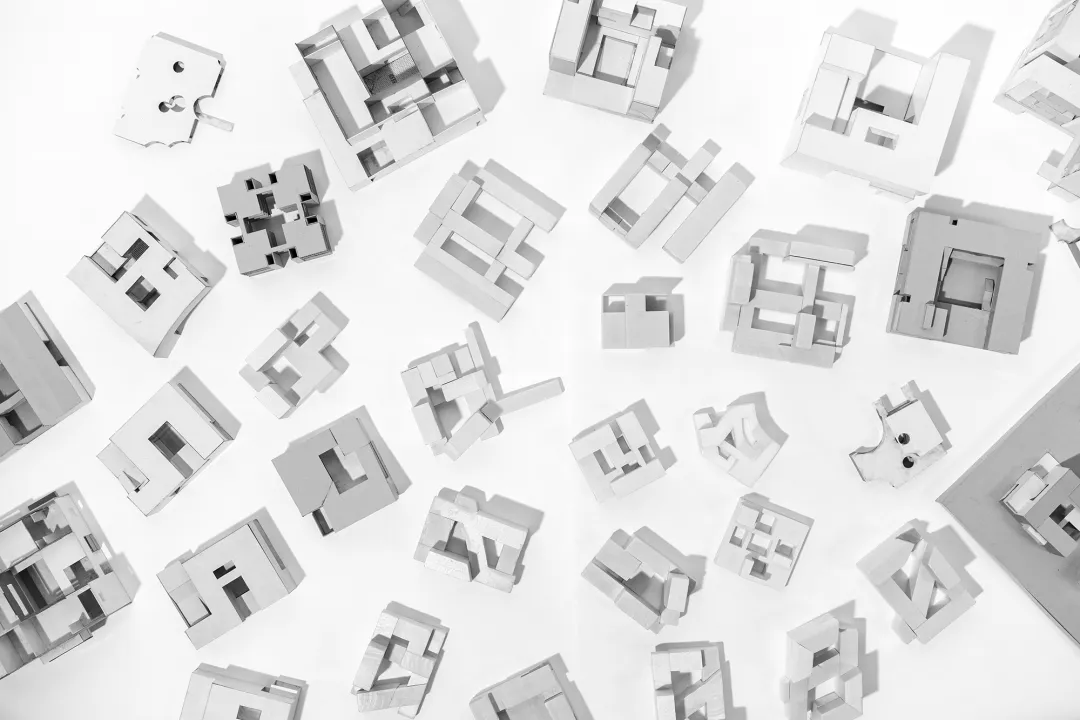
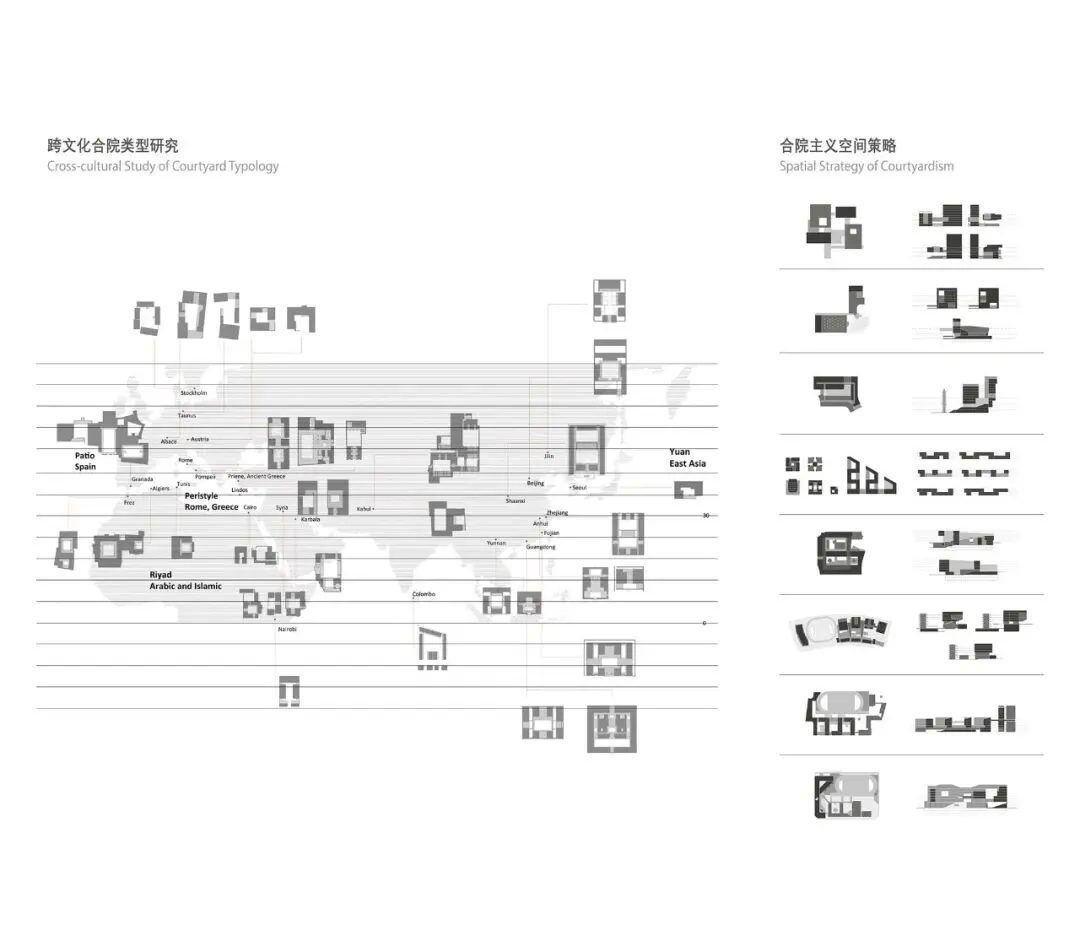
40年前在中国台湾澎湖的小渔村,我开始了建筑学习生涯的第一栋四合院测绘:一个四、五米见方框出的蓝天,石材铺地、青瓦檐口和白墙上移动的光影。之后的这些年,我们测绘、修建了更多的四合院,从北京胡同到浙江或香港的山村。我们一直拿四合院作为一个空间衡量的标准,关于尺度、自然、建筑与地景的关系。将合院作为一种理想的历史原型,面对高密度大尺度的城市,我们研究室总是想在大尺度的建筑里,重建这种合宜的尺度关系,保持建筑与自然关系的空间状态。
Forty years ago, in a small fishing village in Penghu, Taiwan, China, I began my architectural education by surveying my first siheyuan (a traditional courtyard house): a four-by-five-meter square framing the blue sky, with the play of light and shadow moving across its stone paving, green-tiled eaves, and white walls. In the years since, we have surveyed and renovated more courtyard houses, from the hutongs of Beijing to the mountain villages of Zhejiang and Hong Kong. We have always used the courtyard as a spatial benchmark for the relationships between scale, nature, architecture, and landscape. Treating the courtyard house as an ideal historical prototype, our studio has always sought to rebuild this appropriate sense of scale within the large-scale buildings of high-density cities, preserving a spatial condition that maintains the relationship between architecture and nature.
“院落满足了建筑艺术一种古老的基本需求,亦即,一种平衡建筑体量和开放空间,符合人本体验的、和谐的空间与尺度。”
"(Court)yard fulfills an ancient requirement of the art of architecture, namely, to balance artfully the building masses and open spaces in conformity with the human capacity to experience and sense harmonious space and scale."
瓦尔特 · 格罗皮乌斯 Walter GROPIUS丨1949
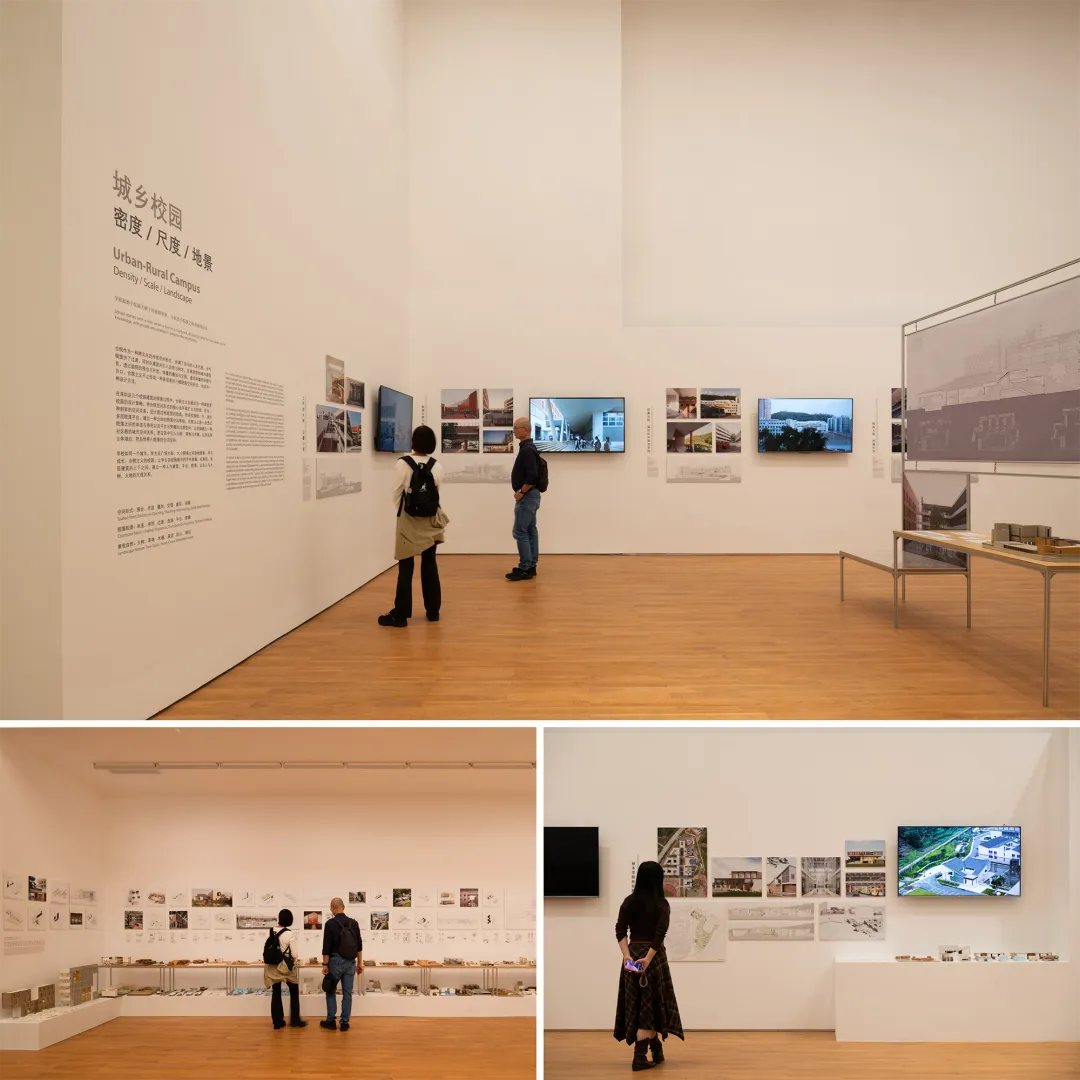
乡村除了作为城市的救赎,也可以成为城市的希望和乌托邦。游走于城乡之间,建立一种城乡的建筑策略,这基本上就是我现在的一种工作状态。
The countryside can be more than just a refuge for the city; it can also become its hope and utopia. Roaming between the urban and the rural, establishing an architectural strategy that bridges both—this is essentially my current working condition.
几十年来,我在这些村落开展的观察研究,始终以建筑师和人类学家的双重视角进行。过去我所践行的观察测绘、笔记记录和摄影工作如今已有所发展,而我也成为建筑实践的参与者——建筑师。我渴望成为的建筑师,是除了设计还能够持续研究、调控空间变迁的人类学家建筑师。
For decades, my observational research in these villages was conducted from the perspective of an architect and anthropologist. The same surveying, sketching, note-taking, and photography I practiced then has now evolved, and I have become an active participant in construction—an architect. The architect I aspire to be is one who, beyond design, can also act as an anthropologist-architect, continually researching and guiding spatial transformation.
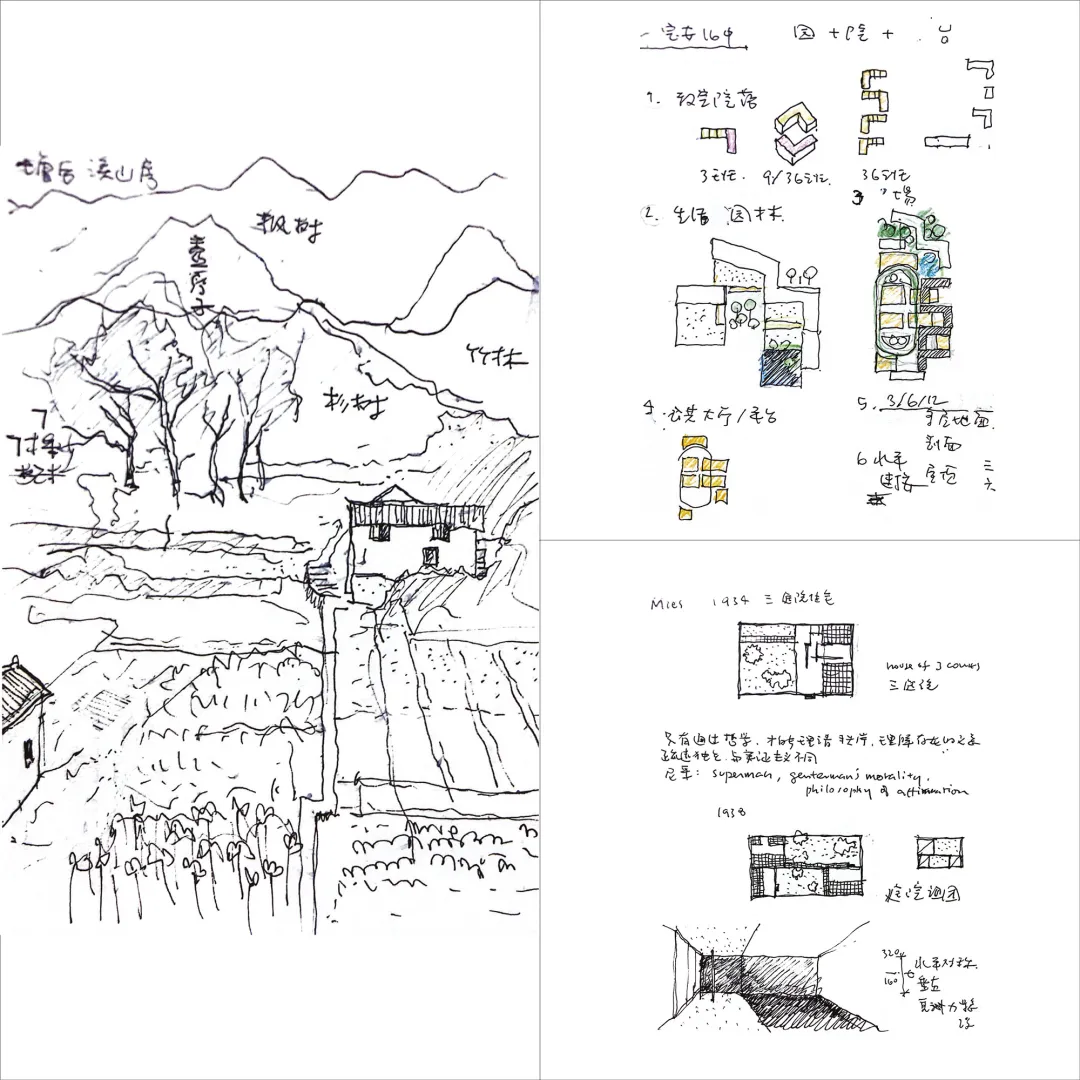
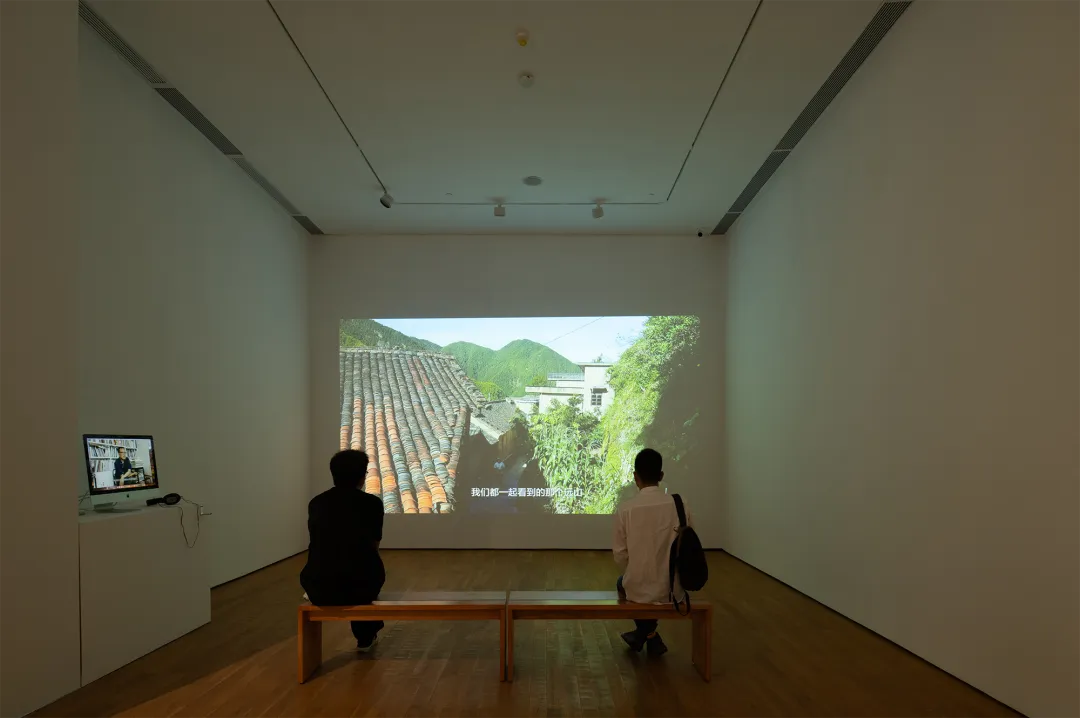
我这一辈子所关心的事情,其中一系列比较重要的相关的关键词凑在一起,即院落(四合院)、花园这两个中国传统建筑中的形态,四合院是居住的建筑形态,而花园是景观,属于地景建筑的范畴,他们的关系即人居状态与自然的关系。
Throughout my life, the things I have cared about can be encapsulated by a series of key concepts, central among them are the courtyard (siheyuan) and the garden—two forms from traditional Chinese architecture. The siheyuan is an architectural form for dwelling, while the garden belongs to the domain of landscape architecture. These two types embody the interaction between human habitation and nature.
王维仁 WANG Weijen丨2025
大学艺术中心
University Arts Centre

拉近学生与文化艺术之间的距离
让“梦 · 想”实现
To bring students closer to culture and art
To make the "DREAM" come true
策展团队:朱睿吉、朱开元、陈默
Curator Team: ZHU Ruiji, ZHU Kaiyuan, CHEN Mo
视觉设计:陈默
Graphic Design: CHEN Mo
特别鸣谢:
香港中文大学(深圳)校长助理陈恒博士
Special Thanks:
Dr. CHEN Heng, Assistant to the President,
CUHK, Shenzhen
出品人:黄顺真
Produced by: Dorothy WONG
运营负责人:唐卉茜
Head of Operation: Cici TANG
展览总监:张旭
Exhibition Director: ZHANG Xu
展览协调:王阳杜文
Exhibition Coordination: WANG Yangduwen
展览执行:王爱文
Exhibition Execution: WANG Aiwen
展览助理:邬政钦、颜紫昱、龙雨
Exhibition Assistant: WU Zhengqin, YAN Ziyu, LONG Yu
展览实习生:吕晓欣
Exhibition Intern: Estella LYU
开幕活动支持:丁龙、刘卓、孙晨瑞、王月梅、胡尹仪、陈雅莹、栾嘉怡、龚薇、吴文涛、李志立、黄梓帆、李嘉贤、徐琪宇、陈佳汝、李佳怡、谢颖、李宗果、李彦姿、熊方铭
Opening Event Support: DING Long, LIU Zhuo, SUN Chenrui, WANG Yuemei, HU Yinyi, CHEN Yaying, LUAN Jiayi, June GONG, WU Wentao, LI Zhili, HUANG Zifan, LI Jiaxian, XU Qiyu, CHEN Jiaru, Yuki LI, XIE Ying, LI Zongguo, LI Yanzi, XIONG Fangming

图文来源丨王维仁建筑设计研究室
微信编辑丨陈一凡
审核丨顾月明
审定丨项 曦