

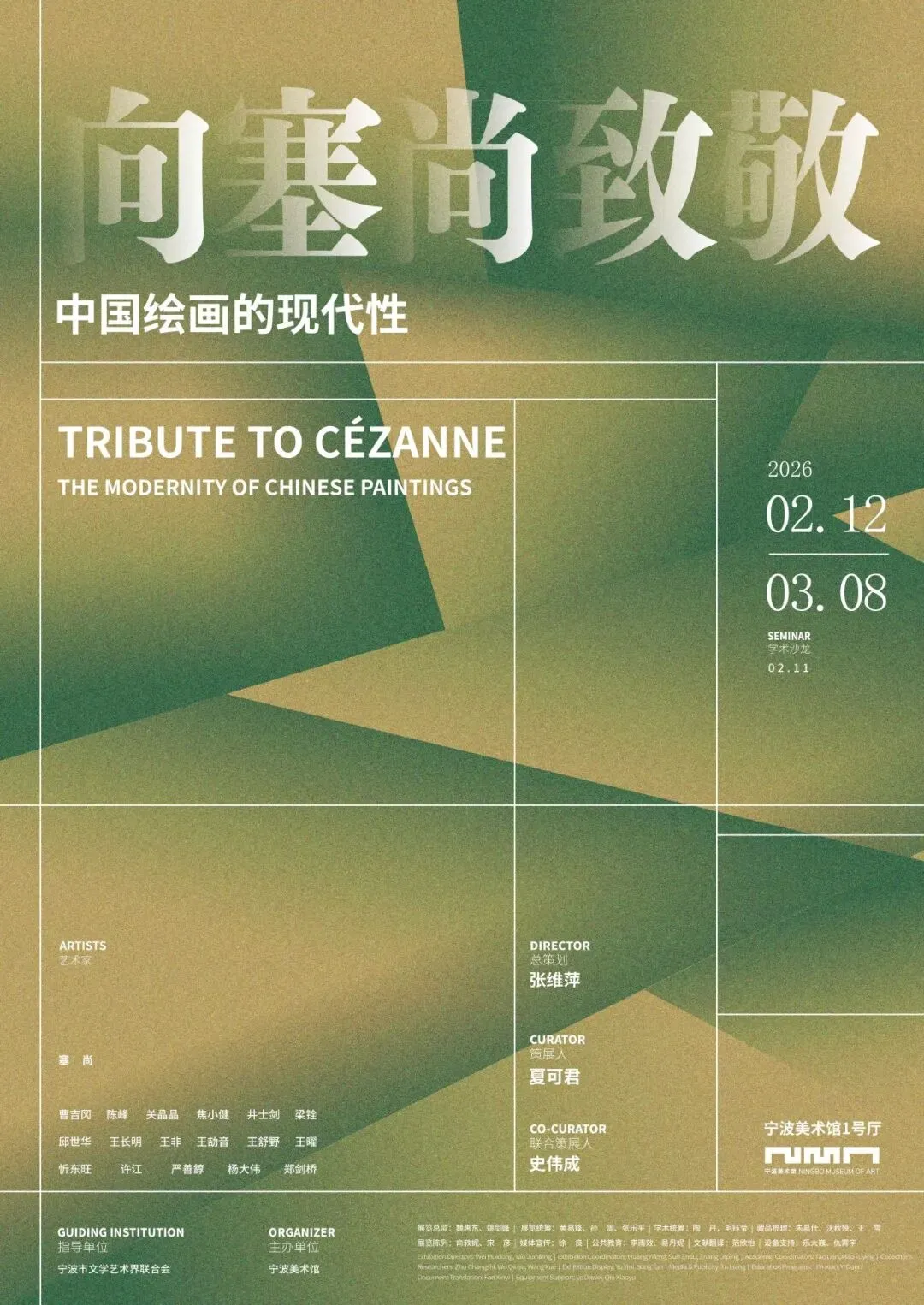

在“尚未完成”之处,
重启一种面向世界的
中国绘画
为什么在今天,在宁波美术馆,重新谈论塞尚?
对于很多观众而言,塞尚是一位写在艺术史中的“经典画家”。但在本次展览中,我们并不是为了回顾一段已经完成的历史,而是希望借助塞尚这一重要起点,重新思考一个仍在发生的问题:绘画在当下,如何继续向前。
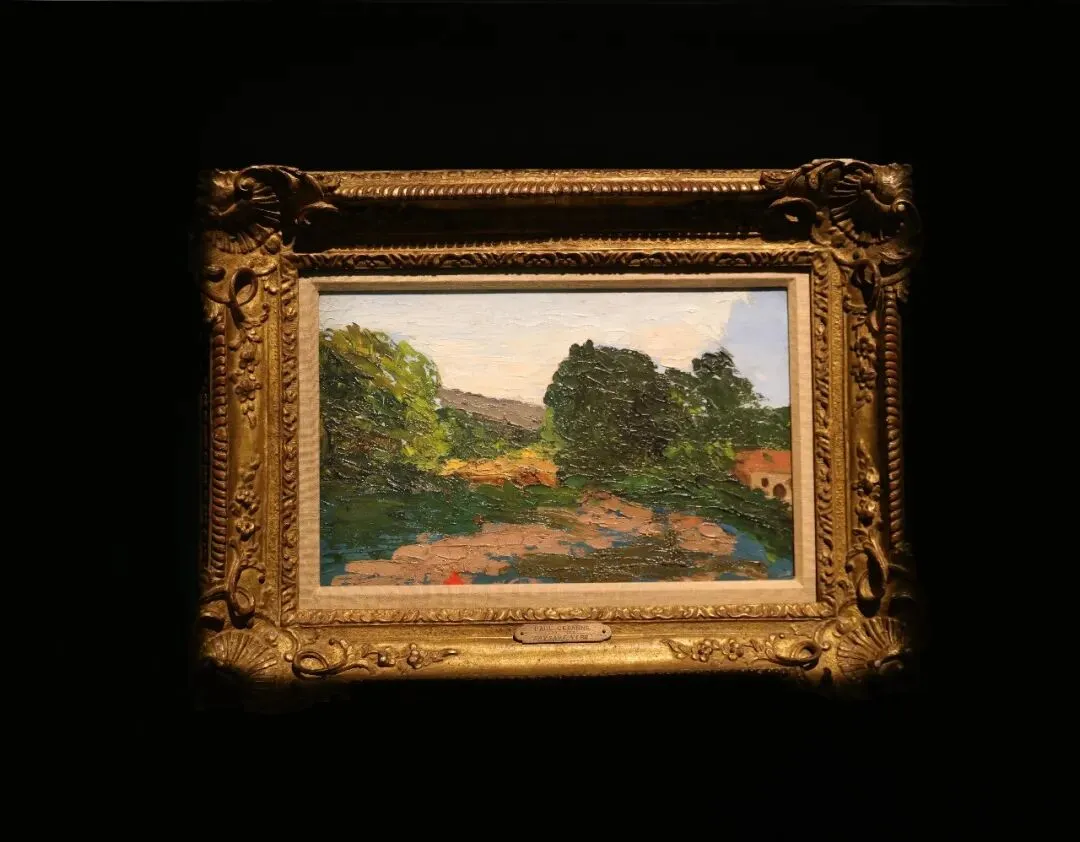
保罗·塞尚 《中午的风景》 22.5×36.5cm
布面油画 约1865年 宁波美术馆藏
塞尚被称为“现代绘画之父”,并不只是因为他影响了后来的艺术家,更因为他提出了一种始终没有被彻底解决的绘画问题——如何在真实的自然感受与绘画的结构之间,建立一种既稳定又开放的关系。他的许多晚期作品,至今仍呈现出一种“未完成”的状态:色彩在游移,形体在生成,画面仿佛始终处在变化之中。正是这种未完成,使塞尚成为一位持续与当代对话的艺术家。
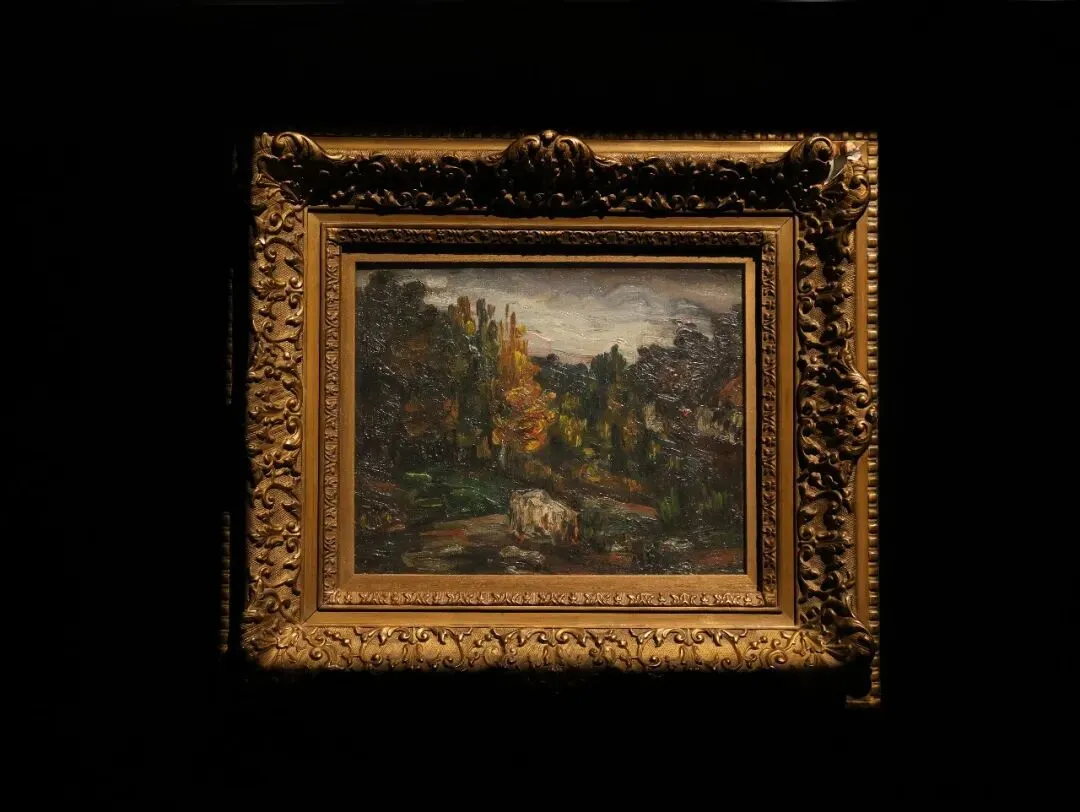
保罗·塞尚 《风景》 28×35cm 布面油画
约1866年 宁波美术馆藏
宁波美术馆之所以策划此次展览,首先源于自身的馆藏基础。我们收藏有塞尚的作品,这既是一份珍贵的艺术遗产,也是一份责任。美术馆不仅是保存作品的空间,更应当通过研究与展览,让这些作品在当下重新发声。因此,我们并未将目光停留在塞尚本人,而是进一步提出问题:如果从“尚未完成的塞尚”出发,中国当代绘画能够回应什么?又能贡献什么?
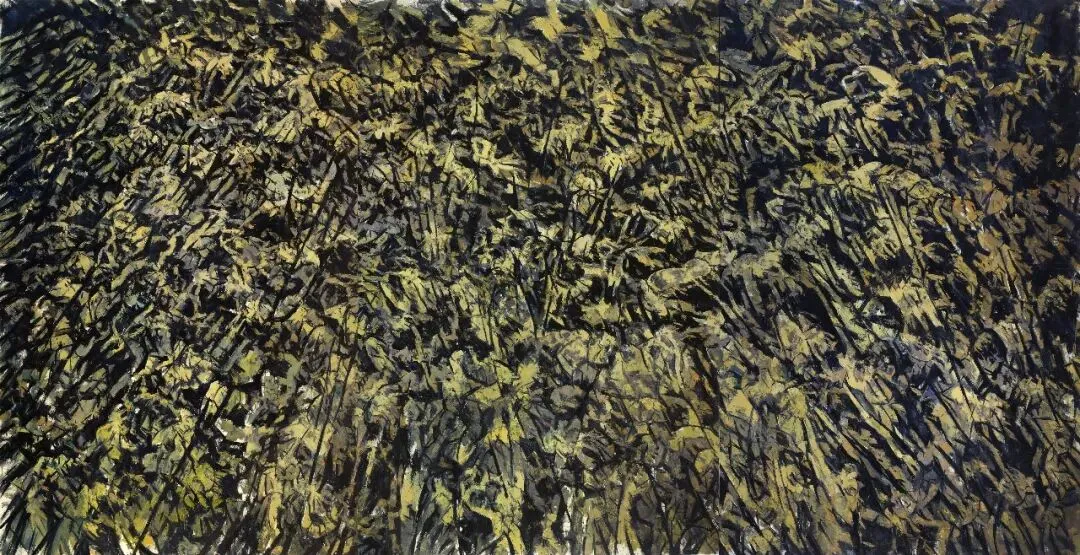
许江 《东方葵·如噎》 280×540cm 布面油画 2015
展览由此展开为一场跨越时间与文化的对话。参展的中国艺术家,并非简单地“学习”或“模仿”塞尚,而是在各自的创作中,与他所提出的问题发生联系:如何面对自然?如何在写生与创作之间转换?如何多元地处理各种材料、时间的沉淀与瞬间的感受?这些问题,在中国绘画传统中同样长期存在,只是以不同的方式被回答。
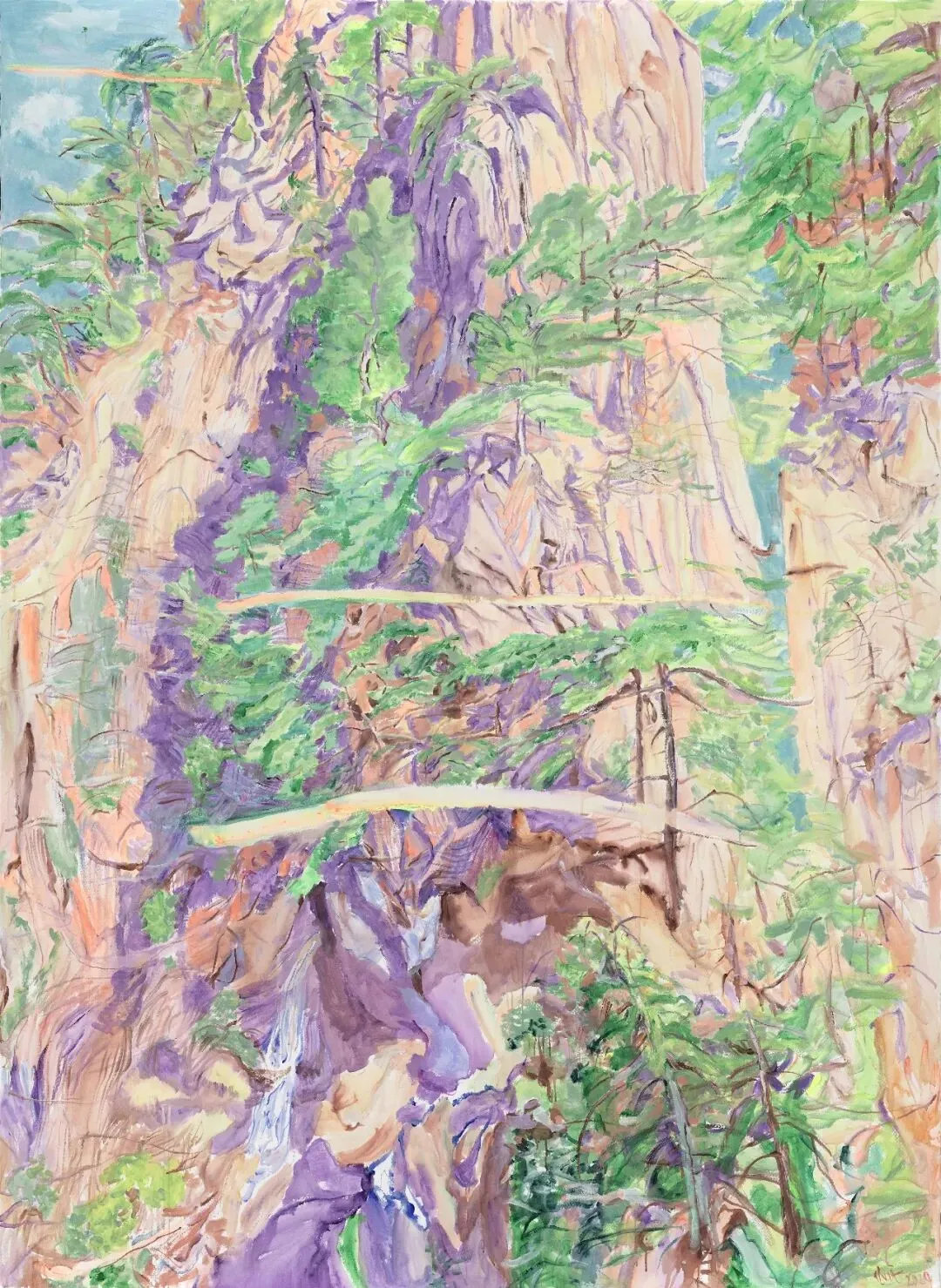
焦小健 《风花雪月》 246×180cm 纸本丙烯 2024
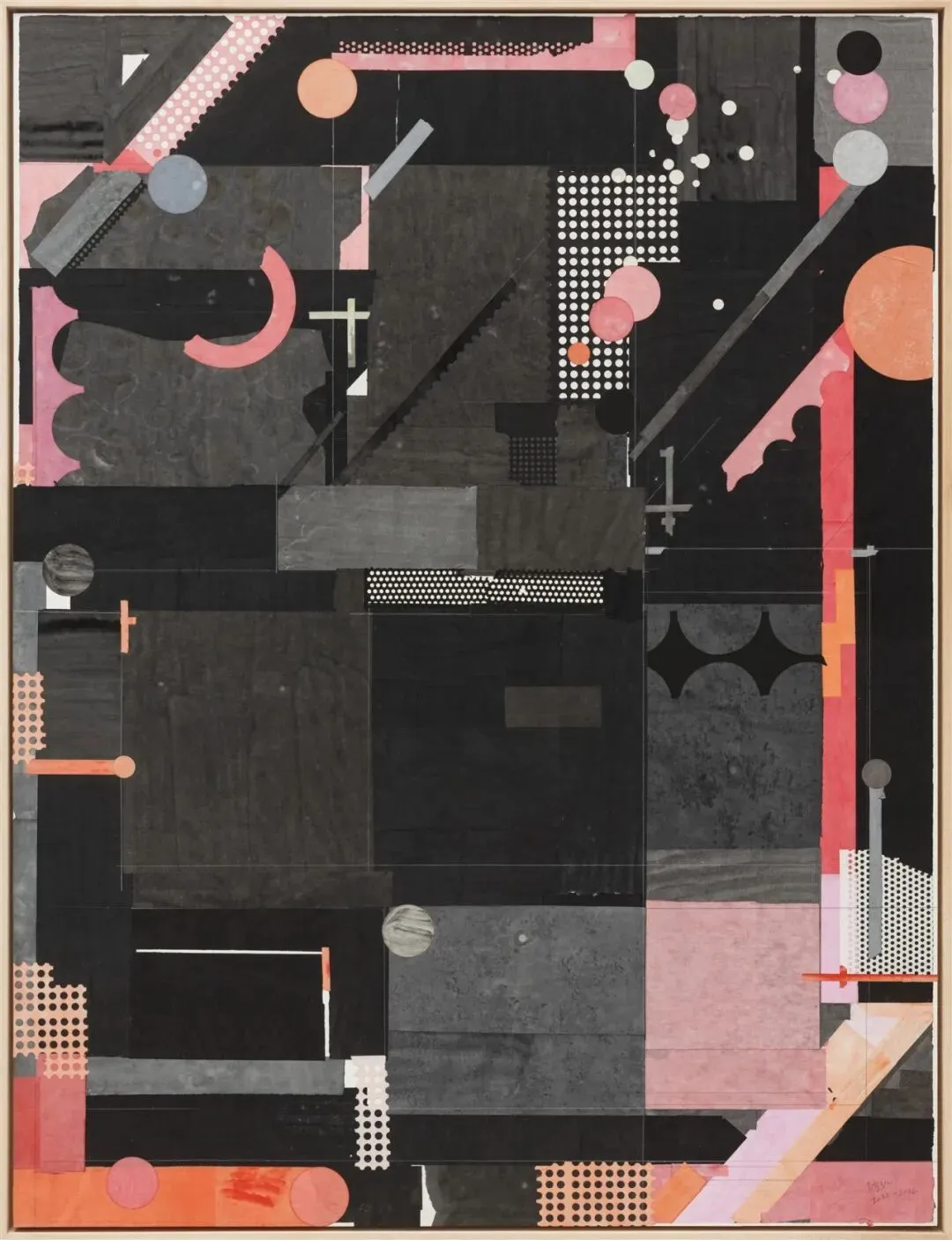
梁铨 《双联画-迎新之二——色、墨》 166×127cm 宣纸拼贴 2022
中国绘画拥有悠久的山水传统,也拥有对“气”“韵”“时间”的独特理解。当这些经验与现代绘画的问题相遇,便不再是中西对立,而是一种新的可能。本次展览所呈现的,正是多种不同的探索路径:有的作品从自然风景出发,在反复描绘中捕捉时间的变化;有的作品在水性与油性材料之间寻找新的平衡;也有的作品通过抽象的痕迹与历史母题,让绘画成为记忆与感受的载体。
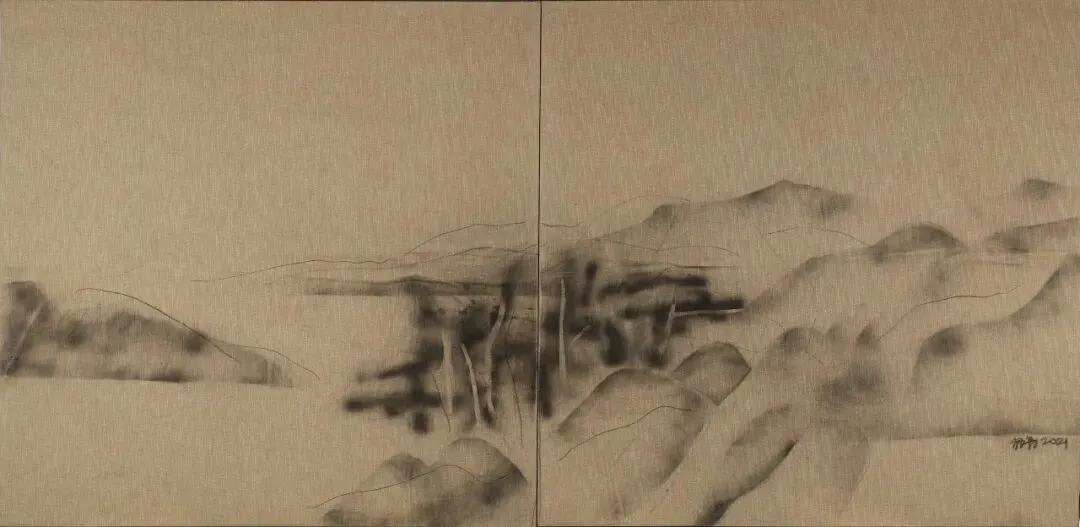
王劼音 《平山远水》 145x290cm 2021
这些作品并不要求观众掌握繁复的艺术史知识,而是邀请大家放慢观看的速度,体会画面中的色彩、节奏与气息。您可以把它们当作一次“重新看”的练习:重新看自然,重新看绘画,也重新看我们自身的感受方式。在图像被大量复制、快速消费的AI时代,绘画显得缓慢,却也因此显得珍贵。本次展览并不提供标准答案,而是保留问题的开放性。正如“尚未完成的塞尚”所提示的那样,绘画的意义,始终存在于不断生成的过程中。
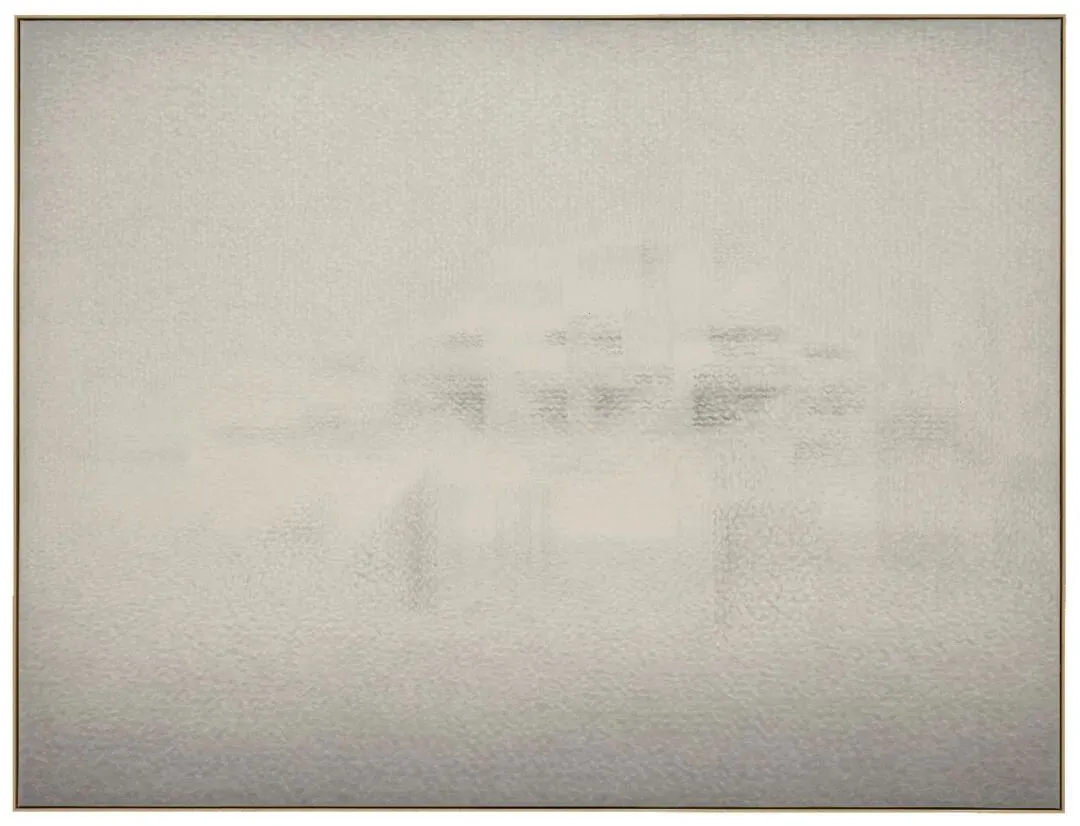
王舒野 《故宫的时空裸相·即-201》 177×234cm 2024
今天,在全球文化交流日益频繁的背景下,我们更希望通过美术馆这一公共空间,让世界艺术史中的重要问题,与中国当下的创作实践在这里发生连接。我们希望您在离开展厅时,不只是记住某位艺术家的名字,而是带走一种新的观看经验:在未完成之处,发现持续生长的可能。
张维萍
宁波美术馆馆长
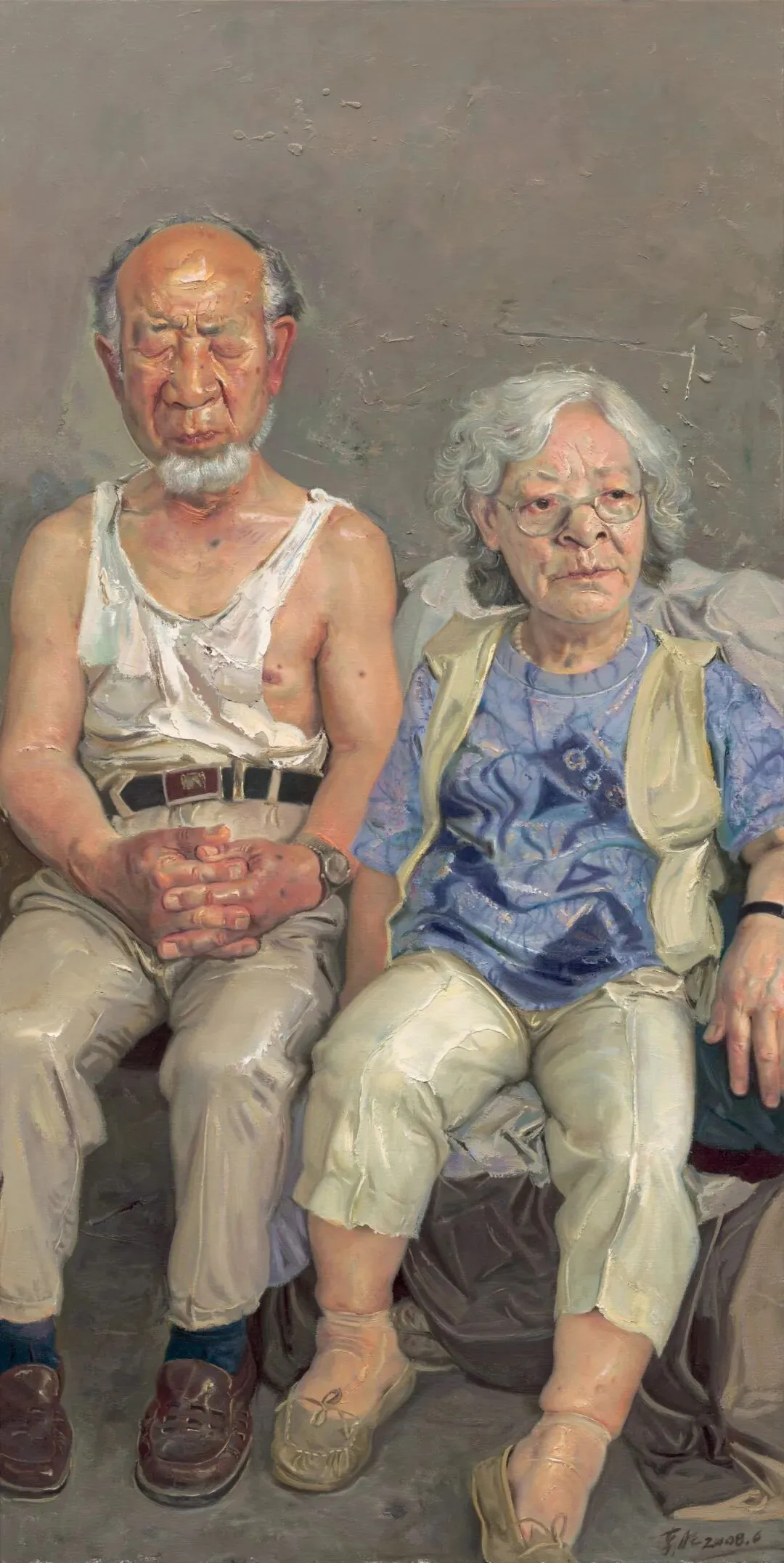
忻东旺 《金婚》 160×80cm 布面油画 2008
Cézanne's Unfinished
Legacy and the Modernity
of Chinese Painting
Why revisit Cézanne today at Ningbo Museum of Art (NMA)?
To many, Paul Cézanne is a "classical artist" enshrined in art history. This exhibition, however, does not seek to review a finished chapter of the past. Rather, it takes Cézanne as a pivotal starting point to reconsider a question that remains relevant today: how can paintings continue to move forward in the present world?
Cézanne is famed as the "father of modern art" not only for his influence on later artists, but also because he proposed a persistent and unresolved question: how to establish a stable yet open relationship between the authentic experiences of nature and the artistic structures? Many of his late artworks appear to be "unfinished" — colors shifting and forms taking shape, the images seem to be in a state of constant transformation. Such incompleteness keeps Cézanne in continuous dialogues with the contemporary art world.
The show presented by NMA is based on its holdings of works by Cézanne, which represent both a precious legacy and a responsibility. An art museum is not only a space to store its collection, but should also reactivate the contemporary relevance of the collected works through research and display. Thus, NMA looks beyond Cézanne and ask: starting from the "unfinished Cézanne," what can contemporary Chinese paintings respond to? And what can they contribute?
The exhibition unfolds as a dialogue across time and cultures. Instead of simply "learning from" or "imitating" Cézanne, the participating Chinese artists engage with the issues raised by Cézanne in their own creation: How to confront nature? How to move between sketching and creating? How to negotiate varied materials, the lapses of time, and moments of sensation? These questions have long existed in the Chinese artistic tradition, though answered in different ways.
Chinese paintings boasts a long tradition of landscape art and a unique understanding of concepts such as "qi", "rhythm", and "time". When the traditional heritage encounters the challenges of modern paintings, it is no longer a matter of East versus West, but rather new possibilities. This exhibition presents diverse paths of exploration. Some artworks start from natural scenery, and capture the lapses of time through repeated strokes. Some seek new balances between water- and oil-based materials. Some make paintings a vessel for memory and emotions through abstraction and historical themes.
It does not require extensive knowledge of art history to understand these artworks. They invite viewers to slow down and observe — to taste the colors, rhythms, and breaths in the pictures. Treat this as a chance to look anew: at nature, at paintings, and at how we see. In the age of AI where images are widely replicated and rapidly consumed, viewing paintings may seem slow—yet because of that, it becomes valuable. The exhibition leaves the questions open rather than providing standard answers. As "the unfinished Cézanne" suggests, the meaning of paintings lies always in its continuous making.
Today, amid the increasing global cultural exchanges, it is hoped that the significant questions from the world art history could interact with contemporary Chinese creative practices in the public spaces of NMA. When you leave the museum, we hope you would take away not just the name of an artist, but a renewed viewing experience — in the unfinished, you might discover possibilities for continuous growth.
Zhang Weiping
Director of Ningbo Museum of Art